Can I Eat Grapefruit on Mounjaro? A Guide to Citrus and Tirzepatide
Introduction
Starting a medical weight loss journey often brings a wave of questions about what you can and cannot eat. You might have heard that grapefruit is a “forbidden fruit” for many medications, leading you to wonder if your morning citrus routine needs to end. If you are taking Mounjaro®, a medication that helps manage blood sugar and weight, the rules for your diet might seem confusing at first. Navigating these nutritional guidelines is a key part of the support we offer at TrimRx. Our goal is to provide clarity so you can focus on your health goals with confidence. This article explores whether you can safely eat grapefruit on Mounjaro®, the science behind medication interactions, and how to optimize your diet for the best results. We will look at why some drugs clash with citrus while others do not, helping you build a sustainable lifestyle that works for your body.
Quick Answer: Yes, you can generally eat grapefruit while taking Mounjaro®. Unlike some medications for cholesterol or blood pressure, tirzepatide (the active ingredient in Mounjaro®) does not interact with the liver enzymes that grapefruit affects. However, because the medication slows digestion, some people may experience mild heartburn or acid reflux when eating acidic fruits.
If you are exploring whether a medically supervised weight loss program may be appropriate for you, you can complete a free eligibility assessment.
The Science of the Grapefruit Effect
To understand why people ask about grapefruit, we have to look at a specific enzyme in your body called cytochrome P450 3A4, or CYP3A4. This enzyme is primarily found in your small intestine and liver. Its main job is to help your body break down certain medications so they can be processed and removed from your system.
Grapefruit and its juice contain natural compounds called furanocoumarins. These compounds are famous in the medical world because they can temporarily “block” the CYP3A4 enzyme. When this enzyme is blocked, your body cannot break down certain drugs as quickly as it should. This can lead to the medication building up in your bloodstream to levels that are much higher than intended. This increase can heighten the risk of dangerous side effects. This interaction is common with some statins (used for cholesterol), certain blood pressure medications, and some anti-anxiety drugs.
Why Mounjaro is Different
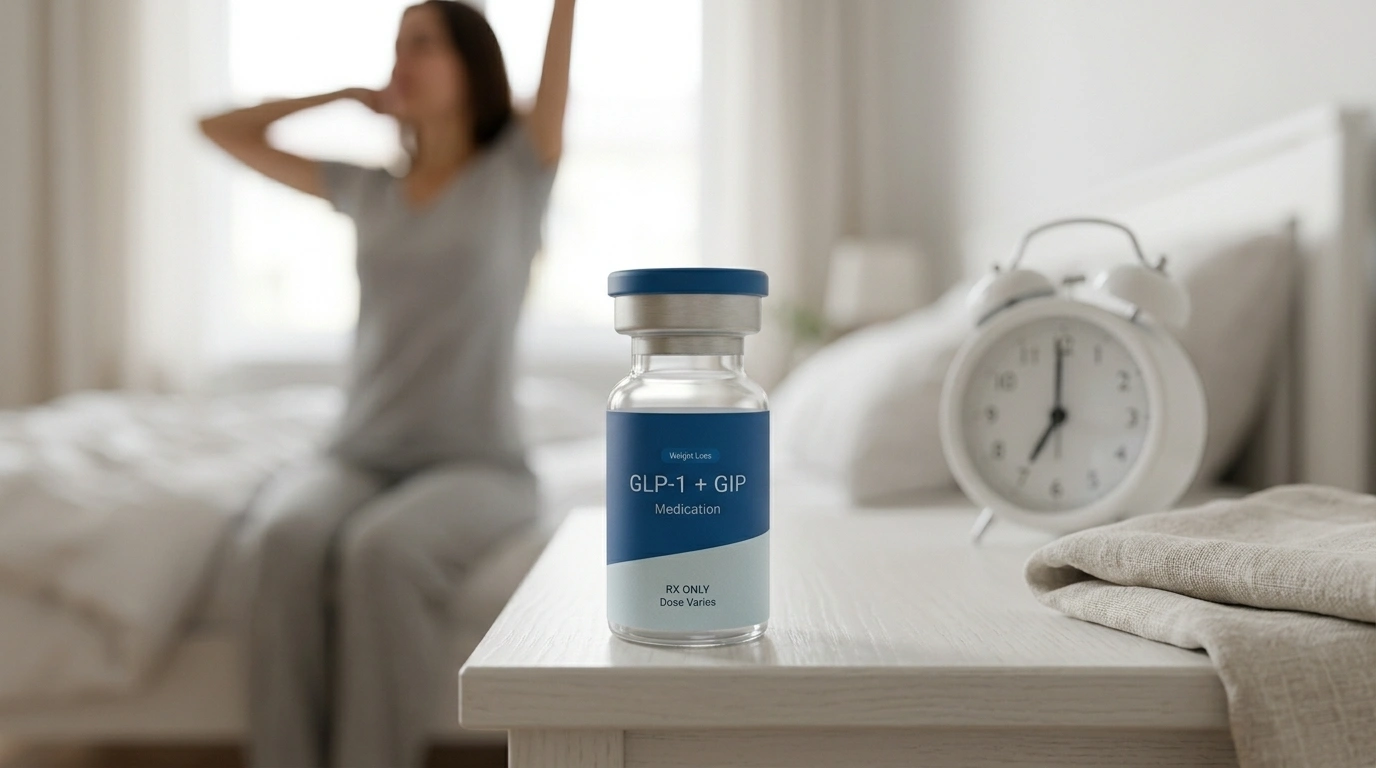
Mounjaro® contains the active ingredient tirzepatide. Tirzepatide is part of a class of drugs known as dual GIP (glucose-dependent insulinotropic polypeptide) and GLP-1 (glucagon-like peptide-1) receptor agonists. These are peptides, which are essentially short chains of amino acids that mimic natural hormones in your body.
Because tirzepatide is a peptide, your body processes it differently than it does a traditional pill. It is not primarily broken down by the CYP3A4 liver enzyme that grapefruit interferes with. Instead, it is broken down through a process called proteolysis, where the body uses different enzymes to recycle the amino acids.
Key Takeaway: Because tirzepatide is a peptide and not a small-molecule drug processed by the liver’s CYP3A4 system, grapefruit does not interfere with how the medication works in your bloodstream.
For a broader overview of digestive changes associated with this medication, read what to expect from common tirzepatide side effects.
Managing Your Digestive Comfort
While there is no chemical “danger” in eating grapefruit on Mounjaro®, there are practical reasons to be cautious. One of the primary ways GLP-1 and GIP medications work is by slowing down gastric emptying. This means food stays in your stomach longer, which is what helps you feel full for a longer period.
When food sits in the stomach for an extended time, the acidity of what you eat becomes more noticeable. Grapefruit is highly acidic. For some individuals, this can lead to uncomfortable gastrointestinal (GI) side effects.
Potential Issues with Acidic Fruits
- Acid Reflux and Heartburn: High-acid foods like grapefruit, lemons, and limes can trigger heartburn, especially when they stay in the stomach longer than usual.
- Indigestion: The combination of slowed digestion and the fiber in grapefruit can occasionally cause bloating or a “heavy” feeling in the upper stomach.
- Nausea: Many people experience mild nausea during the first few weeks of treatment. Strong, bitter, or acidic flavors can sometimes aggravate this feeling.
If you find that grapefruit causes discomfort, you might choose to limit your intake or eat it in smaller portions. If you need additional support for your digestive health during this time, our GLP-1 Daily Support supplement is designed to help maintain comfort as your body adjusts to your program.
You can also review practical strategies for managing tirzepatide-related acid reflux.
Building a Balanced Plate on Mounjaro
Rather than worrying about a single fruit, it is more effective to look at your overall nutritional strategy. When you are on a personalized program through a platform like TrimRx, we encourage focusing on nutrient-dense foods that support your energy and muscle health.
Prioritize Lean Protein First
Because you will be eating smaller portions, every bite needs to count. Focus on lean proteins like chicken, turkey, fish, tofu, or eggs. Protein helps preserve lean muscle mass during weight loss and keeps you feeling satisfied.
Choose Low-Glycemic Fruits
If grapefruit is a favorite, it is actually a great choice from a blood sugar perspective. It has a low glycemic index (GI), which means it causes a slow, steady rise in blood sugar rather than a sharp spike. Other low-GI fruits include:
- Berries (strawberries, blueberries, raspberries)
- Apples
- Pears
- Cherries
Hydration and Fiber
Staying hydrated is critical. Many patients find that their thirst signals change while on GLP-1 medications. Drinking plenty of water helps manage digestion and prevents constipation, which can be a side effect of slowed gastric emptying.
For more guidance on combining hydration and nutrition with GLP-1 treatment, explore GLP-1 nutrition and hydration strategies.
Bottom line: Grapefruit is chemically safe to eat on Mounjaro®, but pay close attention to your stomach’s reaction to acidity. If you enjoy it without heartburn, it can be a healthy part of your routine.
Personalization and Medical Supervision
Even though grapefruit is generally safe with tirzepatide, your individual health profile matters most. This is why we emphasize the importance of medical supervision. A healthcare provider needs to look at your full list of medications to ensure grapefruit is safe for you.
For example, many people who take Mounjaro® also take medications for high blood pressure or cholesterol. While the grapefruit might not affect your weight loss medication, it could very well interact with your other prescriptions. Using a telehealth platform like ours allows you to have these questions answered by licensed professionals without needing to visit an office in person. If you are ready to explore a plan tailored to your needs, you can take the free assessment quiz to determine your eligibility.
Understanding Branded vs. Compounded Options
When you search for information about these medications, you will see many names mentioned. Mounjaro®, Zepbound®, Wegovy®, and Ozempic® are all branded, trademarked medications. These have been FDA-approved for specific uses, such as type 2 diabetes or chronic weight management.
In some cases, providers may prescribe Compounded Tirzepatide or Compounded Semaglutide. These are medications prepared by FDA-registered and inspected compounding pharmacies to meet specific patient needs or address shortages. It is essential to understand that while these pharmacies are highly regulated, compounded medications themselves are not FDA-approved. Whether you use a branded or compounded version, the underlying mechanism of the drug remains the same, meaning the dietary advice regarding grapefruit remains consistent across both formats.
Myths vs. Facts About GLP-1 Diets
Myth: You must follow a strictly keto or low-carb diet on Mounjaro®. Fact: While many people find success with lower carb intake, the most sustainable approach is a balanced, Mediterranean-style diet focusing on whole foods.
Myth: Grapefruit will make the medication “wear off” faster. Fact: Grapefruit has no known impact on the half-life or effectiveness of tirzepatide.
Myth: You should avoid all fruit because of the sugar. Fact: Whole fruits provide essential fiber and vitamins. The fiber in fruit is particularly helpful for digestive health while on a GLP-1 program.
How to Test Your Tolerance
If you are a grapefruit lover and want to continue eating it, we recommend a gradual approach to ensure your stomach handles it well.
- Step 1: Start Small. / Try a few sections of the fruit rather than a whole grapefruit or a large glass of juice.
- Step 2: Eat it with Protein. / Consuming acidic fruit alongside a protein source, like Greek yogurt or eggs, can help buffer the acid in your stomach.
- Step 3: Monitor for Reflux. / Notice if you feel any burning in your chest or throat within two hours of eating.
- Step 4: Stay Upright. / Avoid eating acidic fruits right before lying down or going to bed, as this can worsen acid reflux.
If you find that your energy levels need a lift as you navigate these dietary changes, our Weight Loss Boost supplement can provide additional support for your metabolic health.
For additional context, read how Mounjaro may affect acid reflux.
The TrimRx Mission
We believe that medical weight loss should be more than just a prescription. It should be a partnership that respects your lifestyle and provides you with the tools to succeed. At TrimRx, we combine clinical expertise with a telehealth-first approach to make high-quality care accessible. We are here to help you understand the science of your body so that you can make choices that lead to lasting, sustainable change.
Conclusion
The short answer to whether you can eat grapefruit on Mounjaro® is yes. There is no direct chemical interaction that will harm you or stop the medication from working. However, the real answer depends on your own digestive comfort and your overall medication profile. By prioritizing protein, staying hydrated, and monitoring how acidic foods make you feel, you can build a diet that supports your weight loss goals without feeling deprived.
- Grapefruit does not interact with the enzymes that process tirzepatide.
- Acidic foods can cause heartburn due to slowed gastric emptying.
- Always disclose all medications to your healthcare provider to check for other interactions.
- Focus on nutrient-dense, high-protein meals for the best results.
If you are ready to take the next step toward a healthier version of yourself with a program that offers 24/7 support and expert guidance, we invite you to take our free assessment quiz today.
FAQ
Does grapefruit juice interfere with Mounjaro?
No, grapefruit juice does not interfere with the effectiveness of Mounjaro® or its active ingredient, tirzepatide. This is because the medication is a peptide processed by different enzymes than the ones grapefruit affects. However, juice can be high in sugar, so whole fruit is often a better choice for weight management.
What foods should I avoid while on tirzepatide?
There are no strictly forbidden foods, but most people feel better if they limit high-fat, greasy, and ultra-processed foods. These can worsen nausea and stomach upset because they take longer to digest. High-sugar foods may also counteract the blood sugar benefits of the medication. For more information, read how to manage tirzepatide side effects.
Can I drink alcohol while taking Mounjaro?
You should consult your healthcare provider about alcohol, as it can affect blood sugar levels and may increase the risk of nausea. Many people find they have a reduced desire for alcohol while on GLP-1 or GIP medications. If you do choose to drink, moderation is key.
Why does my stomach hurt after eating citrus on this medication?
Mounjaro® slows down how fast your stomach empties its contents. When you eat acidic foods like citrus, the acid stays in your stomach for a longer period, which can lead to irritation, heartburn, or acid reflux. Eating smaller portions or choosing less acidic fruits may help. If you are considering a medically supervised program, you can find out if GLP-1 medications may be right for you.
Disclaimer: This content is for informational purposes only and does not constitute medical advice. It is not intended to diagnose, treat, cure, or prevent any disease or condition. Individual results may vary. Always consult a qualified healthcare professional before starting any weight loss program or medication.

Transforming Lives, One Step at a Time
Keep reading

Mounjaro Alternatives: What Else to Consider
If Mounjaro isn’t the right fit, the closest alternatives are other GLP-1 medications, chiefly semaglutide (Ozempic for diabetes, Wegovy for weight), along with a…

Mounjaro vs Zepbound: Same Drug, Two Brands
Like their semaglutide counterparts, Mounjaro and Zepbound are the same medication (tirzepatide) sold under two names for two purposes: Mounjaro is approved for type…

Retatrutide vs Mounjaro: Triple Agonist vs Dual Agonist
The core difference between retatrutide and Mounjaro comes down to how many hormone targets each hits: retatrutide activates three receptors, while Mounjaro (tirzepatide) activates…


