Does Ozempic Only Come in a Pen? Your Guide to Options

Introduction
The thought of using a needle every week can feel like a significant hurdle when you are already dealing with the emotional and physical weight of a weight loss journey. Many people find themselves asking if Ozempic® only comes in a pen because they are looking for a more convenient or less intimidating way to manage their health. Whether it is needle anxiety or simply the desire for a daily pill, understanding your options is the first step toward a sustainable plan. At TrimRx, we believe that weight management should be personalized to your lifestyle and comfort level, which is why we help you explore the science behind these medications. This article covers the different delivery methods for semaglutide, the active ingredient in Ozempic®, including branded pens, oral alternatives, and the personalized programs available through our platform. While the branded version of Ozempic® is currently only available as an injectable pen, there are several other ways to access this class of medication.
If you are exploring whether a personalized prescription program may be appropriate for you, you can complete a free eligibility assessment.
The Standard Delivery: The Ozempic® Pen
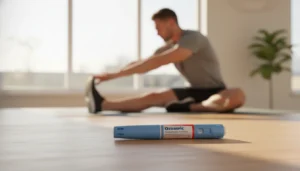
When most people talk about this medication, they are referring to the pre-filled, multidose injection pen. This device is designed for subcutaneous injection, which means the medication is delivered into the fatty tissue just under the skin. It is not injected into a muscle or a vein. This delivery method is chosen because semaglutide, a glucagon-like peptide-1 (GLP-1) receptor agonist, is a large molecule that can be difficult for the digestive system to absorb efficiently in its raw form.
The pen is engineered to be user-friendly, even for those who have never administered a self-injection. Each pen contains several doses, and the user attaches a small, disposable needle for each weekly use. The pen features a dose-selector dial that allows the user to click through to their specific prescribed amount.
For a broader explanation of how Ozempic® compares with oral semaglutide, read this guide to whether Ozempic® is an injection or a pill.
Understanding the Different Pen Colors
Because the dosage of Ozempic® is typically increased gradually to help the body adjust, the manufacturer uses color-coded labels to help patients and providers identify the correct pen.
- Red Label Pen: This is often the “starter” pen. It typically contains enough medication to deliver four doses of 0.25 mg (the initial dose) and two doses of 0.5 mg, or four doses of 0.5 mg.
- Blue Label Pen: This pen is used for maintenance and is designed to deliver a 1 mg dose once per week for four weeks.
- Yellow Label Pen: This is the highest dose pen available for this specific brand, delivering a 2 mg dose once per week for four weeks.
Quick Answer: Currently, the branded medication Ozempic® is only available in the United States as a pre-filled, multi-dose injectable pen. However, the active ingredient, semaglutide, is available in other formats under different brand names or through compounding pharmacies.
Are There Branded Oral Alternatives?
If you are looking for a branded version of semaglutide that does not require a needle, you may have heard of Rybelsus®. While Ozempic® and Rybelsus® contain the same active ingredient, they are approved for different uses and have different dosing schedules.
Rybelsus® is an oral tablet that is taken once daily. Because the stomach is a harsh environment for GLP-1 medications, the tablet is formulated with an absorption enhancer called SNAC (salcaprozate sodium). This helps the semaglutide survive the stomach acid and enter the bloodstream. To ensure the medication works correctly, it must be taken on an empty stomach first thing in the morning with no more than four ounces of plain water, and the user must wait at least 30 minutes before eating or drinking anything else.
The Future of Branded Tablets
The medical landscape is constantly evolving. Recent clinical developments have led to the approval of a new oral version specifically branded under the Ozempic® name. These tablets, which received FDA approval in early 2026, are expected to be available in the latter half of the year. This transition reflects the growing demand for needle-free options for individuals managing type 2 diabetes and those seeking weight management support.
Compounded Semaglutide: Injectable and Oral Options
For many individuals, the choice between a pen and a pill comes down to accessibility and personalization. This is where TrimRx plays a vital role. We connect patients with licensed healthcare providers who can determine if compounded medications are a suitable path for their specific health profile.
Compounded Semaglutide is a customized medication prepared by a pharmacist in an FDA-registered, inspected compounding pharmacy. These pharmacies can create medications in various formats that may not be available from large pharmaceutical manufacturers.
Compounded Injectables
Unlike the branded pre-filled pens, compounded injectables are often provided in a multidose vial. Instead of clicking a dial on a pen, the patient uses a traditional, very thin insulin syringe to draw the exact dose prescribed by their doctor. Some people prefer this method because it allows for more precise dose adjustments if they are experiencing side effects at a standard dose.
Compounded Oral Semaglutide
Through our platform, patients may also have access to Oral Semaglutide. These are often formulated as sublingual tablets or “troches” that dissolve under the tongue. This delivery method bypasses the digestive system’s harsh acids by absorbing the medication through the mucous membranes in the mouth. This can be a significant advantage for those who struggle with the strict fasting requirements of the traditional daily pill or those who have a strong aversion to needles.
Note: Compounded Semaglutide and Oral Semaglutide are prepared in FDA-registered pharmacies, but these specific compounded formulations are not FDA-approved. Branded medications like Ozempic® and Rybelsus® are FDA-approved for their specific indications.
Comparing the Injection and the Pill
Choosing the right format involves looking at your daily habits, your comfort with self-treatment, and how your body responds to the medication. Both delivery methods have distinct pros and cons that you should discuss with a healthcare professional.
The Weekly Injection
- Convenience: You only have to remember it once every seven days.
- Bioavailability: Because it goes directly into the fatty tissue, a higher percentage of the medication reaches the bloodstream compared to the oral route.
- Needle Use: While the needles are very small (comparable to a hair), it still requires an injection.
The Daily Oral Route
- Needle-Free: This is the primary benefit for those with a phobia of injections.
- Daily Routine: For some, taking a pill every morning is easier to remember than a weekly task.
- Strict Requirements: The oral format requires a very specific morning routine involving fasting and limited water, which can be difficult for some lifestyles.
| Feature | Injectable Pen/Vial | Oral Tablet/Troche |
|---|---|---|
| Frequency | Once Weekly | Once Daily |
| Absorption | Very High | Lower (requires higher dose) |
| Ease of Use | Requires injection | Swallowed or dissolved |
| Storage | Usually refrigerated | Room temperature |
Why the Delivery Method Matters
The way a medication enters your body affects its “bioavailability.” Bioavailability is a scientific term that describes the proportion of a drug that enters the circulation and is able to have an active effect.
When you inject semaglutide, nearly 100% of the dose is absorbed. When you take it orally, only a tiny fraction (often less than 1%) actually makes it into your system. This is why oral doses are significantly higher in milligrams than injectable doses. For example, a common injectable maintenance dose might be 1 mg or 2 mg per week, while an oral dose might be 7 mg or 14 mg every single day.
For an individual with a BMI over 30 who has a history of gastrointestinal issues, a healthcare provider might suggest the injectable route to bypass the stomach entirely. Conversely, for someone who travels frequently and cannot easily keep a pen refrigerated, a daily oral format might be the more sustainable choice.
The Role of Personalized Programs
At TrimRx, we do not believe in a “one-size-fits-all” approach to weight loss. The reason we offer a free assessment quiz is to gather the necessary data to help a licensed provider recommend the most effective delivery method for you.
When you join a personalized program, you are not just getting a prescription. You are getting a comprehensive support system. This includes:
- Doctor Consultations: Professional guidance to help you choose between injectable or oral formats.
- Specialized Support: Access to experts who can help you manage the transition to GLP-1 medications.
- Supplemental Care: We offer products like GLP-1 Daily Support, which is designed to help manage common side effects like occasional nausea or digestive changes that can occur regardless of whether you use a pen or a pill.
If you want to discuss your preferences with a licensed provider, take the free assessment quiz.
How to Manage Needle Anxiety
If you and your provider decide that the injectable route (whether via the branded pen or a compounded vial) is the best path for your metabolic health, but you are nervous about the needle, there are several strategies to make the process easier.
- Temperature Matters: Allowing the medication to reach room temperature for about 30 minutes before injecting can make the sensation more comfortable.
- Location Swapping: You can inject into the abdomen, the thigh, or the back of the upper arm. Rotating these sites every week helps prevent the skin from becoming tough or irritated.
- Numbing the Area: Applying an ice pack to the injection site for a minute before you start can dull the sensation significantly.
- Focus on the Goal: Remember that the needle is exceptionally thin—much thinner than the needles used for blood draws or vaccinations. Most people find that the “pinch” is much milder than they anticipated.
Key Takeaway: The delivery method is a tool, not a barrier. Whether you choose a weekly injection or a daily oral format, the goal is to consistently support your body’s natural GLP-1 pathways to help regulate appetite and support weight loss.
Common Side Effects Across All Formats
Regardless of whether the medication comes in a pen or a pill, the way it works in your body remains the same. By mimicking the GLP-1 hormone, it slows down stomach emptying and signals to your brain that you are full. This change in digestion can lead to some initial side effects as your body adjusts.
Common side effects include:
- Nausea
- Vomiting
- Diarrhea
- Constipation
- Stomach pain
These are usually most noticeable when you first start the medication or when your dose is increased. Most symptoms are mild and tend to fade over time. To help manage these, we recommend staying hydrated and eating smaller, more frequent meals. For more information, read this guide to the most common side effects of semaglutide.
If side effects become bothersome, products like our Weight Loss Boost supplement can be integrated into your routine to support energy levels and metabolic health during your transition.
Storage and Handling Requirements
The delivery format also dictates how you must handle and store your medication. This is a critical factor for anyone considering these treatments, especially if you have a busy lifestyle or travel often.
Storing Injectable Pens
Unused branded pens should be kept in the refrigerator. Once a pen is in use, it can typically stay at room temperature (between 59°F and 86°F) for up to 56 days. However, it must be kept away from extreme heat and direct sunlight. You should never freeze these medications, as freezing destroys the protein structure of the drug, making it ineffective.
Storing Compounded Vials and Oral Forms
Compounded injectables in vials usually require constant refrigeration to maintain their stability and sterility. Oral formats, such as tablets or sublingual troches, are generally much more shelf-stable and can be kept at room temperature in a cool, dry place. This makes the oral route particularly appealing for people who do not want to worry about “cold-chain” logistics while on the go.
For additional information about medication handling, review this article on Ozempic® expiration and storage.
Starting Your Journey with TrimRx
If you are still unsure whether a pen or a pill is right for you, the best next step is to undergo a clinical evaluation. Our platform is designed to make this process as transparent and stress-free as possible.
The process is straightforward:
- Step 1: Take the Quiz. This free assessment helps us understand your medical history, your goals, and your preferences regarding medication delivery.
- Step 2: Provider Review. A licensed healthcare provider reviews your information to determine if you are eligible for a GLP-1 program.
- Step 3: Personalized Treatment. If approved, the provider will discuss the best format for you—whether that is a branded pen or a compounded alternative.
- Step 4: Ongoing Support. Once you start, you have 24/7 access to our team to help you through every milestone.
Begin by finding out if a personalized GLP-1 program may be right for you.
The Bottom Line on Medication Formats
While Ozempic® currently only comes in a pen, the world of metabolic health is broad. You have choices. You are not forced into a single delivery method if it does not fit your life. Whether you prioritize the high bioavailability of a weekly injection or the needle-free convenience of a daily oral treatment, the focus should remain on long-term, sustainable health.
Our mission is to help you navigate these choices with science and empathy. We provide the tools, the professional oversight, and the high-quality medications needed to help you reclaim your health on your own terms.
Bottom line: While the Ozempic® brand is synonymous with its injectable pen, the active medication semaglutide is available in oral and compounded formats, allowing you to choose a treatment path that aligns with your comfort and lifestyle.
FAQ
Can I get Ozempic® in pill form?
Currently, the branded medication Ozempic® is only available as an injectable pen. However, the same active ingredient, semaglutide, is available as an FDA-approved daily pill called Rybelsus®. Additionally, our platform can connect you with providers who may prescribe oral compounded semaglutide if it is appropriate for your health needs. You can complete a free assessment to discuss available options.
Is the oral version of semaglutide as effective as the injection?
Clinical studies show that both formats are effective for weight management and blood sugar control when taken as directed. However, because the body absorbs oral medication less efficiently, the daily oral dose is much higher than the weekly injectable dose. A licensed healthcare provider can help you decide which format is more likely to help you reach your specific goals.
Do I have to use a needle if I join the TrimRx program?
No, you do not necessarily have to use a needle. While many of our participants use injectable compounded semaglutide, we also offer access to oral semaglutide options for those who prefer a needle-free approach. Your eligibility for different formats will be determined by a healthcare provider during your initial assessment.
What should I do if I am afraid of needles but want the best results?
Many people find that their fear of needles decreases once they see how small and painless the modern injection devices are. However, if the anxiety is a barrier to staying consistent with your treatment, an oral format may actually produce better results for you because you will be more likely to stick with it. Consistency is the most important factor in long-term weight loss success.
Disclaimer: This content is for informational purposes only and does not constitute medical advice. It is not intended to diagnose, treat, cure, or prevent any disease or condition. Individual results may vary. Always consult a qualified healthcare professional before starting any weight loss program or medication.

Transforming Lives, One Step at a Time
Keep reading
Want to Stop Ozempic but Your Provider Says Stay? How to Discuss It
Lead with your actual reason, because the conversation usually goes wrong when you argue about the evidence instead. Your provider is not wrong about…

Regained Weight After Stopping Ozempic? Don’t Restart at Your Old Dose
No. Whatever else you do, do not pick up where you left off. Tolerance to a GLP-1 is not assumed to persist through a…

Eating Less Than Ever on Ozempic but the Scale Won’t Move
Whatever else is true here, the answer is not to eat less. That needs saying first, because it is the direction this situation pushes…


