Is Ozempic Pen Reusable? What You Need to Know
Introduction
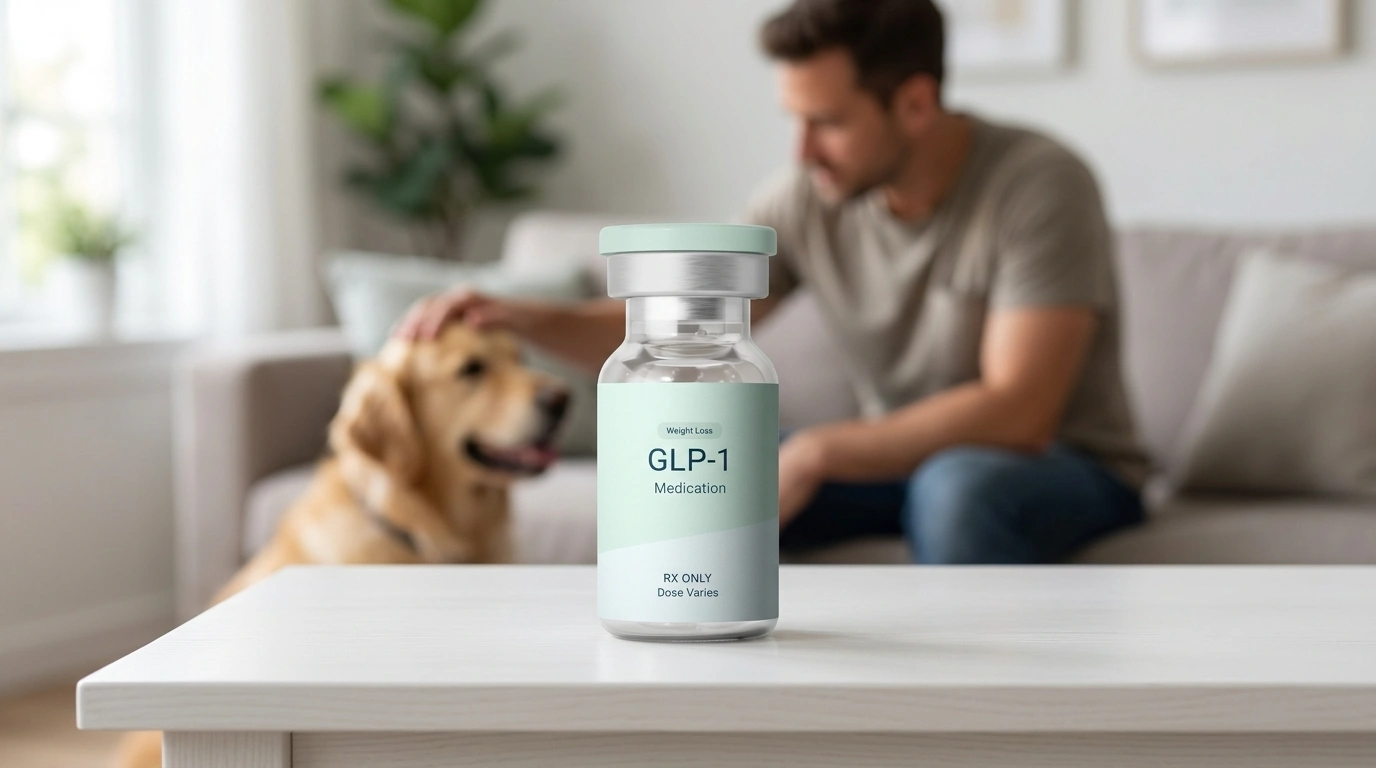
Starting a new medication can feel like a significant adjustment, especially when it involves a delivery system like an injection pen. Many people beginning their journey with Ozempic® (semaglutide) or similar GLP-1 medications are often curious about the mechanics of the device itself. You might find yourself wondering if the pen is designed for one-time use, how many doses are tucked inside, or if you can reuse the needles provided. At TrimRx, we understand that these practical questions are just as important as the clinical ones when it comes to feeling confident in your health journey. If you’re still figuring out whether prescription GLP-1 treatment is the right fit, you can take the free assessment quiz to see what path makes sense for you.
In this article, we will clarify exactly how the Ozempic® pen is designed to be used, the critical safety differences between the pen and the needles, and how to manage your supply effectively. Understanding these nuances ensures that your treatment remains safe, sterile, and effective. The Ozempic® pen is a multi-dose device intended for repeated use by a single patient until the medication is gone, but the needles must be replaced after every single injection.
Quick Answer: The Ozempic® pen itself is a multi-dose device designed to be used for several weeks until it is empty or reaches its 56-day expiration. However, the disposable needles are strictly single-use and must be replaced with a fresh, sterile needle for every injection.
Understanding the Multi-Dose Design
To answer whether the pen is “reusable,” we have to distinguish between the pen body and the needle. The pen is a pre-filled, multi-dose delivery system. This means it is designed to hold enough medication for several weeks of treatment, depending on your specific prescription.
When you receive a pen, it contains a reservoir of semaglutide. Semaglutide is a GLP-1 (glucagon-like peptide-1) receptor agonist, a class of medication that mimics a natural hormone in your body to help regulate blood sugar and support weight management. For a broader overview of the hormone itself, this GLP-1 explainer is a helpful companion read. Because the pen is meant to stay with you for a month or more, the device is “reusable” in the sense that you do not throw the whole pen away after the first shot.
The Distinction Between Pen and Needle
It is helpful to think of the pen like a fountain pen and the needles like disposable ink nibs. While you keep the “body” of the pen for multiple uses, the part that actually touches your skin and enters your body—the needle—must never be reused.
- The Pen Body: Contains the medication and the mechanical dial. It is used until the medication is finished.
- The Needle: A thin, sterile attachment that is screwed onto the pen for a single injection and then immediately discarded in a sharps container.
Why You Cannot Reuse Needles
The temptation to reuse a needle might stem from convenience or a desire to save supplies, but the risks far outweigh any perceived benefit. Once a needle has been used, it is no longer sterile. Even microscopic amounts of bacteria from your skin can contaminate the needle. If that needle is used again, those bacteria can be pushed deep under the skin, leading to infections or abscesses.
Furthermore, these needles are incredibly fine and engineered for a single “poke.” After one use, the tip of the needle can become dull or even develop a microscopic “hook” or barb. Reusing a dull needle makes the injection significantly more painful and can cause unnecessary bruising or tissue damage at the injection site.
How Many Doses Are in One Pen?
The number of times you will “reuse” your pen body depends on the specific pen your healthcare provider has prescribed. Branded medications like Ozempic® come in several different pen configurations, each designed for a specific dosage level.
Standard Pen Variations
The manufacturer produces different colored pens to help patients and providers identify the correct strength.
- The 2 mg Pen: This is typically used for the “starting” doses. It usually delivers four doses of 0.25 mg (the introductory dose) followed by two doses of 0.5 mg, or four doses of 0.5 mg.
- The 4 mg Pen: This pen is designed to deliver four doses of 1 mg each.
- The 8 mg Pen: This pen is designed to deliver four doses of 2 mg each.
In most cases, a single pen is designed to last for four weeks of treatment. This aligns with the standard weekly injection schedule for GLP-1 medications. If you want more context on how GLP-1 therapy fits into a treatment plan, what GLP-1 treatment looks like in practice can help you understand the bigger picture. If you are participating in a personalized program, your provider will ensure your supply matches your specific titration schedule—the process of slowly increasing your dose to help your body adjust.
How to Know When the Pen is Empty
A common point of confusion is looking at the pen and seeing liquid still inside even after you have completed your four doses. This is known as “overfill.” The manufacturer includes a small amount of extra medication to ensure that the device can be “primed” (a flow check to remove air bubbles) and that the final dose is full and accurate.
Key Takeaway: You should only use the pen for the number of doses prescribed by your doctor. Do not attempt to “harvest” the overfill liquid using a separate syringe, as this can lead to inaccurate dosing and contamination.
To verify if your pen is empty, turn the dose selector dial. If the dial stops before it reaches your prescribed dose, there is not enough medication left for a full injection. At this point, the pen should be disposed of, and a new one should be started.
The 56-Day Safety Rule
Even if there is medication left in your pen, there is a strict “use-by” clock that starts the moment you take your first dose. Once an Ozempic® pen is used for the first time, it is officially “open.”
According to clinical guidelines, an opened pen is safe to use for up to 56 days (8 weeks). After this window, the medication may begin to lose its potency, or the preservatives in the solution may no longer be effective at keeping the liquid sterile.
Why the 56-Day Rule Matters
- Stability: Semaglutide is a protein-based medication. Over time, exposure to air and varying temperatures can cause the protein to break down.
- Sterility: Every time a needle is attached, there is a minute risk of environmental contaminants entering the cartridge. The 56-day limit is a safety buffer to ensure you aren’t injecting compromised medication.
If you have a pen that has been sitting in your drawer or refrigerator for more than 8 weeks since its first use, you must dispose of it, even if the expiration date on the box has not yet passed. The date on the box refers to the unopened shelf life; the 56-day rule refers to the opened life.
Proper Storage for Your Reusable Pen
To get the most out of your multi-dose pen, proper storage is non-negotiable. Medications like semaglutide and tirzepatide are sensitive to light and extreme temperatures. For a related step-by-step overview, your guide to semaglutide injections covers the practical side of using these medications safely.
Before the First Use
Unopened pens should always be stored in the refrigerator. The ideal temperature range is between 36°F and 46°F (2°C to 8°C). Keep them in their original cardboard packaging to protect the liquid from light. Never store your pens in the freezer or near the cooling element of the fridge, as freezing destroys the medication. If a pen accidentally freezes, it must be thrown away.
After the First Use
Once you have used the pen for the first time, you have more flexibility. You can continue to keep the “in-use” pen in the refrigerator, or you can store it at room temperature (up to 86°F or 30°C). Many people find that injecting room-temperature medication is more comfortable than injecting cold liquid.
Note: Regardless of where you store the opened pen, always remove the needle immediately after your injection and replace the pen cap. Storing the pen with a needle attached can lead to medication leakage or air bubbles entering the cartridge.
Navigating Your Weight Loss Program
At TrimRx, we focus on providing a telehealth-first experience that removes the traditional barriers to metabolic health support. When you join our program, we connect you with licensed healthcare providers who evaluate your medical history and health goals to determine the most appropriate treatment path. If you’re ready to move from reading to action, complete the free assessment quiz to review your eligibility.
Our personalized programs often utilize compounded medications, such as Compounded Semaglutide or Compounded Tirzepatide. It is important to understand the difference between these and branded products like Ozempic® or Mounjaro®.
Compounded vs. Branded Medications
Branded medications like Ozempic®, Wegovy®, Mounjaro®, and Zepbound® are FDA-approved products manufactured by specific pharmaceutical companies. While we do not ship these branded products directly, our providers can write prescriptions for them to be filled at your local pharmacy.
Compounded medications, on the other hand, are prepared by specialized, FDA-registered and inspected compounding pharmacies. These are often used when a patient needs a specific dosage not commercially available or when there are supply shortages.
Important: Compounded Semaglutide and Compounded Tirzepatide are not FDA-approved. However, they are prepared in high-quality facilities that follow strict safety and quality standards to ensure you receive a reliable product.
Whether you are using a branded multi-dose pen or a compounded version (which may come in a vial with separate syringes), our team is available 24/7 to help you understand how to use your medication safely.
Step-by-Step: Using Your Multi-Dose Pen Correctly
To ensure you are using your pen in a way that is safe and maximizes its “reusable” lifespan, follow these steps for every weekly dose.
Step 1: Check your supplies. Ensure the liquid in the pen is clear and colorless. If it looks cloudy, contains particles, or has changed color, do not use it. Check the label to confirm it is the correct medication and dose.
Step 2: Attach a fresh needle. Take a new, sterile needle and remove the paper tab. Push the needle straight onto the pen and turn until it is tight. Pull off the outer needle cap and the inner needle cap. Do not throw away the outer cap; you will need it to safely remove the needle later.
Step 3: Perform a flow check (new pens only). If this is the very first time you are using a specific pen, you must check the flow. Turn the dose selector to the flow check symbol (usually a small line or droplet). Press and hold the dose button until the counter returns to 0. A drop of liquid should appear at the needle tip.
Step 4: Select your dose. Turn the selector until your prescribed dose (e.g., 0.5 mg) is shown in the dose counter window.
Step 5: Inject the medication. Clean the injection site (stomach, thigh, or upper arm) with an alcohol swab. Insert the needle into your skin. Press and hold the dose button. Keep the needle in your skin until the dose counter reaches 0, and then count slowly to six to ensure the full dose has been delivered.
Step 6: Remove and discard the needle. Carefully put the outer needle cap back on and unscrew the needle. Dispose of it in a puncture-resistant sharps container. Put the pen cap back on the pen and store it safely.
Managing Common Concerns and Troubleshooting
Using a multi-dose pen for the first time can lead to a few “what if” scenarios. Here is how to handle common issues with your reusable device.
What if I Forget to Change the Needle?
If you realize you have accidentally used a needle twice, do not panic, but do not make it a habit. Monitor the injection site for redness, warmth, swelling, or pain, which could indicate a skin infection. If you notice these symptoms, contact your healthcare provider. Always double-check that you have a fresh needle before every dose.
What if the Pen is Left Out of the Fridge?
If your unopened pen was left out of the refrigerator, its shelf life has likely been reduced. If the temperature remained below 86°F, it is generally safe to use for up to 56 days, just like an opened pen. If the pen was exposed to extreme heat (like a hot car), it should be discarded.
What if I Miss a Dose?
If you miss a dose of your medication, the general rule is to take it as soon as you remember, provided the next scheduled dose is more than 2 days away. If it is less than 48 hours until your next dose, skip the missed one and resume your normal schedule. Never “double up” doses to make up for a missed one.
The Importance of Medical Supervision
While the mechanics of using an injection pen are straightforward once you learn them, weight loss is a complex biological process. It isn’t just about the medication; it is about how that medication fits into your broader lifestyle. For more on how GLP-1s can affect appetite and overall health, this overview of GLP-1s is a useful read.
This is why TrimRx emphasizes a comprehensive approach. We don’t just provide access to medication; we provide a platform for continuous support. Our specialists are here to help you manage side effects, adjust your plan as your body changes, and ensure you are meeting your nutritional needs.
Nutrient Support During Treatment
GLP-1 medications work by slowing down digestion and signaling your brain that you are full. While this is highly effective for weight loss, it can sometimes lead to decreased intake of essential vitamins and minerals. To support your body during this transition, we offer supplements like GLP-1 Daily Support and Weight Loss Boost.
These supplements are designed to complement your prescription program by:
- Supporting digestive comfort.
- Providing essential nutrients that might be lacking due to reduced appetite.
- Helping maintain energy levels as your metabolism shifts.
Unlike the prescription program, these supplements do not require a medical assessment and can be purchased directly to support your wellness routine.
Safety and Sharing: A Critical Warning
It is a absolute rule of metabolic health: Never share your Ozempic® pen with anyone else.
Even if you change the needle, sharing the pen body is dangerous. Microscopic amounts of blood or fluid can sometimes be drawn back into the medication reservoir after an injection. Sharing a pen can transmit serious bloodborne diseases, including hepatitis and HIV. Your pen is a personal medical device, and its safety is only guaranteed when used by a single individual.
Bottom line: The pen is multi-dose for you, but it is single-user only. Always keep your medication secure and away from children or other household members.
Conclusion
The Ozempic® pen is a sophisticated, “reusable” tool designed to make your weight loss journey as convenient as possible. By holding multiple doses in one device, it reduces waste and simplifies your weekly routine. However, the responsibility of using it safely lies in two key habits: always using a fresh, sterile needle and respecting the 56-day expiration window.
At TrimRx, our mission is to help you navigate these practical details with ease, providing the science-backed tools and empathetic support you need to achieve sustainable results. We believe that when you are equipped with the right knowledge and a personalized plan, you can stop “dieting” and start living a healthier, more balanced life.
If you are ready to see if a personalized weight loss program is right for your health goals, your journey starts with a simple step.
Next Step: Take our free online assessment quiz to review your eligibility for a medically supervised weight loss program tailored to your unique health profile.
FAQ
How many times can I use the same Ozempic pen?
A single Ozempic® pen is typically used for four to six injections, depending on the pen’s size and your specific dose. You should continue to use the same pen once a week until the medication is gone or until 56 days have passed since the first use. Always check the dose counter to ensure enough medication remains for a full dose before injecting.
Can I reuse the needles if I clean them with alcohol?
No, you must never reuse needles, even if you attempt to clean them. Alcohol can sanitize the surface, but it cannot reach the inside of the needle or fix the structural dulling that occurs after the first use. Reusing needles significantly increases your risk of infection, skin irritation, and painful injections.
Why is there liquid left in my pen after 4 doses?
Most pens contain a small amount of extra liquid known as “overfill” to ensure the device functions correctly and provides accurate dosing. This extra liquid is not intended for use and should not be drawn out with a syringe. Once you have completed your prescribed doses and the dial no longer turns to a full dose, the pen is considered empty and should be discarded.
Does the pen need to stay in the fridge after I start using it?
Once you have taken your first dose, you can choose to store the pen in the refrigerator or at room temperature (up to 86°F) for up to 56 days. Many people find room-temperature injections more comfortable. Regardless of storage location, always keep the pen cap on and store it away from direct heat and sunlight.
Disclaimer: This content is for informational purposes only and does not constitute medical advice. It is not intended to diagnose, treat, cure, or prevent any disease or condition. Individual results may vary. Always consult a qualified healthcare professional before starting any weight loss program or medication.

Transforming Lives, One Step at a Time
Keep reading
Want to Stop Ozempic but Your Provider Says Stay? How to Discuss It
Lead with your actual reason, because the conversation usually goes wrong when you argue about the evidence instead. Your provider is not wrong about…
Regained Weight After Stopping Ozempic? Don’t Restart at Your Old Dose
No. Whatever else you do, do not pick up where you left off. Tolerance to a GLP-1 is not assumed to persist through a…

Eating Less Than Ever on Ozempic but the Scale Won’t Move
Whatever else is true here, the answer is not to eat less. That needs saying first, because it is the direction this situation pushes…


