How Many Pens in a Carton of Ozempic? A Guide to Packaging
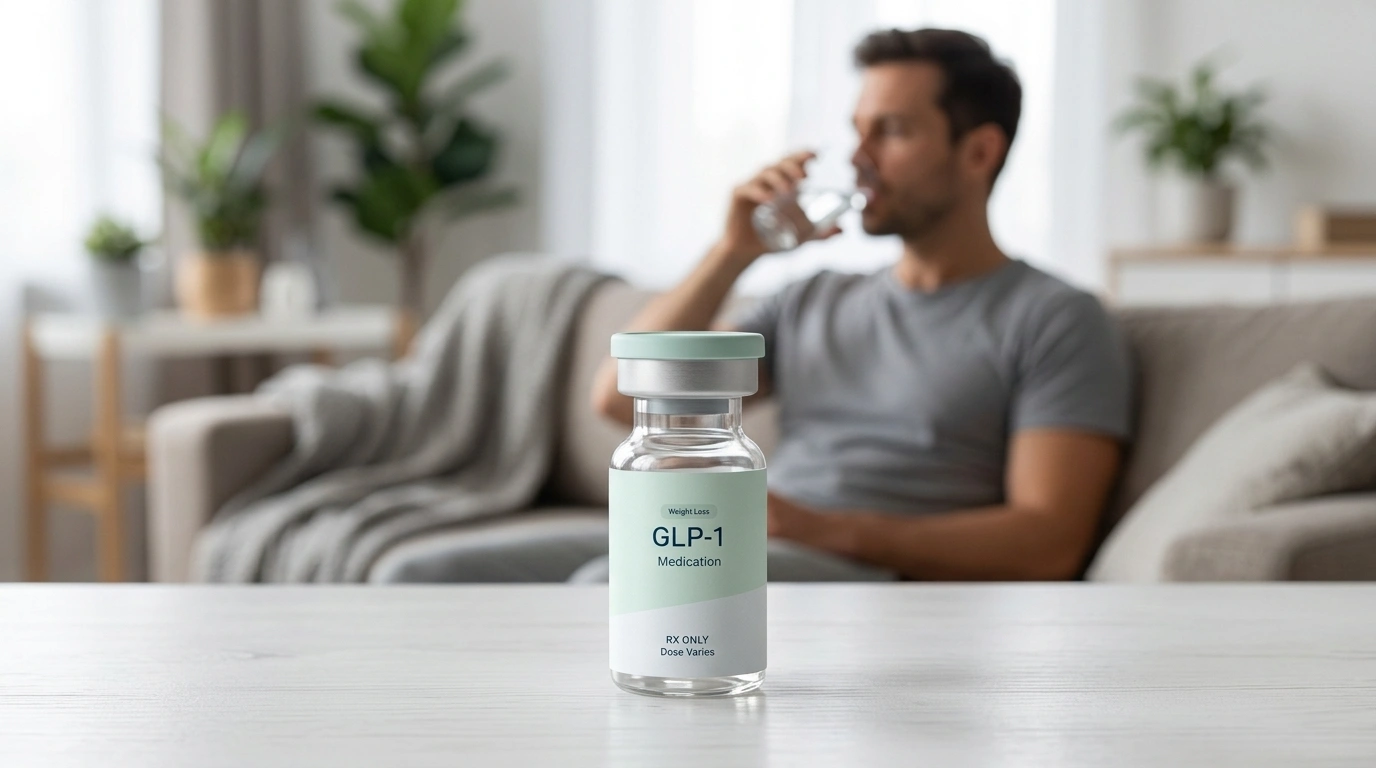
Introduction
Standing at the pharmacy counter or opening a delivery package for a new medication can often feel overwhelming. If you are starting a journey toward better metabolic health, you likely have questions about exactly what comes in the box. One of the most common questions we hear from individuals beginning their treatment is: how many pens in a carton of Ozempic? It is a logical question, especially since many other injectable medications come in packs of four or more single-use vials or syringes.
At TrimRx, we believe that clarity is the first step toward a successful health transformation. This article will break down exactly what you will find inside your medication carton, how long those supplies should last, and how the packaging differs depending on your specific dosage. We will also look at how our personalized programs help you navigate these logistics so you can focus on your progress. While most cartons contain just one pen, that single device is a sophisticated piece of technology designed to deliver multiple doses over several weeks. If you are considering a prescription program, you can complete a free eligibility assessment.
Quick Answer: A standard carton of Ozempic® contains exactly one pre-filled, multi-dose pen. Depending on the specific version prescribed, this single pen is designed to provide either four or six weekly injections, typically covering one full month of treatment.
Inside the Box: The Standard Ozempic Carton
When you receive a prescription for Ozempic® (a brand-name semaglutide medication), you might expect a box filled with various items. However, the packaging is surprisingly streamlined. Inside a standard carton, you will find one multi-dose injection pen, a specific number of disposable needles, and the official prescribing information and instructions for use. For a broader look at packaging and dose differences, read this guide to how many Ozempic pens come in a box.
The Multi-Dose Design
Unlike some other medications in the GLP-1 (glucagon-like peptide-1) receptor agonist class, this medication uses a multi-dose system. A GLP-1 receptor agonist is a type of medicine that mimics a natural hormone in your body to help regulate blood sugar and appetite. Instead of using a new syringe or a new pen every single week, you use the same pen for your entire dosing cycle for that month. You can also review this overview of how GLP-1 medications work in the body.
Included Needles
Because you reuse the pen, the carton includes a supply of disposable needles, typically NovoFine® Plus needles. It is vital to remember that while the pen is reused, the needle is not. You must use a fresh, sterile needle for every weekly injection to prevent infection and ensure the device functions correctly.
The Carton Variations
The “one pen per carton” rule applies to all the standard dosage strengths available in the United States. Whether you are on the starting dose or a higher maintenance dose, the box will contain a single pen. However, the amount of medication inside that pen and the number of needles provided will change based on the dose.
Breaking Down the Three Types of Pens
There is not just one type of Ozempic® pen. To ensure patients receive the correct amount of medication as they move through their treatment plan, the manufacturer has created three distinct pen configurations. Each is color-coded to help prevent dosing errors.
The Starter Pen (Red Label)
When you first begin a semaglutide regimen, you generally start with a lower dose to allow your body to adjust. This is often called the “initiation” or “titration” phase.
- Dosage: This pen is designed to deliver 0.25 mg or 0.5 mg doses.
- Total Medication: The pen contains a total of 2 mg of semaglutide.
- Usage Pattern: Most commonly, this pen is used for six weeks. An individual might take 0.25 mg once a week for four weeks, followed by 0.5 mg once a week for two weeks.
- Needle Count: Because this pen can last for six injections, the carton typically includes six disposable needles.
The 1 mg Maintenance Pen (Blue Label)
Once your body has adjusted to the medication, your healthcare provider may move you to a maintenance dose. For many, this is the 1 mg weekly dose.
- Dosage: This pen is set to deliver exactly 1 mg per injection.
- Total Medication: The pen contains 4 mg of semaglutide.
- Usage Pattern: This pen provides four weekly doses of 1 mg each.
- Needle Count: The carton includes four disposable needles, one for each week of the month.
The 2 mg Maintenance Pen (Yellow Label)
For individuals who require additional glycemic control or who have not reached their goals on lower doses, a 2 mg weekly dose may be prescribed.
- Dosage: This pen delivers a 2 mg dose per injection.
- Total Medication: The pen contains 8 mg of semaglutide.
- Usage Pattern: Like the 1 mg version, this pen lasts for four weeks.
- Needle Count: The carton includes four disposable needles.
| Pen Label Color | Total Medication in Pen | Dose per Injection | Number of Doses |
|---|---|---|---|
| Red | 2 mg | 0.25 mg or 0.5 mg | 6 (at 0.25/0.5 mix) or 4 (at 0.5) |
| Blue | 4 mg | 1 mg | 4 |
| Yellow | 8 mg | 2 mg | 4 |
How Long Does One Carton Last?
A single carton is almost always intended to be a one-month supply. While the starter pen (red label) can technically last for six weeks if you are following the standard 0.25 mg to 0.5 mg titration schedule, most insurance plans and pharmacy fulfillments treat one carton as a 28-day or 30-day supply.
The 56-Day Rule
It is important to understand the lifespan of the medication once the pen is in use. According to the manufacturer, once an Ozempic® pen is used for the first time, the medication is stable for 56 days. This is true whether you store the pen in the refrigerator or at controlled room temperature. For additional guidance, see this semaglutide storage and handling guide.
Why only one pen?
The reason there is only one pen per carton is primarily related to convenience and waste reduction. By using a multi-dose pen, the manufacturer reduces the amount of plastic and electronic waste compared to single-use injectors. It also allows the patient to carry just one device if they are traveling during the month.
Key Takeaway: While you only receive one pen per box, it is a multi-dose device designed to last for your entire monthly dosing cycle. Never attempt to “stretch” a pen beyond the 56-day limit or use it past its expiration date.
Understanding the Difference: Branded vs. Compounded Options
When exploring GLP-1 medications, you will likely encounter two main categories: branded medications and compounded medications. Understanding how these are packaged is essential for managing your expectations.
Branded Medications
Branded products like Ozempic®, Wegovy®, Mounjaro®, and Zepbound® are manufactured by specific pharmaceutical companies. These are the products that come in the “one pen per carton” (or four single-use pens per carton in the case of Wegovy® or Zepbound®) format described above. These specific branded pens are FDA-approved for their intended uses.
Compounded Semaglutide and Tirzepatide
Compounded medications are different. Compounded Semaglutide and Compounded Tirzepatide are not FDA-approved. They are prepared by licensed pharmacists in FDA-registered and inspected compounding pharmacies to meet the specific needs of an individual patient. For more information about storage differences, review this compounded semaglutide storage and shelf-life guide.
At TrimRx, we connect our patients with these high-quality compounding pharmacies. Because these medications are compounded, they do not come in the branded multi-dose pens mentioned earlier. Instead, they are often provided in glass vials with separate insulin syringes.
Why choose one over the other?
- Branded Pens: These are pre-filled and have a “click” dial to set the dose. They are highly convenient but are often subject to significant supply shortages.
- Compounded Vials: These require the patient to manually draw the medication into a syringe. While this requires an extra step, it often allows for more precise dose adjustments and offers a more consistent supply during national shortages of branded drugs.
Regardless of which path you and your healthcare provider choose, the goal remains the same: providing a steady, reliable supply of medication to support your metabolic health.
How to Tell When Your Pen is Empty
Since you are using the same pen for four to six weeks, you need to know when it is time to open a new carton. The pen features a dose counter window that shows you exactly how much medication you are about to inject.
The Dose Counter
When you turn the dose selector at the end of the pen, the numbers in the window will change. If you have a 1 mg pen, you turn the dial until it shows “1”. If the dial stops before reaching your prescribed dose, it means the pen does not have enough medication left for a full injection.
The Remaining Liquid
You may notice a small amount of liquid still visible in the clear window of the pen even after the dose counter indicates it is empty. This is normal. The pen is engineered to ensure that the final dose is full and accurate. The remaining droplets are simply a byproduct of the mechanical design and should be discarded with the pen.
What to do next:
- Check your dose counter before every injection.
- If the dial won’t turn to your full dose, do not use the remaining partial amount.
- Start a fresh pen from a new carton.
- Dispose of the empty pen in a sharps container.
Storage and Safety Requirements
To ensure the medication in your pen remains effective for the full month, proper storage is non-negotiable.
Before First Use
New, unused pens should be stored in the refrigerator. They should stay between 36°F and 46°F. Keep them in their original carton to protect the medication from light. As long as they stay refrigerated, they are safe to use until the expiration date printed on the box.
After First Use
Once you have taken your first dose, you have two options for storage:
- Continue keeping it in the refrigerator.
- Store it at room temperature (between 59°F and 86°F).
In either case, you must dispose of the pen 56 days after that first use. Always keep the pen cap on when you are not using it.
Important Safety Note:
Never freeze your medication. If a pen accidentally freezes—perhaps by being pushed to the very back of a cold refrigerator—it must be discarded. Freezing breaks down the protein structure of the semaglutide, making it ineffective and potentially unsafe.
Navigating the Telehealth Process with TrimRx
Understanding the logistics of pens and cartons is much easier when you have a dedicated team supporting you. We designed the TrimRx platform to remove the traditional barriers to medical weight loss, such as waiting rooms and confusing pharmacy interactions.
The Personalized Program
Our approach begins with a comprehensive, free health assessment quiz. This quiz allows a licensed healthcare provider to review your medical history, goals, and current health status. If you are a candidate for treatment, we provide a personalized program that includes more than just a prescription. Start with the free assessment process.
What Our Program Includes:
- Medical Consultation: No in-person visits are required. You connect with a provider online.
- Medication Access: We facilitate prescriptions for compounded medications or help you navigate branded options.
- Supplies and Shipping: For our compounded programs, all necessary supplies—including vials and syringes—are shipped directly to your door in discreet packaging.
- Ongoing Support: You have 24/7 access to our team to ask questions about dosing, side effects, or how to use your medication.
By centralizing these services, we ensure that you aren’t left wondering “how many pens” or “where are my needles.” We manage the logistics so you can focus on the lifestyle changes that lead to sustainable results.
Maximizing Your Results on GLP-1 Therapy
While the medication in the pen is a powerful tool, it works best when supported by a holistic approach to health. The goal of using semaglutide is to support the body’s natural pathways for regulating hunger and fullness.
Supportive Supplements
Some individuals find that adding targeted supplements can help manage the transition to GLP-1 therapy. For example, our GLP-1 Daily Support is designed to provide essential nutrients that may be helpful when your caloric intake decreases. Additionally, Weight Loss Boost supplement can be a helpful companion for those looking to optimize their metabolic rate alongside their prescription program.
The Importance of Protein and Hydration
When using medication that reduces appetite, it becomes critical to focus on the quality of the food you do eat. Prioritizing lean protein helps protect muscle mass during weight loss, while staying hydrated can help mitigate common side effects like mild nausea or constipation. For more nutrition guidance, explore this protein supplement guide for weight loss.
Consult Your Provider
Always discuss your supplement routine and dietary changes with your healthcare provider. They can help you determine the best schedule for your injections and how to manage any side effects you might experience as you move through different dose strengths.
How to Get Started
If you are ready to move past the confusion of traditional weight loss and explore a medically supervised, personalized program, the process is simple.
Step 1: Take the Assessment
Complete our free online health quiz. This provides the clinical background needed for a provider to evaluate your eligibility.
Step 2: Provider Review
A licensed healthcare professional will review your information. They will determine if a GLP-1 medication like semaglutide is appropriate for you.
Step 3: Personalized Plan
Once approved, you will receive your personalized treatment plan. There are no hidden fees or dosage-change penalties.
Step 4: Delivery and Support
Your medication and supplies are shipped directly to you. You begin your journey with the full support of our specialized team. Find out whether a personalized GLP-1 program may be right for you.
The TrimRx Mission
At TrimRx, our mission is to help individuals embrace healthier lifestyles through science, empathy, and transparency. We understand that the journey to sustainable weight loss is about more than just a number on a scale—it’s about how you feel, your energy levels, and your long-term metabolic health. By merging clinical expertise with modern technology, we provide a path that is as convenient as it is effective. We are here to guide you through every step, from the first “click” of your pen to the moment you reach your health goals.
Bottom line: A carton of Ozempic® contains one multi-dose pen and a corresponding set of needles, providing a complete monthly supply of medication.
FAQ
Is it possible to get a carton with more than one pen?
In the United States, the standard retail packaging for Ozempic® is one pen per carton. While your pharmacy might provide a “90-day supply,” this typically consists of three separate cartons bundled together, each containing one pen. Always check the labels on each box to ensure they match your prescribed dosage. For additional packaging details, review this Ozempic carton and dosing guide.
Why are there more needles than doses in the starter pen?
The starter pen (red label) often comes with six needles because it is designed to cover the transition from a 0.25 mg dose to a 0.5 mg dose. This period can span six weeks (four weeks at the lower dose and two weeks at the higher dose). Since you must use a new needle for every injection, the manufacturer includes enough for the full duration of the pen’s contents.
Can I reuse the needles provided in the carton?
No, you should never reuse a needle. Needles are designed for single use and become dull and non-sterile after one injection. Reusing a needle increases the risk of skin infections, injection site reactions, and blockages in the pen mechanism. Always dispose of the used needle in a sharps container immediately after use.
What should I do if my pen runs out before the end of the month?
If your pen runs out of medication before you have completed your scheduled doses, it may be because the pen was primed multiple times or the dose was set incorrectly. If the dose counter does not reach your full prescribed dose, do not inject a partial amount. Instead, contact your healthcare provider or pharmacist and start a new pen from a fresh carton.
Disclaimer: This content is for informational purposes only and does not constitute medical advice. It is not intended to diagnose, treat, cure, or prevent any disease or condition. Individual results may vary. Always consult a qualified healthcare professional before starting any weight loss program or medication.

Transforming Lives, One Step at a Time
Keep reading

Ozempic and Social Isolation: When Food Was How You Connected
This is a real cost of treatment and it does not get discussed much, partly because it sounds minor next to the medical benefits….
Can’t Comfort Eat on Ozempic and Don’t Feel Better? Why That Happens
Because the eating was doing a job, and removing your capacity to do it does not remove the need it was meeting. That is…
Food Noise Came Back on Ozempic? Whether It’s Your Dose or Your Stress
The pattern tells you more than the intensity does. Food noise that returns gradually over weeks and stays constant points toward the medication. Food…


