Can I Use Ozempic Pen After 56 Days? Safety and Stability Explained
Introduction
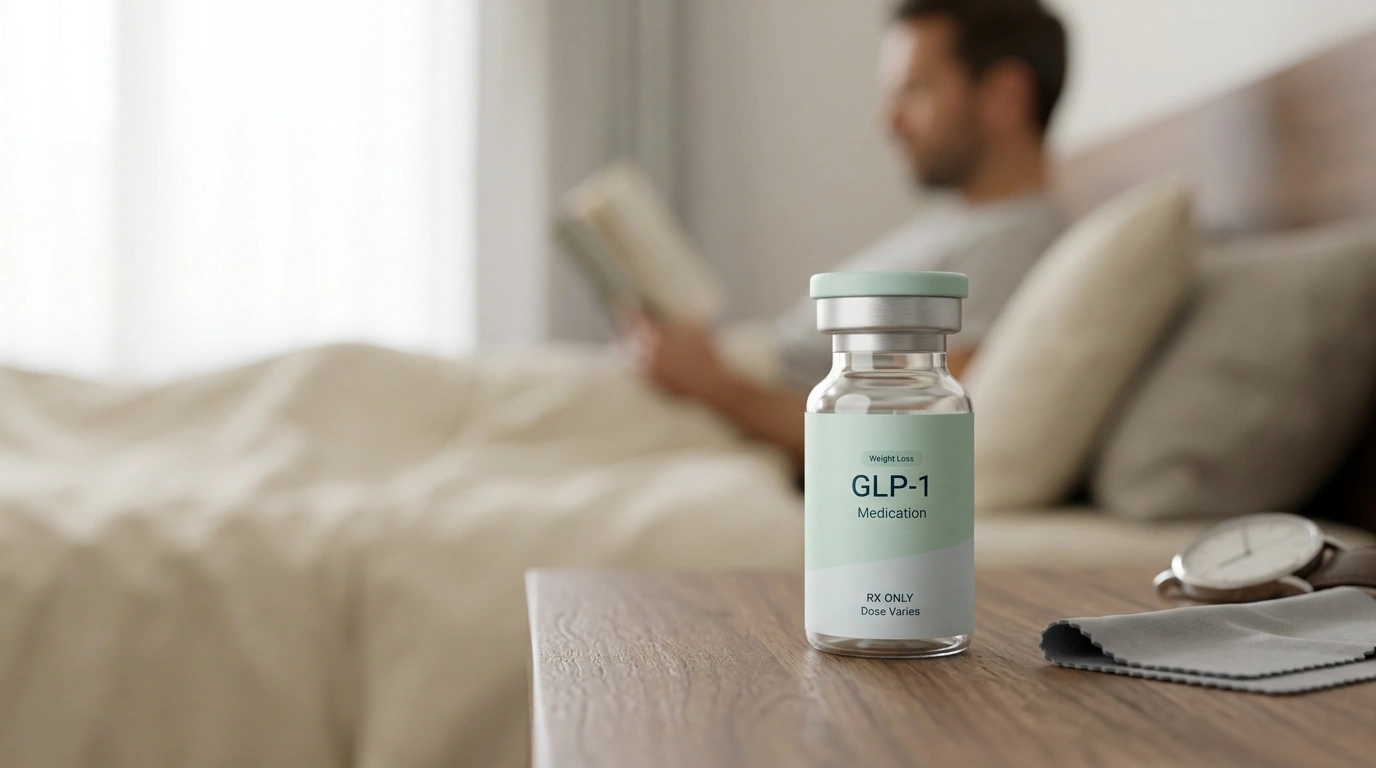
Finding a consistent supply of weight loss medication can feel like a full-time job. When you finally have your pen in hand, every drop of the medication feels valuable. You might find yourself looking at a pen that has been sitting in your drawer or refrigerator for a couple of months and wondering if it is still okay to use. Specifically, many people ask: can I use Ozempic pen after 56 days?
At TrimRx, we understand that navigating the technical rules of GLP-1 medications can be confusing and stressful. This article explains the clinical reasons behind the 56-day rule, the risks of using expired medication, and how to ensure your treatment remains safe and effective. We will cover the science of peptide stability and provide clear steps for managing your supply. Proper storage and timing are essential for your safety and for achieving the best possible results on your weight loss journey. For additional guidance, review this Ozempic expiration and shelf-life guide.
Quick Answer: No, you should not use an Ozempic® pen more than 56 days after its first use. After this window, the medication may lose its potency or become contaminated with bacteria, making it both less effective and potentially unsafe.
The 56-Day Rule for Ozempic Explained
The 56-day rule is a specific safety and efficacy guideline established by the manufacturer, Novo Nordisk. This timeline begins the very first day you use the pen to deliver a dose. Even if there is still liquid visible in the glass reservoir after 56 days, the pen is considered expired and should be discarded.
Semaglutide, the active ingredient in Ozempic®, is a GLP-1 receptor agonist. A GLP-1 (glucagon-like peptide-1) receptor agonist is a type of medication that mimics a natural hormone in your body. This hormone tells your brain you are full and helps your pancreas manage blood sugar levels. Because semaglutide is a protein-based peptide, it is delicate. Over time, the chemical structure of this protein begins to break down, a process known as degradation. This guide to how GLP-1 medications work provides broader treatment context.
The 56-day limit is not an arbitrary number. It is the period during which the manufacturer has proven the medication remains stable and sterile under recommended storage conditions. Once you puncture the rubber stopper with a needle for the first time, you introduce the possibility of air and environmental contaminants entering the pen.
Why Does the Medication Expire After Opening?
It is common to see two different dates on your medication. The first is the expiration date printed on the box by the manufacturer. This date applies to unopened pens that have been kept continuously in the refrigerator. The second date is the “in-use” expiration, which is exactly 56 days after the first injection.
There are two primary reasons why the 56-day window is strictly enforced: chemical potency and microbial safety. This detailed Ozempic storage and handling guide explains how temperature and handling affect an in-use pen.
Loss of Chemical Potency
As a peptide, semaglutide stays effective only as long as its molecular shape remains intact. Exposure to light, varying temperatures, and time causes the peptide bonds to weaken. If the medication degrades, the “message” it sends to your brain and digestive system becomes muffled.
If you use a pen after 56 days, you may find that your appetite returns or your blood sugar levels become harder to manage. This is often because the concentration of active semaglutide has dropped below the therapeutic level required for your body to respond.
Risk of Bacterial Growth
Every time you attach a new needle and perform an injection, the internal environment of the pen is exposed. While the medication contains preservatives designed to keep the liquid sterile, these preservatives only work for a limited time. After 56 days, the preservatives may no longer be strong enough to prevent the growth of bacteria or fungi within the reservoir. Injecting contaminated medication can lead to serious infections at the injection site or systemic illness.
Proper Storage for Your Medication
To ensure your medication lasts the full 56 days, you must follow specific storage protocols. The rules change depending on whether the pen is “new” (unopened) or “in-use” (opened).
Unopened Pens
Unused pens should always be stored in the refrigerator. The ideal temperature range is between 36°F and 46°F (2°C to 8°C). Keeping the medication cold before its first use preserves the peptide structure for as long as possible. You should never store the pens in the freezer or near the cooling element of the fridge. If the liquid inside the pen freezes, the medication is destroyed and must be thrown away, even if it thaws later.
Opened (In-Use) Pens
Once you have taken your first dose, you have more flexibility, but the 56-day clock starts immediately. You can choose to keep the pen in the refrigerator or store it at room temperature.
If you choose room temperature storage, the pen must stay below 86°F (30°C). It should be kept in a cool, dry place away from direct sunlight, such as a kitchen cabinet or a bedside drawer. Many people find that room-temperature injections are more comfortable than cold injections, which can sometimes sting. For practical instructions, see this complete guide to using and storing an Ozempic pen.
Key Takeaway: Whether you store your opened pen in the fridge or on the counter, the 56-day limit remains the same. Keeping it cold does not extend the life of an opened pen beyond that eight-week window.
How to Tell if Your Medication Has Spoiled
Even if you are within the 56-day window, you should inspect your pen before every single dose. The liquid inside the Ozempic® pen should always be clear and colorless. This is a primary indicator of the medication’s integrity.
Do not use the pen if you notice any of the following:
- The liquid looks cloudy or milky.
- There are visible particles or “flakes” floating in the solution.
- The liquid has changed color, such as appearing slightly yellow or brown.
- The pen was accidentally left in a hot car or in direct sunlight for an extended period.
If the medication looks different than usual, it is a sign that the proteins have clumped together or that bacteria may be present. In these cases, it is safer to discard the pen and start a new one.
Managing Your Supply with TrimRx
At TrimRx, we believe that successful weight loss requires more than just a prescription. It requires a support system that helps you manage the logistics of your treatment. Our personalized programs are designed to take the guesswork out of your journey.
When you join our platform, you gain access to a dedicated team of specialists who can help you understand your dosing schedule and storage requirements. Because we provide a telehealth-first experience, you can get answers to your questions about medication safety 24/7 without needing to visit a doctor’s office. If you are considering prescription treatment, you can complete a free eligibility assessment.
Our programs focus on clinical safety and transparency. Whether you are using a branded medication like Ozempic® or a compounded semaglutide option, we ensure you have the information needed to stay compliant with safety standards.
Note: Compounded semaglutide is prepared in FDA-registered and inspected compounding pharmacies. While these medications are not FDA-approved themselves, they provide a vital alternative for patients, and our platform connects you with licensed providers who can determine if this is the right path for you.
Risks of Using Expired Medication
Using a pen after the 56-day mark is a gamble that rarely pays off. For many individuals, the motivation to use the “last bit” of medication comes from the effort required to get a refill. However, the potential downsides are significant.
1. Ineffective Treatment
The most common result of using expired semaglutide is a stall in progress. If the medication has lost its potency, your appetite suppression will fade. This can lead to frustration and a feeling that the “medication stopped working,” when in reality, the medication was simply past its shelf life.
2. Gastrointestinal Distress
Expired medications can sometimes cause increased side effects. While nausea and upset stomach are common with GLP-1s, injecting a degraded peptide may trigger more severe reactions as the body tries to process the broken-down proteins.
3. Injection Site Infections
As mentioned previously, the breakdown of preservatives is a major concern. Injecting bacteria directly under the skin can cause redness, swelling, pain, and abscesses. If you notice a “hot” or spreading red area at your injection site after using an old pen, you should consult a healthcare provider immediately.
Myth: “If I keep the pen in the fridge, I can use it for 90 days.”
Fact: Refrigeration helps, but it does not stop the degradation or the loss of preservative power. The 56-day rule is the absolute limit for safety and efficacy as determined by clinical testing.
Step-by-Step: How to Track Your 56-Day Window
To avoid the stress of wondering if your pen is still good, we recommend a proactive approach to tracking. You can also review this guide to tracking the in-use life of your Ozempic pen.
- Step 1: Mark the calendar. As soon as you take your first dose, write the “discard date” on the pen’s label or on your calendar. Add 56 days (8 weeks) to the current date.
- Step 2: Inspect the liquid. Before every injection, hold the pen up to the light. Ensure the liquid is clear and free of debris.
- Step 3: Remove the needle. Never store your pen with a needle attached. This prevents air from leaking into the reservoir and maintains the integrity of the seal.
- Step 4: Dispose of properly. Once you hit day 57, place the pen in a sharps container, even if there is medication left inside.
Travel Tips for Your Weight Loss Medication
Staying on track while traveling is a common challenge for our patients. If you are going on a trip, you need to plan for your 56-day window and temperature control.
If you are traveling by plane, always keep your medication in your carry-on luggage. The cargo hold of an airplane can experience extreme temperature fluctuations that could freeze or overheat the medication. If you are going to a warm climate, consider using a small, insulated travel case designed for insulin or GLP-1 pens.
Remember that once you reach your destination, the 56-day rule still applies. If you started your pen three weeks before your trip, you still only have five weeks of use left, regardless of your location.
Is It Time to Start a New Program?
If you find that you are frequently left with “extra” medication in your pens, it may be a sign that your dosing schedule or your current program isn’t perfectly aligned with your needs. Many standard prescriptions provide more medication than is needed for a single month, leading to the temptation to use pens past their expiration.
At TrimRx, our personalized approach ensures that your program is tailored to your specific health profile and goals. We offer a comprehensive service that includes doctor consultations, lab work, and unlimited support. By using our free assessment quiz, you can discover a treatment plan that fits your lifestyle, ensuring you always have the right amount of medication at the right time.
Summary of Storage and Safety
| Feature | Unopened Pen | Opened (In-Use) Pen |
|---|---|---|
| Storage Location | Refrigerator only | Refrigerator OR Room Temp |
| Temperature Range | 36°F to 46°F | Below 86°F |
| Shelf Life | Until expiration date on box | Exactly 56 days |
| Light Exposure | Keep in original carton | Keep away from direct sun |
| Physical State | Must never freeze | Clear and colorless liquid |
Bottom line: Your health and safety are more important than a few extra doses. Respecting the 56-day limit ensures your weight loss journey remains effective and free from avoidable complications.
Conclusion
The 56-day rule for Ozempic® is a vital boundary for anyone using semaglutide for weight management or blood sugar control. While it may be tempting to stretch your supply, the risks of decreased effectiveness and potential infection are not worth the perceived savings. By keeping your medication stored correctly—refrigerated until use and kept away from extreme heat once opened—you protect the integrity of the treatment.
We are here to support you in every step of this process. Our mission is to provide an empathetic, science-backed environment where you feel empowered to make the best decisions for your health. If you are ready to experience a weight loss program that prioritizes personalization and clinical excellence, the first step is simple.
Take the free assessment quiz today to see how our telehealth platform can help you achieve sustainable results with the guidance of experienced professionals.
FAQ
What happens if I accidentally use Ozempic after 56 days?
If you realize you have used a pen past the 56-day mark, do not panic, but stop using that pen immediately. Monitor yourself for any unusual side effects, such as increased nausea or signs of infection at the injection site, and contact your healthcare provider for guidance. You may also notice your appetite is not as well-controlled because the medication has lost its strength.
Can I use the pen if it was left out of the fridge overnight?
If the pen was unopened and left at room temperature below 86°F overnight, it is generally still safe to use, but the 56-day clock starts immediately. You should not put it back in the fridge and expect it to last until the expiration date on the box. If the room was very hot above 86°F, you should consult with your pharmacist or provider before using it. For additional storage guidance, review this Ozempic temperature and travel guide.
Why is there still liquid in my pen after 4 doses?
Most pens are manufactured with a small amount of “buffer” liquid to ensure that you can dial and deliver the full prescribed doses. However, once you have completed your prescribed doses for the month, or once 56 days have passed, you should discard the pen. The remaining liquid is not intended for further use and may not be sterile.
Can I use a pen if it has been frozen?
No, you should never use a pen that has been frozen. Freezing temperatures permanently break down the protein structure of semaglutide, making it completely ineffective. Even if the liquid looks clear after thawing, the chemical bonds have been damaged, and the medication will not work as intended. If you are considering a medically supervised weight loss program, you can see if you qualify for personalized treatment.
Disclaimer: This content is for informational purposes only and does not constitute medical advice. It is not intended to diagnose, treat, cure, or prevent any disease or condition. Individual results may vary. Always consult a qualified healthcare professional before starting any weight loss program or medication.

Transforming Lives, One Step at a Time
Keep reading

Ozempic and Social Isolation: When Food Was How You Connected
This is a real cost of treatment and it does not get discussed much, partly because it sounds minor next to the medical benefits….
Can’t Comfort Eat on Ozempic and Don’t Feel Better? Why That Happens
Because the eating was doing a job, and removing your capacity to do it does not remove the need it was meeting. That is…
Food Noise Came Back on Ozempic? Whether It’s Your Dose or Your Stress
The pattern tells you more than the intensity does. Food noise that returns gradually over weeks and stays constant points toward the medication. Food…


