Can You Drink Alcohol with Ozempic Pen? Navigating Your Weight Loss Journey with Confidence
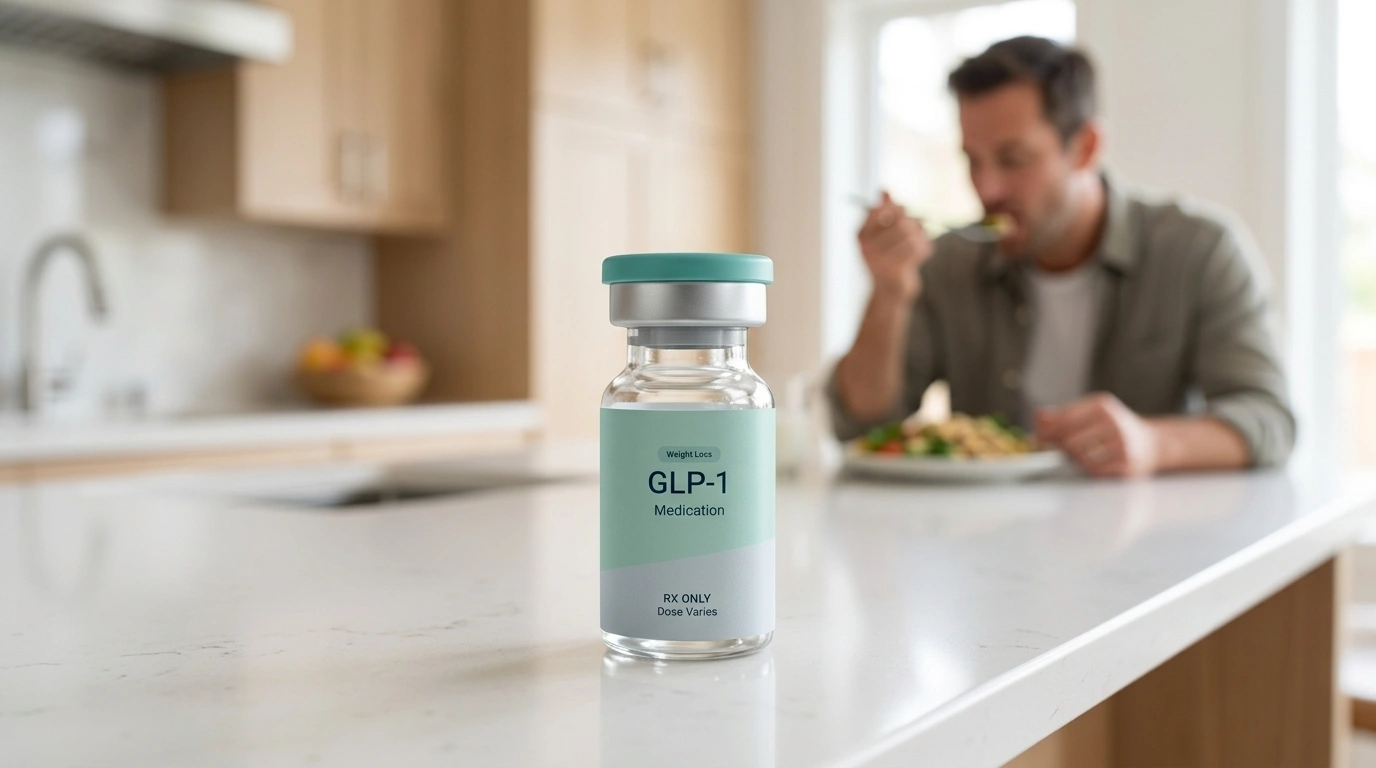
Imagine standing at a crossroads, committed to a healthier future through a dedicated weight loss journey, but faced with questions about everyday choices. One common query that often arises is about the interaction between weight loss medications like Ozempic and alcohol consumption. It’s a valid and important consideration, reflecting a desire to navigate treatment safely while maintaining a semblance of normalcy in social situations.
At TrimRx, our journey began with a shared vision: to help individuals embrace healthier lifestyles by merging cutting-edge telehealth innovations with effective weight loss solutions. We understand that sustainable weight loss should be achieved through science, empathy, and a transparent approach, which is why we offer a user-friendly and supportive platform for personalized, medically supervised care. When you embark on a path with medications like Ozempic, understanding every facet of your treatment, including lifestyle considerations, is paramount. This discussion is not just about a simple yes or no; it’s about understanding the nuances, potential risks, and sensible precautions to ensure your safety and optimize your results.
In this comprehensive guide, we will delve into the intricacies of combining alcohol with Ozempic, an FDA-approved medication often prescribed for type 2 diabetes and, when using its active ingredient semaglutide in higher doses, for chronic weight management. We will explore how these substances affect your body individually and collectively, shedding light on potential side effects, the impact on your weight loss goals, and even an intriguing emerging area of research regarding alcohol cravings. Our goal is to provide you with clear, authoritative insights, empowering you to make informed decisions that align with your health objectives and our commitment to your well-being. By the end, you’ll have a deeper understanding of this topic and practical recommendations for your personal health journey.
Understanding Your Weight Loss Journey with TrimRx
Embarking on a weight loss journey is a deeply personal experience, and at TrimRx, we believe it should be supported by a foundation of trust, innovation, and unwavering support. Our platform represents the culmination of our brand story and values, born from the desire to bridge the gap between advanced medical science and accessible, personalized care. We leverage telehealth innovations to bring effective weight loss solutions directly to you, creating a user-friendly and supportive space where every individual receives medically supervised care tailored to their unique needs.
We are committed to helping you achieve sustainable weight loss through an approach rooted in science, guided by empathy, and delivered with complete transparency. Our brand personality is intentionally empathetic, recognizing the challenges and triumphs inherent in any health transformation. We are innovative, constantly seeking the best ways to integrate modern technology with advanced medical science to offer superior solutions. You can trust us to be supportive, guiding you at every step with compassionate care that respects your individual journey. Ultimately, we are results-oriented, dedicated to helping you achieve and maintain your health goals.
Our commitment to transparent service means our approach remains consistent, regardless of any dosage adjustments in your treatment plan. We prioritize your safety, working exclusively with FDA-registered and inspected pharmacies for the shipping of weight loss medications. It’s important to clarify that TrimRx partners with these pharmacies to ensure you receive your medication safely and reliably, and we do not provide the actual medical supervision ourselves; rather, we connect you with healthcare providers who do. This holistic and secure framework is designed to make sustainable weight loss attainable and genuinely tailored to you.
Ozempic (Semaglutide) in Focus: How It Works
Before we discuss how can you drink alcohol with an Ozempic pen, it’s essential to understand what Ozempic is and how it functions within your body. Ozempic, a branded medication containing the active ingredient semaglutide, is a glucagon-like peptide-1 (GLP-1) receptor agonist. It is an FDA-approved injectable medication primarily prescribed to improve blood sugar control in adults with type 2 diabetes. Beyond its role in diabetes management, semaglutide has also garnered significant attention for its efficacy in chronic weight management, particularly in a higher-dose formulation (Wegovy®).
The mechanism by which Ozempic works is multifaceted and contributes significantly to both blood sugar regulation and weight loss. When you take Ozempic, it mimics the action of the natural GLP-1 hormone in your body. This hormone plays several crucial roles:
- Stimulating Insulin Release: When blood sugar levels are high, Ozempic prompts the pancreas to release more insulin. Insulin is vital for transporting glucose from your bloodstream into your cells for energy, thus lowering blood sugar.
- Suppressing Glucagon Secretion: Glucagon is a hormone that raises blood sugar levels. Ozempic helps to suppress glucagon release from the pancreas, particularly after meals, further preventing excessive sugar production by the liver.
- Slowing Gastric Emptying: One of the most significant effects for weight management is its ability to slow down the rate at which food leaves your stomach. This leads to a prolonged feeling of fullness, or satiety, which can naturally reduce food intake and caloric consumption.
- Reducing Appetite and Cravings: By influencing hunger signals in the brain, Ozempic can decrease appetite and diminish cravings, making it easier to adhere to a reduced-calorie diet.
These combined actions contribute to better glycemic control for individuals with type 2 diabetes and facilitate meaningful weight loss for those using it as part of a comprehensive weight management plan. For many, this medication represents a powerful tool in achieving a healthier metabolic state and an improved quality of life.
Our personalized weight loss programs offer a range of these powerful tools, including branded options like Ozempic® and Wegovy®, as well as compounded Semaglutide and Oral Semaglutide, among others. To discover if these options are right for you and to receive a personalized treatment plan, we invite you to take our free assessment quiz.
The Nuance of Alcohol Consumption While on Ozempic
The question of whether can you drink alcohol with an Ozempic pen is one we often hear, and it’s important to approach with a balanced perspective. The straightforward answer is that there’s no direct drug interaction listed on the FDA-approved prescribing information for semaglutide (Ozempic) warning against alcohol consumption. This means that, unlike some medications where alcohol is strictly prohibited due to severe direct interactions, consuming an alcoholic beverage while on Ozempic is generally not considered an absolute contraindication.
However, “no direct interaction” does not equate to “no considerations” or “no risks.” Both Ozempic and alcohol impact various physiological processes in your body, and their combined effects can lead to indirect consequences that warrant careful attention. The key lies in understanding these potential synergistic or additive effects and exercising caution and moderation.
The decision to consume alcohol while on Ozempic should always be made in consultation with your healthcare provider. Your individual health status, the presence of underlying conditions like diabetes, other medications you are taking, and your personal response to both Ozempic and alcohol will all influence what is considered safe for you. This commitment to individualized care is at the heart of TrimRx’s philosophy; we recognize that every patient’s journey is unique.
Potential Risks and Considerations
While there’s no direct chemical interaction, the physiological effects of both Ozempic and alcohol can overlap or amplify each other, leading to potential risks. Understanding these is crucial for safe navigation.
Hypoglycemia: The Blood Sugar Balance Act
One of the most significant concerns when mixing alcohol with Ozempic, especially for individuals with type 2 diabetes, is the risk of hypoglycemia (low blood sugar). Ozempic works to help regulate and lower blood sugar levels. Alcohol, particularly when consumed on an empty stomach or in larger quantities, also has the effect of lowering blood sugar. This occurs because the liver, which typically helps maintain stable blood sugar by releasing stored glucose, prioritizes metabolizing alcohol, temporarily reducing its capacity to produce glucose.
Combining these two blood-sugar-lowering actions can significantly increase the risk of a hypoglycemic episode. Symptoms can include dizziness, lightheadedness, shakiness, confusion, anxiety, and a rapid heartbeat. For someone with diabetes, particularly if they are also taking other medications like insulin or sulfonylureas (e.g., glipizide, glyburide), this risk is even higher. It’s vital to be vigilant, monitor blood sugar levels closely, and be aware that the symptoms of hypoglycemia can sometimes be mistaken for the effects of alcohol intoxication, delaying necessary intervention.
Our medically supervised programs, which include doctor consultations and lab work, are designed to help you understand and manage such risks effectively. If you’re managing type 2 diabetes alongside your weight loss goals, assessing your individual eligibility for medications like Ozempic® or Mounjaro® through our free assessment quiz is a critical first step.
Gastrointestinal Sensitivities: Amplified Discomfort
Many individuals beginning treatment with Ozempic experience gastrointestinal side effects such as nausea, vomiting, diarrhea, or constipation, especially during the initial phases or when doses are increased. This is largely due to the medication’s effect on slowing gastric emptying. Alcohol is also known to irritate the digestive system and can exacerbate these very symptoms.
When you combine Ozempic with alcohol, the likelihood and severity of these gastrointestinal discomforts can increase. For instance, experiencing pronounced nausea or vomiting can not only be unpleasant but may also affect your ability to tolerate the medication consistently, potentially impacting your treatment adherence and overall progress. If you’re already prone to these side effects from Ozempic, adding alcohol into the mix could significantly worsen your experience.
Pancreatitis: A Serious Concern
While rare, Ozempic carries a warning about the potential for pancreatitis, an inflammation of the pancreas, based on reports from clinical trials. Separately, chronic heavy alcohol use is a well-established and common cause of pancreatitis. When considering whether can you drink alcohol with an Ozempic pen, it’s crucial to acknowledge that combining these two factors could theoretically amplify the risk of developing this serious condition.
Individuals with a personal history of pancreatitis, or those who consume alcohol heavily, are generally advised to discuss this risk thoroughly with their healthcare provider. Safety is our utmost priority at TrimRx, and we stress the importance of understanding all potential risks associated with your treatment.
Impact on Weight Loss Goals: Empty Calories and Inhibitions
A fundamental aspect of any weight loss journey involves managing caloric intake and making healthier food choices. Alcohol, while not a direct drug interaction with Ozempic, can significantly counteract your weight loss efforts. Alcoholic beverages are often calorie-dense, providing what are commonly referred to as “empty calories” – calories that offer little to no nutritional value. These can quickly add up and undermine the caloric deficit essential for weight loss.
Furthermore, alcohol can lower inhibitions and impair judgment, potentially leading to less mindful eating and poorer food choices. The very appetite suppression and enhanced satiety that Ozempic provides could be compromised if alcohol consumption leads to overeating or choosing high-calorie, low-nutrient foods. The good news, as we’ll discuss, is that for some, Ozempic may inadvertently make it easier to cut calories from alcohol by reducing cravings.
For additional support in managing your overall wellness and optimizing your weight loss journey, consider our quick-access supplements. Our GLP-1 Daily Support and Weight Loss Boost are designed to complement your efforts without requiring a quiz.
Altered Effects of Alcohol: A Different Experience
Beyond the direct risks, many individuals on GLP-1 medications like Ozempic report that alcohol affects them differently. Anecdotal accounts suggest a range of altered experiences:
- Increased Sensitivity: Some people report feeling the effects of alcohol more strongly or getting “drunk” faster, even after consuming less alcohol than usual. This might be partly due to the slowed gastric emptying, which could alter how alcohol is absorbed, or simply due to overall weight loss and reduced food intake changing the body’s metabolism of alcohol.
- Reduced Pleasure/Interest: Conversely, some individuals experience a diminished interest in alcohol or find that the “positive” effects they once associated with drinking are no longer present. They might find alcohol less appealing or simply feel satisfied after fewer drinks.
- Worsened Hangovers: While there’s no direct evidence that Ozempic chemically worsens hangovers, if alcohol effects are felt more intensely or if digestive issues are amplified, the overall experience of a hangover could feel more severe or unpleasant.
These changes can be surprising and highly individual. It underscores the importance of listening to your body and adjusting your alcohol intake accordingly if you choose to drink.
The Intriguing Connection: Ozempic and Alcohol Cravings
One of the most fascinating and emerging areas of research related to GLP-1 medications like Ozempic is their potential impact on alcohol cravings and consumption. While initially developed for diabetes and weight management, there’s a growing body of anecdotal reports and preliminary scientific evidence suggesting that semaglutide may reduce the desire for alcohol in some individuals.
The working theory behind this intriguing observation involves the brain’s reward system and GLP-1 receptors. Similar to how these medications influence areas of the brain involved in appetite and food intake, it’s believed that GLP-1 receptors are also present in neural pathways associated with addictive behaviors, including alcohol consumption. By agonizing these receptors, semaglutide may lead to decreased interest not only in food but also in alcohol.
A randomized clinical trial, for example, has explored the effects of low-dose semaglutide on alcohol consumption and cravings in individuals with alcohol use disorder, finding reductions in both. This aligns with many individual reports of diminished cravings or a reduced interest in alcohol since starting GLP-1 therapy. While more long-term and comprehensive studies are needed to fully understand this connection and its therapeutic potential, it represents a promising avenue for research and a potential unexpected benefit for some individuals on these medications.
This underscores the profound and far-reaching effects of medications like Ozempic on various bodily systems, extending beyond their primary indications. Our commitment at TrimRx to innovative and evidence-based solutions means we stay abreast of such developments, always seeking to offer the most effective and personalized care.
Navigating Alcohol Safely: Our Recommendations
If, after consulting with your healthcare provider, you decide that moderate alcohol consumption is appropriate for your individual circumstances while on Ozempic, it is crucial to do so with heightened awareness and caution. Our supportive and personalized approach at TrimRx emphasizes making informed choices that prioritize your health and treatment goals.
Always Consult Your Healthcare Provider First
Before making any decisions about alcohol consumption, your very first step should always be to discuss it with your prescribing doctor or a healthcare professional. They have a comprehensive understanding of your medical history, current health status, other medications you’re taking, and your specific response to Ozempic. They can provide personalized advice on whether can you drink alcohol with an Ozempic pen in your unique situation, and if so, what limits and precautions are necessary. This aligns with our commitment to medically supervised care and ensuring safety above all else.
Principles of Moderation
If your doctor deems it safe for you to consume alcohol, moderation is the absolute key. General guidelines for moderate drinking typically suggest:
- For women: No more than one standard drink per day.
- For men: No more than two standard drinks per day.
A “standard drink” usually refers to:
- 12 ounces of regular beer (about 5% alcohol)
- 5 ounces of wine (about 12% alcohol)
- 1.5 ounces of distilled spirits (about 40% alcohol)
It’s vital to listen to your body and pay close attention to how you feel. Your tolerance or response to alcohol might be different while on Ozempic, and any adverse effects should prompt you to reduce or cease consumption.
Strategic Consumption
How you drink can be as important as how much you drink when on Ozempic:
- Never Drink on an Empty Stomach: This is a critical rule. Consuming alcohol without food, especially meals containing carbohydrates and protein, can significantly increase the risk of hypoglycemia and intensify gastrointestinal side effects. Always ensure you have eaten a balanced meal before or while enjoying an alcoholic beverage.
- Stay Hydrated: Alcohol is a diuretic and can lead to dehydration. Given that Ozempic can sometimes cause gastrointestinal issues that might also contribute to fluid loss, staying well-hydrated is essential. Drink plenty of water between alcoholic beverages.
- Monitor Your Blood Sugar: If you have diabetes, diligent blood sugar monitoring before, during, and after drinking alcohol is non-negotiable. Be prepared to address any significant drops in blood glucose.
- Pace Yourself: Drink slowly. Give your body time to process the alcohol and observe how you’re feeling.
Making Smart Choices
The type of alcohol you choose can also impact your experience:
- Opt for Lower-Sugar, Lower-Calorie Options: Avoid sugary cocktails, mixed drinks, and heavy beers, which are often high in calories and sugar. These can contribute to weight gain and further complicate blood sugar management.
- Consider Dry Wines or Spirits with Sugar-Free Mixers: Dry red or white wines, light beers, or spirits like gin, vodka, or whiskey mixed with sugar-free sodas or water are generally better choices if you choose to drink.
By adhering to these recommendations, you can approach alcohol consumption with a greater sense of confidence and safety, all while maintaining your focus on the results-oriented goals of your weight loss journey. Remember, our comprehensive service at TrimRx includes unlimited support, so you always have a resource for your questions and concerns.
When to Absolutely Avoid Alcohol
While moderate alcohol consumption might be permissible for some individuals on Ozempic under specific circumstances, there are clear situations where alcohol should be completely avoided to protect your health and ensure the safety and efficacy of your treatment. Our empathetic approach means we prioritize your well-being above all else, and in certain cases, abstinence is the safest and most responsible choice.
You should absolutely refrain from consuming alcohol if any of the following apply to you:
- History of Pancreatitis: As both Ozempic and heavy alcohol use are associated with an increased risk of pancreatitis, combining them can be particularly dangerous if you have a history of this condition. Your doctor will likely advise complete abstinence to prevent recurrence or exacerbation.
- Significant Liver Problems: The liver plays a crucial role in metabolizing both alcohol and many medications. If you have pre-existing liver disease or impaired liver function, consuming alcohol can put additional strain on this vital organ, potentially worsening your condition. This risk is compounded by any metabolic changes from Ozempic.
- Severe Gastrointestinal Side Effects from Ozempic: If you are experiencing pronounced or persistent nausea, vomiting, abdominal pain, or other severe GI discomforts while on Ozempic, introducing alcohol will almost certainly worsen these symptoms. It’s best to allow your body to adjust to the medication without the additional irritant of alcohol.
- Uncontrolled Diabetes or Unstable Blood Sugar Levels: For individuals whose type 2 diabetes is not well-controlled, or who frequently experience episodes of hypoglycemia or hyperglycemia, introducing alcohol can further destabilize blood sugar, making management extremely challenging and potentially dangerous. The risk of severe hypoglycemia is particularly high in these scenarios.
- Taking Other Medications Known to Interact with Alcohol or Increase Hypoglycemia Risk: If your treatment plan includes other medications that interact negatively with alcohol or significantly lower blood sugar, the cumulative effect with Ozempic and alcohol could be hazardous. Always review your full medication list with your doctor.
- History of Alcohol Use Disorder (AUD): For individuals with a past or current struggle with alcohol use disorder, introducing alcohol, even in moderation, can trigger a relapse. In such cases, the primary focus should be on maintaining sobriety and supporting your overall recovery.
Our transparent service at TrimRx ensures that these considerations are discussed during your doctor consultations. Your safety is paramount, and understanding these clear boundaries is a vital component of a responsible and effective weight loss journey. If any of these conditions resonate with your situation, please prioritize your health and discuss complete alcohol avoidance with your healthcare provider.
TrimRx’s Comprehensive Approach to Your Well-being
At TrimRx, our core mission is to empower you with a path to sustainable weight loss that is safe, effective, and deeply personalized. We understand that your journey is multifaceted, requiring not just medication, but a holistic support system. Our brand values of empathy, innovation, trustworthiness, and support are woven into every aspect of our service, making us a dedicated partner in your health transformation.
When you choose TrimRx, you are choosing a comprehensive service that leaves no stone unturned in supporting your well-being. Our approach integrates advanced medical science with modern technology to deliver compassionate care. This includes:
- Personalized Doctor Consultations: Our journey together begins with thorough consultations with experienced healthcare providers who understand your unique health profile, lifestyle, and weight loss goals. This personalized approach ensures your treatment plan is specifically tailored to you.
- Clinically Proven Medications: We offer access to a range of highly effective weight loss medications, including branded options like Ozemp®, Wegovy®, Mounjaro®, and Zepbound®, as well as compounded Semaglutide and Tirzepatide (both injectable and oral forms). We want to reiterate that all our medications are sourced through FDA-registered and inspected pharmacies, ensuring the highest standards of safety and quality for your peace of mind. While branded medications like Ozempic® and Zepbound® have received FDA approval, it’s important to note that compounded medications, while made in FDA-registered pharmacies, are not individually FDA approved.
- Essential Lab Work: To ensure your treatment is safe and optimally effective, necessary lab work is included to monitor your health markers and guide your personalized plan.
- Unlimited Support: Your success is our success. We provide unlimited support throughout your journey, meaning you always have a resource for questions, concerns, and guidance. This commitment to continuous care is a cornerstone of our supportive brand personality.
- Convenient Shipping: Medications are shipped directly to you from our partner FDA-registered and inspected pharmacies, offering unparalleled convenience and reliability.
- No Hidden Fees: We believe in complete transparency. Our comprehensive service includes all these elements with no hidden fees, so you can focus on your health without unexpected costs.
This all-encompassing service is designed to remove barriers and provide a clear, supportive pathway to achieving your weight loss goals. To see if you qualify for our personalized prescription weight loss medications, we strongly encourage you to take our free assessment quiz today. It’s the first step towards a healthier, more confident you.
In addition to our personalized programs, we also offer quick-access supplements to support your overall wellness journey. Our GLP-1 Daily Support and Weight Loss Boost are available for immediate purchase, providing complementary benefits without the need for a quiz. These products reflect our commitment to offering diverse solutions tailored to various aspects of your health needs.
Conclusion
Navigating a weight loss journey with medications like Ozempic involves a thoughtful approach to many lifestyle factors, and the question of “can you drink alcohol with an Ozempic pen” is a perfect example of such a consideration. While the direct interaction between Ozempic and alcohol is not a cause for alarm, the indirect effects on your blood sugar, digestive system, and weight loss goals necessitate a cautious and informed perspective. We’ve explored how both substances can individually affect your body, and how their combined impact can lead to amplified risks such as hypoglycemia, worsened gastrointestinal side effects, and even a heightened, albeit rare, risk of pancreatitis.
The key takeaway is clear: moderation is paramount, and personalized medical advice is indispensable. For some, a small, infrequent drink might be permissible, provided they adhere to strict guidelines concerning timing, hydration, and careful monitoring. For others, particularly those with a history of pancreatitis, significant liver issues, or unstable diabetes, complete abstinence from alcohol is the safest and most responsible choice. The emerging research on GLP-1 medications potentially reducing alcohol cravings offers an intriguing dimension, hinting at unexpected benefits for some individuals.
At TrimRx, we stand as your dedicated partner, championing a holistic and scientifically grounded approach to weight loss. Our commitment to transparent, empathetic, and medically supervised care ensures that you are equipped with all the necessary information and support to make the best decisions for your health. We believe that with the right guidance, education, and personalized tools, achieving sustainable weight loss is not just a dream, but an attainable reality.
As you reflect on your own journey, we encourage you to take proactive steps. To explore if our personalized prescription weight loss solutions, including branded medications like Ozempic® or our high-quality compounded options, are suitable for you, we invite you to take our free assessment quiz. For immediate support that complements any weight loss regimen, consider incorporating our GLP-1 Daily Support or Weight Loss Boost into your daily routine. Together, we can build a healthier, more vibrant future for you.
Frequently Asked Questions (FAQs)
Q1: Can I drink alcohol while taking Ozempic?
While there’s no direct drug interaction listed between Ozempic and alcohol, it’s essential to exercise caution. Both Ozempic and alcohol can lower blood sugar levels, increase the risk of gastrointestinal side effects like nausea, and may indirectly impact your weight loss goals due to alcohol’s caloric content. Always consult your healthcare provider to understand what is safe for your individual health profile.
Q2: Does Ozempic reduce alcohol cravings?
Emerging research and anecdotal reports suggest that GLP-1 receptor agonists, like semaglutide in Ozempic, may reduce cravings or interest in alcohol for some individuals. This is believed to be linked to the medication’s effects on the brain’s reward system, similar to how it influences food cravings. However, more comprehensive studies are needed to fully understand this potential effect.
Q3: What types of alcohol are safer to drink on Ozempic, if any?
If your doctor approves moderate alcohol consumption, opting for lower-sugar, lower-calorie options is generally recommended. Examples include dry wines, light beers, or spirits mixed with sugar-free beverages. Avoid sugary cocktails, heavy beers, and excessive amounts, as these can counteract your weight loss efforts and worsen potential side effects. Always ensure you eat a meal with carbohydrates and protein before or while drinking.
Q4: When should I completely avoid alcohol while on Ozempic?
You should absolutely avoid alcohol if you have a history of pancreatitis, significant liver problems, experience severe gastrointestinal side effects (like persistent nausea or vomiting) from Ozempic, or have uncontrolled diabetes with unstable blood sugar levels. Additionally, if you are taking other medications that significantly lower blood sugar or interact negatively with alcohol, complete abstinence may be necessary. Always discuss these specific concerns with your healthcare provider.

Transforming Lives, One Step at a Time
Keep reading

What “Ozempic Vulva” Really Is and Why Weight Loss Changes It
If you’ve noticed that your vulva looks different after losing weight on a GLP-1 medication, you’re not imagining it, and you’re not alone. “Ozempic…

Ozempic Alternatives: Your Options Compared
If Ozempic isn’t the right fit, whether because of cost, side effects, availability, or results, you have real alternatives. The closest ones are other…

Ozempic vs Wegovy: Same Drug, Different Purpose
Here’s the fact that surprises most people: Ozempic and Wegovy are the same medication (semaglutide), just sold under different brand names, at different doses,…


