What Do Mounjaro Pens Look Like? Design and Dose Guide
Introduction
Standing in front of the refrigerator with a new prescription can feel overwhelming. You may find yourself staring at a small cardboard box, wondering exactly what is inside and how the device functions. If you are starting a journey with Mounjaro®, a brand-name medication containing tirzepatide, understanding the physical design of the delivery system is the first step toward confidence. This medication is a dual GIP (glucose-dependent insulinotropic polypeptide) and GLP-1 (glucagon-like peptide-1) receptor agonist. These are naturally occurring hormones that help regulate blood sugar and appetite. At TrimRx, we believe that clarity is the foundation of a successful health journey. In this guide, we will break down the visual components of the pen, explain how the design supports your treatment, and clarify what to look for at every dosage level.
If you are considering a medically supervised treatment option, you can complete a free eligibility assessment to learn whether a personalized program may be appropriate for your needs.
Quick Answer: A Mounjaro® pen is a single-dose, pre-filled autoinjector with a gray body and a clear medication window. It features a color-coded label that changes based on the strength of the dose, a gray base cap, and a locking ring at the top to prevent accidental injection.
The Basic Anatomy of the Mounjaro® Pen
The Mounjaro® pen is designed as a single-use autoinjector. This means the needle is hidden inside the device, and the medication is pre-measured. You do not have to draw liquid from a vial or see the needle before the injection. The device is roughly the size of a large permanent marker, making it easy to grip and stabilize against the skin.
For a closer look at how the device works during a weekly routine, review this guide to the Mounjaro single-dose pen.
The Main Body and Window
The primary chassis of the pen is made of sturdy, opaque gray plastic. On the side of this body, you will find a clear plastic window. This window is one of the most important visual features. It allows you to inspect the medication before use. The liquid inside should always appear clear and colorless or slightly yellowish. If the liquid looks cloudy, contains visible particles, or appears frozen, the pen should not be used.
The Base Cap and Lock Ring
At the bottom of the pen is a gray base cap. This cap protects the hidden needle and keeps the device sterile. You only remove this cap immediately before you are ready to inject. At the opposite end, the top of the pen features a clear or translucent locking ring. This ring has a “Lock” and “Unlock” icon. You must physically twist this ring to the unlock position before the injection button can be pressed.
The Injection Button
The very top of the pen features a recessed button. Once the pen is unlocked and pressed firmly against the skin, depressing this button triggers the internal spring mechanism. This mechanism handles the needle insertion and the delivery of the medication automatically.
Decoding the Colors by Dosage
One of the most helpful visual cues for patients is the color-coding system. Each strength of Mounjaro® has a distinct color on its label and packaging. This system helps prevent medication errors, ensuring you are using the correct dose as prescribed by your healthcare provider.
The branded medication comes in six different strengths. While the gray body of the pen remains the same across all doses, the label wrapped around the center of the pen and the box it comes in will reflect a specific color.
| Dosage Strength | Label and Box Color |
|---|---|
| 2.5 mg | Gray/Silver |
| 5 mg | Purple |
| 7.5 mg | Neon Green |
| 10 mg | Pink |
| 12.5 mg | Blue |
| 15 mg | Orange |
Key Takeaway: Always verify that the color on your pen matches the color on your prescription box before administration. If the colors do not match, contact your pharmacist or healthcare provider.
If you are unsure whether tirzepatide treatment is appropriate for you, you can see if you qualify for a personalized program.
What to Look for in the Medication Window
The medication window is your primary tool for safety and verification. Because tirzepatide is a protein-based medication, it is sensitive to light and temperature. Examining the window is a non-negotiable step in every injection routine.
Visual Clarity
When you look through the window, you should see a liquid that looks like water. It should be transparent. A slight yellow tint is generally considered normal for this class of medication, but any opacity or “milkiness” is a sign that the medication may have degraded.
Air Bubbles
It is very common to see a small air bubble in the window. This is a normal part of the manufacturing process and does not pose a safety risk. You do not need to “flick” the pen or try to remove the bubble, as the device is designed to handle this small amount of air during the subcutaneous injection.
The Gray Plunger
After you have completed an injection, the window will no longer show clear liquid. Instead, a gray plastic rod (the plunger) will fill the window. This is a visual confirmation that the dose has been fully delivered. If you still see clear liquid after an injection attempt, the device may have malfunctioned.
Bottom line: The window should be clear before use and filled with a gray plastic plunger after use.
Comparing Branded Pens to Compounded Alternatives
While the Mounjaro® pen is a specific, branded delivery system, many individuals access tirzepatide through different means. At TrimRx, we connect patients with licensed providers who may prescribe compounded tirzepatide if it is clinically appropriate for the patient’s needs. It is important to understand that the “look” of the medication changes significantly depending on the source.
For an overview of how remote prescribing and personalized treatment may work, read this explanation of telehealth tirzepatide.
Branded Autoinjectors
The branded pens (Mounjaro® and Zepbound®) are designed for convenience. They are single-dose, meaning once you click the button, the pen is empty and must be disposed of in a sharps container. You never handle a needle directly. These medications are FDA-approved and manufactured by Eli Lilly.
Compounded Tirzepatide
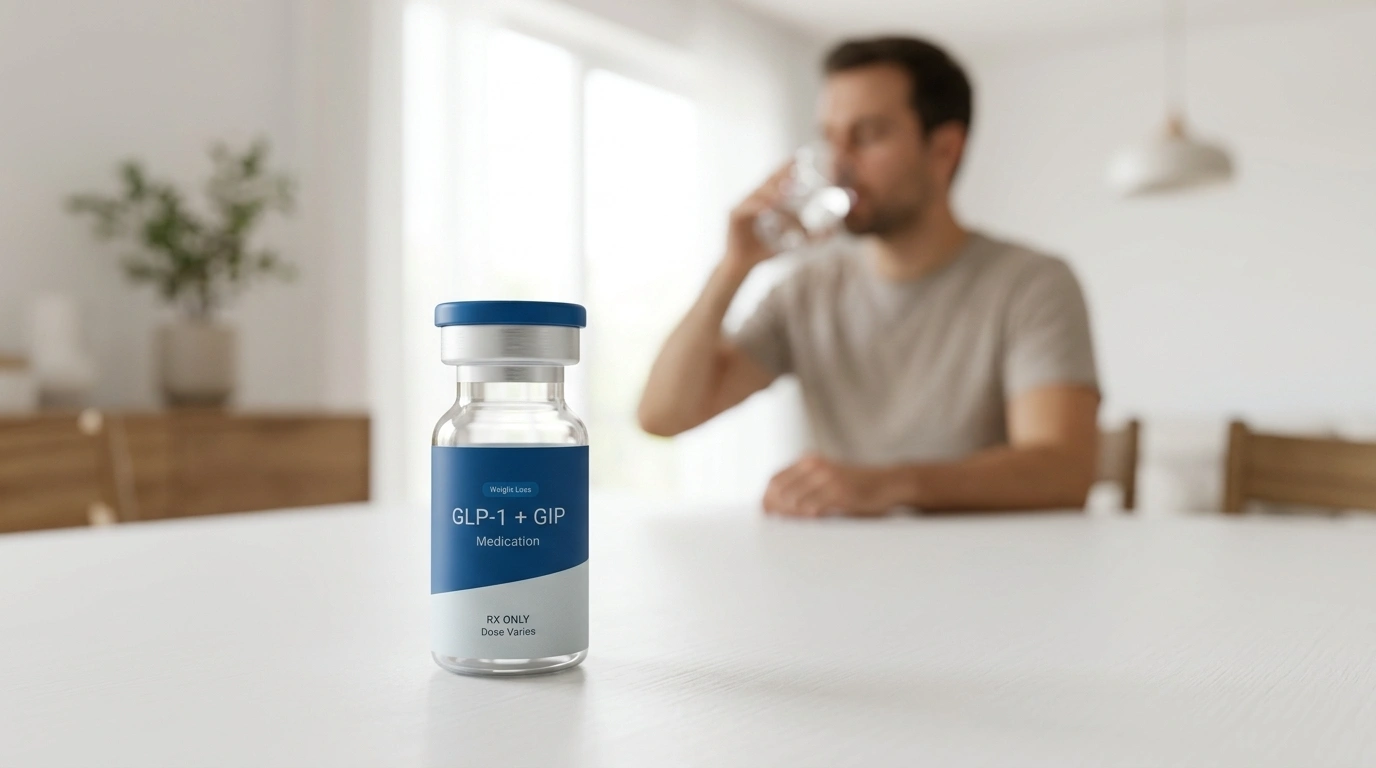
Compounded tirzepatide is prepared by FDA-registered, inspected compounding pharmacies. Unlike the branded autoinjector, compounded versions typically arrive in a multi-dose glass vial. To use this version, you will see:
- A small glass vial with a rubber stopper.
- Separate, sterile insulin syringes.
- The requirement to manually draw the liquid into the syringe.
While the delivery method looks different, the goal of the medication remains the same: supporting metabolic health and weight management. Compounded medications are not FDA-approved, but they provide a flexible alternative when branded supplies are limited or when a personalized dosage is required.
Note: If you are using a program that utilizes vials and syringes, your visual cues for a “full dose” will be the markings on the syringe rather than a color-coded pen label.
Those exploring a provider-guided treatment pathway can begin with a free assessment before discussing potential options with a licensed provider.
How the Design Influences the Injection Process
The visual and physical design of the pen is intended to make the injection process as foolproof as possible. Understanding the “pathway” of the pen’s design helps reduce anxiety.
For additional context about the medication and its broader uses, read this Mounjaro pen overview.
Step 1: The Inspection.
You start by looking at the label to confirm the dose and expiration date. You look through the window to ensure the liquid is clear.
Step 2: The Uncapping.
Pulling the gray base cap off reveals the clear base of the pen. You will not see the needle yet; it remains retracted inside the clear plastic housing.
Step 3: The Unlocking.
You look at the top of the pen and turn the ring from the “Lock” icon to the “Unlock” icon. This is a safety feature designed to prevent the button from being bumped in transit.
Step 4: The Placement and Click.
You place the clear base flat against your skin (typically the abdomen, thigh, or back of the arm). You then press and hold the colored button. You will hear a loud click, which signifies the needle has been inserted and the injection has started. You will then hear a second click a few seconds later, which signifies the injection is complete.
Myth: You need to see the needle to know it is working.
Fact: The Mounjaro® pen is designed specifically to hide the needle to help those with needle phobia. The auditory “clicks” and the visual appearance of the gray plunger are your proofs of delivery.
Storage and Visual Warning Signs
How the pen looks can change if it is not stored correctly. Mounjaro® pens should be stored in the refrigerator between 36°F and 46°F (2°C to 8°C). However, they can be kept at room temperature (up to 86°F or 30°C) for up to 21 days if necessary.
For more information about refrigeration, temperature excursions, and medication handling, see this GLP-1 storage guide.
What an Overheated Pen Looks Like
If a pen is exposed to extreme heat or direct sunlight, the medication inside may break down. Visually, this might manifest as a change in color (turning dark or brown) or the appearance of “strings” or clumps in the liquid. If the pen feels hot to the touch, do not use it.
What a Frozen Pen Looks Like
If a pen is pushed to the back of a refrigerator and freezes, the internal mechanism can be damaged and the medication can lose its effectiveness. A frozen pen may have a cracked window, or the liquid may look “slushy” or opaque. Never thaw a frozen pen and use it; dispose of it immediately.
Physical Damage to the Opaque Body
If the gray plastic body of the pen is cracked or the locking ring feels loose or “stripped,” the internal spring may not fire correctly. If you drop a pen on a hard surface, inspect the window for cracks in the glass vial inside the plastic shell.
Why Design Matters for Success
The design of the Mounjaro® pen is a result of extensive human-factors engineering. For many people, the visual simplicity of the pen reduces the “medical” feel of the treatment. It feels more like a tool and less like a clinical procedure. This is vital for long-term adherence.
When a device is easy to use and provides clear visual feedback (like the color-coding and the plunger), patients are more likely to stick to their weekly schedule. Success in weight management and metabolic health depends heavily on consistency. By making the pen look intuitive, the manufacturers have lowered the barrier to entry for those who might be intimidated by traditional injections.
At our platform, we emphasize that the medication is just one part of a broader strategy. Whether you are using a branded autoinjector or a compounded version with a syringe, the visual ritual of preparing your dose is a moment to recommit to your health goals.
Preparing for Your First Dose: A Visual Checklist
Before you sit down to administer your medication, perform this quick visual scan to ensure everything is in order:
- Check the Box: Does the color match your prescribed dose?
- Check the Label: Is the name on the pen “Mounjaro®”? Is the expiration date in the future?
- Check the Window: Is the liquid clear? Is there a gray plunger visible (which would mean it’s already used)?
- Check the Cap: Is the gray base cap firmly attached and untampered with?
- Check the Ring: Is the device currently in the “Lock” position?
If all these visual markers are correct, you are ready to proceed. If any of them are off, it is best to set the pen aside and consult a professional.
Key Takeaway: Visual verification is your first line of defense against medication errors and ensures you are receiving the full therapeutic benefit of the treatment.
Conclusion
Understanding what a Mounjaro® pen looks like is about more than just identification; it is about safety, confidence, and consistency. From the specific color-coded labels that signal your dosage strength to the gray plunger that confirms a successful injection, every visual element serves a purpose. While the branded autoinjector offers a high level of convenience, many people find success through various delivery methods, including the vials and syringes often used in personalized programs.
Our mission at TrimRx is to support you with a transparent, science-backed approach to weight loss. We provide access to licensed healthcare providers who can help determine which path is right for your unique health profile, ensuring you have the tools and knowledge to succeed.
If you are ready to take the next step in your metabolic health journey, you can complete the free assessment quiz to see if a personalized treatment program is the right fit for you.
FAQ
What should I do if the liquid in my Mounjaro pen looks cloudy?
If the liquid in the window appears cloudy, milky, or contains small floating particles, do not use the pen. This can be a sign that the medication has been exposed to extreme temperatures or has expired. Contact your pharmacist for a replacement and ensure your remaining pens are stored in a cool, dark place like a refrigerator.
Why is my Mounjaro pen a different color than my last one?
The color of the pen’s label and packaging changes based on the dosage strength. For example, the 2.5 mg starter dose has a gray label, while the 5 mg dose has a purple label. If your doctor has recently increased your dose, a change in color is expected and helps you verify you are taking the correct strength.
Can I see the needle inside the Mounjaro pen?
Under normal circumstances, you cannot see the needle because it is hidden inside the clear base of the pen. The needle only emerges when the pen is unlocked, pressed against the skin, and the injection button is pushed. This design is intended to make the process easier for people who are uncomfortable with needles.
How can I tell if a Mounjaro pen has already been used?
A used Mounjaro® pen will have a gray plastic plunger filling the medication window. When the pen is new and ready for use, the window will show only clear liquid. Additionally, once the injection button has been pressed and the cycle is complete, the button will remain depressed, and the pen cannot be used again.
If you are considering a personalized treatment pathway, you can find out if GLP-1 medications may be right for you.
Disclaimer: This content is for informational purposes only and does not constitute medical advice. It is not intended to diagnose, treat, cure, or prevent any disease or condition. Individual results may vary. Always consult a qualified healthcare professional before starting any weight loss program or medication.

Transforming Lives, One Step at a Time
Keep reading

Mounjaro Alternatives: What Else to Consider
If Mounjaro isn’t the right fit, the closest alternatives are other GLP-1 medications, chiefly semaglutide (Ozempic for diabetes, Wegovy for weight), along with a…

Mounjaro vs Zepbound: Same Drug, Two Brands
Like their semaglutide counterparts, Mounjaro and Zepbound are the same medication (tirzepatide) sold under two names for two purposes: Mounjaro is approved for type…

Retatrutide vs Mounjaro: Triple Agonist vs Dual Agonist
The core difference between retatrutide and Mounjaro comes down to how many hormone targets each hits: retatrutide activates three receptors, while Mounjaro (tirzepatide) activates…


