Navigating Mounjaro and Alcohol: What You Need to Know for Your Weight Loss Journey
Introduction
Many of us enjoy the occasional social drink, a way to relax, celebrate, or simply unwind after a long day. Yet, when embarking on a significant health journey, like managing weight with medications such as Mounjaro, questions naturally arise about how these lifestyle choices intersect with our treatment. The prospect of combining medication with even moderate alcohol consumption can feel like navigating uncharted territory, often leaving individuals wondering about safety, effectiveness, and potential risks. With Mounjaro (tirzepatide) offering a powerful approach to both type 2 diabetes management and significant weight loss, understanding its interplay with alcohol becomes not just a matter of curiosity, but a critical component of a successful and safe health transformation.
At TrimRx, our journey began with a shared vision to help individuals embrace healthier lifestyles by merging cutting-edge telehealth innovations with effective weight loss solutions. Our platform is a user-friendly and supportive space where individuals receive personalized, medically supervised care—all designed to make sustainable weight loss attainable and tailored to the individual. We believe that sustainable weight loss should be achieved through science, empathy, and a transparent approach, and that includes providing clear, trustworthy guidance on important topics like alcohol consumption.
This comprehensive guide aims to illuminate the complex relationship between Mounjaro and alcohol. We’ll delve into how Mounjaro works, explore the multifaceted effects of alcohol on the body, and critically examine whether alcohol stops Mounjaro working as intended, particularly in the context of weight loss. We will discuss potential risks, emerging research on how Mounjaro might influence alcohol cravings, and provide practical, safe drinking practices for those on this medication. By the end of this post, you’ll have a deeper understanding of this topic, empowering you to make informed decisions that align with your health goals and our commitment to your well-being.
Understanding Mounjaro: A Dual Approach to Wellness
Embarking on a weight loss journey with a medication like Mounjaro signifies a commitment to a new path, driven by science and personalized care. Mounjaro, known by its generic name tirzepatide, represents a significant advancement in metabolic health, offering a dual mechanism of action that sets it apart.
What Mounjaro Is
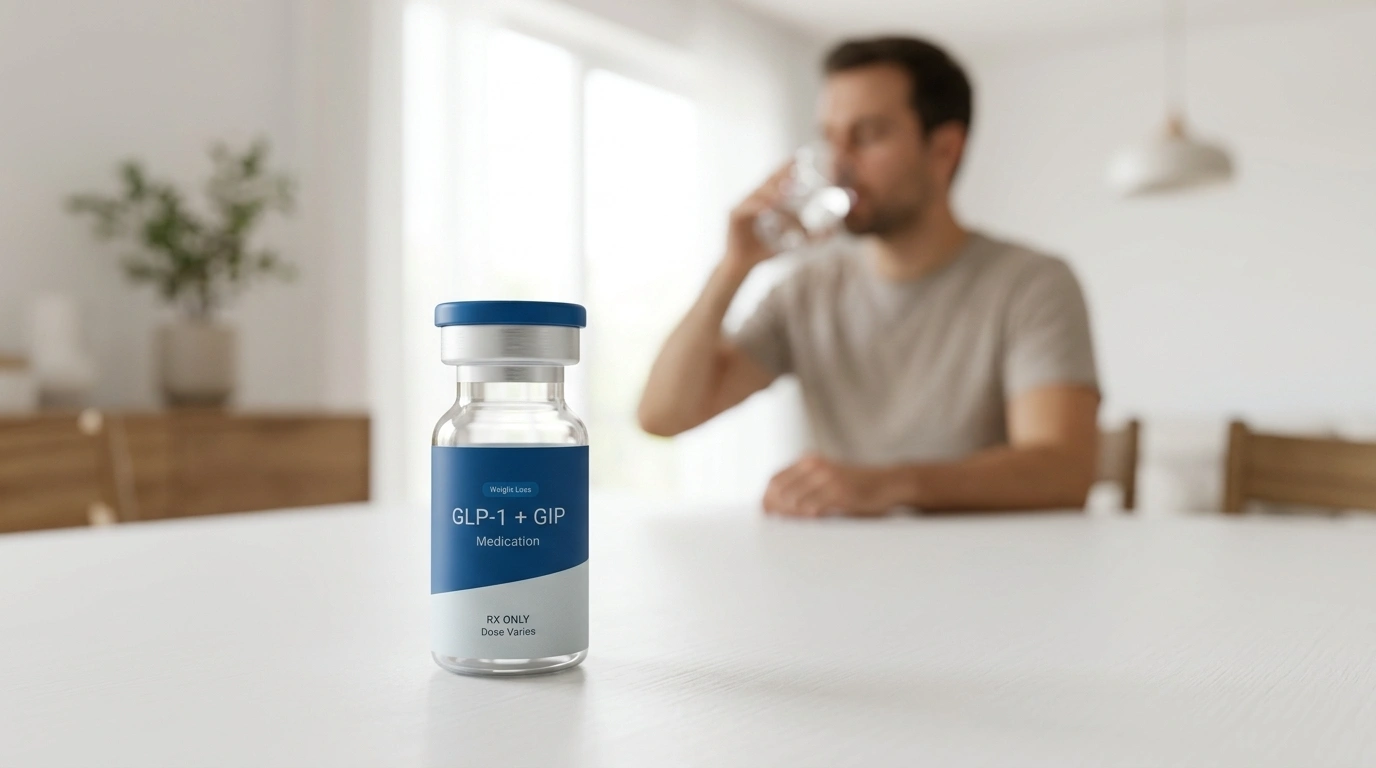
Mounjaro is a prescription medication primarily approved for adults with type 2 diabetes to improve blood sugar control. However, it has garnered significant attention, and is also prescribed for individuals with obesity or who are overweight and experiencing weight-related health conditions, thanks to its impressive ability to facilitate substantial weight loss. It belongs to a novel class of drugs known as dual GIP (glucose-dependent insulinotropic polypeptide) and GLP-1 (glucagon-like peptide-1) receptor agonists. This innovative approach means it mimics two natural gut hormones, unlike previous generations of medications that typically targeted only one.
Our commitment at TrimRx is to provide access to these clinically proven, effective solutions. This includes prescription medications like Compounded Tirzepatide, Oral Tirzepatide, Mounjaro®, and Zepbound®. To see if these options are right for you and to receive a personalized treatment plan, we encourage you to take our free assessment quiz.
How Mounjaro Works for Blood Sugar and Weight Loss
The brilliance of Mounjaro lies in its sophisticated mechanism. After we eat, our bodies naturally release glucose, and in response, hormones like GIP and GLP-1 are activated to regulate blood sugar. Mounjaro essentially amplifies the effects of these hormones, leading to a cascade of beneficial physiological responses:
- Enhanced Insulin Release: When blood glucose levels rise, Mounjaro stimulates the pancreas to release more insulin. Insulin is crucial for helping glucose enter cells for energy, thereby lowering blood sugar levels.
- Reduced Glucagon Secretion: It also reduces the secretion of glucagon, a hormone that raises blood sugar, further contributing to better glucose control.
- Slowed Gastric Emptying: Mounjaro slows down the rate at which food leaves the stomach. This creates a sustained feeling of fullness, which is invaluable for appetite control and calorie reduction.
- Increased Satiety and Reduced Appetite: By working on these hormonal pathways, Mounjaro sends powerful signals to the brain that you are full and satisfied. This reduces “food noise”—the constant thoughts and cravings for food—making it easier to adhere to a reduced-calorie diet and make healthier food choices. Many individuals report a decreased desire for fatty or sugary foods.
For weight loss, this combination of effects is transformative. By enhancing satiety and slowing digestion, Mounjaro naturally leads to a reduction in overall food intake. This helps create the caloric deficit necessary for weight loss, making the process feel more manageable and sustainable. Our personalized programs at TrimRx are designed to integrate these powerful medications, where appropriate, with a comprehensive support system, ensuring that individuals receive the medically supervised care they need to achieve their health objectives safely and effectively. We work exclusively with FDA-registered and inspected pharmacies to ensure the medication you receive meets high safety and quality standards, with brands like Mounjaro® and Zepbound® being FDA-approved.
The Nuances of Alcohol Consumption
Understanding how alcohol impacts your body is crucial, especially when you’re managing your health with medications like Mounjaro. Alcohol is a complex substance, and its effects extend far beyond simple intoxication.
How Alcohol Affects the Body
Even in moderation, alcohol influences various bodily systems. Initially, it can lead to feelings of warmth and relaxation, often accompanied by an increased heart rate. As consumption increases, alcohol begins to impair judgment, coordination, and reaction times, often leading to recklessness and unfocused vision. Heavier drinking can result in slurred speech, severe dehydration, nausea, vomiting, and diarrhea—symptoms that overlap significantly with potential side effects of Mounjaro.
In the long term, regular or heavy alcohol use can significantly impact organ health, particularly the liver, brain, heart, and pancreas. It can elevate blood pressure and cholesterol levels, increasing risks for conditions such as stroke, depression, dementia, and various cancers. For someone on a weight loss journey, the “empty calories” in alcoholic beverages also pose a significant challenge, adding to caloric intake without providing substantial nutritional value.
Alcohol’s Impact on Blood Sugar
One of the most critical aspects of alcohol’s effect, especially for individuals managing type 2 diabetes or focusing on metabolic health, is its influence on blood sugar levels. Alcohol can be quite unpredictable in this regard:
- Initial Rise: Some alcoholic drinks, especially those high in sugar like certain cocktails or sweet wines, can initially cause a spike in blood sugar.
- Subsequent Drop (Hypoglycemia): More commonly and concerningly, alcohol can cause blood sugar levels to drop, leading to hypoglycemia (low blood sugar). This is because the liver, which plays a vital role in both detoxifying alcohol and releasing stored glucose into the bloodstream when needed, prioritizes processing alcohol. When the liver is busy metabolizing alcohol, its ability to produce or release glucose is impaired, potentially leading to dangerously low blood sugar, especially if alcohol is consumed on an empty stomach. This risk is particularly elevated for individuals already taking medications that lower blood sugar.
This dual impact on blood sugar, coupled with its overall effects on the body, underscores the need for careful consideration when combining alcohol with a medication like Mounjaro.
Does Alcohol Stop Mounjaro Working? Unpacking the Interaction
This is a central question for many individuals considering or currently using Mounjaro. While the answer isn’t a simple “yes” or “no” regarding direct chemical interaction, the relationship between Mounjaro and alcohol is certainly one that warrants careful attention.
Direct Interaction vs. Indirect Impact
It’s important to clarify that, based on current understanding, there isn’t a direct chemical interaction between alcohol and Mounjaro that would fundamentally stop the medication from working or cause a dangerous reaction within the body’s metabolic pathways. The manufacturer of Mounjaro does not specifically note a direct drug-alcohol interaction. Mounjaro continues to mimic GIP and GLP-1, slow gastric emptying, and influence satiety regardless of alcohol intake.
However, where the concern truly lies is in the indirect impacts and the amplification of shared side effects. Alcohol can create conditions in the body that counteract the benefits of Mounjaro, exacerbate its known side effects, and generally make the weight loss journey more challenging and potentially less safe.
Amplified Side Effects
Both Mounjaro and alcohol can cause gastrointestinal (GI) side effects. Common Mounjaro side effects include nausea, vomiting, diarrhea, and abdominal pain, especially when treatment begins or dosage increases. Alcohol, particularly when consumed in larger quantities, also irritates the GI tract and can cause or worsen these exact symptoms.
When combined, the likelihood and severity of these side effects can increase significantly. Imagine the discomfort of experiencing intensified nausea or dehydration because both the medication and alcohol are affecting your digestive system. This can lead to a very unpleasant experience and potentially severe dehydration, which can, in turn, lead to more serious complications like kidney problems. Our supportive approach at TrimRx emphasizes monitoring your body’s reactions and communicating openly with your healthcare provider about any side effects.
Hypoglycemia Risk
This is arguably one of the most serious considerations when mixing Mounjaro and alcohol, especially for individuals managing type 2 diabetes. Mounjaro is designed to lower blood sugar levels. As we discussed, alcohol also has a tendency to lower blood sugar, primarily by interfering with the liver’s ability to release stored glucose.
When both substances are present, the risk of hypoglycemia – dangerously low blood sugar – is significantly elevated. Symptoms of hypoglycemia can include dizziness, confusion, sweating, tremors, blurred vision, and in severe cases, loss of consciousness. For those also using other diabetes medications like insulin, this risk is even higher. It’s crucial to be vigilant about monitoring blood sugar levels before and after consuming alcohol and to never drink on an empty stomach.
Liver Health Considerations
The liver is a powerhouse organ responsible for metabolizing both medications and alcohol. Each time the liver processes alcohol, some liver cells can be damaged. While the liver often regenerates, prolonged or heavy alcohol consumption can impair its ability to recover.
If the liver is already stressed from processing alcohol, its capacity to effectively metabolize Mounjaro might be altered. This could potentially lead to the medication staying in the body longer than intended, which could increase the expression of side effects. More critically, an impaired liver struggles to regulate blood sugar, exacerbating the risk of hypoglycemia. Our commitment to safety at TrimRx means we ensure all medications, including Ozempic® and Zepbound®, are sourced from FDA-registered and inspected pharmacies, emphasizing the importance of a healthy physiological environment for effective treatment. We do not provide actual medical supervision; instead, our comprehensive service includes access to doctor consultations to ensure your treatment plan is tailored and continuously monitored for your well-being.
Alcohol and Your Weight Loss Journey with Mounjaro
While the direct pharmaceutical interactions might be minimal, the impact of alcohol on your weight loss goals while taking Mounjaro can be significant and counterproductive. Our programs at TrimRx are designed to help you achieve sustainable weight loss through science-backed methods and supportive care, and understanding how lifestyle choices like alcohol consumption factor in is vital.
Empty Calories and Inhibitions
One of the most straightforward ways alcohol can hinder weight loss is through its caloric content. Alcoholic beverages are often referred to as “empty calories” because they provide energy without significant nutritional value. A single glass of wine, a pint of beer, or a sugary cocktail can add hundreds of calories to your daily intake, easily undermining the caloric deficit Mounjaro helps you achieve by curbing appetite. Even a couple of drinks each week can quickly accumulate, making it harder to stay within your targeted calorie goals.
Beyond the calories, alcohol also lowers inhibitions. This means that after a drink or two, your resolve to stick to healthy eating habits might weaken. You might be more inclined to reach for unhealthy, high-fat, or sugary foods that you would normally avoid. This can quickly derail progress, leading to increased calorie consumption and making it more challenging to manage your weight effectively. Our personalized approach at TrimRx, which may include options like Compounded Semaglutide, Oral Semaglutide, or Wegovy®, emphasizes mindful eating and sustainable habits, which can be easily disrupted by excessive alcohol.
Metabolism and Progress
Mounjaro works to improve your metabolism and promote the burning of calories. However, alcohol can have the opposite effect. When alcohol enters your system, your body prioritizes its metabolism over other macronutrients. This means that fat burning can be temporarily paused or slowed down as your liver works to detoxify the alcohol. This metabolic shift can impede your weight loss progress, making it harder for Mounjaro to exert its full potential in helping your body utilize fat for energy.
Furthermore, chronic alcohol consumption can lead to inflammation and damage to organs like the liver, which are critical for metabolic function. A compromised liver can further complicate weight management and overall health. For those seeking additional support, our GLP-1 Daily Support supplement and Weight Loss Boost supplement are designed to complement your weight loss journey and are available for immediate purchase without a quiz. They offer support for overall wellness, helping you stay on track.
Ultimately, while alcohol doesn’t directly stop Mounjaro from performing its hormonal actions, it can significantly interfere with the environment in which Mounjaro operates, making your weight loss journey longer, more challenging, and potentially less successful. Our team is dedicated to transparent service, offering comprehensive support that includes doctor consultations, medication, lab work, unlimited support, and shipping with no hidden fees, helping you navigate these complexities effectively.
Emerging Insights: Mounjaro and Alcohol Cravings
An fascinating and unexpected area of research has emerged regarding GLP-1 receptor agonists like Mounjaro: their potential impact on alcohol cravings and even addiction. While Mounjaro is not approved for this purpose, the findings are promising and offer another layer of consideration for individuals on these medications.
GLP-1s and Brain Reward Systems
Glucagon-like peptide-1 (GLP-1) receptor agonists, which include medications like semaglutide (found in Ozempic® and Wegovy®) and tirzepatide (Mounjaro® and Zepbound®), are known for their effects on appetite and satiety by influencing gut hormones. However, recent studies suggest their influence extends beyond the digestive system to the brain’s reward system. This system is heavily involved in regulating cravings and addictive behaviors, whether for food, alcohol, or other substances.
By interacting with these brain pathways, GLP-1 agonists appear to reduce the “reward” sensation associated with consuming certain items, including alcohol. This can translate into a decreased desire for alcohol, making it easier for individuals to reduce their intake or even abstain. Patients in online forums and clinical observations have reported a noticeable reduction in their longing for alcohol after starting GLP-1 medications. Some even describe a complete loss of interest in alcohol.
Current Research and Future Potential
Several clinical trials and observational studies are exploring this phenomenon:
- One randomized controlled trial, for example, noted that individuals using low-dose semaglutide experienced a reduction in alcohol intake by approximately 30% to 40%, along with a decreased reporting of cravings.
- Reviews of GLP-1 receptor agonists have highlighted instances where Mounjaro users reported a lessened desire for alcohol.
- Comprehensive translational studies have further supported the idea that GLP-1 receptor agonists may play a role in controlling addiction by engaging specific brain mechanisms.
While the majority of this emerging research has focused on semaglutide, the dual action of tirzepatide (Mounjaro) suggests it may have similar, if not enhanced, effects. Animal models have shown promising reductions in alcohol intake with GLP-1 activation, and human studies are actively underway to gather more definitive evidence.
It’s crucial to reiterate that Mounjaro is not currently approved by the FDA to treat alcohol cravings or addiction. More research is needed to fully understand the mechanisms and establish its efficacy for this specific application. However, these emerging insights offer a compelling additional benefit for some individuals undergoing treatment for weight management or type 2 diabetes. This potential reduction in alcohol cravings could naturally support a healthier lifestyle, aligning with our holistic approach to well-being at TrimRx. To learn more about how a personalized treatment plan can support your journey, including access to leading medications, we invite you to take our free assessment quiz.
Safe Practices for Mounjaro Users Considering Alcohol
While there isn’t a direct interaction that stops Mounjaro working, the risks of combining it with alcohol are clear. Our priority at TrimRx is your safety and the effectiveness of your personalized weight loss plan. If you choose to consume alcohol while on Mounjaro, it’s essential to do so with extreme caution and awareness.
Consult Your Healthcare Provider
The single most important step before consuming alcohol with Mounjaro is to have an open and honest conversation with your healthcare provider. Your doctor knows your medical history, any other medications you’re taking, and your individual risk factors. They can provide personalized advice based on your specific health profile, including your current weight, blood sugar levels, and overall treatment plan. This aligns with our core value of personalized, medically supervised care at TrimRx; our comprehensive service includes doctor consultations to guide you safely through your journey.
Moderation is Key
If your healthcare provider advises that occasional, very moderate alcohol consumption is acceptable for you, then moderation is paramount. General recommendations, such as those from the NHS in the UK, suggest limiting intake to no more than 14 units of alcohol per week, spread over three or more days. However, for those on Mounjaro, it is advisable to consider an even lower intake, or even complete abstinence, especially when you are just starting treatment or increasing your dose.
Recognize that your alcohol tolerance might change while on Mounjaro. Many users report feeling the effects of alcohol more quickly or intensely, sometimes after just one or two drinks. Pay close attention to your body’s reaction and be prepared to stop if you notice any adverse effects.
Strategic Timing and Hydration
- Avoid Drinking on an Empty Stomach: Always ensure you have eaten a meal before consuming alcohol. Food helps slow the absorption of alcohol and can provide some buffer against rapid drops in blood sugar.
- Time Your Drinks: Some individuals find it beneficial to wait a day or two after their Mounjaro injection before consuming alcohol, giving the body time to adjust to the medication’s effects. This is particularly important after a dose increase.
- Stay Hydrated: Alcohol is a diuretic and contributes to dehydration. Given that Mounjaro can also cause GI side effects like nausea and vomiting, which further deplete fluids, it’s crucial to drink plenty of water throughout the day and alternate alcoholic drinks with water. Adequate hydration is also vital for mitigating headaches and supporting kidney health.
Mindful Choices
If you decide to drink, make smart choices:
- Opt for Lower-Calorie, Lower-Sugar Options: Choose dry white wine, light beer, or spirits mixed with sugar-free sodas or plain water and a slice of lemon or lime. Avoid sugary cocktails, liqueurs, and mixers, which add unnecessary calories and can spike blood sugar.
- Monitor Your Blood Sugar: If you have diabetes, regularly check your blood sugar levels before and after drinking alcohol. This vigilance can help you identify and address any potential hypoglycemic episodes promptly.
- Communicate with Loved Ones: Inform friends and family that you are on a weight loss medication and that your alcohol tolerance may be different. This can provide an extra layer of support and help them understand if you choose to limit or abstain from drinking.
At TrimRx, we combine advanced medical science with modern technology to offer compassionate care that respects every individual’s unique journey. Our commitment extends to providing you with all the tools and knowledge you need to succeed. To experience this personalized, medically supervised care and continuous support, we encourage you to take our free assessment quiz and start your path toward a healthier lifestyle today. For immediate support for your overall wellness during this journey, consider our GLP-1 Daily Support supplement or Weight Loss Boost.
Conclusion
The question of “does alcohol stop Mounjaro working” reveals a nuanced reality. While there isn’t a direct chemical interaction that disables Mounjaro’s fundamental mechanisms, the indirect effects of combining alcohol with this powerful medication can significantly impact your health, safety, and weight loss progress. Alcohol can exacerbate common gastrointestinal side effects, heighten the risk of hypoglycemia, particularly for those managing diabetes, and undermine weight loss efforts through empty calories and lowered inhibitions. Moreover, the added strain on your liver from alcohol can affect how your body processes medication and manages blood sugar.
Our journey at TrimRx is rooted in science, empathy, and transparency. We understand that navigating lifestyle choices alongside a new medication can be challenging, which is why we emphasize personalized, medically supervised care. While emerging research hints at Mounjaro’s potential to reduce alcohol cravings for some, its primary role is in managing type 2 diabetes and supporting significant weight loss.
To maximize the benefits of your Mounjaro treatment and prioritize your well-being, we strongly recommend a cautious approach to alcohol consumption. Consulting your healthcare provider is the most crucial step for personalized guidance. Consider limiting alcohol intake, making mindful choices about drink types, staying well-hydrated, and never drinking on an empty stomach.
We are here to support every step of your journey. Our comprehensive service, which includes doctor consultations, medication sourced from FDA-registered and inspected pharmacies (with FDA-approved options like Mounjaro® and Zepbound®), lab work, unlimited support, and shipping, is designed to ensure you feel empowered and informed. To embark on your personalized path to safe and effective weight loss, we invite you to take our free assessment quiz. Additionally, for immediate support to your overall wellness during your weight loss journey, explore our GLP-1 Daily Support supplement and Weight Loss Boost today. Let’s work together to achieve your health goals safely and sustainably.
Frequently Asked Questions
Are some types of alcohol safer than others on Mounjaro?
While no alcohol type is inherently “safe” to drink without caution while on Mounjaro, choosing lower-calorie and lower-sugar options is generally recommended. Examples include dry white wine, light beer, or spirits mixed with plain soda water and a twist of lemon or lime. These choices help minimize additional caloric intake and can help prevent drastic blood sugar fluctuations compared to sugary cocktails or sweet wines. Always consume with food and in very limited quantities, and discuss with your healthcare provider.
Does alcohol reduce Mounjaro’s effectiveness for weight loss?
Alcohol does not directly reduce Mounjaro’s pharmacological effectiveness in its mechanism of action, but it can significantly impede its effectiveness for weight loss. Alcohol adds empty calories, which can counteract the caloric deficit Mounjaro helps create through appetite suppression. It also lowers inhibitions, potentially leading to unhealthy food choices. Furthermore, the body prioritizes metabolizing alcohol, which can slow down fat burning and hinder your overall weight loss progress.
Does Mounjaro affect alcohol cravings?
Emerging research suggests that GLP-1 receptor agonists, including Mounjaro, may influence the brain’s reward system, potentially leading to a reduction in alcohol cravings for some individuals. While Mounjaro is not FDA-approved for treating alcohol cravings or addiction, many patients have reported a decreased desire or interest in alcohol after starting treatment. This area is still under active investigation, and more research is needed to fully understand this potential effect.
Does drinking alcohol on Mounjaro cause pancreatitis?
Drinking alcohol on Mounjaro does not directly cause pancreatitis. However, pancreatitis is a rare but serious potential side effect of Mounjaro, and excessive alcohol intake is a known primary risk factor for pancreatitis. Combining Mounjaro with heavy alcohol consumption could potentially increase your overall risk of developing this condition. Therefore, it is important to limit alcohol intake significantly or abstain entirely to minimize this and other risks. Your healthcare provider can offer personalized advice based on your health history.

Transforming Lives, One Step at a Time
Keep reading

Mounjaro Alternatives: What Else to Consider
If Mounjaro isn’t the right fit, the closest alternatives are other GLP-1 medications, chiefly semaglutide (Ozempic for diabetes, Wegovy for weight), along with a…

Mounjaro vs Zepbound: Same Drug, Two Brands
Like their semaglutide counterparts, Mounjaro and Zepbound are the same medication (tirzepatide) sold under two names for two purposes: Mounjaro is approved for type…

Retatrutide vs Mounjaro: Triple Agonist vs Dual Agonist
The core difference between retatrutide and Mounjaro comes down to how many hormone targets each hits: retatrutide activates three receptors, while Mounjaro (tirzepatide) activates…


