Does Ozempic Patch Work? Separating Fact from Weight Loss Fiction
Introduction
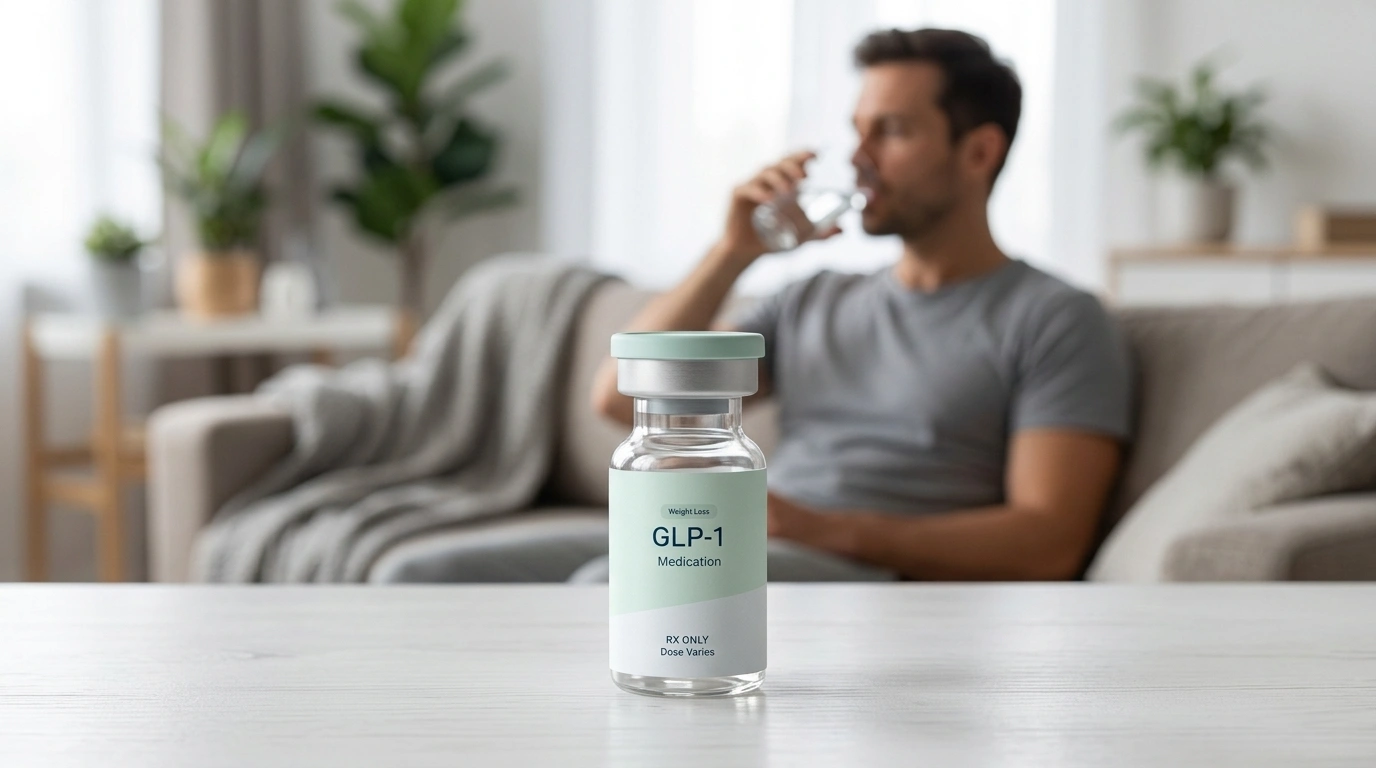
In our shared pursuit of health and well-being, the desire for effective weight loss solutions often leads us down many paths. Sometimes, these paths intersect with tantalizing promises on social media – viral trends that suggest a simpler, quicker route to results. One such trend gaining significant traction involves “GLP-1 patches,” often marketed with names that evoke popular medications like Ozempic. The allure of a painless, needle-free, and seemingly affordable alternative to prescription weight loss injections is understandable. We see countless posts touting these patches as revolutionary, capable of suppressing appetite and melting away pounds without the perceived complexities of medical supervision or prescriptions.
But what happens when the promise of a quick fix collides with the intricate science of human physiology? At TrimRx, our journey began with a shared vision to help individuals embrace healthier lifestyles by merging cutting-edge telehealth innovations with effective weight loss solutions. We are committed to science, empathy, and a transparent approach, which means we believe in empowering you with accurate information to make informed decisions about your health.
The purpose of this comprehensive blog post is to cut through the noise surrounding “GLP-1 patches” and similar products. We will delve into the scientific realities of how GLP-1 medications work, why transdermal (through the skin) delivery for these specific drugs is currently not a viable option, and what ingredients are actually found in these widely advertised patches. More importantly, we will outline the potential risks associated with unregulated products and contrast them with the safe, clinically proven, and personalized weight loss solutions that medical science offers today. By the end of this article, you will have a clear understanding of the difference between online hype and effective, medically-guided weight management, enabling you to identify pathways to sustainable health that are truly tailored to you.
The Allure of the Patch: Why the “Ozempic Patch” Trend Caught Fire
The landscape of weight management is constantly evolving, with new trends and products emerging regularly. The recent surge in popularity of GLP-1 receptor agonists – medications like semaglutide (active ingredient in Ozempic and Wegovy) and tirzepatide (active ingredient in Mounjaro and Zepbound) – has revolutionized how we approach chronic weight management and type 2 diabetes. These medications have demonstrated remarkable efficacy in reducing appetite, delaying gastric emptying, and leading to significant, sustained weight loss.
However, access to these medications often involves a prescription, and for some, the idea of self-injection or the cost without insurance can be barriers. This creates a fertile ground for alternative solutions, especially those that promise similar results without the perceived drawbacks. Enter the “GLP-1 patches,” or as some call them, “Ozempic patches.” These products, predominantly marketed online and through social media, promise the benefits of GLP-1 drugs in a convenient, non-invasive patch form. The appeal is immediate: no needles, no doctor visits (initially, at least), and often a significantly lower upfront cost than prescription medications. Influencer marketing, with anecdotal “before and after” stories, further fuels this perception, making these patches seem like a viable, even superior, alternative.
It’s easy to understand why someone might be drawn to such an appealing concept. The prospect of achieving meaningful weight loss without perceived hassle or discomfort is a powerful motivator. But as we’ll explore, convenience and affordability do not always equate to efficacy and safety, especially when it comes to sophisticated medical interventions.
Unpacking GLP-1 Medications: What Are They and How Do They Really Work?
To understand why a GLP-1 patch as an alternative to medications like Ozempic or Wegovy simply doesn’t align with current science, we first need to grasp the fundamental nature of GLP-1 receptor agonists.
The Science Behind GLP-1 Receptor Agonists
GLP-1 stands for Glucagon-Like Peptide-1. It’s a natural hormone produced in your gut that plays a crucial role in regulating blood sugar levels and appetite. When you eat, your body releases GLP-1, which signals your pancreas to release insulin, helping to lower blood sugar. Crucially, GLP-1 also communicates with your brain to increase feelings of fullness and satiety, while slowing down gastric emptying. This combination helps reduce overall food intake and can lead to significant weight loss.
Prescription GLP-1 receptor agonists, such as semaglutide and tirzepatide, are synthetic versions that mimic the action of this natural hormone. They bind to GLP-1 receptors in the body, initiating the same beneficial cascade of effects, but with a much longer duration of action compared to the natural hormone, which only lasts for seconds to minutes. This sustained effect is key to their clinical effectiveness in managing type 2 diabetes and promoting weight loss.
Current Delivery Methods for GLP-1 Medications
Currently, the vast majority of clinically proven GLP-1 receptor agonists are administered via subcutaneous injection (under the skin), typically once a week. There are also oral forms of semaglutide available. Both methods ensure that the active pharmaceutical ingredient reaches the bloodstream effectively and is absorbed in a way that allows it to exert its therapeutic effects systemically.
Our personalized weight loss program, for instance, offers various GLP-1 options tailored to individual needs, including Compounded Semaglutide, Oral Semaglutide, and the FDA-approved branded medication Ozempic®. For those interested in tirzepatide, we offer Compounded Tirzepatide, Oral Tirzepatide, and the FDA-approved branded options Mounjaro®, Zepbound®, and Wegovy®. Each of these requires a personalized assessment to determine eligibility and ensure the safest, most effective treatment plan.
The Myth of the “Ozempic Patch”: Why Transdermal GLP-1 Delivery Doesn’t Work
Despite the appealing narrative, the scientific consensus is clear: a “GLP-1 patch” that delivers medications like semaglutide or tirzepatide through the skin, in a manner comparable to their injectable forms, does not currently exist and is not scientifically viable with present technology.
The 500 Dalton Rule: Skin as a Barrier
Our skin is an incredibly effective protective barrier, designed to keep harmful substances out and essential bodily fluids in. For a substance to be absorbed through the skin and enter the bloodstream in therapeutic quantities, its molecules generally need to be very small, typically less than 500 Daltons in molecular weight. This is often referred to as the “500 Dalton rule” in pharmacology.
Consider common transdermal patches that do work, such as nicotine patches (nicotine is about 162 Daltons) or certain hormone replacement patches. These medications have small molecular structures that can successfully navigate the skin’s layers.
Now, let’s look at GLP-1 receptor agonists:
- Semaglutide has a molecular weight of over 4,000 Daltons.
- Tirzepatide has an even larger molecular weight, exceeding 4,800 Daltons.
These molecules are simply too large to pass through the skin in any meaningful quantity. Experts universally agree that the large molecular size of these drugs makes transdermal absorption very difficult, if not impossible, with current patch technology. Therefore, any product marketed as an “Ozempic patch” or “GLP-1 patch” implying it contains actual semaglutide or tirzepatide delivered through the skin is fundamentally misrepresenting scientific facts.
The FDA’s Stance and Lack of Approved Products
The U.S. Food and Drug Administration (FDA) is unequivocal on this matter: there are no FDA-approved GLP-1 patches available. The FDA rigorously vets all medications for safety, efficacy, and quality before they can be marketed. Products sold as “GLP-1 patches” are typically dietary supplements, which fall under a different regulatory framework. Dietary supplements do not undergo the same stringent pre-market approval process as prescription drugs, meaning their manufacturers are not required to prove their products are safe or effective before selling them. This leaves consumers vulnerable to unverified claims and potentially unsafe ingredients.
What’s Actually in These “GLP-1 Patches”?
If these patches don’t contain actual GLP-1 medications like semaglutide or tirzepatide, what do they contain? The answer often lies in a blend of herbal extracts, vitamins, and minerals that are commonly found in dietary supplements.
Common Ingredients and Their Unproven Efficacy
Ingredients frequently listed in “GLP-1 patches” include:
- Berberine: A compound found in various plants, berberine has been studied for its potential effects on blood sugar and metabolism. When taken orally, some studies suggest a very modest weight loss (perhaps 2-4 pounds). However, there is no research whatsoever demonstrating its effectiveness when applied transdermally via a patch, nor is there any FDA-approved drug product containing berberine.
- Green Tea Extract (EGCG): Known for its antioxidant properties, oral green tea extract might lead to minimal weight loss (1-3 pounds) in some individuals. Again, transdermal absorption and efficacy for weight loss are entirely unproven.
- Garcinia Cambogia: This tropical fruit extract is often marketed as a weight loss aid, but scientific evidence supporting its effectiveness is generally weak, especially for skin absorption.
- Pomegranate Extract, Mango Seed Extract, Ginger Root Extract, Cinnamon: These botanical ingredients are popular in traditional medicine and some supplements, but there’s no credible research to suggest they promote significant weight loss, particularly when delivered through a patch.
- L-Glutamine: An amino acid, L-glutamine is vital for various bodily functions, but its role in transdermal weight loss is not supported by science.
- B-Vitamin Complex and Chromium: These are essential nutrients, but there’s no evidence they can effectively facilitate weight loss when absorbed through the skin.
Some patches claim to “boost natural GLP-1 levels.” While certain ingredients might indeed have a minor effect on your body’s natural GLP-1 hormone production, it’s crucial to remember that our natural GLP-1 lasts only seconds to minutes. This is a fundamentally different mechanism and duration of action compared to prescription GLP-1 medications, which are designed to last for a week or more at significantly higher, therapeutic concentrations.
The “Wild West” of Supplement Regulation
The dietary supplement industry operates under less stringent regulations than pharmaceuticals. This means there’s often no independent verification of what’s truly in a product, how much of each ingredient it contains, or if the ingredients are even bioavailable (meaning they can be absorbed and utilized by the body) in the advertised form. This lack of standardization and oversight raises significant concerns about quality, purity, and safety.
Potential Risks and Dangers of Unregulated Patches
Beyond the ineffectiveness of “GLP-1 patches,” there are tangible risks associated with using unregulated products that make unverified claims.
Unknown Ingredients and Contaminants
Because these products are not subject to FDA scrutiny for safety and quality, consumers have no guarantee of what they are actually applying to their skin. Reports from consumers and experts highlight concerns about undisclosed ingredients, inaccurate dosages, or even harmful contaminants. For example, some cinnamon products can contain high concentrations of heavy metals if not processed properly. When applying these substances to the skin, you bypass the body’s natural detoxification processes that occur in the digestive system and liver when something is ingested. This means potential toxins could enter the bloodstream directly, leading to unforeseen health consequences.
Skin Irritation and Allergic Reactions
Many users have reported adverse skin reactions, including rashes, burns, blisters, and irritation, from using “GLP-1 patches.” These reactions could be due to allergens in the herbal extracts (like mango or ginger root) or other undisclosed chemicals in the adhesive or patch material itself. Even FDA-approved transdermal patches can sometimes cause skin irritation, but for unregulated products, the risk is compounded by unknown ingredients and manufacturing standards.
Delaying Access to Effective Care
Perhaps one of the most significant dangers is that these unproven patches can distract individuals from seeking legitimate, medically supervised weight loss solutions. People desperate for results might spend money and time on products that offer no real benefit, delaying their access to effective treatments for obesity—a complex disease that often requires medical intervention.
The TrimRx Approach: Personalized, Clinically Proven Weight Loss
At TrimRx, we understand the frustration and challenges many face on their weight loss journey. Our platform is built on the principles of science, empathy, and transparency, offering a user-friendly and supportive space where individuals receive personalized, medically supervised care. We believe sustainable weight loss is attainable when it’s tailored to the individual and backed by clinical evidence.
Our Story and Values
Our journey began with a shared vision: to merge cutting-edge telehealth innovations with effective weight loss solutions, making sustainable weight loss attainable and tailored to each person. We are empathetic, innovative, trustworthy, supportive, results-oriented, and deeply personalized in our approach. We offer compassionate care that respects every individual’s unique journey, combining advanced medical science with modern technology.
Medically Supervised Programs: The Gold Standard
Unlike speculative patches, our programs offer prescription weight loss medications that are clinically proven and provided through FDA-registered and inspected pharmacies. It’s important to clarify that TrimRx partners with these pharmacies for the shipping of weight loss medications and does not provide actual medical supervision; instead, our comprehensive service includes doctor consultations, medication, lab work, unlimited support, and shipping with no hidden fees, all designed to ensure you receive expert guidance throughout your journey.
Our commitment to transparent service means our approach remains consistent, regardless of dosage changes, focusing on your safety and well-being every step of the way.
We offer a range of clinically supported prescription medications designed to aid in weight management:
Personalized Weight Loss Program (Requires a Free Assessment Quiz)
To determine your eligibility and receive a personalized treatment plan, we encourage you to take our free assessment quiz. This crucial step ensures that your treatment is medically appropriate and tailored to your specific health profile. Our prescription offerings include:
- Compounded Semaglutide: A customized formulation of semaglutide, provided through FDA-registered and inspected pharmacies.
- Oral Semaglutide: An orally administered form of semaglutide for those who prefer not to inject.
- Ozempic®: An FDA-approved branded medication (semaglutide injection) for type 2 diabetes that has also been shown to aid weight loss.
- Compounded Tirzepatide: A customized formulation of tirzepatide, provided through FDA-registered and inspected pharmacies.
- Oral Tirzepatide: An orally administered form of tirzepatide.
- Mounjaro®: An FDA-approved branded medication (tirzepatide injection) for type 2 diabetes, recognized for its significant weight loss benefits.
- Zepbound®: An FDA-approved branded medication (tirzepatide injection) specifically approved for chronic weight management.
- Wegovy®: An FDA-approved branded medication (semaglutide injection) specifically approved for chronic weight management.
When considering these prescription options, remember that our medications, whether branded or compounded, are provided through FDA-registered, inspected, and approved pharmacies. For branded medications like Ozempic® and Zepbound®, we can reference their FDA approval. For compounded medications, it’s important to note they are not FDA approved themselves, but the pharmacies we partner with are FDA-registered and inspected. This distinction is crucial for consumer safety and regulatory compliance.
Complementary Support: Quick-Access Supplements
Beyond prescription medications, we understand that supporting your overall wellness is key to a holistic weight loss journey. Our quick-access supplements are available for immediate purchase to complement your efforts:
- GLP-1 Daily Support: This supplement is designed to support your body’s natural processes, aiding in overall wellness during your weight loss journey.
- Weight Loss Boost: Formulated to offer additional support, this supplement is a convenient option to enhance your weight management efforts.
These quick-access supplements do not require a quiz and are available to help you on your path to a healthier lifestyle.
Why a Personalized, Medically Supervised Approach is Essential
Obesity is recognized as a complex, chronic disease, not merely a matter of willpower. It is influenced by a multitude of factors, including genetics, metabolism, hormones, environment, and lifestyle. Addressing such a multifaceted condition effectively requires a comprehensive and individualized strategy, which is precisely what medically supervised programs offer.
Beyond the Scale: Comprehensive Health Benefits
Effective weight loss, guided by healthcare professionals, can lead to significant improvements in overall health, including:
- Reduced risk of chronic diseases: Lowering body weight can dramatically decrease the risk of type 2 diabetes, heart disease, stroke, certain cancers, and sleep apnea.
- Improved metabolic health: Medications like GLP-1 receptor agonists directly impact metabolic markers, leading to better blood sugar control, cholesterol levels, and blood pressure.
- Enhanced quality of life: Losing excess weight often results in increased energy, improved mobility, reduced joint pain, and better mental health, including reduced symptoms of depression and anxiety.
The Role of Medical Professionals
A key differentiator of programs like TrimRx is the involvement of qualified medical professionals. During a consultation, a doctor will:
- Assess your health history: This includes evaluating existing conditions, medications, and potential contraindications.
- Conduct necessary lab work: This ensures a clear understanding of your current metabolic health and helps monitor progress and safety.
- Create a personalized treatment plan: This plan considers your unique needs, goals, and response to treatment, including appropriate medication selection and titration schedules.
- Provide ongoing support and monitoring: Regular check-ins and unlimited support ensure that any side effects are managed effectively and your plan can be adjusted as needed.
This level of individualized care and clinical oversight is simply not present with unregulated “GLP-1 patches.”
The Path Forward: Making Informed Choices
In an age brimming with information and endless product advertisements, discerning what truly works for weight loss can feel overwhelming. The allure of quick fixes and effortless solutions, such as the supposed “Ozempic patch,” is powerful. However, the science is clear: sustainable, safe, and effective weight loss requires an evidence-based approach rooted in medical understanding.
We encourage you to pause and critically evaluate any weight loss product making extraordinary claims, especially those that bypass conventional medical oversight. Ask yourself:
- Is this product FDA-approved for its stated purpose?
- Are its ingredients and their delivery mechanisms scientifically plausible?
- Does it offer personalized medical guidance and support?
Choosing a weight loss journey is a significant step toward a healthier life. It’s a journey that deserves to be supported by expertise, compassion, and proven science. At TrimRx, we stand by our commitment to providing safe, effective solutions designed to help you achieve your health goals sustainably.
If you’re ready to explore a personalized, medically supervised weight loss program, we invite you to take our free assessment quiz today. Discover if you qualify for prescription weight loss medications and receive a plan tailored just for you. For immediate support for your overall wellness during this journey, consider our quick-access supplements, GLP-1 Daily Support and Weight Loss Boost. Your health is a priority, and with the right support, your goals are within reach.
Conclusion
The pursuit of weight loss is a deeply personal and often challenging journey. While the idea of a simple “Ozempic patch” for weight loss might sound appealing, the scientific evidence unequivocally shows that such products do not deliver actual GLP-1 medications effectively through the skin, nor are they regulated or proven safe. These widely advertised “GLP-1 patches” do not work in the way prescription GLP-1 receptor agonists like Ozempic, Wegovy, Mounjaro, or Zepbound do, and they carry inherent risks due to a lack of oversight and unknown ingredients.
At TrimRx, we are dedicated to offering you pathways to sustainable weight loss that are grounded in clinical science, personalized care, and unwavering support. Our comprehensive programs, featuring medically supervised prescription medications and supportive quick-access supplements, represent a transparent and effective alternative to unproven trends. We believe that your health deserves nothing less than the gold standard in care, guided by empathy and delivered with integrity.
Choosing the right approach means choosing safety, efficacy, and genuine support. We encourage you to make informed decisions for your health and to partner with professionals who prioritize your well-being. To begin exploring a science-backed, personalized weight loss solution, please take our free assessment quiz to see if you qualify for our prescription options. For complementary wellness support, our GLP-1 Daily Support and Weight Loss Boost supplements are also available to empower your journey.
FAQ
Q1: Does an “Ozempic patch” or “GLP-1 patch” actually deliver prescription weight loss medication through the skin?
No, scientifically speaking, an “Ozempic patch” or “GLP-1 patch” does not effectively deliver prescription weight loss medications like semaglutide or tirzepatide through the skin. The molecules of these medications are too large (over 4,000 Daltons) to be absorbed in therapeutic quantities through the skin’s protective barrier, which typically only allows molecules smaller than 500 Daltons to pass. The FDA has not approved any such transdermal GLP-1 patch.
Q2: What ingredients are typically found in these “GLP-1 patches” if not actual GLP-1 medications?
These patches commonly contain herbal extracts such as berberine, green tea extract, garcinia cambogia, and other botanicals, along with vitamins and minerals like B-complex and chromium. While some of these ingredients may have very modest effects when taken orally, there is no scientific evidence to support their efficacy for weight loss when applied transdermally via a patch. They do not contain the active pharmaceutical ingredients found in prescription GLP-1 receptor agonists.
Q3: Are “GLP-1 patches” safe to use, given they are not FDA-approved?
The safety of “GLP-1 patches” is a significant concern because they are not FDA-approved and thus lack regulatory oversight regarding their ingredients, manufacturing standards, or efficacy claims. Consumers cannot be sure what is truly in these products, or at what concentrations. Reports include adverse skin reactions like rashes, burns, and blisters. Furthermore, using unproven methods can delay individuals from seeking effective, medically supervised weight loss solutions for obesity.
Q4: How can I find a safe and effective weight loss solution?
For safe and effective weight loss, it is crucial to seek medically supervised programs that are based on clinical evidence. At TrimRx, we offer personalized, medically supervised weight loss solutions, including prescription GLP-1 receptor agonists (like Compounded Semaglutide, Ozempic®, Compounded Tirzepatide, Zepbound®, and Wegovy®) provided through FDA-registered and inspected pharmacies. Our comprehensive service includes doctor consultations, lab work, ongoing support, and medication shipping. To see if you qualify for a personalized treatment plan, we encourage you to take our free assessment quiz. For immediate support, explore our quick-access supplements like GLP-1 Daily Support and Weight Loss Boost.

Transforming Lives, One Step at a Time
Keep reading

What “Ozempic Vulva” Really Is and Why Weight Loss Changes It
If you’ve noticed that your vulva looks different after losing weight on a GLP-1 medication, you’re not imagining it, and you’re not alone. “Ozempic…

Ozempic Alternatives: Your Options Compared
If Ozempic isn’t the right fit, whether because of cost, side effects, availability, or results, you have real alternatives. The closest ones are other…
Ozempic vs Wegovy: Same Drug, Different Purpose
Here’s the fact that surprises most people: Ozempic and Wegovy are the same medication (semaglutide), just sold under different brand names, at different doses,…


