What Color Is Tirzepatide Compound?
Introduction
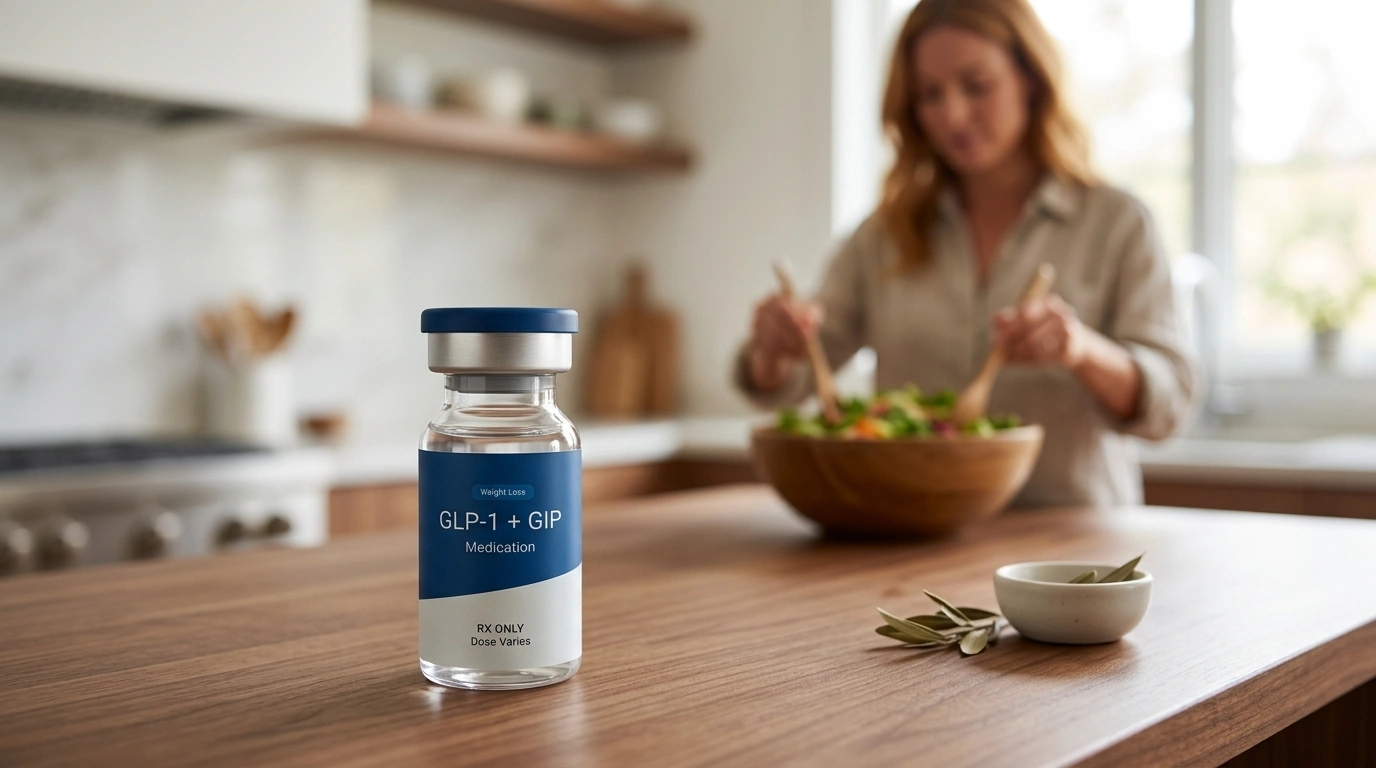
Opening your delivery of medication for the first time can bring a mix of excitement and nervous anticipation. You have committed to a new path for your health, but as you pull the vial from its temperature-controlled packaging, a question might arise: “Is it supposed to look like this?” Visual appearance is one of the first things patients notice, and when it comes to compounded tirzepatide, the answer isn’t always the same for everyone. While we often expect medications to be perfectly clear, certain formulations may arrive with a distinct hue. At TrimRx, we believe that understanding exactly what goes into your treatment—and what it should look like—is the first step toward a confident and successful weight loss journey. This article will explain the different colors you might see, why they occur, and how to tell if your medication is safe to use.
Understanding Tirzepatide and Its Visual Properties
Tirzepatide is a dual-acting medication known as a GIP and GLP-1 receptor agonist. In plain English, this means it mimics two different natural hormones in your body: glucagon-like peptide-1 (GLP-1) and glucose-dependent insulinotropic polypeptide (GIP). These hormones work together to regulate your blood sugar and tell your brain that you are full. By slowing down how fast your stomach empties and signaling satiety, tirzepatide may support significant weight loss when combined with lifestyle changes.
When tirzepatide is produced by a pharmaceutical manufacturer as a branded product, such as Mounjaro® or Zepbound®, it is typically provided in a single-dose pen. In these branded forms, the liquid is almost always colorless and clear. However, compounded tirzepatide is different. Compounded medications are prepared by specialized, FDA-registered and inspected compounding pharmacies to meet the specific needs of an individual patient. Because these pharmacies may add other vitamins or nutrients to the base medication, the color can vary significantly. For more detail, read about what is in compounded tirzepatide.
Quick Answer: Pure compounded tirzepatide is naturally clear and colorless. However, it is very common for it to appear pink or red if it has been compounded with Vitamin B12 (cyanocobalamin) to help support energy levels or manage side effects.
Why Compounded Tirzepatide Is Often Pink or Red
The most common reason for a color change in compounded tirzepatide is the addition of Vitamin B12. Many healthcare providers choose to include Vitamin B12, specifically a form called cyanocobalamin, in the same vial as the tirzepatide. Cyanocobalamin is a deep, dark red crystalline powder in its raw form. When it is dissolved into a liquid solution for injection, it turns the liquid a light pink to a vibrant red, depending on the concentration used.
There are several clinical reasons why a provider might prescribe a “combination” compound. Many patients starting on GLP-1 or GIP medications experience fatigue as their body adjusts to a lower caloric intake. Vitamin B12 is well-known for its role in energy metabolism and red blood cell production. Including it in the formulation is a way to potentially support the patient’s overall well-being during the treatment process.
If your vial is pink or red, it does not mean the medication is “stronger” or “tainted.” It simply indicates the presence of this specific vitamin. Always check your prescription label or the paperwork provided by the pharmacy; it will list all active ingredients, including “Tirzepatide” and often “Cyanocobalamin” or “B12.”
The Role of Other Additives and Their Colors
While Vitamin B12 is the most frequent additive, some compounding pharmacies may use other ingredients that can influence the appearance of the liquid. For example, some formulations might include Vitamin B6 (pyridoxine). While Vitamin B6 is generally clear to slightly yellowish in solution, when mixed with other components, it might give the liquid a very faint straw-colored tint.
It is important to remember that the “active” medication—the tirzepatide itself—is clear. Any color you see is a result of the “excipients” or additional vitamins added by the compounding pharmacist. These additions are part of a personalized approach to weight loss that we facilitate through our platform, ensuring that the treatment fits the unique health profile of the individual.
Clarity Versus Color: What to Look For
While the color of your medication can vary, the clarity should remain consistent. Regardless of whether your tirzepatide compound is clear, pink, or red, it should be “transparent.” This means you should be able to see through the liquid easily. It should not look milky, foggy, or “cloudy.”
Cloudiness in a medication that is supposed to be a solution can be a sign of several issues:
- Precipitation: This happens when the solid ingredients fall out of the liquid solution, often due to extreme temperature changes.
- Contamination: If bacteria or other contaminants enter the vial, the liquid may become murky or develop a film.
- Degradation: If the medication has expired or been exposed to excessive light or heat, the chemical structure may break down, changing the physical appearance.
Key Takeaway: Color (like pink or red) is usually a normal result of added vitamins like B12, but cloudiness or visible particles are always a reason to stop and consult your healthcare provider.
Signs Your Tirzepatide Compound May Be Compromised
Knowing what “normal” looks like is only half the battle; you must also know the warning signs of a compromised vial. Because compounded tirzepatide is a sterile injectable, its integrity is paramount for your safety. Before every dose, you should perform a quick visual inspection of the vial. For additional guidance, review how to give a tirzepatide injection safely.
Do not use the medication and contact your provider if you notice any of the following:
- Visible Particles: If you see “floaties,” flakes, or crystals at the bottom or suspended in the liquid, the vial is not safe for use.
- Extreme Discoloration: While pink is normal for B12, if the medication turns a dark brown or a murky yellow that wasn’t there before, it may have oxidized.
- Leaking or Cracked Vials: Any breach in the glass container means the medication is no longer sterile.
- Changes in Texture: The liquid should have a consistency similar to water. If it appears thick, syrupy, or “stringy,” it should be discarded.
How Compounding Pharmacies Ensure Quality
It is a common misconception that compounded medications are “unregulated.” While compounded tirzepatide and compounded semaglutide are not “FDA-approved” in the same way branded drugs are, they are prepared by pharmacies that must adhere to strict state and federal regulations. The pharmacies we partner with at TrimRx are FDA-registered and inspected.
These facilities follow USP (United States Pharmacopeia) standards for sterile compounding. This involves rigorous testing for potency, sterility, and purity. When a pharmacist creates a tirzepatide compound, they are working in a cleanroom environment designed to prevent any contamination. The inclusion of Vitamin B12 or other nutrients is done with precision, ensuring that the color you see is the intended result of a high-quality, professional formulation.
Proper Storage to Maintain Medication Color and Integrity
The way you store your tirzepatide compound significantly impacts its color and effectiveness. Most tirzepatide medications, whether branded or compounded, are sensitive to temperature and light. See these tirzepatide expiration and storage guidelines for more information.
Follow these storage steps to keep your medication in peak condition:
- Keep it Cold: Most compounded tirzepatide should be stored in the refrigerator between 36°F and 46°F (2°C to 8°C). Do not allow it to freeze. If the medication freezes, the tirzepatide molecule can break down, making it ineffective.
- Protect from Light: Tirzepatide and Vitamin B12 are light-sensitive. The vials are often made of amber glass or should be kept inside the original box to shield them from UV rays, which can cause the medication to degrade and change color.
- Check the Date: Every compounded vial will have a “Beyond Use Date” (BUD). This is different from a standard expiration date. It tells you the last day the medication is guaranteed to be sterile and potent.
Note: Always consult with your licensed healthcare provider or the dispensing pharmacy for the specific storage requirements of your individual prescription, as formulations can vary.
Why Texture Matters in Your Compound
While the search for “what color is tirzepatide compound” brings many people here, texture is just as important. When you draw the medication into the syringe, it should move easily. There should be no resistance caused by the thickness of the liquid. Compounded tirzepatide is an aqueous solution, meaning it is water-based.
If you ever find that the liquid feels “oily” or “gritty,” this is a red flag. Injecting a compromised solution can lead to injection site reactions, such as redness, swelling, or even infection. By maintaining a clear, water-like consistency, the medication is absorbed properly into the subcutaneous (under the skin) fat, where it can begin its work in your system.
How to Get Started with a Personalised Program
Navigating the world of GLP-1 and GIP medications can feel overwhelming, but you don’t have to do it alone. The journey toward sustainable weight loss is about more than just a vial of medication; it is about finding a program that understands your specific needs. We focus on providing a telehealth-first experience that removes the barriers of traditional doctor’s visits.
The process begins with a free assessment quiz. This allows us to gather information about your health history, your weight loss goals, and any previous experiences you’ve had with weight management. From there, you are connected with a licensed healthcare provider who can determine if a tirzepatide compound or another GLP-1 medication is appropriate for you.
Our programs are designed to be transparent. We include the doctor’s consultation, the medication shipped from an inspected compounding pharmacy, and unlimited support in one consistent program. There are no hidden fees, even if your dosage changes as you progress. This ensures that your focus remains on your health, not on navigating a complex medical system.
Managing Expectations and Realistic Outcomes
Using tirzepatide is a powerful tool, but it is most effective when part of a broader lifestyle change. Research suggests that dual GIP and GLP-1 receptor agonists can help reduce appetite and support weight management more effectively than diet and exercise alone for many individuals. However, the timeline for results varies from person to person.
During the first few weeks, your body is adjusting to the medication. This is the period where you are most likely to notice the color of your medication as you learn the routine of self-administration. Whether your compound is clear or pink, its job is to help you feel satisfied with smaller portions and reduce the “food noise” that often derails weight loss efforts.
What to expect in the first month:
- Appetite Suppression: Most patients begin to feel a decrease in hunger within the first few days.
- Mild Side Effects: Some may experience nausea or fatigue, which is why additives like Vitamin B12 are often included.
- Consistent Support: Our team is available 24/7 to answer questions about your medication’s appearance or how you are feeling.
Bottom Line: The color of your tirzepatide compound—whether clear or pink—is a normal part of the compounding process. Focus on the clarity of the liquid and follow proper storage guidelines to ensure your treatment remains safe and effective.
The TrimRx Approach to Weight Loss
At TrimRx, our mission is to help individuals embrace healthier lifestyles through science, empathy, and transparency. We understand that weight loss is a deeply personal journey that often comes with years of frustration from failed diets and confusing advice. Our platform is built to provide a modern, medically supervised alternative that prioritizes your convenience and health. By merging clinical expertise with an easy-to-use telehealth platform, we provide access to high-quality compounded medications like tirzepatide and semaglutide, helping you take a realistic next step toward a healthier you. See if you qualify for a personalized program.
FAQ
Is it safe to inject pink tirzepatide compound?
Yes, it is generally safe to inject pink or red tirzepatide compound, provided the color is due to the addition of Vitamin B12 (cyanocobalamin). This is a very common practice in compounding to help with energy levels and minimize potential side effects. Always confirm the ingredients on your prescription label to ensure B12 was intended to be in your formulation.
Why is some tirzepatide clear and others pink?
The difference in color usually comes down to the specific recipe used by the compounding pharmacy. Branded versions or pure tirzepatide compounds are naturally colorless and clear. If a pharmacy adds Vitamin B12, the solution will turn pink or red; if they add other nutrients or keep it as a base medication, it will remain clear. You can also review this guide to compounded tirzepatide ingredients for more context.
What should I do if my tirzepatide compound looks cloudy?
If your medication appears cloudy, milky, or contains visible particles, you should not use it. Cloudiness can be a sign of bacterial contamination, chemical breakdown, or the medication having been frozen or overheated. Contact your healthcare provider or the dispensing pharmacy immediately for a replacement. For storage-related questions, see how long tirzepatide can be stored safely.
Does the color of the tirzepatide affect how well it works?
The color itself does not change the effectiveness of the tirzepatide molecule. Whether the solution is clear or pink, the tirzepatide works the same way to regulate appetite and blood sugar. The pink color simply indicates that you are receiving a supplemental vitamin alongside your primary weight loss medication. If you are considering a supervised prescription program, complete a free eligibility assessment.
Disclaimer: This content is for informational purposes only and does not constitute medical advice. It is not intended to diagnose, treat, cure, or prevent any disease or condition. Individual results may vary. Always consult a qualified healthcare professional before starting any weight loss program or medication.

Transforming Lives, One Step at a Time
Keep reading

Starting Tirzepatide While on the Pill: The First Four Weeks
You have your first box and you take an oral contraceptive. There is a labeled instruction that applies to you, and the mistake almost…

Marathon Training on Tirzepatide When You Can’t Fuel
You have a plan on the fridge and a medication that has made eating feel optional. Those two things are in genuine conflict, and…

Paying Cash for Tirzepatide? Don’t Stretch Your Supply
When every vial comes out of your own pocket, the arithmetic is hard to ignore. If a month’s supply costs what it costs, and…


