Are Grapes Good for Weight Loss? Our Professional Take
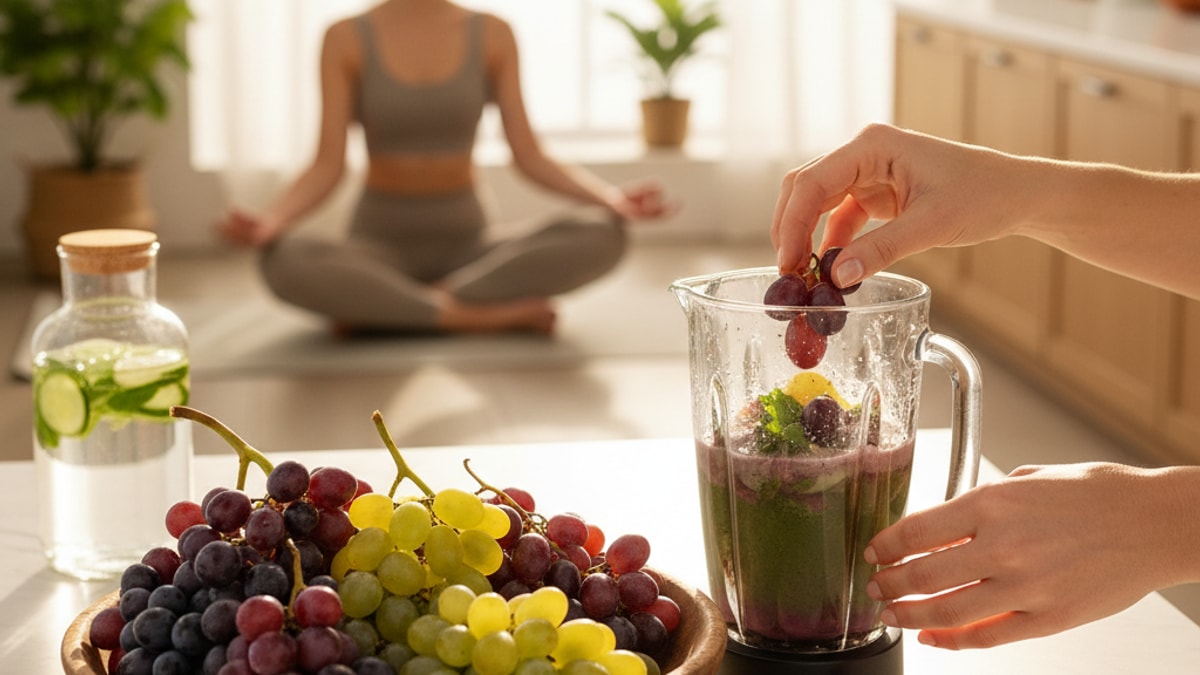
Let's cut right to it. The question, "are grapes good for weight loss?" is one we hear constantly. It’s usually asked with a bit of hesitation, as if the person already knows the answer is a resounding 'no'. The reputation precedes them: they're sweet, they're nature's candy, they're full of sugar. And in the world of weight management, sugar has become public enemy number one. It's a simple, almost seductive narrative. But honestly? It's incomplete.
Here at TrimrX, our entire approach is built on medical science and a nuanced understanding of metabolism. We guide patients using powerful, FDA-registered GLP-1 medications like Semaglutide and Tirzepatide, tools that fundamentally change the body's relationship with hunger and blood sugar. But we can't stress this enough: medication is one part of a much larger, more holistic picture. True, sustainable success comes from pairing these medical breakthroughs with intelligent, real-world nutritional strategies. So, when our patients ask us about grapes, we don't give them a simple yes or no. We give them the full story, and that’s exactly what we’re going to do for you here.
The Great Sugar Debate: Unpacking the Grape Myth
First, we have to talk about the sugar. There's no getting around it; grapes contain sugar. A single cup of grapes has about 15 grams of sugar, primarily fructose. For anyone who's ever glanced at a nutrition label, that number might set off alarm bells. We've been conditioned to see sugar as the villain responsible for weight gain and metabolic issues. And in many cases, that's absolutely true—when we're talking about added sugars in processed foods, sugary sodas, and refined carbohydrates.
But the sugar in a whole grape is a different beast entirely. It's a completely different metabolic proposition. Why? Because it doesn't come alone. It arrives packaged exactly as nature intended: encased in a matrix of water, fiber, vitamins, and powerful phytonutrients. This isn't a free-for-all sugar rush hitting your bloodstream like a shot of high-fructose corn syrup. The fiber in the grape's skin and pulp acts as a brake, slowing down the absorption of that fructose. This leads to a much more moderate impact on your blood sugar levels.
This is where the concepts of Glycemic Index (GI) and Glycemic Load (GL) become critical. The GI measures how quickly a food raises blood sugar, and grapes have a GI of around 53, which is considered low. The GL, which many nutrition scientists now consider a more useful metric, takes portion size into account. The GL of a standard serving of grapes is also quite low. What this means in practical terms is that a sensible portion of grapes is unlikely to cause the dramatic blood sugar spikes and subsequent crashes that fuel hunger, cravings, and fat storage. It's a gentle curve, not a jagged peak. This is a significant, sometimes dramatic shift in perspective for people accustomed to thinking of all sugars as equal.
More Than a Sweet Treat: The Nutritional Arsenal in Every Grape
Fixating only on the sugar content of grapes is like judging a book by a single word on its cover. It's a colossal mistake. Our team has found that a food's role in weight management is determined by its total nutritional profile, not just one component. And grapes are, frankly, a nutritional powerhouse.
Let’s start with hydration. Grapes are over 80% water. Proper hydration is a critical, non-negotiable element of any effective weight loss plan. It supports metabolism, helps you feel full, and keeps your body's systems running optimally. Snacking on a handful of grapes is a delicious way to contribute to your daily fluid intake.
Then there's the fiber. We mentioned it in the context of sugar absorption, but its benefits are far more sprawling. The insoluble fiber in the grape skins adds bulk, promoting feelings of fullness and satiety. This is huge. When you feel full and satisfied, you're far less likely to reach for calorie-dense, nutrient-poor snacks later on. It’s a simple equation: more satiety equals less overall calorie consumption. Simple, right? Our experience shows that patients who prioritize fiber-rich whole foods consistently have an easier time adhering to their calorie targets.
And we haven't even touched on the micronutrients. Grapes are a fantastic source of antioxidants, most notably resveratrol, which is concentrated in the skins of red and purple grapes. Resveratrol has been the subject of countless studies for its potential anti-inflammatory and metabolic benefits. While eating grapes won't single-handedly transform your metabolism, incorporating foods rich in these compounds supports overall cellular health, which is the foundation of a well-functioning body. They also contain Vitamin C and Vitamin K, both essential for immune function and overall health. It's a comprehensive package.
Grapes in a Modern Weight Loss Plan: The TrimrX Approach
Now, this is where it gets interesting. How do we translate this nutritional science into practical advice, especially for our patients who are using GLP-1 medications to help manage their weight? For them, appetite is already suppressed, and making every calorie count is paramount. This is where strategic eating becomes an art form.
We don't tell our patients to eat grapes with abandon. We teach them to use grapes as a strategic tool. Are you fighting a powerful craving for something sweet after dinner? A small bowl of frozen grapes is a spectacular alternative to ice cream or cookies. They’re sweet, satisfying, and take a while to eat, giving your brain time to register fullness. The cold, sorbet-like texture is genuinely delightful. It’s a win-win—you satisfy the craving without derailing your progress.
Another key principle we emphasize is food pairing. You can further buffer the glycemic response of grapes by pairing them with a source of protein or healthy fat. Think a handful of grapes with a small piece of cheese, a few almonds, or a dollop of plain Greek yogurt. This combination provides a trifecta of carbohydrates for quick energy, and protein and fat for sustained satiety and an even slower, more controlled release of sugar into the bloodstream. This approach (which we've refined over years) delivers real results in appetite management.
For anyone on a weight loss journey, whether medically assisted or not, mindset is everything. Viewing food as 'good' or 'bad' often leads to a destructive cycle of restriction and binging. We encourage a shift towards viewing food as 'fuel' and 'tools'. In this framework, are grapes good for weight loss? Absolutely. They are an excellent tool for managing sweet cravings, boosting hydration, and increasing your intake of fiber and antioxidants. They are a far superior choice to almost any processed sweet snack you could find.
Grapes vs. Other Common Snacks: A Head-to-Head Comparison
To put this into perspective, let's compare grapes to a few other common snacks people reach for when trying to lose weight. The differences are stark and revealing.
| Snack (Approx. 100-Calorie Serving) | Key Feature | Fiber Content | Water Content | Satisfaction Factor (Our Professional Observation) |
|---|---|---|---|---|
| Grapes (~1.5 cups) | Whole food, hydrating, sweet | ~1.4g | High | High – Satisfies sweet cravings, volume is filling. |
| 'Diet' Cereal Bar | Processed, often has added sugar | Varies, often low | Very Low | Low to Medium – Can trigger more cravings due to refined carbs. |
| Rice Cakes (2-3 cakes) | Low-calorie, crunchy | ~0.8g | Very Low | Low – Often described as 'eating air'. Provides crunch but little substance. |
| Pretzels (~1 oz) | Salty, crunchy | ~0.9g | Very Low | Low – High in refined carbs and sodium, easy to overeat. |
| Apple Slices (~1 medium apple) | Whole food, high in pectin | ~4.4g | High | Very High – The combination of fiber and chewing is highly satiating. |
What our team sees here is clear. The whole foods—grapes and apples—provide not just nutrients, but also volume from water and fiber, which are critical for signaling fullness to the brain. Processed 'diet' foods often lack both, leaving you feeling unsatisfied and prone to overeating later. The table makes it obvious: grapes hold their own as a smart, satisfying snack choice.
Practical Ways We Recommend Enjoying Grapes
Knowing grapes are a good option is one thing; integrating them into your daily routine is another. It's becoming increasingly challenging for people with demanding schedules to make healthy choices consistently. So, we always provide our patients with simple, actionable tips. Here are a few of our favorites:
- The Frozen Treat: We mentioned this before, but we can't stress it enough. Wash and dry your grapes, spread them on a baking sheet, and freeze them solid. They become like tiny, natural sorbet bites. Perfect for a hot day or a late-night sweet craving.
- Salad Enhancer: Halve some red grapes and toss them into a chicken or turkey salad. They add a burst of sweetness and moisture that perfectly complements savory ingredients. This works beautifully in green salads too, especially with a sharp cheese like feta or goat cheese and some toasted walnuts.
- Yogurt & Oatmeal Topper: Instead of sugary jams or honey, use fresh grapes to top your plain Greek yogurt or morning oatmeal. It adds natural sweetness and a pleasing textural contrast.
- Roasted Delight: This might sound unusual, but roasting grapes is a game-changer. Toss them with a tiny bit of olive oil and roast at 400°F (200°C) until they start to burst. They become incredibly sweet and jammy. Serve them alongside roasted chicken or pork for an elegant, healthy meal.
These aren't just recipes; they're strategies. They're ways to incorporate a healthy, whole food into your diet in a way that feels indulgent and satisfying rather than restrictive. It's a critical mindset shift that is essential for long-term adherence and success. If you're just starting to think about how to build a healthier lifestyle, these small steps can make a massive difference. You can even Take Quiz on our site to see if a more structured, medically-guided program is the right next step for your journey.
Potential Pitfalls: When Grapes Can Work Against You
Let's be honest, this is crucial. No food is magical, and even the healthiest options can be detrimental if consumed improperly. Grapes are no exception. The primary danger with grapes lies in mindless eating and portion distortion.
Because they're small, sweet, and easy to eat, it's incredibly easy to polish off a huge bunch while watching TV or working at your desk, not even registering how much you've consumed. This is where those 15 grams of sugar per cup can start to add up, turning a healthy snack into a significant calorie and sugar load. This is the single biggest mistake we see people make.
Our recommendation is simple but effective: portion them out. Never eat directly from the bag or container. Take out one serving—about a cup—put it in a bowl, and put the rest away. This simple act of mindfulness creates a hard stop and forces you to acknowledge how much you're eating.
Another consideration is the form. Grape juice is not the same as whole grapes. Not even close. Juicing strips away the all-important fiber, leaving you with what is essentially sugar water. It's a concentrated source of calories and sugar that will spike your blood sugar rapidly. We advise all our patients to steer clear of fruit juices and always opt for the whole fruit instead. The same goes for dried grapes—raisins. They are a very concentrated source of sugar, and it's much easier to overeat them compared to fresh grapes. While not 'bad', portion control is even more critical.
So, while we've established that the answer to "are grapes good for weight loss" is a qualified yes, that qualification rests on mindfulness and portion control. It's about using them intentionally, not consuming them passively.
Building this kind of nutritional intelligence is a cornerstone of the long-term success we see in our patients. It’s about more than just a diet; it’s about rewiring your relationship with food for lasting health. The tools and support we provide are designed to make that transformation possible. If you feel like you've tried everything and are ready to combine this kind of nutritional knowledge with a powerful medical tool that can finally move the needle, we're here. You can Start Your Treatment with us and begin that journey today.
Ultimately, grapes are not the enemy. The real enemies in a weight loss journey are misinformation, restrictive mindsets, and a lack of a sustainable strategy. By understanding the complete nutritional profile of a food like grapes, you can move beyond the fear-based narratives and start making empowered, intelligent choices. They can absolutely be part of a healthy, effective, and even enjoyable weight loss plan. It’s all in how you use them.
Frequently Asked Questions
How many grapes can I eat a day when trying to lose weight?
▼
Our team generally recommends sticking to one serving, which is about one cup or roughly 15-20 grapes. This provides the nutritional benefits and satisfies a sweet tooth without adding an excessive amount of sugar or calories to your day.
Are red or green grapes better for weight loss?
▼
Both are great choices! Red and purple grapes have a slight edge due to higher concentrations of the antioxidant resveratrol in their skins. However, the difference in calories and fiber is negligible, so we recommend choosing whichever you enjoy most.
Do grapes cause belly fat?
▼
No single food causes fat gain in a specific area. Weight gain, including belly fat, is caused by a consistent surplus of calories. Eaten in moderation as part of a balanced diet, grapes will not cause belly fat and can actually support weight loss by providing satiety.
Can I eat grapes on a low-carb or keto diet?
▼
Grapes are generally too high in natural sugars for a strict ketogenic diet. On a more moderate low-carb diet, a very small portion might fit into your daily carb allowance, but you’d need to be very mindful of the serving size.
Is it better to eat grapes in the morning or at night?
▼
There’s no definitive ‘best’ time. Some people find them to be a great source of natural energy in the morning, while others, as we’ve noted, find frozen grapes to be a perfect low-calorie dessert to prevent late-night snacking on less healthy options.
Will grapes spike my blood sugar if I have insulin resistance?
▼
Because of their fiber content, whole grapes have a low glycemic index and are less likely to cause a sharp spike than many other sweet foods. Pairing them with a protein or fat source, like nuts or cheese, can further blunt any blood sugar response.
Are organic grapes a better choice for weight loss?
▼
From a weight loss perspective, the calorie and nutrient content is virtually identical. However, grapes are often on the ‘Dirty Dozen’ list for pesticide residue, so choosing organic can be a good way to reduce your exposure to these chemicals if that’s a concern for you.
Can grapes help with hydration?
▼
Absolutely. Grapes are over 80% water, making them an excellent and flavorful way to contribute to your daily hydration goals. This is a key benefit that’s often overlooked in weight management.
What’s the difference between eating grapes and drinking grape juice?
▼
This is a critical distinction. Whole grapes contain fiber, which slows sugar absorption and helps you feel full. Grape juice has all the fiber removed, making it a concentrated source of sugar that can spike blood sugar and is much easier to over-consume.
Can the sugar in grapes lead to more sugar cravings?
▼
Unlike the refined sugar in processed snacks, the sugar in grapes is paired with fiber and water. This leads to a more stable blood sugar response, making it less likely to trigger the cycle of spikes and crashes that fuel intense cravings.
Are frozen grapes as healthy as fresh ones?
▼
Yes, freezing grapes does not significantly impact their nutritional value. It’s an excellent preparation method our team recommends to change the texture into a satisfying, sorbet-like treat, which can be particularly helpful for managing dessert cravings.
How do grapes fit into a diet for someone on a GLP-1 medication like Semaglutide?
▼
For our patients on GLP-1s, nutrient density is key since their appetite is reduced. Grapes serve as a nutrient-dense way to satisfy sweet cravings, provide hydration, and get antioxidants, fitting perfectly into a well-planned, calorie-conscious diet.

Transforming Lives, One Step at a Time
Keep reading

What to Do With a Full Pantry You No Longer Eat From
Sort it into three piles rather than clearing it all out: donate, keep, and discard. The mistake most people make is emptying the whole…

How to Handle a Business Dinner When the Client Orders for the Table
This is the one dining situation where your usual tools do not work. You cannot order a starter as your main, cannot ask for…
How to Handle Group Dinners Where Everyone Shares Plates
Shared dining is generally easier than a fixed plate, not harder, and it is worth going in with that framing. When everyone is taking…


