Are Potatoes Healthy for Weight Loss? The Expert Take
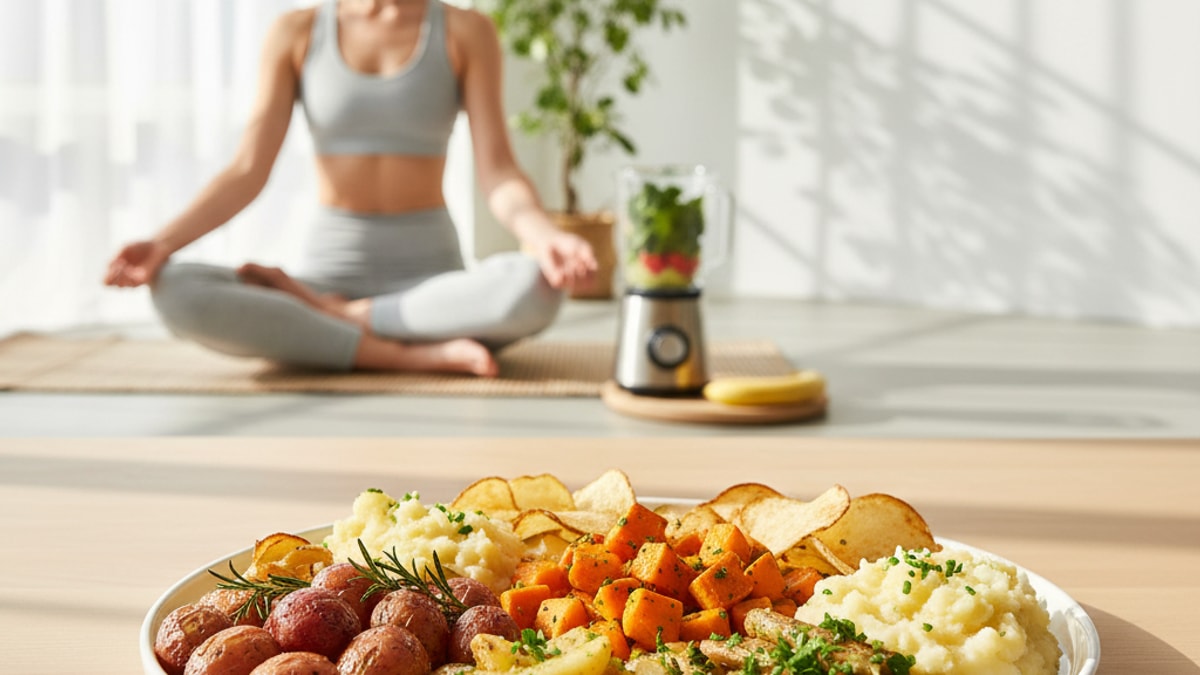
Let's talk about the potato.
For years, it's been the villain in the weight loss story. The first thing people cut out. The starchy nemesis of low-carb diets everywhere. We've all heard it, and many of us have probably tried it—ditching the spuds in a desperate bid to see the number on the scale go down. But our team at TrimrX is here to tell you something that might be surprising: the potato has been misunderstood. Seriously. The narrative that potatoes are inherently fattening is one of the most persistent and, frankly, unhelpful myths in nutrition. It's a simplistic take on a complex topic, and it's causing people to miss out on a nutrient-dense, satisfying, and affordable food that can absolutely be part of a successful weight loss journey.
As a team dedicated to medically-supervised weight loss, we see the real-world impact of these food myths every single day. Patients come to us frustrated, feeling like they've tried everything, often after cycling through restrictive diets that demonize entire food groups. Our approach, which often integrates advanced GLP-1 treatments like Semaglutide and Tirzepatide, is rooted in science. And the science tells us that sustainable weight management isn't about eliminating foods; it’s about understanding them. So, are potatoes healthy for weight loss? Let's dig in and uncover the truth.
The Potato's Bad Reputation: Where Did It All Go Wrong?
The vilification of the potato didn't happen overnight. It was a slow burn, fanned by the flames of the low-carb diet craze that took hold in the '90s and has ebbed and flowed ever since. Diets like Atkins and, more recently, Keto, put a huge target on carbohydrates, and the potato—starchy and versatile—became public enemy number one. The logic seemed simple: carbs, especially 'white' carbs, spike blood sugar, which triggers an insulin release, which can promote fat storage. Therefore, potatoes must be bad.
This idea was supercharged by the popularization of the Glycemic Index (GI), a system that ranks foods based on how quickly they raise blood glucose levels. Many common potato varieties, especially when baked or mashed, do have a high GI. This single data point became the primary evidence used against them. It was an easy headline, a simple rule to follow. Avoid high-GI foods. Avoid potatoes. Case closed.
But here's the thing we've learned from years of clinical experience: context is everything. That GI score doesn't tell the whole story. It doesn't account for what you eat with the potato, how you cook it, or even whether you eat it hot or cold. And, most importantly, it completely ignores the potato’s biggest partner in crime: the way we typically prepare it. When most people think 'potato,' they're not picturing a simple, steamed spud. They’re picturing a mountain of french fries glistening with oil, a baked potato buried under a pound of sour cream, bacon, and cheese, or a bag of salty, crunchy potato chips. These preparations are loaded with fat and calories, and they are absolutely detrimental to weight loss. The potato itself isn't the problem; the company it keeps is.
Unpacking the Nutritional Powerhouse Inside a Potato
If you strip away the deep fryer and the high-fat toppings, what are you left with? You're left with a surprisingly nutrient-dense vegetable. It's time to reframe our thinking. A medium-sized baked potato (with the skin on!) is a nutritional workhorse.
First, let's talk vitamins. A single potato can provide a significant chunk of your daily Vitamin C needs, which is crucial for immune function and skin health. They are also packed with Vitamin B6, a critical player in over 100 enzyme reactions in the body, including those related to metabolism. And here’s a fun fact our team loves to share: a potato has more potassium than a banana. That's right. Potassium is vital for regulating fluid balance, muscle contractions, and nerve signals, and most people don't get enough of it.
The fiber content is another huge win, especially when you eat the skin. This isn't just filler. The fiber in potatoes helps with digestion, promotes a feeling of fullness, and can help stabilize blood sugar levels by slowing down the absorption of glucose. This is a critical, non-negotiable element for anyone trying to manage their weight. It's the difference between feeling satisfied after a meal and rummaging through the pantry an hour later.
For its calorie count—around 160 calories for a medium baked potato—it delivers an incredible amount of nutrition. This is what we call nutrient density, and it's a concept we constantly reinforce with our patients at TrimrX. Choosing foods that give you the most nutritional bang for your caloric buck is one of the smartest strategies for sustainable fat loss.
The Real Secret: It’s All About How You Cook Them
This is where the rubber meets the road. The health benefits of a potato can be made or broken in the kitchen. The method you choose dramatically alters its caloric content, its effect on your blood sugar, and its overall place in your weight loss plan. We can't stress this enough.
Let’s break it down. We've put together a quick comparison to illustrate the point.
| Preparation Method | Caloric Impact | Glycemic Response | Best for Weight Loss? |
|---|---|---|---|
| Boiled / Steamed | Lowest | Moderate | Excellent |
| Baked (Plain) | Low | High (when hot) | Very Good |
| Roasted (light oil) | Moderate | Moderate-High | Good (in moderation) |
| Fried (Fries/Chips) | Very High | High | Avoid |
| Mashed (with cream/butter) | High | Very High | Avoid |
See the pattern? The methods that add the least amount of fat and extra calories are the clear winners. Boiling, steaming, and baking are your best bets. But there’s an even cooler trick we teach our patients, and it’s backed by solid science: resistant starch.
When you cook and then cool a potato, some of its starches change their structure, becoming 'resistant' to digestion in the small intestine. This resistant starch travels to the large intestine, where it acts like a prebiotic, feeding the beneficial bacteria in your gut. This is a game-changer for two reasons. First, because it's not absorbed, it doesn't contribute calories or spike your blood sugar in the same way. A cooled potato has a significantly lower glycemic impact than a hot one. Second, promoting a healthy gut microbiome is increasingly linked to better weight management, reduced inflammation, and improved metabolic health. So, that potato salad (made with a vinegar or yogurt-based dressing, of course) is actually a fantastic weight loss food. It’s a simple hack with a powerful physiological benefit.
Portion Control and Satiety: Your Two Best Friends
Now, let's talk about one of the potato's most underrated superpowers: its ability to make you feel full. There's something called the Satiety Index, which measures how full different foods make you feel. Guess what consistently ranks at the very top? Boiled potatoes. They are one of the most filling foods on the planet, ranking higher than brown rice, whole wheat bread, and even steak.
This is a huge deal. Why? Because the single biggest battle in weight loss is hunger management. If you're constantly feeling hungry and deprived, your plan is destined to fail. It's just not sustainable. Incorporating foods that provide a high degree of satiety for a low number of calories is the secret to long-term success. Eating a baked or boiled potato with your meal can keep you feeling full and satisfied for hours, making you far less likely to snack on high-calorie foods later. It's a strategic move.
Of course, this comes with a caveat: portion control is still key. A healthy portion of potato is generally about the size of your fist. It's meant to be a component of your plate, not the entire plate. Our team at TrimrX works closely with patients to re-learn portion sizes and build balanced meals. We often find that this is a skill that has been lost in our modern food environment. It's fascinating how this feeling of fullness from potatoes works synergistically with the effects of GLP-1 medications. Our treatments, like Semaglutide, work on brain receptors to reduce appetite and increase feelings of fullness. When you pair that powerful medical support with smart nutritional choices—like eating satiating foods—the results can be a significant, sometimes dramatic shift in your weight loss journey.
Integrating Potatoes into a Modern Weight Loss Plan
So, how do you put this all into practice? It's easier than you think. It's about shifting your mindset from 'avoid' to 'include intelligently.'
First, make potatoes a part of a balanced plate. The golden rule is to pair your starchy carbohydrate (the potato) with a source of lean protein (like grilled chicken, fish, or beans) and plenty of non-starchy vegetables (like broccoli, spinach, or a large salad). This combination slows digestion, further blunts any blood sugar response, and creates a deeply satisfying meal.
Here are some practical ideas our team recommends:
- The Upgraded Baked Potato: Top a baked potato with plain Greek yogurt, chives, and a sprinkle of black pepper instead of sour cream and butter. You get a creamy texture and a protein boost for a fraction of the calories and fat.
- The Smart Potato Salad: Toss cooled, boiled new potatoes with a dressing of lemon juice, olive oil, and fresh herbs. Add some chopped celery and red onion for crunch. This maximizes that resistant starch benefit.
- Healthy 'Fries': Cut a potato into wedges, toss with a tiny bit of avocado oil and your favorite spices (paprika, garlic powder, and oregano work great), and roast them in the oven or an air fryer until crispy. You get the satisfaction of fries without the deep-fried consequences.
- A Hearty Soup Base: Add diced potatoes to vegetable or lentil soups. They add creaminess and bulk without any cream, helping to make the soup a filling and complete meal.
Building these kinds of healthy habits is the cornerstone of the support we provide at TrimrX. For many people, especially those dealing with metabolic resistance or significant weight to lose, diet and exercise alone aren't enough. It's not a failure of willpower; it's a matter of biology. If you're finding that even with smart choices, the scale isn't moving, it might be time to explore a more comprehensive approach. If you're wondering if a medical approach is right for you, you can Take Quiz to see if you qualify for our program.
Beyond the Russet: Are Sweet Potatoes Better?
This is a question we get all the time. The sweet potato has been crowned the 'healthier' potato for years, but is it true? Honestly, the difference is often blown out of proportion. It's not about one being 'good' and the other 'bad.' They're just different.
Sweet potatoes have a slightly lower glycemic index and are famously rich in beta-carotene, which the body converts to Vitamin A (great for vision and immune health). White potatoes, on the other hand, boast more potassium, iron, and magnesium. Both are excellent sources of fiber and nutrients.
Our professional observation is this: choose the one you enjoy more. The tiny nutritional differences pale in comparison to the massive impact of your cooking method and your portion size. Worrying about russet vs. sweet potato is like rearranging deck chairs on the Titanic if you're still planning to deep-fry them. Focus on the big wins: bake, boil, or steam them, eat the skin, and watch your portion size. That's what really moves the needle.
The TrimrX Perspective: Food as Fuel, Not the Enemy
At the end of the day, our philosophy at TrimrX is about empowerment through knowledge. We don’t believe in overly restrictive diets that create a negative and fearful relationship with food. That approach is not only miserable, but it's also profoundly unsustainable. Food is fuel. It's also culture, pleasure, and connection. A healthy lifestyle has room for all of that.
The potato is a perfect example of this. By understanding the science behind it—how preparation changes its properties, how it can be used to enhance satiety, and how to fit it into a balanced meal—you take back control. You move from a place of fear to a place of informed choice.
We recognize that for many, this journey is more complex. Hormonal imbalances, metabolic conditions, and genetics can make weight loss feel like a formidable, uphill battle. That’s precisely why we offer medically-supervised programs featuring GLP-1 treatments. These powerful medications help to reset the body's metabolic and appetite-regulating systems, creating a biological environment where healthy habits can finally take root and deliver the results you've been working so hard for. They provide the leverage many people need to break through frustrating plateaus.
So, yes, potatoes can be healthy for weight loss. They can be a delicious, affordable, and effective tool in your arsenal. It’s time to welcome them back to your plate—prepared with knowledge and enjoyed in balance. When you're ready to move beyond the frustration of diets that don't work and combine smart nutrition with powerful medical science, we're here to help you Start Your Treatment Now.
Ultimately, a successful health journey isn't about finding the 'perfect' diet or the one 'bad' food to eliminate. It's about building a sustainable system of smart, repeatable choices. And the humble, versatile potato, when you know how to use it, absolutely has a place in that system.
Frequently Asked Questions
Can I eat potatoes every day and still lose weight?
▼
Yes, you absolutely can. As long as you’re preparing them in a healthy way (like boiling or baking) and keeping your portions in check as part of a balanced, calorie-controlled diet, daily potatoes are perfectly fine.
Are potato skins actually healthy to eat?
▼
They’re not just healthy; they’re one of the most nutritious parts of the potato! The skin is packed with fiber, B vitamins, iron, and potassium. Our team always recommends eating the skin to get the maximum nutritional benefit.
Does the type of potato matter for weight loss (e.g., Russet vs. Red vs. Yukon Gold)?
▼
While there are minor nutritional differences, the type of potato is far less important than your preparation method. Focus on baking, boiling, or steaming whatever type you enjoy most rather than stressing over small variations between them.
How does resistant starch in cooled potatoes actually help with weight loss?
▼
Resistant starch isn’t digested, so it doesn’t raise blood sugar or contribute calories. It also acts as a prebiotic, feeding good gut bacteria, which is linked to better metabolic health and can enhance feelings of fullness, helping you eat less overall.
Are air-fried potatoes a good option for a weight loss diet?
▼
Air-fried potatoes are a fantastic alternative to deep-fried ones. They use significantly less oil, drastically cutting the calorie and fat content while still giving you a satisfying, crispy texture. They are definitely a weight-loss-friendly choice.
What’s the best topping for a baked potato if I’m trying to lose weight?
▼
We recommend swapping high-fat toppings like butter and sour cream for plain Greek yogurt. It provides a similar creamy texture but adds a great boost of protein. Fresh chives, salsa, or a sprinkle of paprika are also excellent low-calorie options.
Will eating potatoes at night make me gain weight?
▼
This is a common myth. Your body doesn’t have a clock that stores more fat at night. What matters is your total calorie intake over the entire day, not the specific time you eat certain foods. A healthy potato portion fits just as well at dinner as it does at lunch.
Are sweet potato fries healthier than regular french fries?
▼
If both are deep-fried, there’s very little difference in terms of their impact on weight loss—both will be very high in calories and fat. A baked sweet potato fry is healthier than a deep-fried regular fry, but the cooking method is the key factor, not the type of potato.
How do potatoes fit in with a medical weight loss program like one using Semaglutide?
▼
Potatoes are a great fit. Because they are so satiating, they complement the appetite-reducing effects of GLP-1 medications like Semaglutide. A small, healthy portion can help you feel full and satisfied, making it easier to stick to your nutrition plan.
Is it true that potatoes have more potassium than bananas?
▼
Yes, it’s true! Ounce for ounce, a potato with its skin on contains more potassium than a banana. It’s a fantastic and often overlooked source of this essential mineral, which is important for heart health and fluid balance.
Can potatoes cause inflammation?
▼
Potatoes are part of the nightshade family, which some people believe can contribute to inflammation. However, for the vast majority of people, there is no scientific evidence to support this claim. In fact, the antioxidants in colorful potatoes may actually help reduce inflammation.

Transforming Lives, One Step at a Time
Keep reading

What to Do With a Full Pantry You No Longer Eat From
Sort it into three piles rather than clearing it all out: donate, keep, and discard. The mistake most people make is emptying the whole…

How to Handle a Business Dinner When the Client Orders for the Table
This is the one dining situation where your usual tools do not work. You cannot order a starter as your main, cannot ask for…
How to Handle Group Dinners Where Everyone Shares Plates
Shared dining is generally easier than a fixed plate, not harder, and it is worth going in with that framing. When everyone is taking…


