Is Bacon Good for Weight Loss? An Unflinching Look at the Truth
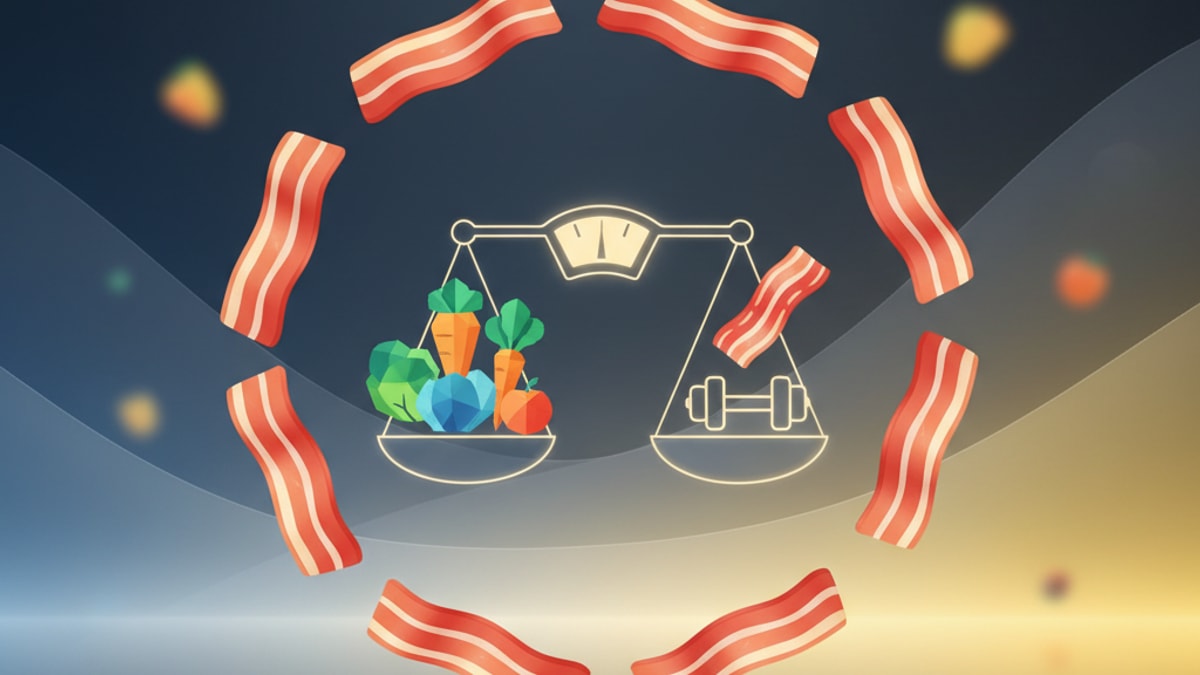
It’s the question whispered in keto forums and debated over brunch menus everywhere. The one that feels almost too good to be true: is bacon good for weight loss? The sizzle, the smell, the salty, savory crunch—it feels like the dictionary definition of an indulgence, the very opposite of what a 'diet' food should be. For decades, it was public enemy number one, a fatty pariah banished from any serious weight loss attempt. And yet, here we are.
Our team at TrimrX spends every day immersed in the complex science of metabolic health and sustainable weight management. We guide patients through transformative journeys using advanced tools like GLP-1 medications, focusing on biology, not just willpower. So when a question like this comes up, we don’t just give a simple yes or no. That's not how the human body works. We look at the entire picture—the biochemistry, the psychology, and the practical reality of building a healthier life. Let's be honest, this is crucial. The answer isn't just about bacon; it's about fundamentally changing how we think about food and weight loss.
The Bacon Paradox: Why This Is Even a Question
How did we get here? For years, the prevailing wisdom was simple: fat makes you fat. Bacon, being predominantly fat, was an obvious villain. But a significant, sometimes dramatic shift in nutritional science, propelled by the rise of low-carbohydrate and ketogenic diets, turned that idea on its head. Suddenly, the enemy wasn't fat; it was sugar and refined carbohydrates. Foods rich in fat and protein were repositioned as heroes for their ability to promote satiety and stabilize blood sugar.
Bacon became the poster child for this new paradigm. It has virtually zero carbs. It's high in fat and has a decent amount of protein. On paper, it fits perfectly into the macros of a diet like keto. This created a cultural whiplash. The same food that was once a symbol of dietary sin was now being hailed as a weight-loss-friendly staple. It’s confusing, right? We've seen this confusion derail countless well-intentioned efforts. People either embrace it with reckless abandon or avoid it with unfounded fear. The truth, as it so often does, lives somewhere in the nuanced middle.
It's a conversation that goes beyond simple nutrition. It’s about permission. Allowing a food that is so universally loved, so deeply associated with comfort and pleasure, into a weight loss plan can feel liberating. It can make a diet feel less like a punishment and more like a sustainable lifestyle. But that feeling, that psychological permission slip, can also be a trap if it isn't balanced with a clear-eyed understanding of what you're actually consuming.
A Nutritional Deep Dive: What's Really in a Slice of Bacon?
Before we can decide its role, we have to know what we're working with. Let's break down bacon's nutritional profile, moving past the marketing and the myths. A typical slice of cooked pork bacon is a lesson in density.
First, the macronutrients. It's no surprise that fat is the star. A single slice contains about 3-4 grams of fat, which is a mix of saturated, monounsaturated, and polyunsaturated fats. Roughly half of the fat is monounsaturated, the same type praised in olive oil, with a significant portion of that being oleic acid. It also delivers around 3-4 grams of protein per slice. This protein-fat combination is potent. It’s the reason why a few slices of bacon with your eggs can keep you feeling full for hours, far longer than a bowl of sugary cereal would. This effect on satiety is a critical, non-negotiable element of successful weight management. Hunger is the enemy of consistency.
But then there are the other components. Sodium is a big one. One slice can contain upwards of 150-200 mg of sodium, a significant chunk of your recommended daily intake. For individuals sensitive to sodium, this can lead to water retention, which can be discouraging when you're watching the scale. Beyond the temporary water weight, a consistently high-sodium diet has well-documented implications for blood pressure and cardiovascular health. We can't ignore that.
And we have to talk about the processing. Most bacon is cured using nitrates and nitrites, preservatives that give bacon its characteristic color and flavor and prevent bacterial growth. When cooked at high temperatures, these can form compounds called nitrosamines, which have been linked to an increased risk of certain cancers. This has led to the rise of 'uncured' bacon, which uses natural sources like celery powder for curing. While it sounds healthier, it's a bit of a marketing sleight-of-hand; it still contains nitrates, just from a vegetable source. The debate on the ultimate health impact is ongoing, but it's a factor to consider in your overall dietary pattern. It's not just about the calories—it's about the quality and composition of what you eat over the long haul.
The Strongest Case for Bacon on a Weight Loss Journey
So, with that nutritional reality in mind, where can bacon actually help? Our experience shows there are three primary areas where it can be a strategic tool, not a liability.
-
Unbeatable Satiety. We mentioned it before, but it bears repeating. The combination of fat and protein is incredibly effective at triggering the hormones that tell your brain you're full. This is not a small thing. For many of our patients, the relentless battle with hunger is what makes dieting feel impossible. A breakfast with bacon can genuinely reduce cravings and prevent mindless snacking later in the day. It provides staying power.
-
Adherence and Psychological Satisfaction. This might be the most underrated benefit. A weight loss plan that feels like a prison of steamed broccoli and plain chicken breast is doomed to fail. Including small amounts of foods you genuinely love—like bacon—can be the difference between sticking with your plan for a month and adopting changes that last a lifetime. It removes the forbidden fruit effect. When a food isn't off-limits, it often loses its power over you. You can enjoy a slice or two and move on, rather than obsessing over it until you break down and eat the whole package.
-
A Tool for Low-Carb Lifestyles. For individuals following a ketogenic or very low-carb diet, bacon is a near-perfect fit from a macronutrient standpoint. It helps them meet their high-fat and moderate-protein targets without adding carbohydrates. In this specific context, it moves from being an 'indulgence' to a functional part of the dietary structure, providing energy and flavor in a carb-free package.
The Unflinching Reality: How Bacon Can Sabotage Your Progress
Now for the other side of the coin. And we mean this sincerely: ignoring these points is where things go wrong. Bacon can absolutely be a detriment to your weight loss goals if not handled with immense respect and awareness.
First and foremost is its staggering calorie density. Two or three thin slices can easily top 150 calories. It doesn't seem like much food, but the caloric load is significant. It's incredibly easy to turn a 300-calorie egg breakfast into a 600-calorie meal without feeling twice as full. Portion control isn't just a suggestion with bacon; it's a stark necessity. Without it, you can erase your calorie deficit in a few mindless bites.
Second, the 'gateway' effect. Bacon rarely comes to the party alone. Think about its common companions: pancakes drenched in syrup, buttery toast, hash browns, or loaded onto a cheeseburger with a sugary bun and sauce. In these scenarios, bacon isn't the problem. It’s the accomplice. The entire meal becomes a calorie and carbohydrate bomb. Our team has found that the context in which you eat bacon is often more important than the bacon itself. If you're adding it to a nutrient-dense salad or alongside scrambled eggs and avocado, that's one thing. If you're using it as a topping for a pile of refined carbs, you're not doing yourself any favors.
Finally, the long-term health perspective cannot be overlooked. While its role in weight loss is nuanced, major health organizations like the World Health Organization have classified processed meat as a Group 1 carcinogen. This doesn't mean eating a slice of bacon is as dangerous as smoking, but it does suggest that high, consistent intake is associated with increased health risks over a lifetime. A sustainable health journey is about more than the number on the scale; it's about fostering long-term wellness. Bacon should be a bit player, not a daily star.
Choosing Your Bacon: A Practical Comparison
Not all bacon is created equal. The choices you make at the grocery store can have a real impact. Here’s a breakdown of the most common options and what they mean for a weight-conscious consumer.
| Type of Bacon | Key Characteristics | Pros for Weight Loss | Cons for Weight Loss |
|---|---|---|---|
| Traditional Pork | Cured pork belly. The classic choice. High in fat, intensely flavorful. | Excellent satiety from fat/protein. Zero carbs. Psychologically satisfying. | Very high in calories and sodium. Easy to overeat. Processed meat health concerns. |
| Turkey Bacon | Made from seasoned, formed turkey meat. Lower in fat and calories than pork bacon. | Significantly fewer calories and less saturated fat. Can be a good substitute. | Often highly processed with more additives. Lower fat means less satisfying. Can be dry. |
| Canadian Bacon | Made from pork loin, not belly. It's much leaner, more like ham. | Much lower in fat and calories. Higher protein-to-fat ratio. | Less of the classic 'bacon' flavor/texture. Still high in sodium. |
| Uncured Pork Bacon | Cured with natural sources like celery powder instead of synthetic nitrites. | Avoids synthetic preservatives. Otherwise similar nutritionally to regular bacon. | Still contains nitrates. Same high calorie, fat, and sodium content as regular bacon. |
| Plant-Based Bacon | Made from soy, tempeh, or other plant sources. Varies widely by brand. | Typically lower in calories and fat. No cholesterol. | Often highly processed. Can be high in sodium. Texture and flavor can be disappointing. |
Our recommendation? If you're going to eat bacon, choose a high-quality, thick-cut pork bacon and be incredibly mindful of your portion size. One or two slices, cooked until crisp to render out as much fat as possible, is the best approach. Turkey bacon can be a decent alternative if you're looking for volume, but don't assume it's a 'free' food.
The TrimrX Approach: Where Science Meets Real Life
This is where a modern, medical approach to weight loss completely changes the conversation. The old way was about rigid rules and restriction. The new way—the one we practice at TrimrX—is about rebalancing your body's own systems so that making healthy choices becomes easier and more intuitive.
This is precisely what FDA-approved GLP-1 medications like Semaglutide and Tirzepatide are designed to do. They work with your body's natural hormones to regulate appetite, slow digestion, and improve how your body processes sugar. The result? The constant, nagging 'food noise' in your head quiets down. Cravings become manageable whispers instead of deafening shouts.
So, how does this relate to bacon? A patient on a medically supervised GLP-1 program might find that one slice of bacon is genuinely satisfying. The intense urge to eat five more simply isn't there. The medication helps them tap into their body's true fullness signals, allowing them to enjoy the flavor and satiety without the overconsumption. It empowers them to use bacon as a tool for flavor and satisfaction, not as a response to out-of-control cravings.
It transforms the dynamic from a battle of willpower into a process of mindful choice. Our comprehensive programs support this biological shift with nutritional guidance and support to help you build lasting habits. We don't give you a list of 'good' and 'bad' foods. Instead, we help you understand the nuances so you can build a diet that is both effective and, just as importantly, enjoyable. If you’re tired of the exhausting cycle of restriction and rebound, it might be time to see what a modern, medical approach can do. You can learn more when you Take Quiz to see if you're a candidate.
Ultimately, bacon isn't inherently 'good' or 'bad' for weight loss. It is a tool. A delicious, powerful, and potentially dangerous tool. Its impact depends entirely on the user. It can be a small, satisfying part of a well-constructed, calorie-controlled diet, or it can be the high-calorie anchor that sinks your progress. The choice, and the context, is everything.
So, can you eat bacon and lose weight? Absolutely. But it requires a level of honesty, mindfulness, and portion control that many people struggle with. It means choosing quality over quantity, pairing it with nutrient-dense foods, and treating it as the potent indulgence it is. It's not a magic bullet, and it's certainly not a health food. But in the right context—especially when your biology is working with you instead of against you—it can absolutely have a place. Ready to move beyond the old food rules and find a solution that works with your body's unique biology? We're here to help you Start Your Treatment Now.
Frequently Asked Questions
How many slices of bacon can I eat and still lose weight?
▼
There’s no magic number, as it depends on your total daily calorie target. Our team generally advises treating bacon as a garnish or flavor enhancer—think one to two crisp slices—rather than the main event. This allows you to enjoy the taste and satiety without consuming excessive calories.
Is turkey bacon actually a healthier choice for weight loss?
▼
Turkey bacon is lower in calories and fat, which can be beneficial for weight management. However, it’s often more processed and can be less satisfying, potentially leading you to eat more. We recommend choosing based on which option helps you feel fuller and more in control of your portions.
Will the sodium in bacon make me gain weight?
▼
The high sodium content in bacon can cause your body to retain water, leading to a temporary increase on the scale. This isn’t true fat gain, but it can be discouraging. It’s important to be mindful of your total sodium intake throughout the day to manage this effect.
What is the best way to cook bacon to make it healthier?
▼
Our experience shows that cooking bacon on a rack in the oven or in an air fryer is the best method. These techniques allow the rendered fat to drip away from the meat, slightly reducing the final calorie and fat content of each slice compared to pan-frying.
Does ‘uncured’ bacon have any weight loss benefits?
▼
Nutritionally, ‘uncured’ bacon is nearly identical to regular bacon in terms of calories, fat, and sodium. The primary difference is the source of preservatives (natural vs. synthetic). It does not offer any specific advantage for weight loss itself.
Can I eat bacon while on a GLP-1 medication like Semaglutide?
▼
Yes, you can. In fact, many of our patients find that GLP-1 medications help them enjoy foods like bacon in moderation. The medication enhances feelings of fullness, so you might feel completely satisfied with a smaller portion, making it easier to fit into your overall plan.
Can eating bacon kick me out of ketosis?
▼
No, bacon itself will not kick you out of ketosis. It contains virtually no carbohydrates. The risk comes from what you pair it with, such as toast, pancakes, or sugary sauces, which are high in carbs and will disrupt a ketogenic state.
Is Canadian bacon a better option for a diet?
▼
From a purely calorie and fat perspective, yes. Canadian bacon is much leaner as it comes from the pork loin. It delivers more protein per calorie, making it a very efficient choice for a weight loss plan if you enjoy the taste.
Are the nitrates in bacon a concern for overall health?
▼
The science on nitrates from processed meats suggests that high, long-term consumption is associated with certain health risks. For this reason, we advise that bacon be consumed in moderation as part of a varied diet rich in whole foods, rather than as a daily staple.
How does bacon’s protein content help with weight loss?
▼
Protein is crucial for weight loss because it’s highly satiating, meaning it helps you feel full and satisfied. It also has a higher thermic effect of food (TEF), meaning your body burns more calories digesting it compared to fats or carbs.
Why do I crave salty foods like bacon when I’m on a diet?
▼
Cravings during dieting can be complex, stemming from habit, psychological restriction, or even electrolyte imbalances, especially on low-carb diets. Allowing for small, planned portions of foods like bacon can help manage these cravings and improve long-term adherence.
Should I choose thick-cut or thin-cut bacon for weight loss?
▼
This comes down to portion control. Thin-cut bacon can feel like you’re getting more slices for fewer calories. However, a single slice of thick-cut bacon might be more satisfying and easier to limit. We suggest experimenting to see which approach works best for you psychologically.

Transforming Lives, One Step at a Time
Keep reading

What to Do With a Full Pantry You No Longer Eat From
Sort it into three piles rather than clearing it all out: donate, keep, and discard. The mistake most people make is emptying the whole…

How to Handle a Business Dinner When the Client Orders for the Table
This is the one dining situation where your usual tools do not work. You cannot order a starter as your main, cannot ask for…
How to Handle Group Dinners Where Everyone Shares Plates
Shared dining is generally easier than a fixed plate, not harder, and it is worth going in with that framing. When everyone is taking…


