What Foods Actually Help with Weight Loss? Our Expert Take
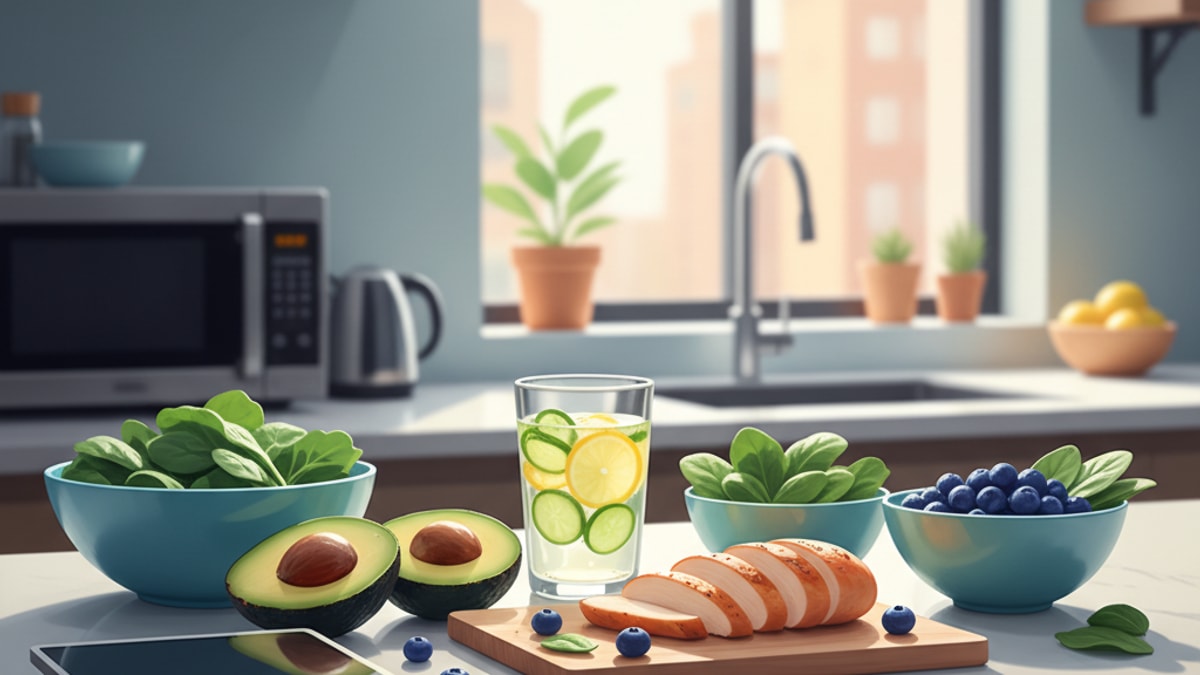
Beyond Calories: Why Your Food Choices Matter More Than You Think
Let's be honest. The internet is a sprawling, often contradictory mess when you search for "what foods help with weight loss." One article screams that fruit is pure sugar, while another crowns it a superfood. You're told to go low-carb, no-carb, high-fat, low-fat. It’s exhausting. Our team sees the fallout from this confusion every single day. People come to us feeling defeated, believing they've failed, when in reality, the advice they were following was flawed from the start.
Here’s a foundational truth we've built our entire approach on: sustainable weight management is less about militant calorie counting and more about understanding your body's biology. It's a game of hormones, metabolic signals, and genuine satiety. The food you put on your plate sends powerful instructions to your body. It can either tell your system to store fat, crave more sugar, and feel sluggish, or it can signal it to burn fuel efficiently, build lean muscle, and feel satisfied for hours. That’s the critical difference. We’re not just talking about the energy in food (calories); we’re talking about the information in food. This shift in perspective is everything. It's the change that moves you from a cycle of restriction and rebound to one of empowerment and lasting results.
The Unsung Heroes: Protein-Packed Powerhouses
If there's one non-negotiable element we emphasize in any effective nutritional strategy, it's adequate protein. We can't stress this enough. Protein isn't just for bodybuilders; it's the architectural bedrock of a successful weight loss journey. Why? It works on multiple, synergistic levels.
First, there's satiety. Protein is, by a significant margin, the most satiating macronutrient. Eating a protein-rich meal helps trigger the release of hormones like peptide YY and GLP-1 (yes, the very hormone our treatments target) that signal fullness to your brain. This means you feel satisfied longer, which naturally reduces the urge to snack on calorie-dense, nutrient-poor foods between meals. A chicken breast and a salad will keep you going for hours; a bagel with cream cheese might have you looking for a snack in 90 minutes. That's biology in action.
Second is the preservation of lean muscle mass. When you lose weight, your body doesn't just burn fat; it can also break down muscle tissue for energy. This is catastrophic for your metabolism. Muscle is metabolically active tissue, meaning it burns calories even at rest. Losing it makes it progressively harder to lose weight and easier to regain it later. A sufficient protein intake provides the amino acids your body needs to repair and maintain muscle, ensuring that the weight you're shedding is primarily fat. It’s a crucial defensive strategy for your long-term metabolic health.
And finally, there's the thermic effect of food (TEF). Your body actually uses energy to digest and metabolize the food you eat. Protein has the highest TEF of all macronutrients, with your body burning up to 30% of its calories just during digestion. For carbohydrates, it's around 5-10%, and for fats, it's a mere 0-3%. While it’s not a magic bullet, this metabolic advantage adds up over time, giving you a slight edge every single day. Our experience shows that clients who consistently hit their protein targets find their journey significantly smoother. Think lean meats like chicken and turkey, fish (especially fatty fish like salmon for its omega-3s), eggs, Greek yogurt, cottage cheese, and plant-based options like lentils, chickpeas, tofu, and edamame.
Fiber: Your Secret Weapon for Fullness and Gut Health
Fiber is another absolute game-changer. It’s the stuff of plants that your body can't digest, and that's precisely what makes it so powerful. There are two main types, and you need both.
Soluble fiber dissolves in water to form a gel-like substance in your digestive tract. This simple action has profound effects. It dramatically slows down digestion, which means the sugar from your meal is released more slowly into your bloodstream. This prevents the sharp blood sugar spikes and subsequent crashes that lead to energy slumps and intense cravings. It’s a key regulator. This gel also makes you feel physically full, taking up space in your stomach and sending powerful satiety signals. Foods rich in soluble fiber include oats, barley, apples, citrus fruits, carrots, beans, and psyllium husk.
Then there's insoluble fiber. This type doesn't dissolve. Instead, it adds bulk to your stool and helps food pass more quickly through the digestive system. Think of it as the 'housekeeper' for your gut. While it might not have the same direct 'gelling' effect on fullness, it's vital for regularity and overall gut health. A healthy gut microbiome is increasingly being linked to easier weight management, better mood, and reduced inflammation. You'll find it in whole grains, nuts, cauliflower, green beans, and potatoes.
Honestly, most people don't get nearly enough fiber. Upping your intake by focusing on whole plant foods is one of the simplest and most effective changes you can make. Fill your plate with leafy greens, broccoli, berries, lentils, and chia seeds. Your body will thank you.
Healthy Fats Aren't the Enemy
For decades, we were all taught to fear fat. The 'low-fat' craze led to a market flooded with products packed with sugar and refined carbohydrates to make them palatable, and public health suffered for it. Our team spends a lot of time helping clients unlearn this outdated and harmful myth. Dietary fat does not inherently make you fat. In fact, the right kinds of fats are essential for your health and can be incredibly helpful for weight loss.
Let’s be clear: we're talking about monounsaturated and polyunsaturated fats. These are found in foods like avocados, olive oil, nuts, seeds, and fatty fish. These fats play a critical role in the body. They are essential for the production of hormones, including those that regulate appetite and metabolism. They also help with the absorption of fat-soluble vitamins like A, D, E, and K. Most importantly for weight loss, they are incredibly satiating. Because fat digests very slowly, including it in a meal helps you feel full and satisfied for a much longer period. A salad with a simple vinaigrette is good; a salad with olive oil dressing, a sprinkle of walnuts, and a few slices of avocado is a powerhouse of satiety that will keep you energized for hours.
The fats to avoid are industrially produced trans fats (often found in processed baked goods and fried foods) and an overabundance of saturated fats from processed meats and full-fat dairy. It's not about elimination; it's about a conscious shift toward whole-food sources of healthy fats.
Navigating Carbohydrates: The Smart Approach
Carbohydrates have become the villain in many modern diet plans, but this is a deeply nuanced topic. Lumping all carbs together is a massive oversimplification. Your body needs carbohydrates for energy, especially your brain. The key isn't to eliminate them, but to choose them wisely.
Think of it as a spectrum. On one end, you have simple, refined carbohydrates: white bread, sugary cereals, pastries, and soda. These are stripped of their fiber and nutrients. They hit your bloodstream like a tidal wave, causing a rapid spike in blood sugar and a corresponding surge of insulin, the fat-storage hormone. The subsequent crash leaves you feeling tired, hungry, and craving more of the same. It's a vicious cycle.
On the other end of the spectrum are complex carbohydrates. These are found in whole, unprocessed foods like vegetables, fruits, beans, lentils, and whole grains like quinoa, brown rice, and oats. What do they all have in common? Fiber. That fiber acts as a built-in braking system, slowing the release of sugar into your bloodstream. You get steady, sustained energy without the dramatic hormonal rollercoaster. Our recommendation is simple: get the vast majority of your carbohydrates from vegetables and fruits. Then, add in moderate portions of high-fiber sources like beans, lentils, or a small serving of quinoa to round out your meal. This approach provides the energy you need without sabotaging your weight loss goals.
A Quick Comparison: Nutrient-Dense vs. Calorie-Dense Foods
Visualizing the difference can be incredibly powerful. It’s not just about the calorie number; it’s about what you get for those calories—volume, nutrients, and satiety. We've found this concept of 'volume eating' helps our clients immensely.
| Nutrient-Dense Choice | vs. | Calorie-Dense Choice | The Takeaway |
|---|---|---|---|
| 2 cups of Spinach (~20 calories) | 1 small cookie (~80 calories) | For fewer calories, you get massive volume, fiber, vitamins (like K and A), and minerals that keep you full and nourished. | |
| 1 large Apple (~100 calories) | A handful of potato chips (~100 calories) | The apple provides fiber and water, promoting fullness. The chips offer salt and refined carbs, which can often trigger more eating. | |
| 4 oz Grilled Chicken Breast (~180 calories) | 1 glazed donut (~250 calories) | The chicken delivers high-quality protein for muscle maintenance and hours of satiety. The donut offers a brief sugar rush and a quick crash. | |
| 1/2 cup of Lentils (~115 calories) | 1/2 cup of ice cream (~140 calories) | Lentils are packed with protein and fiber, stabilizing blood sugar. Ice cream is high in sugar and fat, leading to cravings. | |
| 1 full cup of Greek Yogurt (~150 calories) | 1 candy bar (~220 calories) | The yogurt provides a huge dose of protein and probiotics for gut health. The candy bar is a recipe for an energy spike and subsequent slump. |
This isn't about moralizing food as 'good' or 'bad.' It's a practical, biological reality. The choices on the left work with your body's satiety signals, while the choices on the right often work against them.
Hydration: The Simplest, Most Overlooked Weight Loss Tool
It’s so simple that it’s almost always forgotten. Water. Proper hydration is a critical, non-negotiable element of any health and weight loss plan. Every single metabolic process in your body relies on water. Even mild dehydration can cause your metabolism to slow down as your body tries to conserve resources. We've seen it work. Clients who start tracking their water intake and consistently hit their goals often report feeling more energetic and seeing the scale move more steadily.
Sometimes, the brain also confuses thirst signals with hunger signals. Before reaching for a snack, we often recommend drinking a large glass of water and waiting 15 minutes. More often than not, the 'hunger' pang disappears. Drinking a glass of water before each meal can also help increase feelings of fullness, leading you to naturally consume fewer calories. Aim for at least eight 8-ounce glasses a day, and more if you're active or it's hot outside. Unsweetened herbal tea and black coffee also count, but plain water should always be your go-to.
Foods That Can Sabotage Your Efforts
Just as some foods support your goals, others can actively undermine them. Again, this isn't about shame; it's about awareness. The biggest culprits are usually the most obvious, but they bear repeating because they are so pervasive.
Sugary drinks are at the top of the list. Sodas, sweet teas, fancy coffee drinks, and even many fruit juices deliver hundreds of 'liquid calories' without providing any satiety. Your brain doesn't register them as a meal, so you eat just as much as you would have otherwise, plus all that extra sugar. It's one of the easiest ways to derail your progress.
Highly processed snack foods are another formidable opponent. Chips, crackers, and pre-packaged baked goods are scientifically engineered to be 'hyper-palatable.' They contain a precise combination of salt, sugar, and fat that bypasses your brain's normal satiety mechanisms and makes you want to keep eating. They offer very little in the way of protein, fiber, or micronutrients, leaving you unsatisfied and often craving more just a short time later.
Finally, be mindful of refined grains—the white flour in bread, pasta, and baked goods. As we discussed, these foods lack fiber and can send your blood sugar on a wild ride, promoting cravings and fat storage. Making a simple swap to whole-grain versions can make a significant difference.
How This Fits Into a Modern Weight Loss Journey
Eating a diet rich in protein, fiber, and healthy fats is the bedrock of sustainable weight management. It is, and always will be, the most important thing you can do. But what happens when you're doing everything right and the scale still won't budge? What if your hunger and cravings feel relentless, no matter how much chicken and broccoli you eat?
This is a reality for millions of people. For many, the challenge isn't a lack of willpower; it's a battle against their own biology. Years of metabolic dysfunction, insulin resistance, or hormonal imbalances can create a formidable barrier to weight loss. Your body's appetite-regulating systems can become dysregulated, making you feel constantly hungry and rarely full. It's an uphill, often moving-target objective. And this is precisely where modern medicine can offer a powerful advantage.
At TrimrX, we specialize in medically-supervised weight loss programs that utilize advanced treatments like GLP-1 medications (Semaglutide and Tirzepatide). These aren't magic pills; they are sophisticated biotechnological tools that work with your body's natural systems. A GLP-1 is a hormone you already produce that helps regulate appetite and blood sugar. Our treatments work by mimicking and amplifying the effects of this hormone. The result? You feel fuller faster and stay satisfied longer. The relentless 'food noise' in your head quiets down. This allows you to comfortably and consistently implement the healthy eating principles we've been discussing. It bridges the gap between knowing what to do and being able to actually do it.
This approach—combining a rock-solid nutritional foundation with cutting-edge medical science—is what creates profound, lasting change. The medication provides the biological support system, making it easier to build and maintain healthy habits for life. If you feel like you've hit a wall in your journey, it might be time to explore how science can support your efforts. Our process is straightforward, and you can see if you're a candidate right now. It's time to stop fighting your biology and start working with it. If you're ready, you can Start Your Treatment today.
Building a Sustainable Plate: Our Team's Practical Tips
Knowledge is one thing; application is another. So how do you translate all this information into your daily meals? We recommend keeping it simple.
One of the most effective tools we share with clients is the 'Plate Method.' It’s simple and requires no counting. Imagine your plate divided into sections:
- Half Your Plate (50%): Fill this with non-starchy vegetables. Think leafy greens, broccoli, cauliflower, bell peppers, zucchini, asparagus, and tomatoes. These are packed with fiber, vitamins, and water, and they are very low in calories. Go wild here.
- One Quarter of Your Plate (25%): Dedicate this section to a lean protein source. A piece of grilled fish, a chicken breast, a portion of tofu, or a scoop of lentils.
- One Quarter of Your Plate (25%): Use this for a high-fiber carbohydrate source. This could be a small sweet potato, a half-cup of quinoa or brown rice, or a serving of black beans.
Add a serving of healthy fat—maybe some avocado on your salad or cooking your vegetables in olive oil—and you have a perfectly balanced, incredibly satiating meal designed to support your weight loss goals. It's a sustainable framework, not a restrictive diet.
Meal prepping can also be a lifesaver. Spend an hour or two on the weekend grilling some chicken, roasting a big batch of vegetables, and cooking a pot of quinoa. Having these components ready to go makes assembling a healthy meal during a busy week incredibly fast and easy. It removes the guesswork and makes the healthy choice the convenient choice.
Finally, practice mindful eating. Slow down. Pay attention to your food—the tastes, the textures. Put your fork down between bites. It takes about 20 minutes for your stomach to signal to your brain that it's full. When you eat too quickly, you can easily blow past your natural fullness cues. Slowing down allows your biology to catch up, and you'll be surprised at how much less food it takes to feel satisfied.
Ultimately, the foods that help with weight loss are not exotic or complicated. They are whole, minimally processed foods that have been nourishing humans for centuries. They are foods that work in harmony with your body's intricate systems of hunger and satiety. By focusing on protein, fiber, healthy fats, and smart carbohydrates, you provide your body with the information it needs to thrive. It’s not about deprivation. It's about nourishment, intelligence, and a deep respect for your own biology. And when you need support, knowing that powerful, science-backed tools are available can make all the difference in finally achieving the lasting health you deserve.
Frequently Asked Questions
Can I eat fruit and still lose weight?
▼
Absolutely. While fruit contains sugar, it’s natural sugar packaged with fiber, water, and essential micronutrients. The fiber slows down sugar absorption, preventing the spikes associated with processed sweets. Berries, apples, and citrus fruits are excellent choices.
How much protein do I actually need for weight loss?
▼
A general guideline we often recommend is aiming for 0.7 to 1.0 grams of protein per pound of your target body weight. This amount is highly effective for promoting satiety and preserving muscle mass during a calorie deficit. Spreading it out across your meals is key.
Will eating dietary fat make me fat?
▼
No, this is a common myth. Healthy fats from sources like avocados, nuts, seeds, and olive oil are crucial for hormone function and satiety. They slow digestion and keep you full longer, which can actually help you manage your overall calorie intake.
Do I have to count calories to lose weight?
▼
Not necessarily. While a calorie deficit is required for weight loss, you can achieve it without meticulous counting. By focusing on whole foods rich in protein and fiber and using methods like the Plate Method, you can naturally reduce your calorie intake by improving food quality and satiety.
Are carbs the enemy of weight loss?
▼
Definitely not. The *type* of carbohydrate matters immensely. Complex carbs from vegetables, legumes, and whole grains provide sustained energy and fiber. It’s the refined carbs, like white bread and sugar, that can disrupt blood sugar and sabotage your efforts.
Is intermittent fasting required for weight loss?
▼
Intermittent fasting is a tool, not a requirement. It can help some people manage their calorie intake by shortening their eating window, but it doesn’t have magical properties. The most important factor is your overall nutritional intake, regardless of the timing.
What are the best vegetables for weight loss?
▼
The best vegetables are the ones you’ll actually eat! However, non-starchy, high-fiber options are particularly great. Leafy greens like spinach and kale, cruciferous veggies like broccoli and cauliflower, and high-water-content choices like zucchini and bell peppers are fantastic.
Can I still drink alcohol and lose weight?
▼
It makes it significantly more difficult. Alcohol contains ’empty’ calories, can stimulate appetite, and lowers inhibitions around food choices. If you do drink, opt for clear spirits with a zero-calorie mixer and consume in strict moderation.
How do GLP-1 medications like Semaglutide help with food choices?
▼
GLP-1 treatments work on a biological level to enhance feelings of fullness and reduce appetite. This quiets the ‘food noise’ and cravings, making it much easier to stick to a healthy eating plan centered on nutritious, whole foods. They provide the support to make better choices consistently.
Why is hydration so important for losing weight?
▼
Water is essential for metabolism, and even mild dehydration can slow it down. It also helps with fullness, and sometimes our brains mistake thirst for hunger. Staying well-hydrated is a simple but powerful way to support your body’s fat-burning processes.
Are eggs a good food for weight loss?
▼
Yes, eggs are an excellent choice. They are a complete protein source, packed with nutrients, and incredibly satiating. A breakfast with eggs has been shown to keep people fuller for longer and reduce calorie intake later in the day compared to a grain-based breakfast.
What’s a good, simple snack for weight loss?
▼
The best snacks combine protein and/or fiber to keep you full. Think of an apple with a tablespoon of peanut butter, a handful of almonds, a small Greek yogurt, or some baby carrots with hummus. These options provide nutrients and prevent blood sugar crashes.

Transforming Lives, One Step at a Time
Keep reading

What to Do With a Full Pantry You No Longer Eat From
Sort it into three piles rather than clearing it all out: donate, keep, and discard. The mistake most people make is emptying the whole…

How to Handle a Business Dinner When the Client Orders for the Table
This is the one dining situation where your usual tools do not work. You cannot order a starter as your main, cannot ask for…
How to Handle Group Dinners Where Everyone Shares Plates
Shared dining is generally easier than a fixed plate, not harder, and it is worth going in with that framing. When everyone is taking…


