Which Protein Powder Is Best for Weight Loss? Our Unflinching Take
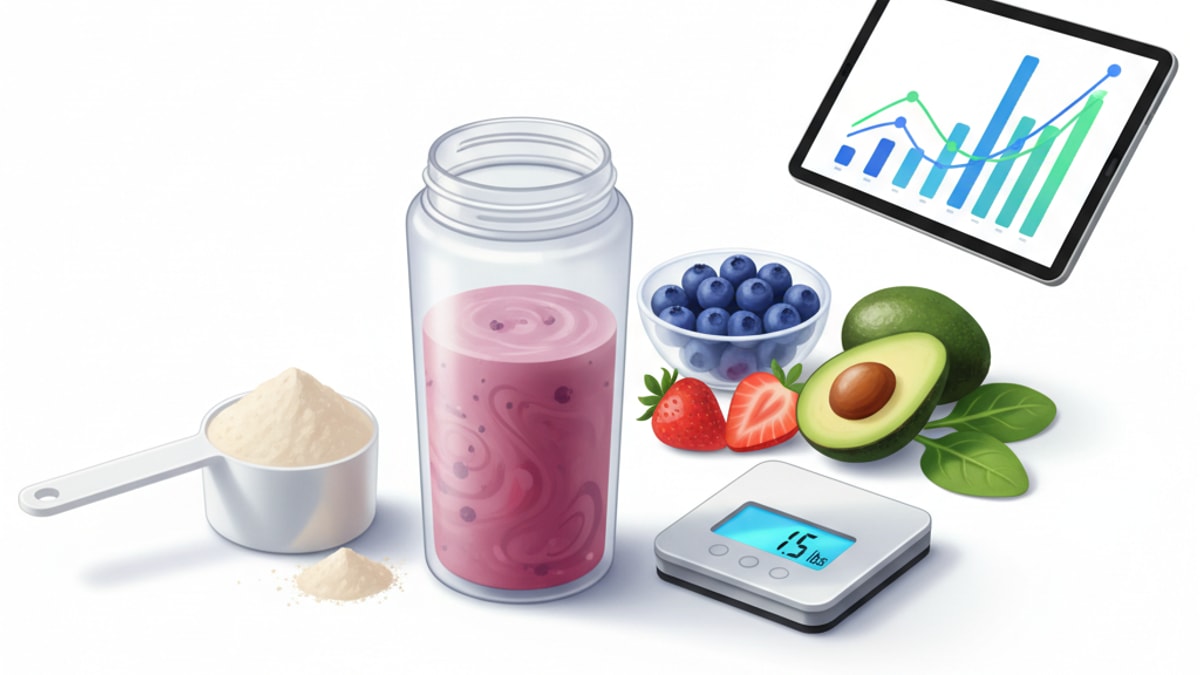
Walk down the supplement aisle of any store and you’re hit with a wall of plastic tubs. It’s a bewildering, almost overwhelming, display of powders, all screaming promises of lean muscle, rapid fat loss, and peak performance. The central question, the one that probably brought you here, echoes in your mind: which protein powder is best for weight loss? It’s a simple question with a surprisingly nuanced answer. And frankly, most of the information out there is more marketing fluff than metabolic science.
Here at TrimrX, our entire focus is on the science of sustainable weight loss. We guide patients through medically-supervised programs, often utilizing advanced treatments like GLP-1 medications, to fundamentally reset their metabolic health. Through this work, we've gained a deep, clinical understanding of what it takes to lose weight effectively and keep it off. We can tell you with absolute certainty that protein isn't just a supplement for bodybuilders; it's a critical, non-negotiable tool for anyone serious about shedding fat. But it’s just that—a tool. It’s not magic. Its effectiveness hinges entirely on how you use it within a larger, smarter strategy.
Why Protein is a Game-Changer for Fat Loss
Before we even touch a scoop, let’s get crystal clear on why protein is so formidable in the fight against fat. Understanding the mechanism is everything. It’s not just about calories; it’s about biochemistry. Our team has found that when clients grasp these core principles, their adherence and results skyrocket.
First, there’s satiety. That’s the feeling of fullness and satisfaction after a meal. Protein is, by a massive margin, the most satiating macronutrient. It works by influencing your body’s hunger hormones. It helps suppress ghrelin (the 'I’m hungry' hormone) while boosting hormones like peptide YY (PYY) and GLP-1 (the 'I’m full' hormone), which signal to your brain that you've had enough. What does this mean in the real world? A protein-rich breakfast shake can annihilate mid-morning cravings that would otherwise send you searching for donuts. It's a powerful, biological appetite suppressant.
Second is the Thermic Effect of Food (TEF). Your body has to expend energy (burn calories) to digest, absorb, and process the nutrients in your food. Protein has a much higher TEF than fats or carbohydrates. Roughly 20-30% of the calories from protein are burned just during its digestion. For carbs, it’s about 5-10%, and for fats, it’s a mere 0-3%. This means that on a gram-for-gram basis, you’re getting a 'metabolic advantage' just by choosing protein. It’s not a massive number, but over weeks and months, this small metabolic boost absolutely adds up.
Finally, and this is the part we can't stress enough, protein preserves lean muscle mass during a calorie deficit. When you lose weight, your body doesn't just burn fat. It can also burn precious, metabolically active muscle tissue. This is catastrophic for long-term success. Losing muscle slows down your resting metabolic rate, making it harder to continue losing weight and dangerously easy to regain it later. Adequate protein intake provides the building blocks (amino acids) your body needs to repair and maintain muscle, encouraging it to burn fat stores for energy instead. This is the secret to losing fat, not just weight.
The Main Contenders: Whey, Casein, and Plant-Based
Now we get to the tubs themselves. While the options seem endless, most powders fall into three main categories. Understanding the pros and cons of each is crucial to picking the right one for your body and your goals.
Whey Protein: The Fast-Acting Standard
Whey is the undisputed king of the protein world, and for good reason. It’s a byproduct of cheese production, it's packed with all nine essential amino acids (making it a 'complete' protein), and it’s particularly high in branched-chain amino acids (BCAAs) like leucine, which is a key trigger for muscle protein synthesis. It digests very quickly, making it ideal for post-workout recovery when your muscles are screaming for nutrients.
But 'whey' isn't just one thing. It typically comes in three forms:
- Whey Concentrate: This is the least processed form. It generally contains about 70-80% protein, with the rest being lactose (milk sugar) and fat. It's often the best-tasting and most affordable, but if you're sensitive to lactose, it might cause some digestive distress.
- Whey Isolate: This is our typical recommendation for weight loss. It undergoes more processing to remove most of the lactose and fat, resulting in a powder that’s 90%+ protein. It has fewer carbs and calories per serving, digests rapidly, and is much easier on the stomach for those with lactose intolerance. It costs a bit more, but for a weight loss context, the purity is worth it.
- Whey Hydrolysate: This is the most processed (and most expensive) form. The protein has been 'pre-digested' with enzymes, breaking it down into smaller peptides for the absolute fastest absorption. For elite athletes, this might offer a tiny edge. For weight loss? It’s almost certainly overkill.
Casein Protein: The Slow and Steady Burn
If whey is the sprinter, casein is the marathon runner. Like whey, it’s derived from milk (it’s about 80% of the protein in milk, actually), but it behaves very differently in your stomach. It forms a gel-like substance, leading to a much slower, more sustained release of amino acids into your bloodstream. This trickle-feed effect can last for several hours.
What’s the benefit for weight loss? Superior, long-term satiety. A casein shake can keep you feeling full for much longer than a whey shake. Our experience shows it’s an incredible tool for managing evening hunger or as a bedtime snack. A scoop before bed can help prevent late-night fridge raids and provide your muscles with a steady supply of protein overnight, minimizing muscle breakdown while you sleep.
Plant-Based Proteins: The Ever-Expanding Universe
For those who are vegan, dairy-intolerant, or simply prefer to avoid animal products, the plant-based protein market has exploded. It’s no longer the gritty, terrible-tasting stuff of a decade ago. Modern plant proteins can be smooth, delicious, and highly effective. However, you need to be a bit more discerning.
Unlike whey or casein, most single-source plant proteins (like brown rice or hemp) are 'incomplete,' meaning they’re low in one or more essential amino acids. The simple solution? Blends. Most high-quality plant powders now combine multiple sources, like pea and rice protein, to create a complete amino acid profile that rivals whey. Here are the most common players:
- Pea Protein: A fantastic choice. It’s rich in BCAAs, highly digestible, and hypoallergenic.
- Soy Protein: The OG of plant proteins. Soy isolate is a complete protein and has a very high protein content, similar to whey isolate. It's been the subject of some controversy, but modern research shows that for most people, it's perfectly safe and effective.
- Brown Rice Protein: Often paired with pea protein to round out its amino acid profile.
- Hemp Protein: A good source of protein, fiber, and healthy fats, but typically lower in protein percentage per scoop.
For weight loss, a good plant-based blend (especially one centered on pea or soy isolate) is an excellent choice. They are often rich in fiber, which further enhances satiety.
The Protein Powder Comparison Chart
To make it simpler, here’s a breakdown of how these main types stack up. Our team put this together to help clients visualize the key differences.
| Feature | Whey Protein Isolate | Casein Protein | Plant-Based Blend (Pea/Rice) |
|---|---|---|---|
| Digestion Speed | Very Fast (30-60 minutes) | Very Slow (4-7 hours) | Moderate (2-4 hours) |
| Primary Use Case | Post-Workout Recovery | Meal Replacement / Bedtime | Daily Use / Dairy-Free Alternative |
| Satiety Effect | Good (Short-term) | Excellent (Long-term) | Very Good (Fiber helps) |
| Typical Protein % | 90%+ | ~80% | 70-85% |
| Lactose Content | Very Low to None | Present (Moderate) | None |
| Amino Acid Profile | Complete & High in Leucine | Complete | Complete (if blended properly) |
Reading the Label: Separating Science from Marketing Hype
This is where the rubber meets the road. A flashy label can hide a mediocre product. We teach our clients to become unflinching detectives when it comes to nutrition labels. It takes 15 seconds, and it can save you from wasting money on junk.
Here's what you absolutely must look for:
- Protein Per Serving: Aim for 20-30 grams. Anything less, and you’re likely getting a scoop full of fillers. Anything more is fine, but your body can only utilize so much at once, so it’s often not necessary.
- Low Sugar: This is a non-negotiable for weight loss. Look for powders with less than 3 grams of sugar per serving. Ideally, it should be 1 gram or less. Be wary of powders sweetened with high-fructose corn syrup. Better options are natural, zero-calorie sweeteners like stevia or monk fruit, or artificial sweeteners like sucralose if you tolerate them well.
- Minimal Carbs and Fats: For a weight loss protein, you want the calories to come almost exclusively from protein. A good isolate should have only 1-3 grams of carbs and 0-2 grams of fat per serving.
- Third-Party Testing: This is a huge marker of quality. Look for seals from organizations like NSF Certified for Sport or Informed-Choice. This means an independent lab has verified that what's on the label is actually in the tub and that it's free from contaminants.
And here are the giant red flags to avoid:
- Proprietary Blends: If you see a list of ingredients under a heading like 'Muscle Matrix Blend,' run. This allows companies to hide the exact amounts of each ingredient, often front-loading with cheaper components.
- Amino Spiking: A deceptive practice where manufacturers add cheap, non-protein amino acids like glycine or taurine to the powder. These compounds register as nitrogen in tests, artificially inflating the 'protein' content on the label without providing the muscle-building benefits. The ingredient list is your best defense—if you see individual amino acids listed high up, be suspicious.
- Fillers and Thickeners: Ingredients like maltodextrin, xanthan gum, or lecithin are common. A little is fine for texture, but if they appear high on the ingredient list, it means you're paying for filler, not protein.
How Protein Powder Fits into a Comprehensive Weight Loss Plan
Let's be perfectly honest. No protein powder on earth will make you lose weight if the rest of your lifestyle isn't aligned with that goal. It’s a powerful supplement, designed to supplement a foundation of whole foods and a sensible calorie deficit.
This is where our work at TrimrX provides a unique perspective. Many of our patients are on GLP-1 treatments like Semaglutide or Tirzepatide. These medications are incredibly effective at reducing appetite and improving insulin sensitivity. However, this profound reduction in hunger can sometimes make it challenging to consume enough protein from whole foods alone. That's where a high-quality protein shake becomes an invaluable clinical tool. It allows patients to easily meet their protein targets, preserving that all-important lean muscle mass while the medication helps them maintain a calorie deficit comfortably.
Think of it this way: your body is a high-performance engine. A calorie deficit is like easing off the gas pedal. A program like ours helps recalibrate that engine to run more efficiently. Protein is the premium oil that ensures the engine doesn't seize or break down during the process. It protects the essential machinery—your muscles.
Whether you’re on a medically-supervised program or not, the principle is the same. A protein shake can be:
- A convenient breakfast: Blended with spinach, berries, and a healthy fat like avocado or almond butter, it's a nutritionally complete meal in minutes.
- A smart snack: It can bridge the gap between meals and crush cravings before they start.
- A recovery tool: Consumed after a workout, it kickstarts the repair process.
If you feel like you're doing everything right—eating well, exercising—but the scale refuses to budge, it could be a sign that a more powerful, integrated approach is needed. Sometimes, underlying hormonal or metabolic factors create a formidable barrier to weight loss. That’s precisely what our programs are designed to address. If this sounds like you, we invite you to Take Quiz to see if you’re a candidate for our medically-guided approach.
Common Mistakes We See Every Day
Over the years, our team has seen a few common, repeated mistakes that sabotage even the best intentions. Avoid these pitfalls:
- The Liquid-Only Diet: Relying solely on shakes is a recipe for disaster. You miss out on the fiber, micronutrients, and psychological satisfaction of chewing real food. Use shakes for one, maybe two, meals or snacks per day, not all of them.
- Ignoring Total Calories: A 25-gram scoop of protein has about 120 calories. If you add milk, fruit, peanut butter, and oats, that 'healthy shake' can easily top 600 calories. It might be full of good stuff, but it can still blow your calorie budget out of the water. Track your intake.
- Choosing a 'Gainer' for Fat Loss: Weight gainer powders are loaded with protein, but also with tons of carbs and fats. They're designed for skinny guys trying to bulk up, not for weight loss. Always check the nutrition facts.
So, which protein powder is best for weight loss? The answer is less about a specific brand and more about a specific type. For most people, a high-quality whey isolate or a well-formulated plant-based blend will deliver the best results. They offer the highest protein-to-calorie ratio with minimal carbs, fats, and sugars. Casein is an outstanding secondary option for satiety and evening use.
Ultimately, the best powder is the one you'll actually use consistently. Find a type that agrees with your digestion, a flavor you genuinely enjoy, and a price point that fits your budget. Then, integrate it into a smart, holistic plan. It's not the single answer to weight loss, but it is an incredibly effective piece of the puzzle. When you combine this powerful tool with a solid nutritional foundation and, when necessary, advanced medical support, you create a truly unstoppable strategy for achieving and maintaining a healthy weight. It’s a comprehensive approach, and we've seen it work time and time again. If you're ready to build that strategy, you can Start Your Treatment with us today.
Frequently Asked Questions
Will protein powder make me bulky?
▼
No, this is a common myth. Gaining significant muscle mass, or ‘bulk,’ requires a substantial calorie surplus and intense, heavy resistance training. A protein shake within a calorie-controlled diet for weight loss will help you preserve existing lean muscle, not build excessive bulk.
When is the best time to drink a protein shake for weight loss?
▼
While post-workout is great for recovery, for weight loss, the ‘best’ time is whenever it helps you control hunger and meet your daily protein goal. Many find a morning shake helps curb cravings all day, while others use it as a filling afternoon snack to prevent overeating at dinner.
Can I use protein powder as a meal replacement?
▼
You can, but it’s best done strategically for one meal per day. To make it a balanced meal, blend the powder with fiber (like spinach or chia seeds), healthy fats (like avocado or almond butter), and complex carbs (like a small amount of oats or fruit).
Is whey or plant-based protein better for weight loss?
▼
Both are excellent options. Whey isolate often has a slight edge in protein purity and leucine content, but a high-quality plant-based blend is nearly identical in effectiveness. The best choice comes down to your dietary preferences and tolerance.
How much protein do I need per day for weight loss?
▼
A general guideline for active individuals trying to lose fat is about 1.2 to 1.6 grams of protein per kilogram of body weight (or about 0.5 to 0.7 grams per pound). A protein shake is an easy way to help you reach this target.
Will protein powder upset my stomach?
▼
It can, especially if you’re sensitive to lactose. If whey concentrate causes bloating or gas, switching to a whey isolate or a plant-based protein powder usually solves the problem completely. Our team always recommends starting with a clean, simple formula.
Do I need protein powder if I’m on a medication like Semaglutide?
▼
While not strictly ‘needed,’ it’s highly recommended. GLP-1 medications significantly reduce appetite, which can make it hard to eat enough protein from food alone. A shake provides an easy, low-calorie way to ensure you’re protecting your muscle mass during weight loss.
Are expensive protein powders worth it?
▼
Not always. Price is often tied to brand marketing. Instead of price, focus on the nutrition label: high protein content, low sugar, and ideally, a third-party testing seal (like NSF). A mid-range powder with these features is often just as good as a premium one.
What’s the difference between whey concentrate and isolate?
▼
Whey isolate is more filtered than concentrate. This process removes most of the lactose and fat, resulting in a higher percentage of protein per scoop and fewer calories. For weight loss and lactose sensitivity, isolate is the superior choice.
Can I mix protein powder with just water?
▼
Absolutely. Mixing with water is the lowest-calorie option and is perfect for a quick post-workout shake. For better taste and creamier texture, you can use unsweetened almond milk, soy milk, or another low-calorie milk alternative.
Does protein powder expire?
▼
Yes, it does. Most protein powders have a shelf life of about 12 to 18 months. While it may not become harmful right after the expiration date, it can lose its potency and develop an off taste or smell, so it’s best to use it before it expires.
Is soy protein bad for you?
▼
For the vast majority of people, no. Decades of research have debunked early myths about soy protein negatively impacting hormones. It’s a complete protein, highly effective for muscle maintenance, and a perfectly safe and excellent choice, especially in its isolate form.

Transforming Lives, One Step at a Time
Keep reading

Obesity and Low Testosterone
**Can obesity cause low testosterone?** Yes. Obesity can lower testosterone, and the relationship often runs in both directions.

Top 6 Best Weight Loss Medications in 2026
Prescription weight loss medication has gone mainstream. What was once a quiet corner of obesity medicine is now one of the most talked-about categories…

Top 8 Best Telehealth for Weight Loss in 2026
Finding the best telehealth for weight loss used to be a time-consuming process that involved hours of research, murky pricing pages, and a fair…


