Are Brussels Sprouts Good for Weight Loss? Our Expert Take
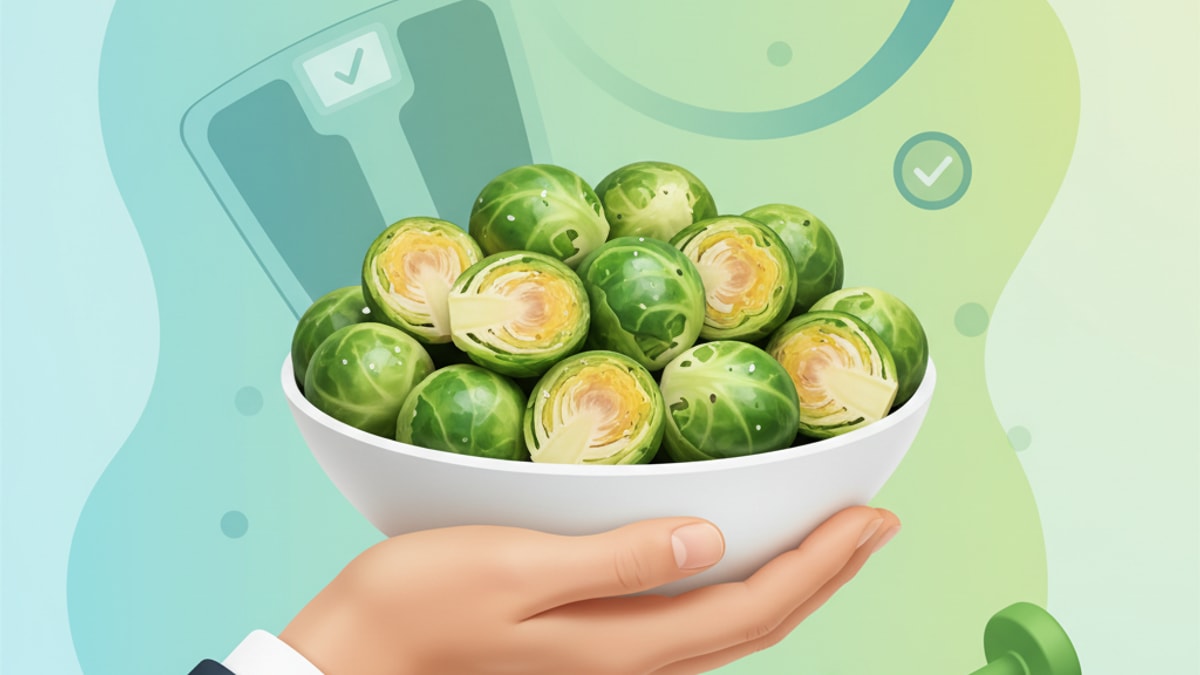
Let’s get straight to it. The question, “are brussels sprouts good for weight loss?” pops up constantly in health forums, nutrition discussions, and even during consultations with our own medical team. It's a simple question on the surface, but the real answer is far more nuanced and, honestly, more interesting than a simple yes or no. The short answer is yes, they absolutely can be a formidable ally in a weight management strategy. The long answer, however, is where the real value lies—understanding why they work and how to leverage them effectively within a modern, science-backed approach to health.
At TrimrX, we're not just about prescribing medication; we're about building comprehensive, sustainable health transformations. Our work with GLP-1 medications like Semaglutide and Tirzepatide is grounded in deep biological understanding, but we can't stress this enough: lifestyle, nutrition, and mindset are critical, non-negotiable elements of success. Foods like Brussels sprouts aren't magic bullets, but they are powerful tools. They represent the kind of nutritional intelligence that, when combined with medical science, can create truly remarkable and lasting results. So, let’s unpack the science behind this humble cruciferous vegetable.
The Nutritional Lowdown: Why This Green Veggie Punches Above Its Weight
To understand the role of Brussels sprouts in weight loss, we first have to look at what's inside. It’s not just one thing; it’s a synergistic combination of factors that makes them so effective. Think of it less like a single instrument and more like a small, well-orchestrated symphony for your metabolism.
A single cup of cooked Brussels sprouts (about 156 grams) contains a surprisingly potent mix of macronutrients and micronutrients. We're talking about roughly 56 calories. That’s it. For that minimal caloric investment, you get a significant return: around 4 grams of protein and 4 grams of fiber. This ratio is fantastic. The protein contributes to satiety and muscle maintenance, both crucial during weight loss, while the fiber is, frankly, the superstar of the show. We'll dive deeper into that in a moment.
But the benefits are sprawling. That same cup delivers an incredible amount of essential vitamins. You’re getting well over 100% of your daily recommended intake of Vitamin K, which is vital for bone health and blood clotting. It’s also packed with Vitamin C, a powerful antioxidant that supports immune function and skin health. You'll also find a good dose of Vitamin A, folate, and manganese. Our team has found that focusing on nutrient-dense foods like this is a game-changer for our patients. When your body is properly nourished at a cellular level, cravings for low-nutrient, high-calorie foods often diminish. It’s a foundational piece of the puzzle.
It’s becoming increasingly challenging to find foods that are so low in calories yet so profoundly dense in nutrition. Brussels sprouts fit that bill perfectly. They offer volume, they offer micronutrient diversity, and they offer specific compounds that directly support the mechanisms of weight management.
The Fiber Factor: Your Secret Weapon for Satiety and Gut Health
If there’s one reason Brussels sprouts are so good for weight loss, it’s fiber. It’s a simple word, but its impact is massive. They contain a healthy mix of both soluble and insoluble fiber, and each plays a distinct, important role.
Insoluble fiber doesn't dissolve in water. It adds bulk to your stool, which helps promote regularity and keeps your digestive system moving efficiently. Think of it as the 'housekeeper' for your gut. A healthy digestive system is an often-overlooked component of weight management.
Soluble fiber is where the magic really happens for satiety. This type of fiber dissolves in water to form a gel-like substance in your digestive tract. This process physically slows down digestion. What does that mean for you? It means the sugar from your meal is absorbed more slowly, preventing those sharp spikes and subsequent crashes in blood sugar that can trigger intense cravings. It also means you feel fuller, for longer. That feeling of sustained satisfaction is a powerful tool against overeating. It’s not about willpower; it’s about biology. You’re giving your body the signals it needs to recognize it’s been fed.
This mechanism beautifully complements the work of GLP-1 medications. Our patients using Semaglutide or Tirzepatide experience a significant reduction in appetite because the medication enhances the body's natural satiety signals in the brain and slows gastric emptying. When you pair that medical support with a high-fiber food like Brussels sprouts, the effect is compounded. The medication provides the powerful top-down regulation, while the fiber provides the bottom-up physical sensation of fullness. It's a one-two punch that makes sticking to a calorie-controlled plan feel less like a struggle and more like a natural choice.
Beyond Fiber: Regulating Blood Sugar and Fighting Inflammation
Brussels sprouts have another trick up their sleeve: they appear to have a positive effect on blood sugar regulation. This is partly due to the fiber we just discussed, but it's also linked to an antioxidant they contain called alpha-lipoic acid (ALA). Studies have suggested that ALA may improve insulin sensitivity, which is the ability of your cells to effectively use glucose from your bloodstream. Better insulin sensitivity means your body is less likely to store excess glucose as fat. For individuals dealing with insulin resistance—a common and formidable barrier to weight loss—this is a significant benefit.
This is another area where a holistic approach is key. At TrimrX, a core part of our mission is addressing the metabolic dysregulation that makes weight loss feel impossible. GLP-1 medications are incredibly effective at improving insulin sensitivity and glycemic control. Incorporating foods like Brussels sprouts that offer their own supportive properties creates a more robust, resilient metabolic environment. You’re tackling the problem from multiple angles: pharmaceutical, nutritional, and behavioral.
Furthermore, Brussels sprouts are loaded with other antioxidants, particularly one called kaempferol. Chronic inflammation is increasingly recognized as a driver of obesity and metabolic disease. It can disrupt hormonal signaling and make the body more prone to weight gain. Antioxidants combat oxidative stress, the cellular damage that fuels inflammation. Eating a diet rich in these compounds is like providing your body with an internal defense system, helping to cool inflammation and support overall metabolic health. It's not something you'll feel overnight, but it's a critical long-term strategy for sustainable wellness.
How You Cook Them Changes Everything
Let’s be honest, this is crucial. The health benefits of Brussels sprouts can be completely negated by how you prepare them. We've all seen restaurant versions that are swimming in bacon grease, drowning in a creamy cheese sauce, or candied with maple syrup. While delicious, those preparations can turn a 50-calorie side dish into a 500-calorie indulgence.
Our experience shows that the best methods are those that enhance the natural flavor without adding a boatload of calories from fat or sugar. Roasting is, by far, the most popular and effective method. A little bit of olive oil, some salt, and pepper tossed with halved sprouts and roasted at a high temperature (around 400°F or 200°C) creates a delicious caramelization on the outside while the inside becomes tender. The flavor is nutty, slightly sweet, and deeply satisfying.
Steaming is another excellent option, especially if you're aiming for the lowest possible calorie count. It preserves the most nutrients and results in a very tender sprout. The downside is that it doesn't develop the same complex flavors as roasting. A squeeze of lemon juice and some herbs can liven them up. Sautéing is also great, but requires mindfulness about the amount of oil you use in the pan. A quick sauté with garlic and a splash of balsamic vinegar is a fantastic way to prepare them.
Here’s a simple breakdown our team often shares with patients:
| Preparation Method | Calorie Impact | Nutrient Retention | Flavor Profile | Our Recommendation |
|---|---|---|---|---|
| Roasting | Low-Moderate (with minimal oil) | Good | Nutty, caramelized, sweet | Excellent choice. The flavor development makes them highly palatable and satisfying. |
| Steaming | Lowest | Highest | Mild, earthy, green | Best for nutrient preservation. Great for adding to salads or other dishes. |
| Sautéing | Low-Moderate (oil-dependent) | Good | Savory, can be customized | Quick and versatile, but be mindful of the amount of fat used in the pan. |
| Raw (Shaved) | Lowest | Highest | Peppery, crunchy, fresh | Perfect for salads. The crunchy texture adds great variety to meals. |
| Deep Frying | Very High | Poor | Greasy, heavy | Avoid. This method adds excessive calories and unhealthy fats, undermining the benefits. |
What about frozen Brussels sprouts? They are a perfectly healthy and convenient option. The flash-freezing process preserves the vast majority of their nutrients, and they can be roasted directly from frozen (though they may need a few extra minutes in the oven). They are a great staple to keep on hand for busy weeknights.
Integrating Sprouts into a Medically-Supervised Plan
So, where do Brussels sprouts fit into a comprehensive weight loss program like the one we offer at TrimrX? They are a perfect example of the type of food we encourage our patients to embrace. They are what we call a 'high-leverage' food—meaning they provide a maximum nutritional benefit for a minimal caloric cost.
When you begin a treatment program with GLP-1 medications, your relationship with food begins to change. The constant 'food noise' and intense cravings quiet down. This creates a unique window of opportunity. It's a chance to build new, healthier habits without fighting a constant uphill battle against your own biology. This is when introducing nutrient-dense, high-satiety foods is most effective. Your body is more receptive to them, and you can learn to appreciate how good they make you feel—energetic and satisfied, not sluggish and stuffed.
We encourage patients to think strategically. Instead of a side of fries, have a generous portion of roasted Brussels sprouts. The volume will help fill you up, the fiber will keep you full, and the nutrients will support your body's health. Pair them with a source of lean protein like grilled chicken, fish, or tofu, and a small portion of a complex carbohydrate like quinoa or sweet potato. This creates a perfectly balanced meal that supports weight loss, maintains muscle mass, and stabilizes energy levels.
It’s not about restriction; it’s about strategic substitution. It's about empowerment. This approach, which we've refined over years, delivers real results because it's sustainable. You're not on a 'diet'; you're learning a new way of eating that works with your body and your medical treatment. If you've struggled with this cycle of dieting and regaining weight, you know how frustrating it can be. If you feel like you're doing everything right but the scale won't budge, it might be time to explore how medical science can support your efforts. Understanding if a program is right for you is the first step, and you can easily Take Quiz on our site to see if you're a potential candidate.
Now, this is where it gets interesting.
The synergy is undeniable. A patient on Tirzepatide might find that a much smaller portion of food is satisfying. If that smaller portion is composed of nutrient-dense foods like Brussels sprouts and lean protein, they are achieving a calorie deficit while simultaneously flooding their body with the vitamins, minerals, and fiber it needs to thrive. This is the absolute opposite of a crash diet, which often involves calorie restriction at the expense of nutrition, leading to muscle loss and a slower metabolism.
Our goal is healthy, sustainable fat loss. And that requires a smart, multifaceted strategy. It requires the best of nutritional science and the best of medical science working in tandem. Ready to see what that kind of comprehensive support looks like? You can Start Your Treatment with our medical team and begin building a truly personalized plan.
So, are Brussels sprouts good for weight loss? Emphatically, yes. They are a nutritional powerhouse, a fiber-rich tool for satiety, and a versatile ingredient that can make healthy eating enjoyable and sustainable. But they aren't a solo act. They are part of a larger ecosystem of choices, habits, and, for many, medical support that paves the way for lasting success. Viewing them as a key player on your team, rather than a magic pill, is the right perspective. It's a perspective that puts you in control of your health journey, armed with the best tools science and nature have to offer.
Frequently Asked Questions
How many Brussels sprouts should I eat for weight loss?
▼
There’s no magic number, but a typical serving size is about one cup (around 150 grams). This amount provides significant fiber and nutrients for very few calories, making it an excellent addition to a balanced meal without overdoing it.
Will eating Brussels sprouts cause gas and bloating?
▼
They can for some people, as they contain a type of carbohydrate called raffinose that can be hard to digest. To minimize this, start with a smaller portion, drink plenty of water, and ensure they are cooked thoroughly, which helps break down some of these compounds.
Can I eat Brussels sprouts every day?
▼
Yes, for most people, eating Brussels sprouts daily is perfectly healthy. They are incredibly nutrient-dense. However, we always recommend a varied diet to ensure you’re getting a wide range of vitamins and minerals from different sources.
Are frozen Brussels sprouts as good for you as fresh ones?
▼
Absolutely. Frozen vegetables are typically flash-frozen at peak ripeness, which preserves the vast majority of their nutrients. They are a convenient and cost-effective option that carries the same weight loss benefits as fresh sprouts.
What’s the healthiest way to cook Brussels sprouts for weight loss?
▼
Steaming or roasting with a minimal amount of healthy fat like olive oil are the best methods. These techniques preserve nutrients and enhance flavor without adding significant calories, unlike deep-frying or covering them in creamy sauces.
Do Brussels sprouts help with belly fat specifically?
▼
No single food can target fat in one specific area of the body. However, their high fiber content and low-calorie profile contribute to an overall calorie deficit, which is necessary for losing fat, including visceral belly fat.
Should I eat Brussels sprouts raw or cooked?
▼
Both are great options! Raw, shaved sprouts are wonderful in salads and retain all their nutrients. Cooking them (like roasting or steaming) can make them easier to digest for some people and brings out a different, sweeter flavor profile.
How do Brussels sprouts compare to other green vegetables for weight loss?
▼
Brussels sprouts are a top contender due to their unique combination of high fiber and relatively high protein content for a vegetable. While all green vegetables are beneficial, the satiety factor from sprouts makes them particularly effective for weight management.
Can Brussels sprouts support a plan that includes GLP-1 medications?
▼
Yes, they are an ideal food for a GLP-1 treatment plan. The medication enhances satiety signals in the brain, while the high fiber in Brussels sprouts provides a physical feeling of fullness. This synergy makes it easier to adhere to a healthy eating plan.
Are there any people who should avoid Brussels sprouts?
▼
People on blood-thinning medications should consult their doctor before eating large quantities due to the high Vitamin K content, which plays a role in blood clotting. Additionally, those with IBS may find they trigger symptoms and should introduce them cautiously.
Do Brussels sprouts boost metabolism?
▼
While no food magically ‘boosts’ metabolism in a dramatic way, the high fiber and protein content require more energy to digest (the thermic effect of food). More importantly, they support a healthy gut and stable blood sugar, which are foundational for an efficient metabolism.

Transforming Lives, One Step at a Time
Keep reading

What to Do With a Full Pantry You No Longer Eat From
Sort it into three piles rather than clearing it all out: donate, keep, and discard. The mistake most people make is emptying the whole…

How to Handle a Business Dinner When the Client Orders for the Table
This is the one dining situation where your usual tools do not work. You cannot order a starter as your main, cannot ask for…
How to Handle Group Dinners Where Everyone Shares Plates
Shared dining is generally easier than a fixed plate, not harder, and it is worth going in with that framing. When everyone is taking…


