Do Blood Pressure Meds Cause Weight Loss? The Real Answer
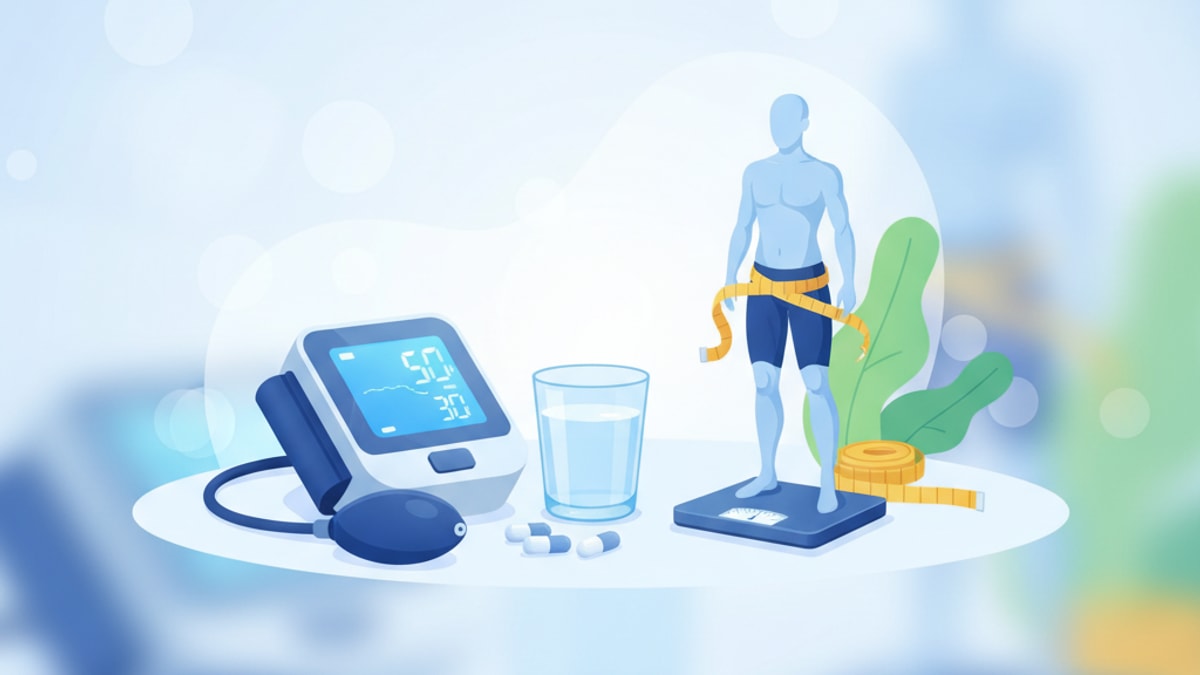
It’s one of the most common questions our team hears from people starting their health journey. You've just been prescribed medication to manage your blood pressure, and a hopeful thought crosses your mind: 'Could this pill also help me shed a few pounds?' It's a perfectly logical question. After all, when you're working to improve one aspect of your health, you hope for a positive ripple effect across the board.
Let's be direct. The connection between blood pressure medications and weight is real, but it's almost certainly not what you think it is. The narrative that a simple hypertension pill doubles as a weight loss aid is, for the most part, a myth. In our years of focusing on metabolic health and medically-supervised weight loss, we've seen this misconception create confusion and frustration. So, we're here to set the record straight, untangle the science, and show you a much more effective path to managing both your weight and your blood pressure for good.
The Short Answer: It's Incredibly Complicated
So, do blood pressure medications cause weight loss? The straightforward answer is no, not in the way that matters for long-term health. The vast majority of these medications are not designed to impact fat mass, and they won't trigger the kind of sustainable weight loss you're looking for. In fact, some of the most commonly prescribed drugs for hypertension can have the opposite effect.
That's a tough pill to swallow. We know.
You're making a proactive choice to manage your cardiovascular health, only to find out the tool you're using might be working against your weight management goals. This is precisely why understanding the nuances of these medications is so critical. It’s not about blaming the medicine—it’s about being empowered with the right information to have more productive conversations with your doctor and to explore strategies that address the root cause of the problem, not just the symptoms.
Why Some Blood Pressure Meds Can Actually Cause Weight Gain
This is the part of the conversation that often surprises people. The idea that a health-promoting medication could lead to weight gain seems counterintuitive, but the science is clear. The primary culprits here are a class of drugs called beta-blockers.
Names like metoprolol (Lopressor, Toprol-XL) and atenolol (Tenormin) are likely familiar to many. They are incredibly effective at lowering blood pressure by blocking the effects of adrenaline, which slows the heart rate and reduces its pumping force. It's a brilliant mechanism for protecting the cardiovascular system. However, it comes with a few metabolic side effects that our team feels are important to understand.
First, by slowing your heart rate, beta-blockers can also dial down your overall metabolism. Your body is simply burning fewer calories at rest and during activity. It’s not a dramatic, overnight change, but over months and years, a slightly slower metabolic rate can absolutely contribute to gradual weight gain. We're talking about a few pounds a year, but it adds up. Second, a very common side effect of beta-blockers is fatigue. You just don't feel as energetic. This makes it significantly harder to stick with an exercise routine or even just stay active throughout the day. When you move less, you burn less, and the scale can start to creep up. It's a frustrating cycle: the medication meant to help your heart makes you feel too tired to do the very things—like exercise—that are also great for your heart.
It's a classic example of treating a symptom without addressing the underlying system. The medication does its job on blood pressure, but it can inadvertently create another problem. This is a formidable challenge for patients and doctors alike, and it underscores the need for a more integrated approach to metabolic health.
Are There Any Blood Pressure Meds That Help with Weight?
Okay, so if some medications can cause weight gain, are there others that do the opposite? This is where the details really matter. Yes, there is one class of blood pressure drugs that often leads to a quick drop on the scale: diuretics.
Diuretics, often called 'water pills,' include medications like hydrochlorothiazide (Microzide) and furosemide (Lasix). They work by helping your kidneys remove excess salt and water from your body through urine. Less fluid in your blood vessels means less volume and, therefore, lower pressure. As your body sheds that excess water, your weight will naturally go down. It can be a drop of several pounds in just a few days, which feels incredibly encouraging.
But here’s the crucial distinction we can't stress enough: this is water weight, not fat loss. It's a temporary reduction in fluid, not a permanent change in body composition. Think of it like this: losing water weight is like pouring water out of a glass. The glass weighs less, but the glass itself hasn't changed size. True fat loss is about shrinking the glass itself. The weight loss from diuretics is fleeting and doesn't provide the profound metabolic benefits that come from reducing actual body fat.
What about other classes? Most modern medications like ACE inhibitors (lisinopril, enalapril) and ARBs (losartan, valsartan) are generally considered 'weight-neutral.' This is great news. It means they effectively control blood pressure without tipping the scales in the wrong direction. They don't promote weight loss, but they don't cause weight gain either, making them a solid choice for many people. But they still don't solve the underlying problem.
Comparison Table: Common Blood Pressure Meds and Their Weight Impact
To make this clearer, our team put together a simple reference table. This is a general guide, and individual experiences can vary, but it provides a solid overview of what to expect from different types of hypertension medications.
| Medication Class | Common Examples | Typical Impact on Weight |
|---|---|---|
| Beta-Blockers | Metoprolol, Atenolol, Propranolol | Potential Weight Gain. Can slow metabolism and cause fatigue, leading to a gradual increase in weight over time. |
| Diuretics (Water Pills) | Hydrochlorothiazide, Furosemide | Initial Water Weight Loss. Causes a temporary drop on the scale due to fluid loss, not fat loss. Not a sustainable effect. |
| ACE Inhibitors | Lisinopril, Enalapril, Ramipril | Generally Weight-Neutral. Considered to have no significant impact on weight, making them a favorable option. |
| ARBs | Losartan, Valsartan, Olmesartan | Generally Weight-Neutral. Like ACE inhibitors, these are not associated with weight gain or loss. |
| Calcium Channel Blockers | Amlodipine, Diltiazem, Verapamil | Generally Weight-Neutral. Typically do not affect weight, though some individuals may experience fluid retention. |
This table really highlights the core issue. The tools designed specifically for blood pressure are, at best, neutral on the weight front and, at worst, a hindrance. They aren't designed to be weight loss tools.
The Bigger Picture: Flipping the Question Around
This is where we believe the conversation needs to fundamentally shift. Instead of asking, 'Do my blood pressure medications cause weight loss?' we should be asking, 'How can losing weight fix my blood pressure?'
That's the real game-changer.
The link between excess body weight (particularly visceral fat around the organs) and high blood pressure is one of the most well-established facts in medicine. When you carry extra weight, your heart has to work much harder to pump blood to all your cells. This increased workload puts more force on your artery walls, leading to higher blood pressure. Excess fat also triggers inflammation and hormonal changes that can constrict blood vessels, further compounding the problem.
But here’s the inspiring part: this process is remarkably reversible. For every 2.2 pounds (or 1 kilogram) of weight you lose, you can expect your systolic blood pressure (the top number) to drop by about 1 point. If you lose 20 pounds, you could potentially lower your blood pressure by 10 points or more. For many people, that's the difference between needing medication and not. It's the difference between living with a chronic condition and resolving it.
This isn't just about a number on a cuff. It's about reducing the strain on your heart, protecting your kidneys, and lowering your risk for heart attack and stroke. It’s about addressing the fire, not just turning off the smoke alarm. This is the philosophy that drives everything we do at TrimrX. We focus on the root metabolic causes because that's what delivers real, lasting health transformation.
A Modern Approach to Managing Both Weight and Blood Pressure
For decades, the approach has been fragmented. You see a cardiologist for your blood pressure, maybe an endocrinologist for your blood sugar, and you're told to 'eat less and move more' for your weight. It's a frustrating and often ineffective cycle. But medical science has made a monumental leap forward.
We're now in the era of GLP-1 receptor agonists. These aren't blood pressure pills. They aren't traditional diet pills. They are a class of medications, including Semaglutide and Tirzepatide, that work with your body's own hormones to fundamentally reset your metabolic system.
Here’s how they create such a profound impact. GLP-1s work by mimicking a natural gut hormone that tells your brain you're full, which dramatically reduces appetite and cravings. They also slow down how quickly your stomach empties, keeping you satisfied for longer. This powerful combination leads to eating fewer calories without the constant, draining battle of willpower. The result is significant and sustained fat loss—not just water weight.
And this is where it all connects back to blood pressure. As our patients lose weight using these advanced medical treatments, we see their blood pressure numbers improve dramatically. It's a direct, powerful, and predictable effect. Many are able to work with their primary doctors to reduce their dosage of blood pressure medication, and some can even discontinue it entirely. Furthermore, recent large-scale clinical trials have shown that medications like Semaglutide have direct cardiovascular benefits, reducing the risk of heart attack and stroke, independent of their weight loss effects.
This is the holistic approach we've been waiting for. It’s a single intervention that addresses multiple facets of metabolic health simultaneously: weight, blood sugar, and cardiovascular risk. If you're tired of juggling multiple medications and are ready to tackle the root cause, it may be time to see if a modern, medically-supervised approach is right for you. You can find out if you're a candidate when you Take Quiz on our site.
What You Should Do Right Now
If you're currently taking blood pressure medication and are concerned about its impact on your weight, what are your next steps? Our team's advice is clear and prioritizes your safety.
First and foremost: Do not, under any circumstances, stop taking your prescribed medication. Abruptly stopping a blood pressure drug can cause a dangerous spike in blood pressure, putting you at serious risk. This is non-negotiable.
Instead, schedule a conversation with the doctor who prescribed it. Go into that appointment armed with information. You can ask questions like:
- 'I'm concerned about the weight gain I've experienced since starting this medication. Is this a known side effect?'
- 'Are there any weight-neutral alternatives we could consider that would be just as effective for my blood pressure?'
- 'I want to focus on losing weight to improve my blood pressure naturally. How can we work together on a plan to achieve that?'
This reframes the conversation from passive acceptance to active partnership in your own health. And while you explore medical options, don't forget the foundational pillars of health. A diet rich in whole foods, regular physical activity, stress management, and adequate sleep are all incredibly powerful levers for both weight loss and blood pressure control. They work hand-in-hand with any medical treatment to amplify your results.
The journey to better health isn't about finding a single magic pill. It's about building a comprehensive system where your lifestyle, your medical treatments, and your goals are all aligned. It’s about moving beyond simply managing a symptom to truly resolving the underlying condition. We've seen it work time and time again. It’s a profound shift, and it’s more accessible now than ever before. Your path to taking control can begin today; it's as simple as deciding to Start Your Treatment and embrace a new standard of care.
Frequently Asked Questions
Which blood pressure medication is best for weight loss?
▼
No blood pressure medication is designed or approved for weight loss. While diuretics cause temporary water weight loss, they don’t reduce body fat. The most effective strategy is to use weight-neutral medications like ACE inhibitors or ARBs while addressing weight through other means.
Can I switch my blood pressure medicine if it’s causing weight gain?
▼
Potentially, yes. If you’re on a medication like a beta-blocker and are concerned about weight gain, you should discuss it with your doctor. There may be a weight-neutral alternative that is appropriate for your specific health needs.
How much weight do I need to lose to lower my blood pressure?
▼
The effects are very consistent. On average, you can expect about a 1-point drop in systolic blood pressure for every 2.2 pounds (1 kg) you lose. Losing just 10-20 pounds can have a clinically significant impact on your numbers.
Does lisinopril cause weight loss or gain?
▼
Lisinopril, an ACE inhibitor, is considered weight-neutral. Our experience and clinical data show it does not typically cause either significant weight gain or weight loss, making it a common choice for managing hypertension.
Does amlodipine affect your weight?
▼
Amlodipine is a calcium channel blocker that is generally weight-neutral. While it’s not associated with fat gain, a small number of people may experience some fluid retention or swelling, which can reflect on the scale.
Is it safe to take Semaglutide or Tirzepatide with blood pressure medication?
▼
Yes, it’s generally safe and very common. Patients in our programs often take GLP-1 medications alongside their existing blood pressure meds. As they lose weight, their doctor will monitor their blood pressure and may adjust the dosage accordingly.
Will losing weight get me off blood pressure medication for good?
▼
For many people, yes. Significant weight loss can often lower blood pressure enough to reduce or even completely eliminate the need for medication. This depends on factors like genetics and the initial severity of your hypertension.
Why do beta-blockers cause fatigue?
▼
Beta-blockers work by slowing your heart rate and reducing the force of its contractions. This lowers the amount of oxygen-rich blood circulated per minute, which can lead to feelings of tiredness or reduced stamina, especially during exercise.
Is the weight loss from water pills permanent?
▼
No, it’s temporary. Diuretics cause your body to shed excess water and salt, which lowers the number on the scale. However, this is fluid loss, not fat loss, and the weight will return if you stop the medication or rehydrate.
What’s a better focus than my medication’s effect on weight?
▼
We strongly recommend shifting your focus to how weight loss can improve your blood pressure. Addressing the root cause (excess weight) is a far more powerful and sustainable strategy for long-term cardiovascular health than hoping for a side effect from a pill.
Can lifestyle changes alone lower my blood pressure?
▼
Absolutely. For people with mild hypertension, lifestyle changes like a healthy diet, regular exercise, and stress reduction can sometimes be enough to control blood pressure without medication. These changes also enhance the effectiveness of any medical treatments you may need.
How do GLP-1 medications improve heart health?
▼
GLP-1s improve heart health primarily by promoting significant weight loss, which reduces strain on the heart. Additionally, studies show they have direct benefits, like reducing inflammation and improving blood vessel function, which lowers overall cardiovascular risk.

Transforming Lives, One Step at a Time
Keep reading

Obesity and Low Testosterone
**Can obesity cause low testosterone?** Yes. Obesity can lower testosterone, and the relationship often runs in both directions.

Top 6 Best Weight Loss Medications in 2026
Prescription weight loss medication has gone mainstream. What was once a quiet corner of obesity medicine is now one of the most talked-about categories…

Top 8 Best Telehealth for Weight Loss in 2026
Finding the best telehealth for weight loss used to be a time-consuming process that involved hours of research, murky pricing pages, and a fair…


