Does Weight Loss Cause Hair Loss? Our Experts Explain
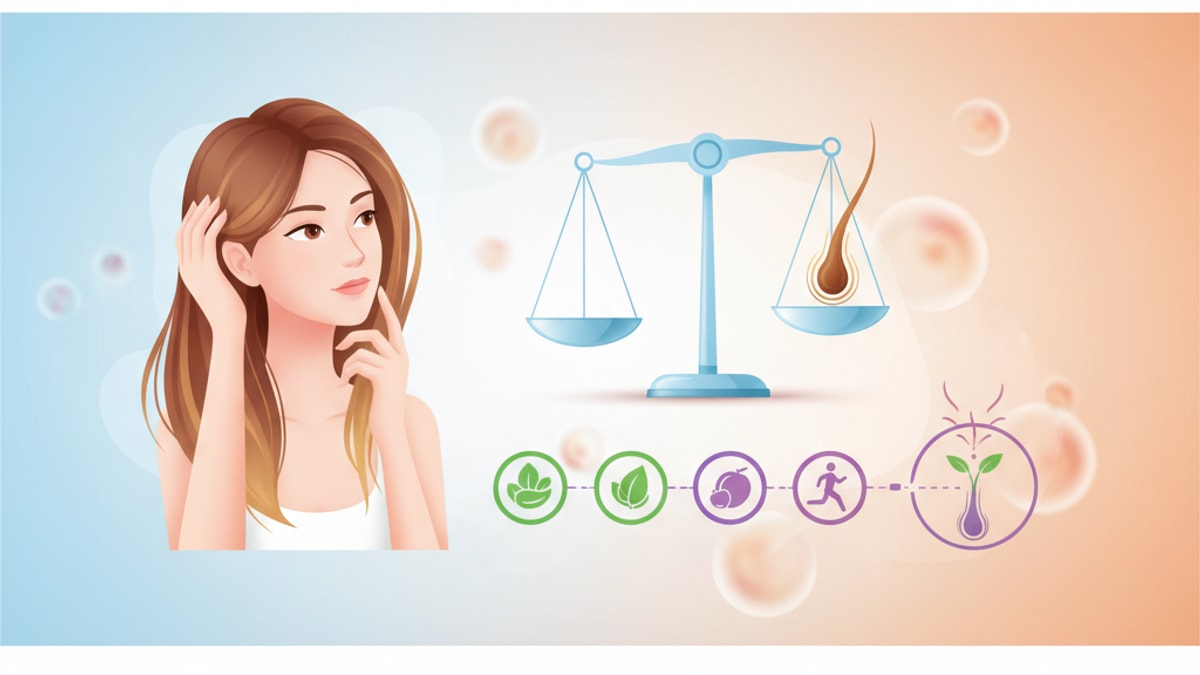
You’ve been dedicated. You’ve changed your habits, stayed the course, and the number on the scale is finally moving in the right direction. It's a moment of triumph. But then, you notice something unsettling in the shower drain or on your hairbrush—more hair than usual. A lot more. Suddenly, that feeling of victory is clouded by a wave of panic. Can weight loss cause hair loss? It’s a question our team at TrimrX hears quite often, and it’s a completely valid concern.
Let's be direct: seeing your hair thin out when you're trying to get healthier feels like a cruel twist of fate. You’re doing something positive for your body, yet it seems to be rebelling in a very visible way. The good news is that you’re not imagining it, and you're certainly not alone. The connection is real, but it's also deeply misunderstood. We're here to clear up the confusion, explain the science in a way that makes sense, and show you how a medically-supervised approach can help you reach your goals without sacrificing your hair.
So, Can Weight Loss Cause Hair Loss? The Short Answer
Yes. It absolutely can. But it’s probably not what you think.
When we see patients experiencing this, it’s almost never about the weight loss itself being the direct villain. Instead, it’s about how the weight is lost. The specific trigger is often a form of physiological stress that accompanies rapid or nutritionally-poor weight loss. Your body, in its incredible wisdom, is a master of resource allocation. When it perceives a crisis—like sudden, drastic calorie deprivation—it shifts into survival mode. It starts triaging. Functions essential for immediate survival get top priority, while non-essential processes, like growing hair, are put on the back burner.
The medical term for this phenomenon is Telogen Effluvium (TE). It sounds intimidating, but it's simply a temporary state of increased hair shedding. It’s not permanent baldness. Your hair follicles aren't dying; they're just taking a forced, temporary vacation. Understanding this is the first and most critical step to easing your anxiety and taking control of the situation.
Understanding the Hair Growth Cycle: A Quick Primer
To really grasp what’s happening with telogen effluvium, it helps to know a little about how your hair normally grows. Our team believes that knowledge is empowering, so let’s break it down. Your hair isn't just continuously growing; it operates in a sophisticated, multi-phase cycle. Think of it like a relay race happening across the hundred thousand or so follicles on your scalp.
There are three main phases:
- Anagen (The Growing Phase): This is the long, active phase where your hair is actively growing from the follicle. It can last anywhere from two to seven years, and at any given time, about 85-90% of your hair is in this phase. This is your hair at its most productive.
- Catagen (The Transition Phase): A very short, transitional stage that lasts only a few weeks. The hair follicle shrinks, and the hair shaft is pushed upward, detaching from its blood supply. Only about 1-2% of your hair is in this phase.
- Telogen (The Resting Phase): This is the final stage, a resting period that lasts about three to four months. The hair just sits in the follicle until it's eventually shed to make way for a new anagen hair to grow in. Normally, about 10-15% of your hair is in this resting phase, which accounts for the 50-100 hairs you naturally lose each day.
This cycle is a beautifully balanced, asynchronous process. Different hairs are in different phases at different times, which is why you don't shed all your hair at once. But a major stressor can throw this entire system out of whack.
The Real Culprit: Telogen Effluvium Explained
Now, let's connect this back to weight loss. When your body experiences a significant shock—and yes, a crash diet is a significant shock—it can prematurely push a massive number of anagen (growing) hairs straight into the telogen (resting) phase. It's a system-wide override.
Imagine your body's internal management saying, "Red alert! We're experiencing a potential famine. Divert all non-essential energy from the 'hair production' department to core operations immediately!" Suddenly, instead of the usual 10-15% of hairs resting, you might have 30%, 40%, or even 50% of your hair follicles entering the telogen phase all at once.
Here's the key part that often causes confusion: the shedding doesn't happen right away. Remember, the telogen phase lasts for about three months. So, you start that aggressive new diet in January, feel great, and lose a lot of weight. Then, around March or April, you suddenly start seeing dramatic shedding. It feels disconnected from the cause, but it’s a delayed reaction. The hair that was shocked into the resting phase three months ago is now finally being shed to make way for new growth. This is classic telogen effluvium.
Our experience shows this is one of the most common, yet distressing, side effects of unsupervised weight loss. The good news? Because the follicle isn't damaged, the condition is almost always reversible once the underlying stressor is removed and nutritional status is restored.
What Kinds of Weight Loss Trigger Hair Shedding?
Not all weight loss is created equal, especially in the eyes of your hair follicles. A slow, steady, and nutritionally sound approach is unlikely to cause any issues. The problems arise from methods that are too extreme, too fast, or too restrictive.
Here’s what our team has identified as the primary culprits:
- Extreme Caloric Restriction: This is the big one. Crash diets that slash calories to dangerously low levels (often below 1200 calories a day) are the number one trigger for TE. Your body interprets this as starvation, and the survival response kicks in with a vengeance.
- Rapid Weight Loss: Losing more than 1-2 pounds per week consistently can be a shock to the system. While it might feel like a victory, your body may perceive it as an uncontrolled, dangerous drop in mass, triggering the same stress response.
- Major Nutritional Deficiencies: This is a critical, non-negotiable element. When you cut calories without a plan, you often inadvertently cut out essential nutrients. Your hair follicles are tiny metabolic powerhouses that require a steady supply of specific building blocks. Without them, production grinds to a halt.
- Very Low-Protein Diets: Since hair is primarily composed of a protein called keratin, a lack of dietary protein is particularly devastating. Your body will prioritize using its limited protein for vital functions like organ repair, leaving none for hair.
- Bariatric Surgery: While an effective tool for some, weight loss surgery is a well-known trigger for telogen effluvium. It combines the physical trauma of a major operation with rapid weight loss and potential nutrient malabsorption, creating a perfect storm for hair shedding.
This is precisely why a medically-supervised program is so fundamentally different. It's not about just losing weight; it's about losing weight in a way that supports your body's overall health, rather than triggering its alarm bells.
The Nutrient Connection: What Your Hair is Starving For
Let’s dig a little deeper into the nutritional side of things, because this is where you can be most proactive. We can't stress this enough: you can't build a house without bricks, and you can't build healthy hair without the right nutrients.
When we consult with patients, we always emphasize the importance of these key players:
- Protein: This is non-negotiable. If you're not consuming enough protein, your body can't produce keratin. Aiming for adequate protein intake (often around 0.8 to 1.2 grams per kilogram of body weight, or more if you're active) is the single most important dietary step you can take to protect your hair.
- Iron: Iron deficiency, with or without anemia, is a major cause of hair loss, particularly in women. Iron helps red blood cells carry oxygen, and your hair follicles need a well-oxygenated environment to thrive. If you're on a restrictive diet, you might be cutting out iron-rich foods like red meat.
- Zinc: This mineral plays a vital role in hair tissue growth and repair. It also helps keep the oil glands around the follicles working correctly. Zinc deficiency is directly linked to telogen effluvium.
- Biotin and B-Vitamins: While biotin supplements are famously marketed for hair growth, they really only help if you have a true deficiency (which is rare). However, the B-vitamin complex as a whole is important for the creation of red blood cells, which nourish hair follicles.
- Vitamin D: We're learning more and more about the role of Vitamin D in health, and hair is no exception. It may help in creating new follicles (the tiny pores from which new hairs grow), so low levels could be a contributing factor.
Trying to manage all of this on your own can be a formidable challenge. It's becoming increasingly difficult to navigate the sprawling, often-conflicting world of nutritional advice. That’s where professional guidance becomes invaluable.
A Comparison of Weight Loss Methods and Hair Loss Risk
To put it all into perspective, let's compare some common weight loss strategies and their associated risk of triggering hair loss. Our team has refined this view over years of observation.
| Method | Typical Speed | Hair Loss Risk | Key Factor |
|---|---|---|---|
| Crash Dieting (e.g., VLCD) | Very Rapid | Very High | Severe caloric and nutrient deprivation creates a massive physiological shock. |
| DIY Unbalanced Diets (Keto/Paleo) | Moderate to Rapid | Moderate | Risk of unintentionally creating major deficiencies (e.g., in micronutrients or even protein) without careful planning. |
| Bariatric Surgery | Very Rapid | High | A double impact: the stress of surgery combined with rapid weight loss and potential malabsorption issues. |
| Medically-Supervised GLP-1 Program | Gradual & Steady | Low | Focuses on sustainable loss, appetite regulation (not starvation), and includes professional nutritional guidance to prevent deficiencies. |
It’s clear that the how is just as important, if not more important, than the how much. A thoughtful, supported journey is fundamentally safer for your entire system.
How a Medically-Supervised Approach Makes a Difference
This is where we come in. At TrimrX, our entire philosophy is built around achieving sustainable weight loss without compromising your overall health. We use advanced tools like GLP-1 medications (such as Semaglutide and Tirzepatide) for a reason: they work with your body's own biology, not against it.
These medications help regulate appetite and improve metabolic function, leading to a natural reduction in calorie intake without the feeling of severe deprivation. This promotes a more gradual, steady rate of weight loss—the kind your body doesn't register as a five-alarm fire. The result? A much lower risk of triggering telogen effluvium.
But the medication is only one piece of the puzzle. The real difference is the comprehensive medical oversight. Our team is with you every step of the way, providing guidance on creating a nutrient-dense eating plan that supports your body's needs. We ensure you're getting enough protein, vitamins, and minerals to keep all your systems, including your hair follicles, running smoothly. We monitor your progress and make adjustments, preempting the very issues that lead to side effects like hair loss in the first place. This approach—which we've refined over years—delivers real results. When you're ready to explore a smarter path, you can Take Quiz to see if you're a candidate for our program.
Practical Steps to Protect Your Hair During Weight Loss
Whether you're on a medically-supervised program or simply trying to lose weight on your own, there are proactive steps you can take to keep your hair healthy and minimize shedding. Here’s what we recommend to all our patients:
- Make Protein Your Priority: We've said it before, but it bears repeating. Ensure every meal contains a quality source of protein. Lean meats, fish, eggs, dairy, legumes, and tofu are all excellent choices.
- Avoid Catastrophic Calorie Cuts: Aim for a modest and sustainable calorie deficit of around 500 calories per day. This is generally enough to promote steady weight loss without sending your body into panic mode.
- Eat the Rainbow: Don't just focus on calories and macros. A colorful diet rich in fruits and vegetables will provide the wide array of vitamins, minerals, and antioxidants your hair follicles crave.
- Supplement with Intention: Don't just grab a bottle of biotin and hope for the best. Talk to a healthcare professional. A blood test can reveal if you have specific deficiencies, like iron or Vitamin D, that need to be addressed with targeted supplementation.
- Be Kind to Your Hair: While the problem is internal, you can help by reducing external stress. Avoid tight hairstyles that pull on the follicles (traction alopecia is a separate issue!), minimize the use of high-heat styling tools, and use a gentle, sulfate-free shampoo.
- Stay Hydrated and Manage Stress: Cortisol, the stress hormone, can impact the hair cycle. Simple practices like adequate sleep, hydration, and mindfulness can have a surprisingly positive effect on your overall health and, by extension, your hair.
When Will My Hair Grow Back? The Timeline for Recovery
If you are experiencing telogen effluvium, the most pressing question on your mind is undoubtedly, "When will it stop? And when will it grow back?"
First, take a deep breath. It will grow back. Once the trigger (the rapid weight loss or nutritional deficiency) has been identified and corrected, the shedding will slow down and eventually stop. The hair cycle will begin to normalize. This process usually takes a few months.
However, hair growth is a slow, patient game. New hairs grow at an average rate of about half an inch per month. You'll likely see fine, baby hairs appearing along your hairline first. It can take a good 6 to 12 months before you notice a significant improvement in the overall volume and density of your hair. It’s a marathon, not a sprint, but consistency in your nutritional and self-care habits will pay off.
It’s also important to note that if your hair loss continues for more than six months after you've stabilized your weight and diet, it's a good idea to consult a doctor or dermatologist. They can help rule out other potential causes of hair loss, such as thyroid issues or androgenetic alopecia (pattern baldness), which might have been unmasked by the TE.
Your health journey should be a source of empowerment, not anxiety. Losing weight is a commendable goal, and it shouldn't come at the cost of your confidence. By choosing a smart, sustainable, and professionally guided path, you can achieve the results you want while nourishing your body from the inside out. If you're ready to achieve your weight loss goals the right way, we're here to help. You can Start Your Treatment Now and begin a partnership focused on your total well-being.
Frequently Asked Questions
Is hair loss from weight loss permanent?
▼
No, in the vast majority of cases, it is not permanent. The condition, known as telogen effluvium, is a temporary shedding phase caused by stress on the body. Once your weight stabilizes and your nutrition is balanced, the hair follicles will return to their normal growth cycle.
How much weight do you have to lose to cause hair loss?
▼
There’s no magic number, as it’s more about the speed and method than the total pounds lost. Losing more than 1-2 pounds per week consistently or following a very low-calorie diet is more likely to trigger hair shedding, regardless of whether you’ve lost 20 pounds or 100.
Does Semaglutide or Tirzepatide directly cause hair loss?
▼
Hair loss is not a commonly reported direct side effect of GLP-1 medications like Semaglutide or Tirzepatide. When it occurs, it’s typically linked to the secondary effect of rapid weight loss, not the drug itself. This is why a medically-supervised program that ensures proper nutrition is so crucial.
Will taking biotin supplements prevent this type of hair loss?
▼
Only if you have a confirmed biotin deficiency, which is very rare. For most people, telogen effluvium is caused by a lack of calories, protein, or iron, not biotin. Taking extra biotin won’t hurt, but it’s unlikely to solve the underlying problem.
How can I tell if my hair loss is from weight loss or something else?
▼
Hair loss from weight loss (telogen effluvium) typically starts 2-4 months after a period of rapid weight change and involves diffuse shedding all over the scalp. If you have bald patches, a receding hairline, or severe itching, it may be another condition, and we recommend consulting a dermatologist.
Should I stop trying to lose weight if my hair is falling out?
▼
You don’t necessarily have to stop, but you should absolutely re-evaluate your method. Our team suggests shifting your focus from rapid loss to a slower, more sustainable pace and ensuring your diet is rich in protein, iron, and other essential nutrients. A pause to stabilize and nourish your body can be very effective.
How much protein should I eat to protect my hair?
▼
A general guideline is to consume 0.8 to 1.2 grams of protein per kilogram of your body weight daily. For someone weighing 150 lbs (68 kg), that’s about 54-82 grams of protein. Your specific needs may vary, which is why personalized medical guidance is so valuable.
Can I still color or style my hair if I’m experiencing shedding?
▼
It’s best to be as gentle as possible. We recommend avoiding harsh chemical treatments like bleaching and relaxing. Minimize the use of high-heat styling tools and avoid tight hairstyles that pull on the hair roots, as this can add extra stress to already vulnerable follicles.
What are the first signs of telogen effluvium?
▼
The most common first sign is a noticeable increase in the amount of hair you find on your pillow, in the shower drain, or on your hairbrush. It’s not usually patchy; instead, you’ll likely notice a general thinning of your hair’s overall volume.
Will my hair grow back with the same texture?
▼
Yes, in most cases, the new hair that grows back will have the same texture and color as before. The hair follicle itself is not damaged by telogen effluvium, so it should produce a normal, healthy hair once it re-enters the anagen (growth) phase.
How long does the shedding period of telogen effluvium last?
▼
The active shedding phase can last for several months, but it should gradually decrease once the underlying cause (the physiological stress) is removed. If you continue to experience heavy shedding for more than six months, it’s wise to seek a medical evaluation.
Can exercise cause hair loss during a weight loss journey?
▼
No, normal exercise is actually beneficial for circulation, which is good for your scalp. The only exception would be extreme over-exercising combined with severe calorie restriction, which would contribute to the overall physiological stress on your body.

Transforming Lives, One Step at a Time
Keep reading

What to Do With a Full Pantry You No Longer Eat From
Sort it into three piles rather than clearing it all out: donate, keep, and discard. The mistake most people make is emptying the whole…

How to Handle a Business Dinner When the Client Orders for the Table
This is the one dining situation where your usual tools do not work. You cannot order a starter as your main, cannot ask for…

How to Handle Group Dinners Where Everyone Shares Plates
Shared dining is generally easier than a fixed plate, not harder, and it is worth going in with that framing. When everyone is taking…


