Does Grapefruit Help with Weight Loss? Our Team Investigates
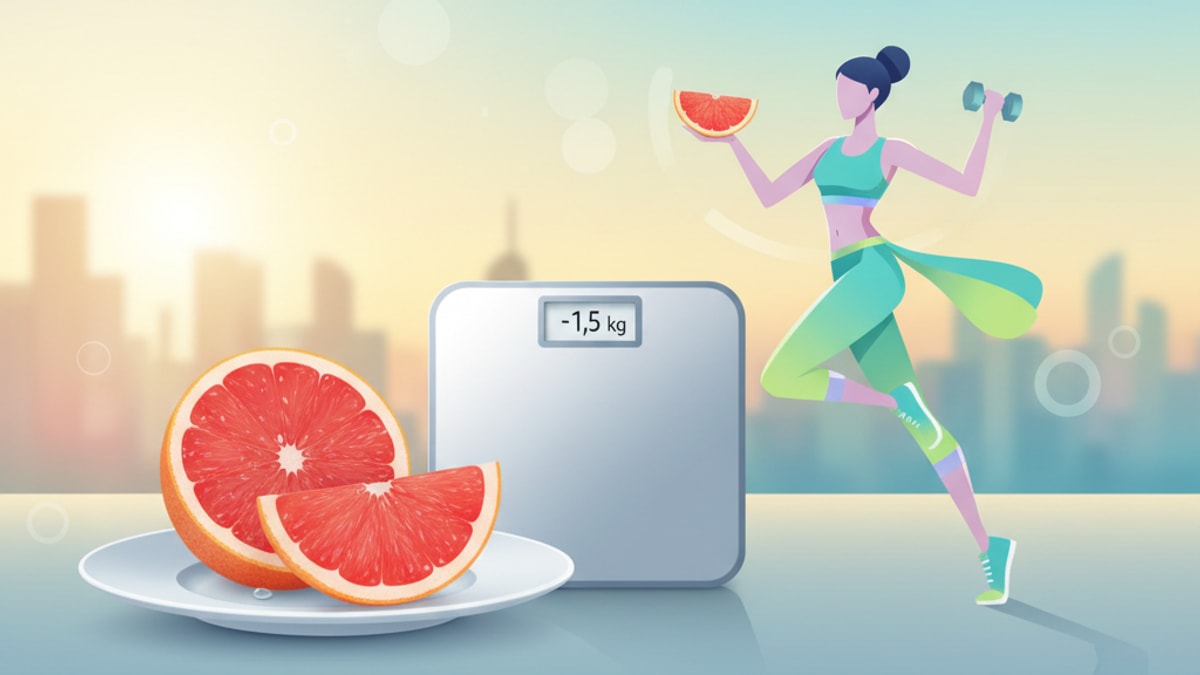
The Legend of the Grapefruit Diet
We've all heard of it. It’s one of those ubiquitous, almost mythical weight loss tales passed down through generations, right alongside cabbage soup and apple cider vinegar cleanses. The Grapefruit Diet. It sounds so simple, so natural. Just eat half a grapefruit with every meal, and the fat will magically melt away. This idea has been circulating since the 1930s, often called the 'Hollywood Diet,' promising a quick fix with a single, seemingly miraculous ingredient.
But here's a question our team asks constantly: why does this idea have such staying power? It’s because it taps into a powerful desire for a simple solution to a complex problem. The world of weight management is a sprawling, often confusing landscape of conflicting advice. A single, easy-to-follow rule is incredibly appealing. Honestly, though, our experience in biotechnology and medically-supervised weight loss has shown us that when something sounds too good to be true, it almost always is. So, we're going to pull back the curtain on this enduring diet fad and look at what the science actually says. Does grapefruit help with weight loss? Let's get into it.
What's Really Inside a Grapefruit?
Before we can tackle the big question, we need to understand what we're working with. A grapefruit isn’t just a bitter, juicy orb; it’s a complex package of nutrients, water, and bioactive compounds. Looking at its nutritional profile is the first step in separating marketing from medicine.
First, the basics. Grapefruit is undeniably healthy. It's low in calories, with a medium-sized fruit containing only about 80-100 calories. It’s packed with water, which is fantastic for hydration and can contribute to feelings of fullness. It’s also an excellent source of vitamins, particularly Vitamin C—a powerful antioxidant—and Vitamin A. Plus, it contains a decent amount of dietary fiber, especially pectin. Fiber is a critical, non-negotiable element in any effective weight management plan. It slows down digestion, helps stabilize blood sugar levels, and significantly boosts satiety. That feeling of being full and satisfied is a cornerstone of controlling calorie intake without feeling deprived.
But the story gets more interesting when we look at its unique chemical compounds. Grapefruit contains flavonoids, and one in particular, naringin (which becomes naringenin during digestion), is responsible for its characteristic bitter taste. This compound has been the subject of considerable research, with some studies suggesting it may have beneficial effects on metabolism and insulin sensitivity. It's these whispers of metabolic influence that have fueled the grapefruit diet myth for nearly a century. The idea of a 'fat-burning enzyme' activated by grapefruit is a gross oversimplification, a marketing hook, but the underlying biochemistry is where the real, albeit more modest, story lies.
The Science: Does Grapefruit Actually Trigger Weight Loss?
Alright, let's get to the core of it. We've established grapefruit is a nutritious, low-calorie fruit. But does it possess some unique, formidable power to accelerate weight loss beyond what its basic nutritional stats would suggest? The evidence is nuanced, and frankly, not as dramatic as the diet's proponents would have you believe.
Several studies have explored this very question. One of the most frequently cited is a 12-week study from the Scripps Clinic. In it, obese participants who ate half a fresh grapefruit before meals lost significantly more weight (an average of 3.6 pounds) than those who didn't. The study also noted improvements in insulin resistance. This sounds promising, right? But it's crucial to look closer. The weight loss, while statistically significant, wasn't catastrophic. And the mechanism isn't necessarily a 'magic' fat-burning property.
Here’s what our team believes is likely happening, based on the collective evidence:
-
The Satiety Factor: This is the big one. We can't stress this enough. Eating a high-fiber, high-water-content food like grapefruit before a meal physically takes up space in your stomach. It's a simple concept known as 'preloading.' You feel fuller faster, and as a result, you naturally tend to consume fewer calories during the actual meal. It's not magic; it's mechanics. You could likely achieve a similar effect with a large apple, a bowl of vegetable soup, or a big glass of water. Grapefruit just happens to be a great candidate for this strategy.
-
Caloric Displacement: If you swap a 300-calorie afternoon snack for a 90-calorie grapefruit, you've created a calorie deficit. Do that every day, and you will lose weight. The credit goes to the deficit, not the grapefruit itself. The fruit is simply the tool you're using to achieve that deficit in a healthy, nutrient-dense way.
-
Insulin and Blood Sugar Regulation: This is where things get more biochemical. The potential for grapefruit compounds to improve insulin sensitivity is perhaps the most compelling part of the story. Insulin is a hormone that manages blood sugar and plays a key role in fat storage. When your cells are resistant to insulin, your body has to produce more of it, which can promote weight gain. By potentially making your cells more responsive to insulin, grapefruit could help create a more favorable hormonal environment for weight management. This is a far cry from 'melting fat,' but it's a legitimate biological pathway. It’s the same fundamental system that advanced GLP-1 medications, like the ones we use at TrimrX, target with far greater precision and efficacy.
So, the verdict? Grapefruit can support weight loss. It's a fantastic, healthy addition to a balanced diet. But it is not a silver bullet. The weight loss observed in the so-called 'grapefruit diet' is almost entirely attributable to the severe, and frankly unsustainable, calorie restriction that typically accompanies it—often as low as 800 calories a day.
The Grapefruit Diet vs. A Modern Weight Loss Strategy
Comparing a 1930s fad diet to a modern, medically-supervised program is like comparing a horse-drawn cart to a spaceship. Both might eventually get you somewhere, but the technology, safety, and reliability are worlds apart. Our experience shows that focusing on a single food is a flawed premise from the start. Sustainable health is about the entire system, not one isolated component.
Here’s a direct comparison:
| Feature | The Traditional 'Grapefruit Diet' | A Modern, Medically-Supervised Approach (TrimrX) |
|---|---|---|
| Core Principle | Focuses on one 'magic' food to allegedly burn fat. | Utilizes a holistic, biological approach to manage weight. |
| Scientific Backing | Based on outdated theories and anecdotal evidence. | Grounded in cutting-edge endocrinology and clinical research. |
| Sustainability | Extremely low. Highly restrictive and leads to diet fatigue. | High. Designed for long-term health and lifestyle integration. |
| Nutritional Health | Often nutritionally incomplete and dangerously low in calories. | Emphasizes balanced nutrition alongside medical treatment. |
| Mechanism of Action | Relies on extreme calorie restriction and dubious claims. | Works with the body’s hormones (like GLP-1) to regulate appetite. |
| Professional Guidance | None. It's a do-it-yourself approach with high risks. | Constant medical oversight and a dedicated support system. |
| Long-Term Results | Typically results in rapid rebound weight gain. | Fosters sustainable weight loss and improved metabolic health. |
This isn't to demonize grapefruit. It's to put it in its proper context. It's a healthy food, a great choice. But it's not a treatment plan. That's the reality.
A Critical Warning: Grapefruit and Medication Interactions
Now, this is where our professional responsibility as a medical and biotech-focused organization comes in. We have to talk about safety. This isn't just a helpful tip; it's a critical, non-negotiable warning. Grapefruit and its juice can have serious, even dangerous, interactions with a wide array of common prescription medications.
Here's the problem: Grapefruit contains compounds called furanocoumarins. These substances interfere with an enzyme in your small intestine and liver called CYP3A4, which is responsible for breaking down and metabolizing about 50% of all prescription drugs. When this enzyme is inhibited, more of the drug enters your bloodstream and stays in your body for longer. This can turn a normal, safe dose of a medication into a toxic overdose.
It’s not a minor effect. It can be a dramatic, sometimes catastrophic one.
The list of affected medications is sprawling and includes:
- Statins (for cholesterol), like atorvastatin (Lipitor) and simvastatin (Zocor).
- Calcium channel blockers (for high blood pressure), like nifedipine.
- Immunosuppressants, often used after organ transplants.
- Some anti-anxiety medications, like buspirone.
- Some corticosteroids, used to treat Crohn's disease or ulcerative colitis.
- Some antihistamines, like fexofenadine (Allegra).
This is just a partial list. The effect can last for up to three days after consuming grapefruit, so simply spacing it out from your medication doesn't work. Before you ever consider adding significant amounts of grapefruit to your diet, you absolutely must speak with your doctor or pharmacist to review your current medications. It's a conversation that could save your life. Let's be honest, this is crucial.
Beyond Fads: The Modern Science of Weight Management
So, if the answer isn't a single magical fruit, what is it? The last few decades have brought a profound, revolutionary shift in our understanding of weight. We've moved away from the simplistic and often shame-driven mantra of 'eat less, move more' and towards a sophisticated understanding of the body's complex regulatory systems. Weight isn't just about willpower; it's about a biochemical cascade of hormones, genetics, and environmental factors.
This is where our work at TrimrX comes in. We operate at the forefront of this new paradigm, utilizing advanced treatments that work with your body's biology, not against it. We're talking about GLP-1 (glucagon-like peptide-1) receptor agonists like Semaglutide and Tirzepatide. These aren't stimulants or crash-diet pills. They are a class of medications that mimic a natural gut hormone, fundamentally changing the conversation your body has about hunger, satiety, and blood sugar.
Here's how they create a real, sustainable path to weight loss:
- They target the brain's hunger centers, reducing cravings and quieting the 'food noise' that so many people struggle with.
- They slow down gastric emptying, meaning food stays in your stomach longer, leading to a profound and lasting sense of fullness.
- They improve the body's insulin response, helping to manage blood sugar and reduce the hormonal drive for fat storage.
This is a fundamental reset. It's about correcting the underlying biological signals that make weight loss feel like a relentless, uphill battle. For individuals who have tried everything else—from grapefruit diets to grueling exercise regimens—and found nothing works long-term, this approach can be life-changing. It addresses the root cause rather than just trimming the leaves. If you've been on that frustrating cycle, it might be time to see if a modern, scientific approach is right for you. You can Take Quiz on our site to learn more about your eligibility.
Building a Sustainable Plan That Actually Works
Ultimately, whether you incorporate grapefruit into your diet or explore advanced medical treatments, the goal is the same: to build a sustainable, healthy lifestyle that you can maintain for the rest of your life. Quick fixes are a recipe for failure and rebound weight gain. We've seen it work time and time again. Lasting success is built on a foundation of smart, evidence-based principles.
Our team has found that the most successful journeys combine several key elements:
- A Focus on Whole Foods: Build your diet around lean proteins, healthy fats, and high-fiber carbohydrates like vegetables, legumes, and, yes, fruits like grapefruit. These foods are nutrient-dense and promote satiety.
- Professional Guidance: Navigating weight loss alone is incredibly difficult. Having a medical team to monitor your progress, adjust your plan, and provide support is invaluable. It removes the guesswork and ensures you're losing weight safely.
- Understanding Your Biology: Stop fighting your body. Learn to work with it. Whether that means recognizing your personal hunger cues or using advanced medications to help regulate them, understanding the 'why' behind your struggles is empowering.
Don't get caught up in the allure of the next fad. The grapefruit diet is a relic of a time when we didn't understand the intricate science of metabolism. Today, we have better tools and a much deeper understanding. We have the ability to create personalized, effective, and sustainable plans that lead to real, lasting health improvements. If you're ready to stop dieting and start living, it's time to embrace a modern solution. It might be the moment to Start Your Treatment Now with a team that puts science first.
Grapefruit can be a part of that healthy lifestyle. It's a delicious, nutritious fruit. Just don't expect it to do all the heavy lifting. That job belongs to a comprehensive, intelligent strategy designed specifically for you.
Frequently Asked Questions
Can you lose belly fat just by eating grapefruit?
▼
No, you can’t spot-reduce fat from any specific area of your body. While grapefruit can be part of a diet that leads to overall weight loss, which will include belly fat, the fruit itself doesn’t specifically target that area. Lasting fat loss comes from a consistent calorie deficit and a holistic health plan.
How much grapefruit should I eat for weight loss?
▼
There’s no magic amount. Our team recommends focusing on incorporating it as part of a balanced diet rather than as a primary weight loss tool. Eating half a grapefruit before a meal can help with satiety, but the real benefit comes from a diet rich in a variety of fruits and vegetables.
Is drinking grapefruit juice as effective as eating the whole fruit?
▼
No, it’s not. The whole fruit contains fiber, which is crucial for making you feel full and slowing sugar absorption. Juice strips out this fiber, leaving you with concentrated sugar and calories. We always advise choosing the whole fruit over the juice for weight management.
What are the side effects of the ‘grapefruit diet’?
▼
The main side effects come from the extreme calorie restriction it requires, not the grapefruit itself. These can include fatigue, dizziness, nutrient deficiencies, and muscle loss. More importantly, it can lead to a cycle of yo-yo dieting, which is detrimental to long-term metabolic health.
Can I eat grapefruit while taking Semaglutide or Tirzepatide?
▼
This is a critical question. While GLP-1 medications like Semaglutide and Tirzepatide are not on the primary list of drugs with severe grapefruit interactions, you must always consult your prescribing physician. At TrimrX, we require full disclosure of diet and supplements to ensure patient safety.
Does grapefruit really boost your metabolism?
▼
The claim that grapefruit contains a special enzyme that burns fat and boosts metabolism is largely a myth. While some compounds may have a very minor influence on metabolic pathways, the effect is not significant enough to cause weight loss on its own. The primary benefits are its low calorie count and high fiber content.
Is the ‘grapefruit diet’ safe for everyone?
▼
Absolutely not. Due to its potential for dangerous interactions with common medications, it is unsafe for many people. Furthermore, the severe caloric restriction is not appropriate for individuals with certain health conditions. Always consult a doctor before starting any restrictive diet.
What’s a better alternative to the grapefruit diet?
▼
A far better alternative is a sustainable, balanced eating plan focused on whole foods, lean protein, and fiber. For those who need more support, a modern, medically-supervised program using proven science, like the GLP-1 treatments we offer at TrimrX, provides a safe and effective path to long-term success.
Does the color of the grapefruit matter for weight loss?
▼
Pink and red grapefruits contain more beta-carotene and lycopene (antioxidants) than white varieties, but for weight loss purposes, the difference is negligible. All types are low in calories and high in water and fiber, which are the key properties that can support a weight management plan.
Why do I feel fuller after eating grapefruit?
▼
You feel fuller primarily because of its high water and soluble fiber (pectin) content. This combination takes up volume in your stomach and slows down the rate at which your stomach empties, leading to a prolonged sense of satiety and helping you control your overall calorie intake.
Can grapefruit help with insulin resistance?
▼
Some studies suggest that certain compounds in grapefruit, like naringenin, may help improve insulin sensitivity. This could be beneficial for creating a hormonal environment that is more conducive to weight management. However, it is not a substitute for medical treatment for insulin resistance or diabetes.

Transforming Lives, One Step at a Time
Keep reading

What to Do With a Full Pantry You No Longer Eat From
Sort it into three piles rather than clearing it all out: donate, keep, and discard. The mistake most people make is emptying the whole…

How to Handle a Business Dinner When the Client Orders for the Table
This is the one dining situation where your usual tools do not work. You cannot order a starter as your main, cannot ask for…

How to Handle Group Dinners Where Everyone Shares Plates
Shared dining is generally easier than a fixed plate, not harder, and it is worth going in with that framing. When everyone is taking…


