Does Grapefruit Help with Weight Loss? An Unflinching Look
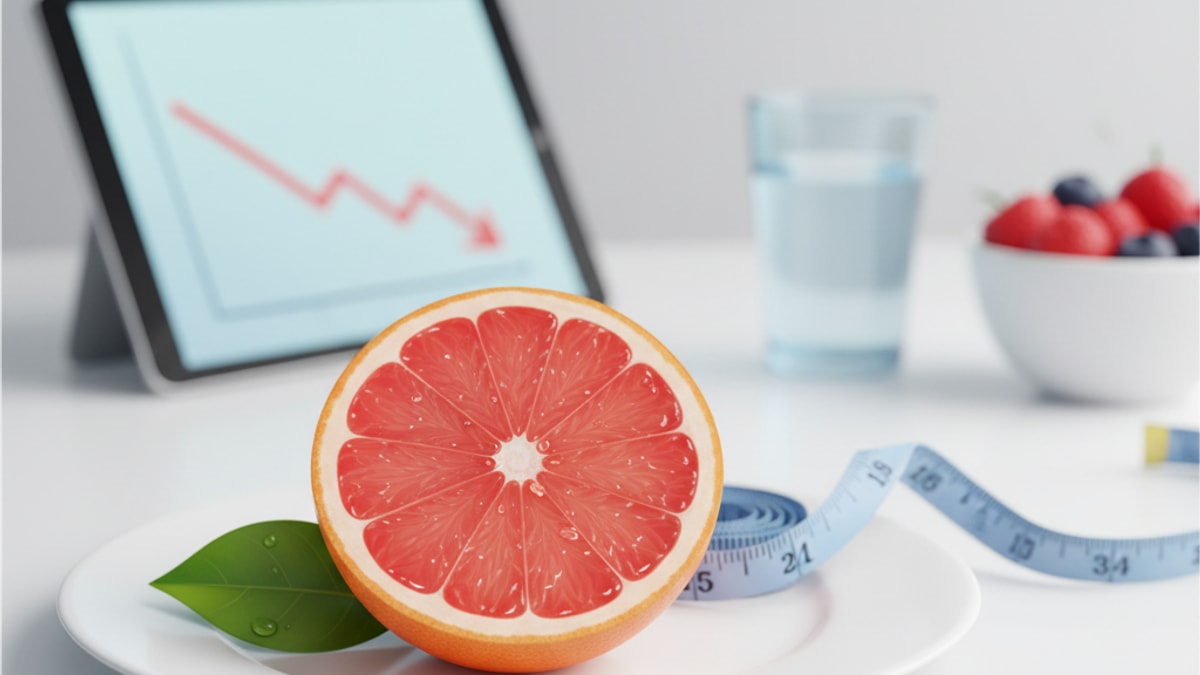
We’ve all heard it, haven't we? The whisper in the breakroom, the tip from a well-meaning relative, the headline on a magazine from a bygone era: eat grapefruit to lose weight. It’s one of the most enduring pieces of diet folklore out there, a seemingly simple hack for a complex problem. The idea is so pervasive that for many, the tart, tangy scent of grapefruit is practically synonymous with the grueling pursuit of weight loss.
But here at TrimrX, where our entire focus is on the unflinching science of metabolic health and sustainable weight management, we know that folklore rarely holds up under clinical scrutiny. Our team has spent years guiding patients through the intricate biology of weight loss, using advanced, medically-supervised treatments. So when a question like "does grapefruit help with weight loss?" comes up, we don't just repeat the old tales. We dissect them. We look at the data, the biological mechanisms, and the real-world outcomes. And what we’ve found is a story far more nuanced—and frankly, more interesting—than a simple yes or no.
The Legend of the Grapefruit Diet
Before we can talk about the science, we have to talk about the story. The "Grapefruit Diet," sometimes called the "Hollywood Diet," has been kicking around since at least the 1930s. That’s nearly a century of diet culture built around a single fruit. The premise was usually some variation of a brutally restrictive, low-calorie plan where you'd eat half a grapefruit with every meager meal. The promise? Rapid, almost magical weight loss. Ten pounds in ten days was a common claim.
And for a time, people saw results. Or at least, they saw the number on the scale go down. This created a powerful confirmation bias that has echoed through generations. The diet's persistence isn't just about the fruit; it's about the deep-seated human desire for a simple solution, a silver bullet. We can't stress this enough: the appeal was never really about the grapefruit itself, but about the hope it represented. It was a tangible, accessible 'secret' in the often frustrating and demoralizing world of weight management. It felt like you were doing something specific, something active. But was that something effective? Or was it just a distraction from the real work?
That's the key question.
So, Does Grapefruit Actually Help With Weight Loss? The Science
Let’s get straight to it. Does eating grapefruit cause your body to spontaneously melt fat away? No. Absolutely not. There is no 'magical' fat-burning enzyme in grapefruit that defies the laws of thermodynamics. Our experience shows that clinging to ideas like this is precisely what keeps people trapped in cycles of yo-yo dieting. The reality, as always, is grounded in biology.
However, that doesn't mean grapefruit is useless. It has several properties that can be conducive to a weight loss journey when incorporated into a broader, intelligent strategy. It's an assistant, not the star player.
Here’s what’s really going on:
-
High Water and Fiber Content: This is probably the biggest factor. Grapefruit is about 92% water, making it one of the most hydrating fruits. It’s also packed with soluble fiber. The combination of water and fiber is a powerhouse for satiety—the feeling of fullness. Eating half a grapefruit before a meal can physically take up space in your stomach, making you feel fuller faster and, consequently, eat fewer calories during the actual meal. It’s a simple displacement strategy. You're not burning more fat; you're consuming less fuel. Simple, right?
-
Low Calorie Density: A medium-sized grapefruit has around 80-100 calories. For a food that is so filling and nutrient-dense, that's an incredible bargain, calorically speaking. Swapping a high-calorie snack (like a handful of chips or a cookie) for a grapefruit is an easy win for your daily calorie budget. It’s a smart substitution, not a metabolic miracle.
-
The Role of Naringin: Now, this is where it gets a bit more technical. Grapefruit contains a flavonoid called naringin (which turns into naringenin during digestion), responsible for its bitter taste. Some animal studies and preliminary human research have suggested that naringin might influence metabolism. It's been observed to improve insulin sensitivity and potentially inhibit certain enzymes involved in fat storage. However—and this is a critical 'however'—these effects are far from definitive in humans and certainly not powerful enough to cause significant weight loss on their own. We're talking about a subtle biological nudge, not a powerful shove.
-
Blood Sugar Regulation: The low glycemic index of grapefruit means it doesn't spike your blood sugar like a candy bar or a piece of white bread. Stable blood sugar levels are crucial for managing hunger and cravings. By avoiding sharp peaks and catastrophic crashes in glucose, you're better able to stick to your nutrition plan without being derailed by relentless cravings. This is a supportive benefit, and it's one shared by most high-fiber, low-sugar fruits and vegetables.
So, the verdict? Grapefruit can absolutely be a helpful tool. It helps you control calorie intake by promoting fullness and serves as a low-calorie, nutrient-rich food choice. But the idea that it possesses some unique, potent fat-burning power is a myth. The weight loss people experienced on the classic "Grapefruit Diet" came from the extreme calorie restriction of the diet itself, not the fruit. They could have swapped the grapefruit for a bowl of broccoli and likely seen the same short-term (and unsustainable) results.
A Critical Warning: Grapefruit and Medication Interactions
Here's where our conversation has to take a very serious turn. As a medically-focused organization, we can't discuss grapefruit without a significant, non-negotiable warning. This is crucial.
Grapefruit and grapefruit juice contain compounds called furanocoumarins. These compounds can dramatically interfere with the metabolism of numerous prescription medications by inhibiting an enzyme in your gut called CYP3A4. This enzyme is responsible for breaking down about 50% of all drugs on the market. When it's inhibited, medications can build up in your bloodstream to dangerous, sometimes toxic, levels.
This isn't a minor side effect. It's a serious drug interaction.
The list of affected medications is sprawling and includes:
- Statins: For lowering cholesterol (e.g., atorvastatin, simvastatin).
- Calcium Channel Blockers: For high blood pressure (e.g., nifedipine, felodipine).
- Immunosuppressants: For organ transplant patients.
- Certain Antidepressants and Anti-Anxiety Medications.
- Some Blood Thinners and Heart Rhythm Drugs.
Honestly, the list is too long to print here. The effect can last for up to three days after consuming grapefruit. This means you can't just space out your medication and your grapefruit. Our strong, unwavering recommendation is this: if you are on any prescription medication, you must speak with your doctor or pharmacist before adding grapefruit or grapefruit juice to your diet. Don't risk it. Your health is far too important.
Beyond the Grapefruit: What Truly Drives Sustainable Weight Loss
So, if the grapefruit isn't the hero of the story, what is? Our team has found that true, lasting weight loss isn't about a single food or a magic pill. It's a comprehensive, multi-faceted approach that addresses your unique biology. It's about shifting the entire system, not just trying to trick it for a few weeks.
This is where the conversation moves from diet folklore to modern medicine. The challenges many people face with weight loss aren't due to a lack of willpower or a deficiency of grapefruit. They are often rooted in formidable hormonal and metabolic dysregulation. Your body's own signaling systems—like those controlling hunger, satiety, and blood sugar—can work against you, making a simple caloric deficit feel like a relentless uphill battle.
This is the problem we are built to solve. We leverage cutting-edge medical advancements to work with your body's biology. The development of GLP-1 (glucagon-like peptide-1) receptor agonists, like Semaglutide and Tirzepatide, represents a monumental shift in weight management. These aren't stimulants or crash-diet aids. They are sophisticated medications that mimic your body's natural hormones to:
- Regulate Appetite: They work on the hunger centers in your brain, significantly reducing cravings and 'food noise.'
- Increase Satiety: They slow down gastric emptying, so you feel fuller for much longer after meals.
- Improve Insulin Response: They help your body manage blood sugar more effectively, preventing the spikes and crashes that lead to more cravings.
This isn't about finding a shortcut. It's about using a better map. For individuals who find that lifestyle changes alone are not enough to overcome these powerful biological hurdles, exploring a medically-supervised path can be a complete game-changer. You can see if you're a candidate when you Take Quiz.
Let’s compare these approaches directly.
| Feature | The "Grapefruit Diet" | A Balanced Nutritional Approach | Medically-Supervised Program (TrimrX) |
|---|---|---|---|
| Core Mechanism | Extreme calorie restriction, myth-based | Sustainable calorie deficit, macronutrient balance | Hormonal regulation, metabolic optimization |
| Sustainability | Very Low. Promotes yo-yo dieting and burnout. | High. Teaches lifelong healthy habits. | High. Addresses root biological drivers for lasting change. |
| Focus | Rapid, short-term weight loss (often water/muscle). | Gradual, sustainable fat loss and overall health. | Clinically significant fat loss and metabolic health improvement. |
| Safety | Potentially unsafe due to nutrient deficiencies and medication interactions. | Generally very safe and promotes well-being. | Very safe under medical supervision with FDA-registered medications. |
| Hunger & Cravings | Extremely high, leading to failure. | Managed through fiber, protein, and balanced meals. | Significantly reduced by addressing hormonal signals in the brain. |
| Medical Support | None. Based on folklore. | Optional (e.g., with a registered dietitian). | Essential. Guided by a medical team for safety and efficacy. |
As you can see, the approaches are worlds apart. One is a relic of the past, while the others represent the present and future of effective, health-focused weight management.
The TrimrX Philosophy: It's About Biology, Not Blame
For too long, the narrative around weight loss has been one of personal failure. We fundamentally reject that. Our experience, backed by overwhelming clinical data, shows that for many, the struggle is biological. It's a mismatch between our ancient genetics and our modern environment. Willpower can only take you so far when your own hormones are screaming for you to eat.
That's why we're so passionate about what we do. By using treatments like Semaglutide and Tirzepatide, we provide the tool that finally allows your hard work—your healthy eating choices, your increased activity—to pay off. We're leveling the playing field, allowing your body's biology to work with you, not against you.
Integrating grapefruit into a healthy diet? That's a great choice (as long as you've cleared it with your doctor regarding medications). It's a smart, low-calorie, high-fiber food. But pinning your hopes on it as a singular solution is a recipe for disappointment. True transformation happens when you address the entire system. It happens when you combine intelligent nutritional choices with a foundational change in your metabolic and hormonal signaling.
If you're tired of the endless cycle of restrictive diets and broken promises, it might be time to consider a different approach. An approach based not on fads from the 1930s, but on the most advanced medical science of today. If you're ready to move beyond frustrating diet cycles and address the underlying biology of weight, we're here to help. You can Start Your Treatment with a simple, confidential assessment.
So, by all means, enjoy a grapefruit for breakfast. It's a delicious, healthy fruit. But know that it’s just one small, supporting actor in your much larger, more important story of achieving lasting health. The real star of the show is a comprehensive, science-backed strategy that puts your biology back in the driver's seat. That's where the magic really happens.
Frequently Asked Questions
Can I just drink grapefruit juice instead of eating the whole fruit?
▼
We generally don’t recommend it. Grapefruit juice lacks the fiber of the whole fruit, which is the primary driver of satiety. It’s also a more concentrated source of sugar and calories, and it still carries the same serious risk of medication interactions.
Does grapefruit specifically burn belly fat?
▼
No, this is a common myth. You cannot ‘spot reduce’ fat from any specific area of your body through diet alone. Fat loss occurs systemically, and where you lose it first is largely determined by your genetics and hormones.
How much grapefruit is too much?
▼
For most people not taking interacting medications, one grapefruit a day is perfectly healthy as part of a balanced diet. The main risk isn’t from the fruit itself but from the potential for it to interfere with prescription drugs, an effect that can occur even with small amounts.
Are ‘grapefruit pills’ or supplements effective for weight loss?
▼
Our team advises extreme caution with these supplements. They are often unregulated and can make unsubstantiated claims. Any minor metabolic effect from grapefruit extract would be insignificant compared to a comprehensive medical and nutritional strategy.
Does the color of the grapefruit (pink vs. white) matter for weight loss?
▼
Not in any meaningful way. Pink and red grapefruits are higher in the antioxidant lycopene, which is great for overall health. However, their effects on satiety, calories, and fiber are virtually identical for weight management purposes.
What’s the difference between eating grapefruit and using a GLP-1 medication?
▼
The difference is monumental. Grapefruit is a low-calorie food that can help you feel full (a passive effect), while a GLP-1 medication is a medical treatment that actively works on your brain’s hormonal pathways to regulate appetite and satiety on a biological level.
Will I gain all the weight back if I stop the ‘Grapefruit Diet’?
▼
Almost certainly, yes. Extremely restrictive diets like the ‘Grapefruit Diet’ are unsustainable. The rapid weight loss is mostly water and muscle, and the severe calorie restriction can slow your metabolism, leading to rapid rebound weight gain once you return to normal eating.
Can grapefruit boost my metabolism?
▼
While some compounds in grapefruit like naringin have shown minor metabolic effects in lab studies, the impact on your overall daily calorie burn is negligible. The idea of ‘boosting’ your metabolism with a single food is largely a myth; significant changes come from building muscle mass and comprehensive hormonal health.
Is grapefruit keto-friendly?
▼
It can be, in small amounts. A half-medium grapefruit has about 11-13 grams of net carbs. This can fit into some ketogenic diet plans, but you would need to track it carefully to stay within your daily carb limit.
Why is the grapefruit and medication interaction so serious?
▼
It’s serious because it prevents your body from properly breaking down a medication. This can cause the drug to accumulate in your bloodstream to toxic levels, leading to severe side effects or overdose, even when you’re taking the prescribed dose. It’s a critical safety issue.
If I’m not on medication, is there any downside to eating grapefruit?
▼
For most people, no. Grapefruit is a very healthy fruit. The only other minor consideration is its acidity, which can be harsh on tooth enamel or for individuals with acid reflux, but this is true of many citrus fruits.

Transforming Lives, One Step at a Time
Keep reading

Obesity and Low Testosterone
**Can obesity cause low testosterone?** Yes. Obesity can lower testosterone, and the relationship often runs in both directions.

Top 6 Best Weight Loss Medications in 2026
Prescription weight loss medication has gone mainstream. What was once a quiet corner of obesity medicine is now one of the most talked-about categories…

Top 8 Best Telehealth for Weight Loss in 2026
Finding the best telehealth for weight loss used to be a time-consuming process that involved hours of research, murky pricing pages, and a fair…


