Drinking Pink Salt for Weight Loss: Our Team’s Unflinching Review
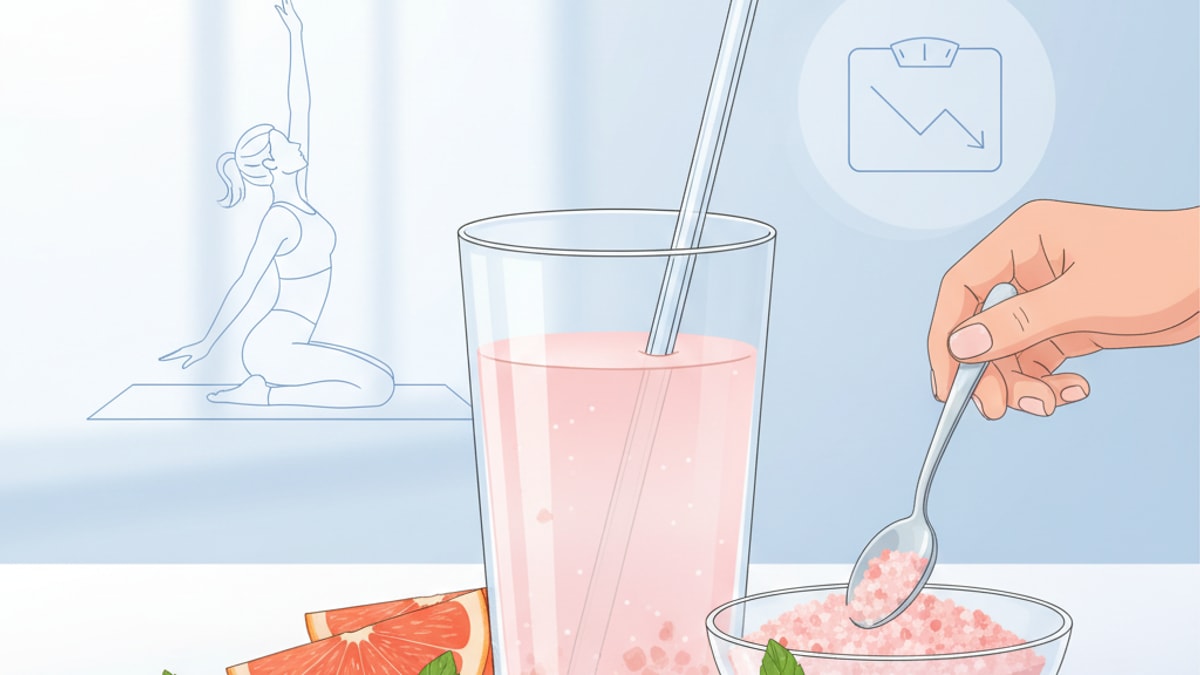
You've probably seen it scrolling through your social feeds. A beautifully lit video shows someone stirring a pinch of coarse, rosy salt into a glass of water, promising it's the secret to shedding pounds, boosting energy, and 'detoxing' the body. The trend of drinking pink salt for weight loss has become a sprawling wellness phenomenon, presented as an all-natural, simple hack for a complex problem. But our team is here to ask the hard questions. Is there any real science behind it? Or is this just another well-marketed myth that could do more harm than good?
Let's be honest, the appeal is understandable. The promise of a quick fix is incredibly powerful, especially when you're feeling frustrated with your weight loss journey. We get it. At TrimrX, our entire focus is on the science of metabolic health and sustainable weight management. We've dedicated ourselves to understanding the intricate biological pathways that control weight. So when a trend like this gains traction, we feel it's our professional responsibility to cut through the noise and give you an unflinching, evidence-based perspective. It's time to separate the wellness fantasy from physiological fact.
So, What Exactly Is Pink Himalayan Salt?
Before we dive into the weight loss claims, it's important to understand what this stuff actually is. Pink Himalayan salt is a type of rock salt mined from the Punjab region of Pakistan, near the foothills of the Himalayas. Its characteristic pink hue comes from trace minerals, primarily iron oxide (which is, essentially, rust). Aesthetically, it's certainly more interesting than plain white table salt.
Chemically, however, it's not dramatically different. It is composed of about 98% sodium chloride, the exact same compound as regular table salt. That remaining 2% is where things get interesting—and where most of the marketing claims originate. This portion contains up to 84 different trace minerals and elements, including potassium, magnesium, and calcium. Sounds impressive, right? The catch, and it's a significant one, is the concentration. These minerals are present in such minuscule amounts that their health impact is negligible. You would have to consume a dangerously high, and frankly catastrophic, amount of salt to get a meaningful dose of these minerals. We're talking amounts that would put your cardiovascular system and kidneys under formidable strain.
So, from a nutritional standpoint, the idea that pink salt is fundamentally 'healthier' than table salt is, in our professional opinion, a stretch. The primary component is still sodium, and your body processes it as sodium, regardless of its rosy color.
The Weight Loss Theory: Deconstructing the Claims
Why do proponents believe a pinch of pink salt in water can trigger weight loss? The arguments usually revolve around a few key ideas. Our team has seen these same narratives pop up again and again with various wellness fads. Let's break them down.
- Enhanced Hydration and Electrolyte Balance: The central claim is that adding pink salt to water creates a solution of 'sole water' (pronounced so-lay), which helps the body absorb water more efficiently and replenishes electrolytes lost through sweat. Better hydration, the theory goes, improves metabolic function.
- The 'Detox' Promise: This is a big one. Influencers often claim that drinking salt water helps 'flush out toxins' and cleanse the digestive system. The idea is that it stimulates bowel movements, clearing waste from the body and leading to a flatter stomach and weight loss.
- Curbing Cravings: Another popular assertion is that the minerals in pink salt can help satisfy the body's needs, reducing cravings for salty, processed foods and ultimately leading to a lower calorie intake.
- Improved Digestion: Some believe that salt water stimulates the production of hydrochloric acid in the stomach, leading to better digestion and nutrient absorption, which they connect to more efficient metabolism.
On the surface, these points sound plausible. They use scientific-sounding terms like 'electrolytes' and 'metabolic function.' But when we put them under the microscope of medical science, the entire framework begins to crumble. It’s a classic case of taking a kernel of physiological truth and stretching it into a spurious health solution.
A Medical Reality Check: The Science vs. The Hype
Here's where our expertise at TrimrX comes into play. We don't just look at trends; we analyze the underlying biology. And from a medical standpoint, the practice of drinking pink salt for weight loss is not just ineffective—it's potentially dangerous.
Let’s be perfectly clear: there is no scientific evidence to support the claim that drinking pink salt water causes fat loss. None. Any immediate drop you might see on the scale is almost certainly due to fluid loss. Consuming a large amount of sodium can have a diuretic effect, causing your body to excrete water to restore its delicate electrolyte balance. You're losing water weight, not body fat. This is a temporary, deceptive change that has nothing to do with genuine, sustainable weight management.
What about the hydration claim? While electrolytes are vital for hydration, most people get more than enough sodium from their regular diet. In fact, the average diet is already excessively high in sodium. Adding more, especially first thing in the morning, is rarely necessary and often counterproductive. For athletes engaged in intense, prolonged exercise, a carefully formulated electrolyte drink might be beneficial. But for the average person, a glass of salt water isn't a hydration hack; it's just a glass of salt water.
And the 'detox' myth? This is perhaps the most persistent and misleading claim in the wellness industry. Your body has a highly sophisticated, built-in detoxification system: your liver and kidneys. These organs work relentlessly to filter your blood, process nutrients, and excrete waste products. They do an impeccable job without any help from expensive salt. The idea that you can 'flush' them with salt water is a fundamental misunderstanding of human physiology. A sudden saltwater flush is more likely to cause digestive distress, diarrhea, and dehydration than any beneficial 'cleansing.'
Now, let's talk about the risks, because we can't stress this enough. Regularly consuming excess sodium is unequivocally linked to serious health problems. These include:
- High Blood Pressure (Hypertension): Sodium makes your body retain water. This increases the volume of blood in your bloodstream, which in turn increases the pressure on your artery walls. Over time, this can damage your cardiovascular system.
- Kidney Strain: Your kidneys are responsible for filtering excess sodium out of your body. Consistently overloading them can impair their function over the long term.
- Electrolyte Imbalance: While the goal is supposedly to balance electrolytes, too much sodium can throw the whole system out of whack. This can lead to symptoms like dizziness, muscle cramps, and in severe cases, more serious neurological issues.
- Dehydration: This is deeply ironic. While proponents claim it boosts hydration, consuming too much salt can pull water out of your cells to dilute the sodium in your bloodstream, leading to cellular dehydration.
It's a short-term, ineffective strategy with significant long-term risks. That's the bottom line.
Pink Salt vs. Medically-Supervised Solutions: A Clear Comparison
To put this into perspective, let's compare the viral pink salt trend with a clinically-proven, medically-supervised approach to weight loss, like the programs we've developed at TrimrX. The difference is not just significant; it's a dramatic shift from guesswork to science.
| Feature | Pink Salt Water | Medically-Supervised Programs (like TrimrX) |
|---|---|---|
| Mechanism of Action | Based on unproven theories of 'detoxification' and hydration. Causes water weight loss. | Targets the body's underlying metabolic and hormonal systems that regulate appetite, satiety, and blood sugar. Addresses the root cause. |
| Scientific Evidence | Zero peer-reviewed studies supporting its use for sustainable fat loss. | Based on extensive clinical trials and FDA-approved medications like GLP-1s (Semaglutide, Tirzepatide) with proven efficacy. |
| Safety Profile | Carries risks of high blood pressure, kidney strain, and electrolyte imbalance. No medical oversight. | Monitored by medical professionals to ensure safety, manage side effects, and personalize treatment. Utilizes FDA-registered medications. |
| Sustainability | Not a sustainable method for fat loss. Any weight lost is water and is quickly regained. | Designed for long-term results by changing the body's biological set points and promoting healthier habits. |
| Professional Guidance | Relies on social media influencers and anecdotal advice. No personalization. | Involves a dedicated medical team for personalized consultations, progress tracking, and adjustments. A critical, non-negotiable element. |
Looking at this, the choice becomes clear. One path is a gamble based on misinformation. The other is a strategic, evidence-based journey guided by medical experts.
The Real Path to Sustainable Weight Management
If you're truly serious about losing weight and keeping it off, you have to move beyond the fads. You have to focus on what actually works. Our experience at TrimrX shows that the most effective strategies are those that work with your body's biology, not against it.
This is where groundbreaking advancements like GLP-1 medications come into the picture. Molecules like Semaglutide and Tirzepatide are not quick fixes or magic pills. They are sophisticated medical tools that address the physiological drivers of weight gain. They work by mimicking natural hormones in your body that regulate appetite and blood sugar. Essentially, they help you feel fuller for longer, reduce food 'noise' and cravings, and improve how your body processes sugar. It’s a nuanced biochemical approach that tackles the problem at its core.
This isn't about a temporary fluid flush. It's about fundamentally resetting your metabolic health for long-term success. It's a method grounded in decades of research and validated by rigorous clinical trials. If you're tired of the cycle of trying trendy diets that don't deliver lasting results, it might be time to explore a path grounded in real science. You can see if a medical weight loss program is right for you when you Take Quiz with our team.
Why Professional Guidance Is Absolutely Essential
Embarking on a weight loss journey alone, armed with nothing but advice from the internet, can be a frustrating and often demoralizing experience. That's why we believe medical supervision is a critical, non-negotiable element of any effective weight management plan.
When you work with a team like ours at TrimrX, you're not just getting a prescription. You're getting a partner in your health. We provide comprehensive consultations to understand your unique medical history and goals. We monitor your progress, manage any potential side effects, and make adjustments to your treatment plan as needed. This level of personalized care ensures that you're not only effective but also safe.
This approach stands in stark contrast to the 'one-size-fits-all' nature of wellness fads. Your body is unique. Your health journey is personal. The strategy you use to manage it should be, too. It's about moving from a world of baseless claims to one of clinical confidence. If you're ready to leave the myths behind and embrace a scientifically-backed approach, we're here to help you. Start Your Treatment Now and discover what a medical-grade solution can do.
The search for a simple weight loss solution is tempting, but the reality is that sustainable results are born from science, not from salt. While a pinch of pink salt might make your food tastier, its role in your weight loss journey should end there. Focusing your energy on proven, medically-guided strategies is not only more effective but also infinitely safer for your long-term health and well-being. It’s time to invest in a real solution.
Frequently Asked Questions
Can drinking salt water really make you lose belly fat?
▼
No, it cannot. Drinking salt water does not target or burn body fat, including belly fat. Any immediate slimming effect is due to temporary water weight loss from its diuretic effect, which is not a sustainable or healthy method for weight management.
Is pink Himalayan salt healthier than regular table salt?
▼
While pink salt contains trace minerals, they are in such minuscule amounts that they offer no significant health advantage. Both are about 98% sodium chloride, and your body processes them the same way. The primary health concern for both is excessive sodium intake.
What are the main side effects of drinking too much salt water?
▼
Consuming too much salt water can lead to several negative side effects. These include dehydration, high blood pressure, kidney strain, bloating, digestive distress like diarrhea, and a dangerous imbalance in your body’s electrolytes.
How much pink salt in water is considered safe?
▼
Our medical team advises against intentionally adding salt to your water for health purposes, as most diets already contain excess sodium. There is no ‘safe’ amount for weight loss, as the practice itself is based on a flawed and risky premise.
Does salt water flush out toxins from the body?
▼
The idea of ‘flushing toxins’ with salt water is a pervasive myth. Your body has a highly efficient detoxification system run by your liver and kidneys. Salt water does not enhance this process and can actually strain these vital organs.
Will drinking pink salt water help with the keto flu?
▼
Some people on ketogenic diets use electrolyte solutions to manage ‘keto flu’ symptoms. While sodium is an electrolyte, a pinch of salt in water is an uncontrolled way to manage this. It’s far safer to use a properly formulated electrolyte supplement under medical guidance if needed.
Can drinking salt water improve my digestion?
▼
There’s no credible scientific evidence that drinking salt water improves digestion for the average person. In fact, for many, it can cause digestive upset, including cramping and diarrhea. A balanced, high-fiber diet is a much more effective strategy for digestive health.
How do GLP-1 medications work differently than diet fads like this?
▼
GLP-1 medications like Semaglutide work on a biological level by mimicking hormones that regulate appetite and blood sugar. This addresses the root physiological cause of weight gain, unlike fads which rely on temporary, non-scientific methods like water flushing.
Is there any benefit to drinking pink salt water at all?
▼
Outside of specific, medically-advised situations for severe dehydration or electrolyte loss (which is rare), there is no proven health benefit to drinking salt water. Plain water is the best choice for general hydration for most people.
Why is medical supervision important for weight loss?
▼
Medical supervision is crucial because it ensures your weight loss plan is safe, effective, and tailored to your unique health profile. Professionals can prescribe proven treatments, monitor your health, and help you achieve sustainable, long-term results.
Can I just reduce my calorie intake instead of trying these fads?
▼
Yes, creating a sustainable calorie deficit through a balanced diet and exercise is the foundation of weight loss. Focusing on this, rather than unproven fads like drinking salt water, is a much safer and more effective long-term strategy.
What is ‘sole water’ and is it good for you?
▼
‘Sole water’ is a solution of water saturated with pink salt. Despite the marketing claims, it is not inherently ‘good for you.’ It’s simply a concentrated saltwater drink that carries all the risks of excessive sodium consumption.

Transforming Lives, One Step at a Time
Keep reading

What to Do With a Full Pantry You No Longer Eat From
Sort it into three piles rather than clearing it all out: donate, keep, and discard. The mistake most people make is emptying the whole…

How to Handle a Business Dinner When the Client Orders for the Table
This is the one dining situation where your usual tools do not work. You cannot order a starter as your main, cannot ask for…

How to Handle Group Dinners Where Everyone Shares Plates
Shared dining is generally easier than a fixed plate, not harder, and it is worth going in with that framing. When everyone is taking…


