Making Lemon Balm Tea for Weight Loss: A Realistic Guide
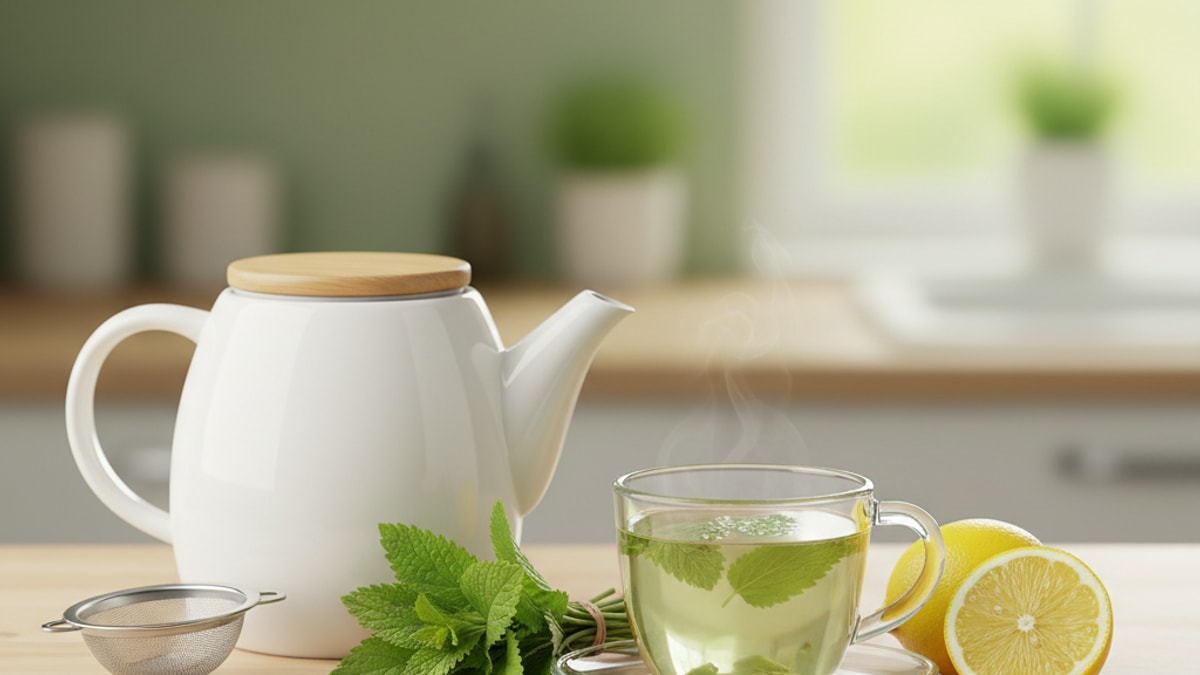
You’ve probably seen it mentioned in wellness articles or scrolling through social media: lemon balm tea. It’s often touted as a gentle, natural aid for everything from anxiety to sleep. And lately, it’s been popping up in conversations about weight loss. The big question is, does it actually work? And if so, how do you even make lemon balm tea for weight loss in a way that’s effective?
Here at TrimrX, our entire focus is on the science of sustainable weight management. We guide our patients through medically-supervised programs using proven tools like GLP-1 medications because we know that lasting results come from tackling the biological drivers of weight. So when a natural remedy like lemon balm enters the conversation, our team doesn't just accept the hype. We look at the evidence, the mechanisms, and its practical role. We’re here to give you an honest, science-backed perspective on this popular herbal tea, separating fact from fiction and showing you how it can genuinely support—not replace—a structured weight loss journey.
What Exactly is Lemon Balm? (And Why the Buzz?)
Before we get into recipes and benefits, let's talk about what we're dealing with. Lemon balm, or Melissa officinalis, isn't some exotic, newly discovered plant. It’s a humble, perennial herb in the mint family that’s been used for centuries, dating all the way back to ancient Greece. Its leaves have a mild, pleasant lemon scent, which is where it gets its name. For generations, it's been the go-to herbal remedy for calming the nerves, easing indigestion, and promoting restful sleep. It’s that reputation as a soothing agent that’s at the heart of its connection to weight management.
But why the sudden surge in popularity? Honestly, it’s because we’re all incredibly stressed. Modern life, with its demanding schedules and relentless pace, creates a chronic state of low-grade stress for many people. Our team sees the physiological impact of this every single day. This constant stress triggers a cascade of hormonal responses, most notably the release of cortisol. And cortisol is notoriously linked to weight gain, especially around the midsection. So, when people hear about a natural, calming herb, they’re understandably curious. They're looking for something—anything—to help them manage that stress, and by extension, its impact on their bodies.
Lemon balm’s calming properties are attributed to its active compounds, particularly rosmarinic acid and a mix of terpenes like citronellal. These compounds interact with neurotransmitter systems in the brain, specifically GABA (gamma-aminobutyric acid), which is like the body's own natural brake pedal. By enhancing GABA activity, lemon balm helps to quiet down an overactive nervous system. This is not just folklore; it's observable biochemistry. It's this mechanism that makes it a powerful ally, not for magically melting fat, but for addressing one of the biggest, most overlooked obstacles to weight loss: chronic stress.
The Science: Can Lemon Balm Tea Actually Help with Weight Loss?
This is the critical question, and we want to be exceptionally clear here. There is no credible scientific evidence to suggest that lemon balm tea directly burns fat, revs up your metabolism to a significant degree, or somehow blocks calorie absorption. If any source tells you it does, you should be skeptical. Its role in a weight loss journey is far more nuanced, and frankly, much more interesting. The benefits are indirect, but they are powerful because they target the foundational pillars of health that make weight loss possible in the first place.
Let’s break down what our experience and the available science show us.
First, and most importantly, is stress and cortisol modulation. We can't stress this enough. When you're chronically stressed, your body is flooded with cortisol. This hormone not only encourages the storage of visceral fat (the dangerous fat around your organs) but also cranks up your appetite for high-sugar, high-fat 'comfort' foods. It's a vicious cycle. You feel stressed, you eat poorly, you gain weight, and you feel more stressed about it. Lemon balm tea, with its proven calming effects, can help interrupt this cycle. By promoting a sense of calm and well-being, it can help lower cortisol levels over time. This doesn't just feel good; it creates a physiological environment where your body is less primed to store fat and your brain is less susceptible to stress-induced cravings. It helps you get out of that 'fight or flight' mode and into a 'rest and digest' state where your body can function optimally.
Second is improved sleep quality. Poor sleep is catastrophic for weight management. It's a non-negotiable. When you don't get enough quality sleep, two key appetite-regulating hormones go haywire. Ghrelin, the 'hunger hormone,' skyrockets, while leptin, the 'satiety hormone,' plummets. The result? You wake up feeling ravenous, with intense cravings for calorie-dense foods, and you feel less full even after eating a large meal. Since lemon balm is known for its gentle sedative properties, a warm cup of the tea an hour or so before bed can help you fall asleep faster and stay asleep longer. This isn't just about feeling rested; it's about hormonal regulation. Consistent, quality sleep is one of the most effective tools for appetite control, and lemon balm can be a wonderful, natural aid to help you achieve it.
Third, there's the simple act of hydration and sugar replacement. So many people consume hundreds of 'hidden' calories every day from sugary drinks—soda, juice, sweetened coffee, and energy drinks. One of the easiest and most impactful changes anyone can make on a weight loss journey is to replace those beverages with zero-calorie alternatives. Water is fantastic, but let's be honest, it can get boring. A fragrant, flavorful cup of lemon balm tea offers a delightful alternative. It’s hydrating, satisfying, and completely free of sugar and calories (as long as you don't add sweeteners). This simple swap can create a significant calorie deficit over the course of a week, accelerating your progress without you feeling deprived.
Finally, it can support better digestive health. Lemon balm has traditionally been used as a carminative, which is a fancy way of saying it helps to relieve gas, bloating, and indigestion. While this doesn't directly cause fat loss, a calm and efficient digestive system is crucial for overall health. When your gut is happy, you're better able to absorb nutrients from your food, and you’re less likely to suffer from the discomfort and inflammation that can derail your healthy eating efforts. It's all connected. A calm mind, a restful night, a happy gut—these are the building blocks of a successful and sustainable weight loss journey.
How to Make Lemon Balm Tea for Weight Loss: The TrimrX Method
Now for the practical part. Making the tea is incredibly simple, but there are a few details our team recommends to get the most benefit and the best flavor. Forget those dusty, flavorless tea bags. Using fresh or high-quality dried leaves makes a world of difference.
Here’s our preferred method:
-
Gather Your Leaves: If you're using fresh lemon balm (which we highly recommend), you'll want a generous handful of leaves per cup—about 10-15 leaves. Don't worry about being too precise. If you're using dried loose-leaf, the standard is about 1 to 2 teaspoons per 8-ounce cup of water.
-
Prepare the Leaves (Fresh Only): If you're using fresh leaves, give them a quick rinse under cool water. You can then gently bruise them by rolling them between your palms or lightly crushing them with the back of a spoon. This helps to release the fragrant essential oils, which is where all the flavor and beneficial compounds are stored.
-
Heat Your Water: Bring fresh, cold water to a boil and then let it cool for just a minute. You don't want to pour boiling-hot water directly onto the delicate leaves, as it can scorch them and create a bitter taste. The ideal temperature is just off the boil, around 195-205°F (90-96°C).
-
Steep to Perfection: Place your fresh or dried leaves in a mug or teapot. Pour the hot water over the leaves. Now, cover the container with a lid or a small saucer. This is a crucial step! It traps the volatile essential oils, keeping all that aromatic goodness in your cup instead of letting it escape into the air. Let it steep for at least 7 to 10 minutes. We've found this is the sweet spot for extracting the flavor and compounds without it becoming too strong.
-
Strain and Sip: After steeping, strain the leaves out using a fine-mesh sieve or an infuser. And now for the most important part: enjoy it as is. The goal is to support weight loss, so adding sugar, honey, or any other sweetener would be counterproductive. If you find the flavor a bit too earthy on its own, a simple squeeze of fresh lemon juice or a sprig of fresh mint can brighten it up beautifully without adding calories.
This simple ritual, especially in the evening, can become a powerful psychological cue for your body to wind down, relax, and prepare for a night of restorative sleep. It’s a small act of self-care that supports your larger goals.
Fresh vs. Dried vs. Tea Bags: What's the Best Choice?
When you're standing in the aisle or browsing online, the options can seem a bit overwhelming. Let's be direct about what we recommend. While any form is better than none, there's a clear hierarchy when it comes to quality and potency. Our team put together a quick comparison to help you decide.
| Feature | Fresh Lemon Balm Leaves | Dried Loose-Leaf Lemon Balm | Commercial Lemon Balm Tea Bags |
|---|---|---|---|
| Flavor | Bright, vibrant, and intensely lemony. The truest expression of the herb. | Good, but more mellow and earthy. Quality varies significantly by brand. | Often weak, dusty, and one-dimensional. Can taste like paper. |
| Potency | Highest. Contains the full spectrum of volatile oils and active compounds. | High, if sourced from a reputable supplier and stored properly. Oils degrade over time. | Lowest. Often contains finely ground 'dust' and fannings, which lose potency quickly. |
| Convenience | Requires growing your own plant or finding it at a farmers' market. Involves rinsing and bruising. | Very convenient. Easy to store and measure. | The most convenient option. Simply drop a bag in a cup. |
| Cost | Very low if you grow it yourself (the plant is a prolific grower). | Moderate. A bag of high-quality loose-leaf can last a long time. | Can be inexpensive, but cost-per-cup for quality brands can be higher than loose-leaf. |
Our Professional Recommendation: Growing your own lemon balm is, without a doubt, the best option. It’s an incredibly easy plant to grow, even for novice gardeners, and it will provide you with an endless supply of fresh leaves. If that's not feasible, investing in high-quality, organic, dried loose-leaf lemon balm from a reputable herbal supplier is the next best thing. We generally advise our patients to steer clear of mass-market tea bags, as the quality is often subpar, and you'll miss out on the full therapeutic experience.
Integrating Lemon Balm Tea Into Your Comprehensive Weight Loss Plan
This is where the conversation gets real. Drinking lemon balm tea is a wonderful, supportive habit. But it is not a weight loss plan. Let's repeat that. It is a single tool in a much larger toolbox. True, sustainable weight loss, the kind that transforms your health for a lifetime, requires a multi-faceted approach that addresses biology, behavior, and mindset. This is the entire philosophy behind our work at TrimrX.
So, how does this simple tea fit into a comprehensive plan? Think of it as a facilitator. It helps create the optimal conditions for your primary efforts to succeed. For patients in our medically-supervised programs, who are often using advanced treatments like Semaglutide or Tirzepatide to regulate their appetite and blood sugar, success isn't just about the medication. It's about building a new lifestyle. It’s about learning to manage stress, prioritize sleep, and make mindful food choices. That's where a ritual like drinking lemon balm tea can be so powerful.
We recommend incorporating it strategically. Feeling stressed and craving snacks in the afternoon? A warm cup of lemon balm tea can provide a calming pause, helping you reset and avoid mindless eating. Tossing and turning at night? Make the tea part of your wind-down routine to signal to your body that it’s time for sleep. This ritual reinforces the very habits that are essential for long-term success on any weight loss journey, especially one that is medically guided.
While a calming tea is a fantastic supportive tool, achieving significant, sometimes dramatic, weight loss often requires a more direct and powerful intervention. It’s about changing your body’s chemistry. If you feel like you've tried everything and are still struggling to see results, it might be time to explore a path that addresses the underlying biology. If you're ready to see what a medically-guided approach can do for you, you can Start Your Treatment with us today. The journey is about using every effective tool at your disposal, from ancient herbs to modern medicine, to build a healthier future.
Potential Side Effects and Considerations We Want You to Know
As a medical organization, we believe in full transparency. While lemon balm is generally considered very safe for most people, it's not without a few considerations. It's a plant with real biochemical effects, and it should be treated with respect.
First, because of its calming properties, it can cause drowsiness in some individuals, especially at higher doses. It's wise to see how it affects you before you decide to drink it during the workday or before driving.
Second, there is some evidence that lemon balm may interfere with thyroid function and thyroid medications. Therefore, individuals with hypothyroidism or other thyroid conditions should exercise caution and absolutely consult their healthcare provider before incorporating it into their routine. This is non-negotiable.
Finally, it can potentially enhance the effects of other sedatives, including prescription medications and alcohol. It’s important to be mindful of these interactions. The bottom line, and our steadfast recommendation, is to always talk with your doctor or a qualified healthcare provider before adding any new herb or supplement to your regimen, particularly if you have underlying health conditions or are taking any medications. This is the cornerstone of a safe and effective wellness strategy.
Beyond the Tea: Other Ways to Use Lemon Balm
While tea is the most common way to enjoy lemon balm, don't feel limited to just a mug. Showing the versatility of an ingredient is part of understanding its place in a healthy lifestyle. You can chop fresh lemon balm leaves and add them to fruit salads, green salads, or use them as a garnish for fish or chicken to impart a subtle, fresh, lemony flavor.
Another fantastic option is lemon balm-infused water. Simply add a large handful of fresh, bruised leaves to a pitcher of cold water and let it infuse in the refrigerator for a few hours. It's an incredibly refreshing, calorie-free drink that can make hydration much more appealing. This versatility helps integrate its calming benefits into your life in different ways, keeping your routine fresh and enjoyable.
Ultimately, the journey of how to make lemon balm tea for weight loss is less about a magic recipe and more about embracing a ritual. It’s about understanding that the small, calming, and consistent actions you take are what build the foundation for profound and lasting change. It's a supportive player, a background character that helps your main efforts—like a nutritious diet, regular movement, and for many, a medically-supervised program—shine. It's one piece of a beautiful, holistic puzzle.
Frequently Asked Questions
How often should I drink lemon balm tea for weight loss?
▼
We generally recommend one to two cups per day. A cup in the mid-afternoon can help manage stress and prevent cravings, while a cup in the evening can promote restful sleep, both of which are beneficial for weight management.
Can I drink lemon balm tea right before bed?
▼
Yes, absolutely. Drinking it about an hour before you plan to sleep is an excellent way to utilize its calming properties to wind down. This can help improve sleep quality, which is crucial for regulating appetite hormones.
Will lemon balm tea break an intermittent fast?
▼
No, as long as you don’t add any sweeteners like sugar or honey, plain lemon balm tea contains virtually no calories. It is considered safe to drink during a fasting window and can actually help with hydration and managing hunger.
Can lemon balm tea replace my weight loss medication?
▼
Definitely not. Our team must be very clear: lemon balm tea is a supportive lifestyle tool, not a medical treatment. It cannot replace prescribed medications like GLP-1s, which work on a powerful biological level to regulate appetite and blood sugar.
Is it safe to drink lemon balm tea every day?
▼
For most healthy individuals, drinking lemon balm tea daily is considered safe. However, if you have a thyroid condition or are taking sedative medications, it’s essential to consult with your healthcare provider first.
What does lemon balm tea taste like?
▼
Fresh lemon balm tea has a wonderfully light, pleasant taste with distinct citrus and mint notes. It’s much milder than straight lemon and has a slightly earthy, herbaceous undertone that is very refreshing.
Can I grow my own lemon balm for tea?
▼
Yes, and we highly recommend it! Lemon balm is a very easy-to-grow perennial herb that thrives in many climates. Growing your own ensures you have a constant supply of fresh, potent leaves for the best-tasting tea.
Will lemon balm tea make me feel sleepy?
▼
It can have a gentle sedative effect, promoting relaxation rather than strong drowsiness for most people. However, sensitivity varies, so it’s a good idea to see how it affects you personally before drinking it during the day.
How is lemon balm different from mint?
▼
While they are in the same plant family, their flavors are very different. Mint has a sharp, cooling flavor from menthol, whereas lemon balm has a distinct citrusy, lemony scent and taste due to compounds like citronellal.
Can I make iced lemon balm tea?
▼
Of course! Simply brew a stronger batch of the tea, let it cool to room temperature, and then chill it in the refrigerator. Serve over ice with a slice of lemon for a refreshing, calorie-free summer beverage.
Does adding honey to the tea ruin the weight loss benefits?
▼
While honey has some beneficial properties, it is a source of sugar and calories. Adding it to your tea would work against your weight loss goals. We strongly advise drinking it plain or with a squeeze of lemon.
Are there any people who should avoid lemon balm tea?
▼
Individuals with thyroid conditions, especially hypothyroidism, should consult their doctor before using lemon balm. Pregnant or breastfeeding women and those scheduled for surgery should also avoid it due to its sedative effects.

Transforming Lives, One Step at a Time
Keep reading

Obesity and Low Testosterone
**Can obesity cause low testosterone?** Yes. Obesity can lower testosterone, and the relationship often runs in both directions.

Top 6 Best Weight Loss Medications in 2026
Prescription weight loss medication has gone mainstream. What was once a quiet corner of obesity medicine is now one of the most talked-about categories…

Top 8 Best Telehealth for Weight Loss in 2026
Finding the best telehealth for weight loss used to be a time-consuming process that involved hours of research, murky pricing pages, and a fair…


