Does Smoking Cause Weight Loss? The Unflinching Scientific Truth
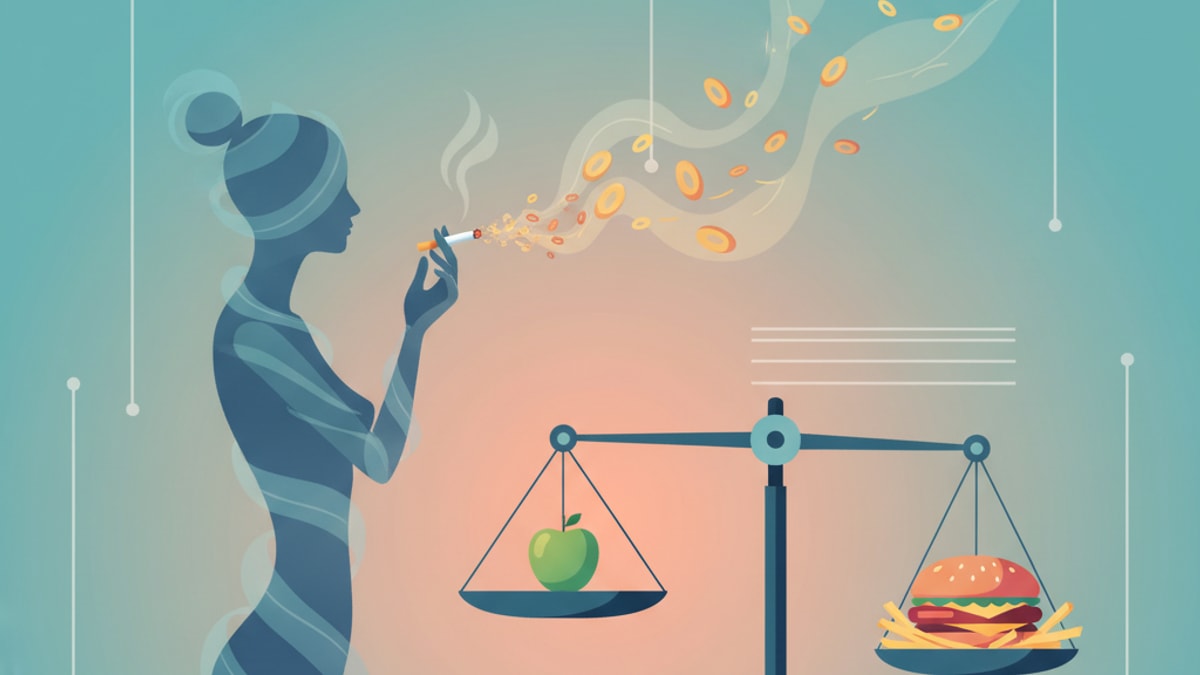
It’s a question that’s been whispered for decades, a myth that persists in the shadows of public health warnings. Does smoking cause weight loss? The short answer is a complicated, and frankly, dangerous 'yes.' Many smokers are, on average, a few pounds lighter than their non-smoking counterparts. But that simple correlation hides a catastrophic truth.
Our team at TrimrX has spent years exploring the intricate biochemistry of weight management, and we can tell you this with absolute certainty: using cigarettes as a weight loss tool is like using a guillotine for a haircut. It might technically work, but the outcome is devastating. It's a biological deal with the devil, where you trade a temporary dip on the scale for years off your life and a formidable risk of crippling disease. This isn't about health; it's about trading one problem for a dozen, far deadlier ones. Let's look at the real science, unflinchingly.
The Biochemical Trickery: How Nicotine Hijacks Your Metabolism
So, what's actually happening inside your body when you smoke? Why does this dangerous habit have any link to weight at all? It all comes down to the primary active compound in tobacco: nicotine. Nicotine is a powerful stimulant, and it wages a multi-front war on your body's natural systems.
First, there’s the metabolic boost. It's real. Nicotine kicks your sympathetic nervous system—the body's 'fight or flight' command center—into a higher gear. This floods your system with hormones like adrenaline, which tells your body to release stored energy. Your heart rate increases, your blood pressure rises, and your basal metabolic rate (BMR), the number of calories you burn just by existing, can temporarily spike by as much as 10%. Your body is essentially in a constant, low-grade state of stress, burning more fuel just to keep up. It’s an inefficient and exhausting way to live.
Then there's the appetite suppression. This is arguably the most noticeable effect for many smokers. Nicotine plays games with your brain chemistry, specifically with the neurotransmitters that control hunger and satisfaction. It stimulates the release of dopamine, the 'feel-good' chemical, which can create a false sense of reward and fullness, dampening your natural hunger cues. It also appears to act on a part of the brain called the hypothalamus, which is central to appetite regulation. The result? You feel less hungry, so you eat less. Simple, right?
Not quite.
There's also a significant behavioral component that we've seen play out time and time again. The hand-to-mouth ritual of smoking can replace snacking. Instead of reaching for a bag of chips during a stressful moment or a break, a smoker reaches for a cigarette. This oral fixation satisfies a psychological need without consuming any calories. It's a powerful behavioral loop that reinforces the connection between smoking and not eating, further cementing the myth.
The True Price of a Nicotine-Fueled Metabolism
This is where the conversation has to get serious. The temporary metabolic 'benefits' of smoking are a footnote in a sprawling story of cellular destruction. We can't stress this enough: any weight-related effect is dwarfed by the systemic, catastrophic damage occurring with every single puff.
Let’s start with the obvious: cancer. Smoking is the number one risk factor for lung cancer, but it doesn't stop there. It's directly linked to cancers of the mouth, throat, esophagus, stomach, pancreas, bladder, and kidneys. The thousands of chemicals in cigarette smoke—not just nicotine—are carcinogens that trigger mutations in your DNA, leading to uncontrolled cell growth. It's a game of Russian roulette with your genetic code.
Then there's your cardiovascular system. Smoking is brutal on your heart and blood vessels. It damages the lining of your arteries, leading to atherosclerosis (the buildup of fatty plaque), which dramatically increases your risk of heart attacks and strokes. It makes your blood stickier and more prone to clotting. That elevated heart rate we mentioned? It's not exercise; it's your heart being forced to work harder under duress, 24/7. It's a relentless strain that wears out your most vital organ.
And we haven't even touched on your lungs. Chronic Obstructive Pulmonary Disease (COPD), which includes emphysema and chronic bronchitis, is a progressive and irreversible disease caused almost entirely by smoking. It slowly suffocates you, destroying the tiny air sacs in your lungs until every breath becomes a monumental struggle. Imagine feeling like you're drowning, all the time. That's the reality for millions.
Beyond these life-threatening conditions, smoking accelerates aging, starves your skin of oxygen leading to wrinkles, stains your teeth, and destroys your sense of taste and smell. It's a full-body assault. The idea that this state of systemic poisoning could be considered a 'health' strategy for weight loss is, honestly, absurd.
The Quitting Conundrum: Facing Post-Cigarette Weight Gain
Here’s a major reason people hesitate to quit. They've heard the stories, or maybe they've experienced it themselves: you stop smoking, and the pounds pile on. This is a very real phenomenon, and understanding it is key to overcoming it.
When you remove nicotine, the biochemical trickery reverses. Your metabolism, no longer artificially stimulated, slows back down to its natural, healthy baseline. This is a good thing! But if you continue eating the same number of calories you did as a smoker, you'll now be in a caloric surplus, which leads to weight gain. It's simple math.
Your appetite also comes roaring back. The artificial suppression is gone, and your brain's natural hunger signals switch back on. Furthermore, your senses of taste and smell, which were dulled by smoke, begin to recover. Suddenly, food tastes and smells incredible again, making it far more tempting. The psychological component is also formidable. That hand-to-mouth habit needs a new target, and for many, that becomes food. The result is often an increase in calorie consumption at the exact same time your calorie-burning rate decreases. It’s a perfect storm for weight gain, and it can be incredibly discouraging for someone trying to make a positive life change.
Our team wants to be very clear: the average weight gain after quitting is around 5-10 pounds. While that can feel significant, the health benefits of quitting smoking are so immeasurably vast that they eclipse this minor weight gain a thousand times over. You are infinitely healthier at a slightly higher weight without cigarettes than you are at a lower weight with them. That is a non-negotiable medical fact.
A Medically-Guided Path to Real, Sustainable Health
So, how do you navigate this? How do you pursue a healthy weight without resorting to a destructive habit or succumbing to post-quitting weight gain? This is where modern science offers a genuine, life-affirming alternative.
At TrimrX, we focus on solutions that work with your body's biology, not against it. Instead of the chaotic, damaging stimulation of nicotine, we utilize medically-supervised treatments like GLP-1 agonists (Semaglutide and Tirzepatide). These aren't stimulants. They are advanced medications that mimic a natural gut hormone, targeting the root causes of weight gain in a sophisticated and sustainable way.
GLP-1s work on the same appetite centers in the brain that nicotine affects, but they do so safely and effectively. They enhance feelings of fullness, slow down digestion so you feel satisfied longer, and help regulate your body's blood sugar and insulin response. It's about restoring balance, not inducing a state of crisis. The goal is to help your body regulate itself properly, paving the way for lasting weight management without the catastrophic side effects.
This approach is particularly powerful for individuals navigating the post-smoking journey. By managing the resurgent appetite and cravings, a medically-supervised GLP-1 program can help offset the metabolic changes that occur after quitting, making the transition smoother and more successful. It allows you to focus on breaking the addiction to nicotine without the added stress of runaway weight gain.
Let’s compare these two paths directly.
| Feature | Smoking for Weight Control | Medically-Supervised GLP-1s |
|---|---|---|
| Mechanism | Artificial stimulation of the nervous system, appetite suppression via dopamine manipulation. | Mimics natural gut hormones to regulate appetite, slow digestion, and balance blood sugar. |
| Health Impact | Catastrophic. Causes cancer, heart disease, COPD, stroke, and premature aging. | Clinically proven to support weight loss, improve cardiovascular health markers, and lower A1c levels. |
| Sustainability | Completely unsustainable. The long-term health cost is fatal. | Designed for long-term management under medical guidance, promoting sustainable lifestyle changes. |
| Side Effects | Addiction, chronic cough, shortness of breath, increased risk of dozens of fatal diseases. | Manageable side effects like nausea, typically transient. Monitored by a medical professional. |
| Overall Goal | A dangerous, temporary illusion of weight control. | Genuine, holistic health improvement and sustainable weight management. |
Looking at this, the choice becomes incredibly clear. One path leads to predictable disease and a shortened lifespan. The other leads to empowered, sustainable health. If you're tired of the myths and ready for a solution grounded in real science, we encourage you to Take Quiz and see if a personalized treatment plan is right for you. It’s the first step toward reclaiming your health on your own terms.
Building Your Post-Smoking Foundation for Success
Medication can be a powerful tool, but true, lasting wellness is built on a foundation of healthy habits. This is especially critical when you're rewiring your brain and body after quitting smoking. Our experience shows that the most successful journeys combine medical support with mindful lifestyle adjustments.
First, focus on movement. You don't have to become a marathon runner overnight. Start with walking. Exercise is a triple-win after quitting. It helps mitigate the metabolic slowdown, releases endorphins that combat the low moods associated with nicotine withdrawal, and provides a healthy new ritual to replace smoking breaks.
Second, re-engineer your nutrition. Your taste buds are coming back to life—use that to your advantage! Explore flavorful, whole foods. Prioritize protein and fiber, as they are crucial for satiety and will help you manage the returning appetite. Hydration is also key; sometimes thirst is mistaken for hunger, and the simple act of drinking a glass of water can quell a craving.
Finally, and this is critical, find new coping mechanisms. For years, a cigarette was your answer to stress, boredom, or anger. You need to find new, healthier answers. This could be deep breathing exercises, a short walk, listening to a specific song, or calling a friend. It's about consciously building a new toolkit for managing life's challenges. The journey isn't just about what you stop doing; it's about what you start doing in its place. It's about choosing health, again and again, in small moments that add up to a transformed life.
For anyone looking to make that change, our team is here to provide the medical support that makes the rest of the journey possible. You can Start Your Treatment and get a plan tailored to your unique biology and goals.
The myth of smoking for weight loss is one of the most insidious lies in public health. It preys on the desire for a simple solution, a quick fix. But your health is not a corner to be cut. It's your most valuable asset. Choosing to quit smoking is the single best decision you can make for your longevity, and with the right support system and modern medical tools, managing your weight through that transition has never been more achievable. It's about choosing a future of vitality over a past of addiction.
Frequently Asked Questions
How much weight do people typically gain after quitting smoking?
▼
Most people gain between 5 to 10 pounds in the months after quitting. This is due to a combination of a normalizing metabolism, increased appetite, and improved sense of taste, but the health benefits of quitting far outweigh this modest gain.
Is it better to quit smoking and gain a little weight, or keep smoking to stay thin?
▼
It is unequivocally better to quit smoking, even if it means gaining some weight. The health risks of smoking—including cancer, heart disease, and COPD—are infinitely more dangerous than carrying a few extra pounds. Your body will be healthier at a higher weight without cigarettes.
Do vapes or e-cigarettes cause weight loss like cigarettes?
▼
Because most e-cigarettes contain nicotine, they can have similar stimulant and appetite-suppressing effects. However, they are not a safe weight loss tool and come with their own set of significant health risks that are still being studied.
How exactly does nicotine suppress appetite?
▼
Nicotine impacts the hypothalamus, the part of the brain that regulates hunger. It also triggers the release of neurotransmitters like dopamine, which can create a feeling of satisfaction and reduce the desire to eat.
Will my metabolism ever go back to normal after I quit smoking?
▼
Yes, absolutely. When you quit, your metabolism returns to its natural, healthy baseline rate. The ‘slowdown’ people experience is simply the body ceasing to be in an artificially stimulated state.
Can GLP-1 medications help manage weight gain after quitting smoking?
▼
Yes, this is an excellent application for them. GLP-1s can help manage the increased appetite and cravings that occur after quitting, making the transition smoother and preventing significant rebound weight gain by promoting satiety and regulating blood sugar.
Is smoking more harmful than being overweight?
▼
While both carry health risks, smoking is a far more acute and direct cause of fatal diseases like cancer and COPD. The American Cancer Society states that smoking is the most preventable cause of death, making it a more immediate and severe threat to your health.
Why do I crave sweets so much after quitting smoking?
▼
Cigarette smoke can inhibit insulin secretion, affecting how your body processes sugar. When you quit, your body chemistry changes, and it can lead to intense cravings for sugary foods. It’s a common and temporary part of the withdrawal process.
How long does it take for my health risks to decrease after I quit?
▼
The benefits start almost immediately. Your heart rate and blood pressure drop within hours. Your risk of heart attack begins to decline within 24 hours, and your long-term risk for cancers and stroke continues to decrease for years after you quit.
Are there specific foods that can help with nicotine withdrawal?
▼
Focus on foods rich in protein and fiber to stay full, like lean meats, beans, and vegetables. Some people find that crunchy foods like carrots or celery can help satisfy the oral fixation and hand-to-mouth habit.
What’s the very first step I should take to quit smoking and manage my weight?
▼
The first step is making a firm decision and setting a quit date. The next is to build a support system, which can include talking to your doctor about cessation aids and medically-supervised weight management programs to address your health holistically.
Does smoking affect how the body stores fat?
▼
Yes, research suggests that while smokers may have lower overall body weight, they tend to store more fat viscerally—around their internal organs. This type of fat is particularly dangerous and is linked to a higher risk of metabolic disease and heart conditions.

Transforming Lives, One Step at a Time
Keep reading

Obesity and Low Testosterone
**Can obesity cause low testosterone?** Yes. Obesity can lower testosterone, and the relationship often runs in both directions.

Top 6 Best Weight Loss Medications in 2026
Prescription weight loss medication has gone mainstream. What was once a quiet corner of obesity medicine is now one of the most talked-about categories…

Top 8 Best Telehealth for Weight Loss in 2026
Finding the best telehealth for weight loss used to be a time-consuming process that involved hours of research, murky pricing pages, and a fair…


