Probiotics for Weight Loss: The Unfiltered Science & Our Take
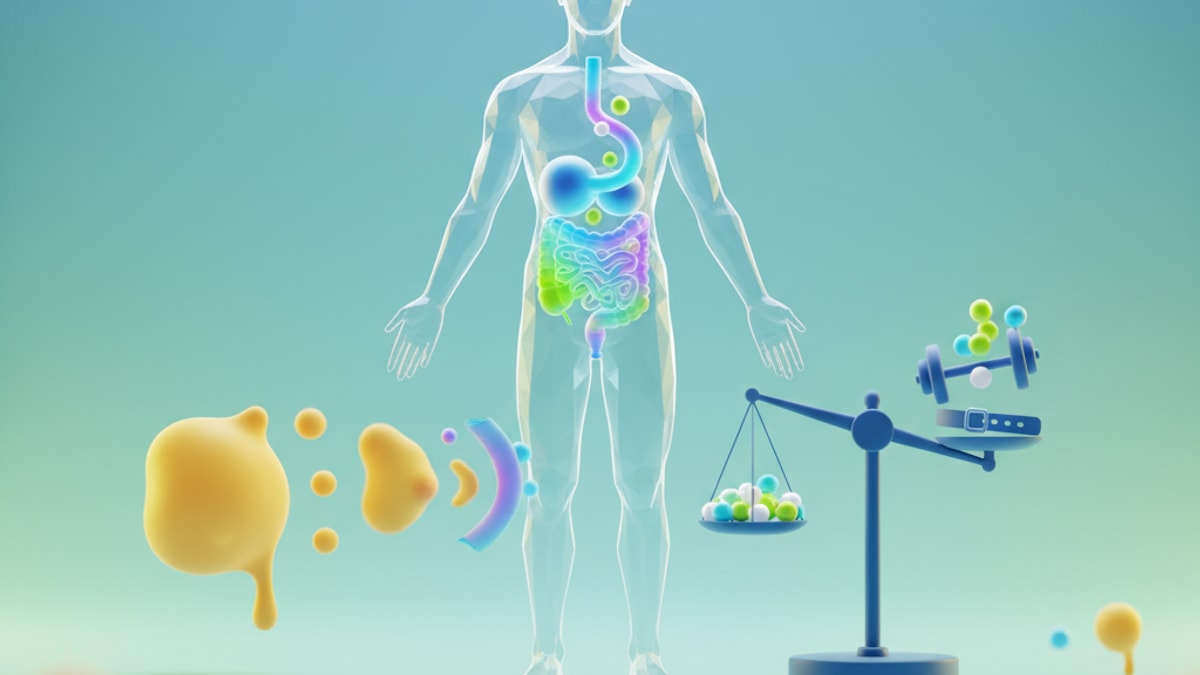
Let's get straight to it. The question of whether probiotics can help with weight loss is everywhere. It’s on social media, in health magazines, and likely in your group chats. The promise is incredibly appealing: could a simple supplement or a change in diet populated with 'good' bacteria be a missing link in the formidable challenge of weight management? It's a hopeful thought, and frankly, it's one we explore constantly with our patients.
As a team dedicated to medically supervised, science-backed weight loss, we don't deal in quick fixes or overblown promises. Our work is rooted in powerful, clinically proven treatments like GLP-1 medications, but we also know that sustainable success is about the whole picture. And that picture absolutely includes the sprawling, complex world inside your gut. So, we're going to give you our unfiltered take on the matter—what the science actually says, what our experience has shown us, and where probiotics realistically fit into a serious weight loss strategy.
What's the Real Connection Between Gut Health and Weight?
Before we can even touch on probiotics, we have to talk about the ecosystem they're meant to influence: your gut microbiome. Imagine a bustling, microscopic city inside your digestive tract, home to trillions of microorganisms—bacteria, fungi, viruses, and more. This isn't just a random collection of microbes; it's a highly sophisticated and critical organ that influences far more than just digestion. It's a key player in your immune system, your mood, and yes, your metabolic health.
For years, the conversation around weight loss centered almost exclusively on calories in, calories out. It was a simple, but ultimately incomplete, equation. We now know the reality is far more nuanced. The composition of your unique gut 'city' can have a profound impact on how your body processes food, stores fat, and even regulates hunger. It's a game-changer.
When this microbial community is in balance, it works like a well-oiled machine. It helps break down fiber your body can't digest on its own, turning it into beneficial compounds like short-chain fatty acids (SCFAs). These SCFAs are metabolic rockstars—they provide energy for your colon cells, strengthen your gut barrier, reduce inflammation, and even influence appetite-regulating hormones. But when things get out of balance, a condition known as 'dysbiosis,' the whole system can go haywire. An overgrowth of certain 'unfriendly' bacteria can lead to increased inflammation, a 'leaky' gut lining, and altered metabolic signals that can actually promote weight gain and insulin resistance. It’s a subtle, yet relentless, internal battle that can make weight loss feel like an impossible, uphill climb.
So, Can Probiotics Actually Help with Weight Loss?
This brings us back to the core question. If an imbalanced gut can contribute to weight gain, can adding 'good' bacteria—probiotics—tip the scales back in your favor? The answer is a cautious, science-backed 'yes, possibly.' But it comes with some massive caveats.
Probiotics are not a magic pill. We can't stress this enough.
Our team has seen the studies, and the evidence suggests that certain probiotic strains may support weight loss efforts through several fascinating mechanisms. Some strains appear to inhibit the absorption of dietary fat, meaning more of it passes through your body instead of being stored. Others seem to boost the release of appetite-reducing hormones like glucagon-like peptide-1 (GLP-1). That's a hormone our patients using medications like Semaglutide and Tirzepatide know well, as these treatments work by mimicking its effects. It’s fascinating to see how our internal biology has its own ways of tapping into these powerful pathways. Finally, by reducing systemic inflammation and improving the integrity of the gut lining, probiotics can help create a more favorable metabolic environment, making your body more receptive to positive changes from diet and exercise.
The key words here are 'support,' 'assist,' and 'contribute.' The effects seen in clinical trials are typically modest—a few pounds here, a slight reduction in waist circumference there. They are most effective when they are part of a comprehensive strategy. Thinking a probiotic supplement can counteract a poor diet or a sedentary lifestyle is, unfortunately, wishful thinking. It's a supporting player, not the star of the show.
The Probiotic Strains That Show the Most Promise
Not all probiotics are created equal, especially when it comes to metabolic health. You can't just grab any bottle of acidophilus off the shelf and expect results. The research points to a few specific families and strains that have been more rigorously studied for their potential impact on weight. It's all about finding the right tool for the job.
Here's what we've learned from the existing research:
- The Lactobacillus Family: This is probably the most well-known group. Several strains within this family have been linked to weight and fat loss. Lactobacillus gasseri, in particular, has garnered attention for its ability to reduce belly fat and body weight in some studies. Lactobacillus rhamnosus is another one that has shown potential, with some research suggesting it may help prevent weight gain and support long-term weight management, especially in women.
- The Bifidobacterium Family: This group of bacteria is also a powerhouse in the gut. Strains like Bifidobacterium lactis, Bifidobacterium breve, and Bifidobacterium longum have been associated with improvements in BMI, reduced inflammation, and better metabolic markers in various studies.
- The VSL#3 Formulation: This is a specific, high-potency cocktail of several different bacterial strains that has been studied for various health conditions, including metabolic syndrome. Some evidence suggests it can help improve insulin sensitivity and reduce inflammatory markers associated with obesity.
It’s crucial to understand that research is ongoing, and the field is constantly evolving. A strain that shows promise in one small study might not hold up in larger, more rigorous trials. That's why we always advise a healthy dose of skepticism alongside hopeful optimism. Below is a quick breakdown our team put together to simplify the landscape.
| Probiotic Family/Strain | Potential Weight-Related Benefit | Common Food Sources |
|---|---|---|
| Lactobacillus gasseri | May help reduce abdominal (belly) fat and body weight. | Fermented milk products, some traditional yogurts. |
| Lactobacillus rhamnosus | Associated with modest weight loss and sustained management. | Yogurt, kefir, some cheeses like cheddar and parmesan. |
| Bifidobacterium lactis | Linked to improved BMI, body composition, and reduced inflammation. | Cultured dairy products like yogurt and buttermilk. |
| Lactobacillus acidophilus | General gut health support; some studies show modest weight benefits. | Yogurt, kefir, tempeh, miso. |
| Saccharomyces boulardii | A beneficial yeast that can help restore gut balance; indirect benefits. | Supplements, kombucha (in small amounts). |
Why Probiotics Aren't a Standalone Solution
Let's be perfectly clear. In our professional experience at TrimrX, no patient has achieved significant, lasting weight loss from probiotics alone. It just doesn't happen. The human body is too complex, and the factors driving weight gain are too powerful and varied.
Weight management is a multifactorial puzzle. It involves genetics, hormones, diet, physical activity, sleep quality, stress levels, and psychological factors. Dysbiosis is just one potential piece of that puzzle. Fixing it is helpful, but it's not the whole solution. It's like fixing a leaky faucet on a sinking ship; it's a good step, but you need to address the much bigger holes first.
This is precisely why our approach is built on a foundation of comprehensive medical supervision. For individuals who have struggled with weight, often for years, more powerful tools are needed to reset the system. This is where clinically-proven medications like GLP-1s come into play. They work on a fundamental hormonal level to regulate appetite, control cravings, and improve how the body processes sugar. They are the 'heavy lifters' that create the opportunity for profound change.
Where do probiotics fit in this model? They are a fantastic complementary strategy. By improving your gut health, you are creating a more resilient and efficient internal environment. This can potentially enhance your body's response to other interventions, from dietary changes to the effects of your medication. A healthy gut digests nutrients more effectively, keeps inflammation in check, and supports stable energy levels. All of this makes sticking to your weight loss plan easier. If you're ready to see how a medically-guided program can integrate all aspects of health for real results, we encourage you to Take Quiz to determine if you're a candidate for our treatment.
Choosing the Right Probiotic: What Our Team Looks For
If you've decided to incorporate probiotics, the next challenge is navigating the crowded supplement aisle. It can be completely overwhelming. Here's a simple framework our team uses when advising patients:
-
Look for Specific Strains: Don't settle for a generic 'probiotic blend.' Look for products that list the specific strains we mentioned earlier, like Lactobacillus gasseri (e.g., strain SBT2055) or Bifidobacterium lactis (e.g., strain B420). The strain matters as much as the species.
-
Check the CFU Count: CFU stands for Colony-Forming Units, which is a measure of the number of viable bacteria in a dose. There's no single 'perfect' number, but for general health, a product with 10 to 20 billion CFUs is a good starting point. For more targeted therapeutic use, higher doses might be recommended, but this should be discussed with a healthcare provider.
-
Prioritize Survivability: Those bacteria have to survive the harsh, acidic environment of your stomach to reach your intestines where they do their work. Look for features like delayed-release capsules or specific strains that are known to be hardy and acid-resistant.
-
Don't Forget About Food: Supplements are convenient, but don't underestimate the power of probiotic-rich foods. Things like plain Greek yogurt, kefir (a fermented milk drink), sauerkraut, kimchi, and kombucha are fantastic sources. They also provide other nutrients and fiber, which act as 'prebiotics'—food for your good gut bacteria. Our team often recommends a 'food-first' approach, using supplements to fill in the gaps or provide more targeted strains.
The Bigger Picture: A Holistic Approach to Metabolic Health
Ultimately, the conversation about probiotics and weight loss is part of a much larger, more important shift in how we view health. It’s a move away from isolated symptoms and quick fixes toward a holistic understanding of the body as an interconnected system.
Your gut health is directly linked to your hormonal health. Your hormonal health dictates your appetite and metabolism. Your metabolism is influenced by your diet, sleep, and stress. It’s all one continuous feedback loop. Disrupt one part, and you'll feel the effects elsewhere. Support one part, and you can create a positive ripple effect across the entire system.
This is the philosophy that underpins everything we do at TrimrX. We use powerful, targeted medical treatments to address the primary metabolic and hormonal dysregulation that makes weight loss so difficult. But we do it within a framework that recognizes the importance of everything else. We talk to our patients about nutrition that feeds a healthy microbiome. We discuss stress management techniques that lower cortisol and reduce inflammation. We emphasize sleep hygiene because we know that a lack of sleep wreaks havoc on appetite-regulating hormones.
It’s about using the best of modern medicine to give you the leverage you need while empowering you with the knowledge to build a foundation of lasting health. Probiotics can be a small but valuable part of that foundation. They help you tend to your internal 'garden,' ensuring the soil is rich and ready to support growth. When you’re ready to combine that foundational work with a plan that can deliver transformative results, you can Start Your Treatment Now.
So, can probiotics help with weight loss? Yes, they can play a supportive role. They can contribute to a healthier gut, which in turn supports a healthier metabolism. But they are a helper, an assistant, a valuable member of the supporting cast. They aren't the solution. The real solution is a comprehensive, personalized, and science-driven strategy that addresses the root causes of weight gain. It’s about seeing the whole picture, not just one tiny, albeit fascinating, piece.
Frequently Asked Questions
How long does it take for probiotics to work for weight loss?
▼
The effects of probiotics on weight are typically slow and modest. You may notice improvements in digestion or bloating within a few weeks, but any potential impact on weight would likely take several months of consistent use combined with a healthy lifestyle.
Can probiotics actually cause weight gain?
▼
While extremely rare, some early research has suggested that certain gut flora compositions could theoretically be more efficient at extracting calories, leading to weight gain. However, for the vast majority of people, the commercially available probiotic strains studied for weight management are not associated with this effect.
Are probiotic foods like yogurt and kefir better than supplements?
▼
Not necessarily better, but different. Foods provide a variety of strains along with other nutrients and prebiotics that feed the bacteria. Supplements offer a higher concentration of specific, targeted strains. Our team often recommends a combination of both for the best results.
Do I need a specific probiotic strain to lose belly fat?
▼
Some research has specifically pointed to the strain *Lactobacillus gasseri* for its potential to reduce abdominal (belly) fat. While promising, it’s not a guarantee. Weight loss is systemic, and you can’t ‘spot-reduce’ fat from one area with a supplement alone.
Can I take probiotics while on a GLP-1 medication like Semaglutide?
▼
Yes, and it can be a very supportive combination. GLP-1 medications work on hormonal appetite signals, while probiotics work on gut health and inflammation. At TrimrX, we see these as complementary strategies, but you should always consult your healthcare provider before adding any new supplement to your regimen.
What’s the difference between probiotics and prebiotics?
▼
Think of it like a garden. Probiotics are the ‘seeds’ (the live beneficial bacteria), while prebiotics are the ‘fertilizer’ (specialized plant fibers that feed the good bacteria). You need both for a healthy gut ecosystem to flourish.
Should I take probiotics on an empty stomach or with food?
▼
This can depend on the specific product’s formulation. However, many experts recommend taking them shortly before or with a meal, as the food can help buffer stomach acid and improve the survival rate of the bacteria on their way to your intestines.
Will probiotics help if I have a slow metabolism?
▼
Probiotics may indirectly support metabolic health by reducing inflammation and improving how your body handles nutrients. However, they are not a direct ‘metabolism booster’ in the way that stimulants or significant muscle gain are. Their effect is more foundational and supportive.
Do I need to refrigerate my probiotics?
▼
It depends on the specific product. Some strains are shelf-stable, while others require refrigeration to maintain their potency. Always check the storage instructions on the product label to ensure you’re getting the full benefit.
Can probiotics help with cravings for sugar and unhealthy foods?
▼
This is an emerging area of research, but it’s plausible. Your gut bacteria can influence neurotransmitters and send signals to your brain that affect mood and cravings. By shifting the microbiome balance, it’s possible to reduce cravings driven by ‘unfriendly’ microbes that thrive on sugar.
Are more CFUs always better in a probiotic supplement?
▼
Not necessarily. While a sufficient dose is important, the quality and type of the bacterial strains are far more critical than just having a massive CFU count. A well-researched strain at 20 billion CFUs is often more effective than a generic blend at 100 billion CFUs.

Transforming Lives, One Step at a Time
Keep reading

Top 5 Best Weight Loss Programs for Beginners in 2026
Starting a weight loss journey means sorting through GLP-1 medication ads, apps that gamify your groceries, and online weight management programs promising a doctor…

What to Do With a Full Pantry You No Longer Eat From
Sort it into three piles rather than clearing it all out: donate, keep, and discard. The mistake most people make is emptying the whole…

How to Handle a Business Dinner When the Client Orders for the Table
This is the one dining situation where your usual tools do not work. You cannot order a starter as your main, cannot ask for…


