Water Tablets for Weight Loss: What Our Experts Say
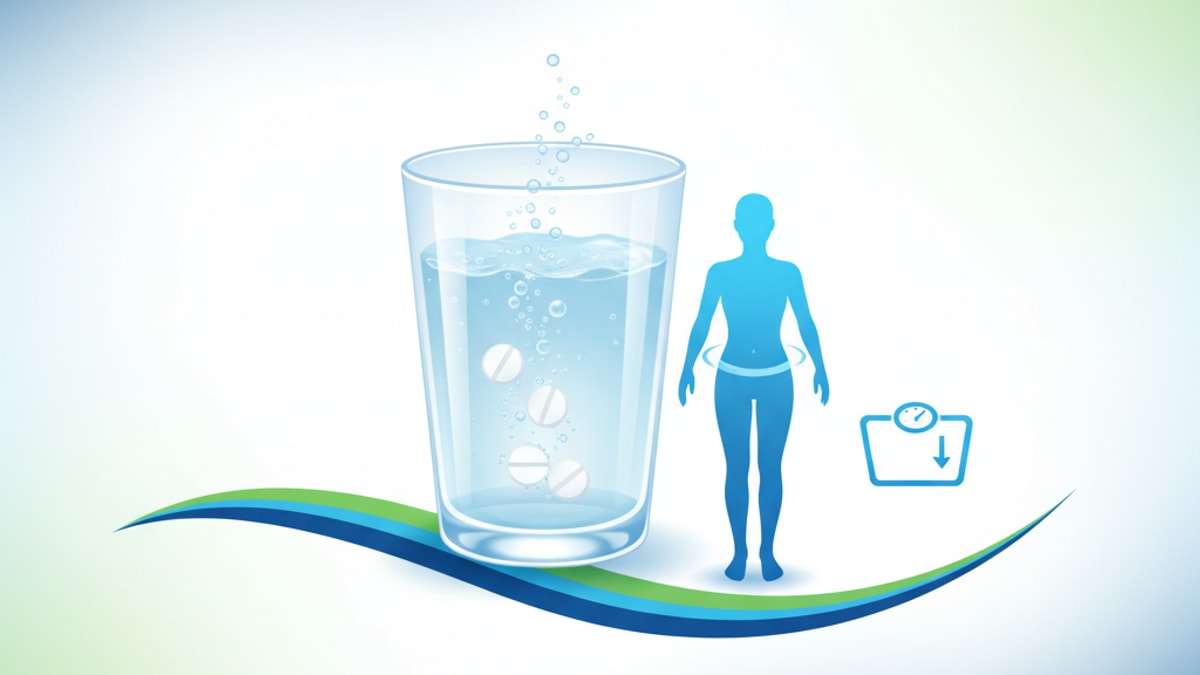
The search for a quick fix in weight loss is completely understandable. We get it. In a world of demanding schedules and high expectations, the promise of a simple pill that can make the number on the scale drop sounds incredibly appealing. And right there on the shelf, you'll find them: water tablets, also known as diuretics, promising to help you shed pounds quickly. The question our team hears all the time is a simple one: do water tablets help with weight loss?
The short answer is yes. The much more important, nuanced answer is no, not in any way that actually matters for your long-term health and body composition. It's a classic case of winning a battle but losing the war. Here at TrimrX, our entire philosophy is built on sustainable, medically-supervised results that transform your body's metabolism. We're not interested in temporary tricks or illusions. We're focused on genuine, lasting change. So, let's pull back the curtain on water tablets and explore what they really do, the risks they carry, and what true weight loss actually looks like.
So, What Exactly Are Water Tablets?
Before we dive into their role—or lack thereof—in fat loss, we need to be clear about what we're talking about. "Water tablets" is the common term for diuretics. These are substances that make your body get rid of excess water and salt. They work by signaling your kidneys to release more sodium into your urine. Where sodium goes, water follows. It’s a basic biological principle. This process decreases the amount of fluid flowing through your blood vessels, which can reduce pressure on your vessel walls.
This is why prescription diuretics are serious medications. Doctors prescribe them for legitimate medical conditions like high blood pressure (hypertension), heart failure, and edema (swelling caused by fluid trapped in your body's tissues). They are powerful tools for managing fluid balance when the body can't do it properly on its own. Then you have the over-the-counter (OTC) versions. These typically contain milder diuretic ingredients like pamabrom or natural substances like dandelion root or green tea extract. They’re marketed for relieving bloating, especially related to premenstrual syndrome (PMS).
But somewhere along the line, they got co-opted by the diet industry as a weight loss tool. The logic seems simple enough. Less water in the body means less weight on the scale. It's technically true. But it's also profoundly misleading.
The Real Answer: Do Water Tablets Help With Weight Loss?
Let’s be direct. Using water tablets will make the number on your scale go down. Sometimes, the shift can be significant, even dramatic, over a day or two. You might lose three, five, even more pounds. And for a fleeting moment, that feels like a victory.
But here's the critical, non-negotiable truth our team can't stress enough: you haven't lost any body fat.
Not a single ounce. All you've done is temporarily dehydrate your body. You've forced your kidneys to flush out water that your cells, tissues, and bloodstream need to function correctly. The fat cells, the actual source of stored energy that contributes to being overweight, remain completely untouched. It’s an illusion. It's like siphoning gas out of your car to make it weigh less—it doesn't change the engine, the frame, or the seats. As soon as you stop taking the tablets and rehydrate properly by drinking fluids, your body will restore its natural water balance, and every single one of those pounds will come right back. Often, they return with a vengeance as your body tries to overcompensate for the artificial drought.
This is the fundamental flaw in using diuretics for weight management. Weight loss and fat loss are not the same thing. True, healthy weight loss is about reducing excess adipose tissue (body fat), which improves your metabolic health, reduces strain on your joints, and lowers your risk for chronic diseases. Water weight loss is just a temporary manipulation of your body's hydration levels. It's a number, not a result.
The Hidden Dangers of Chasing Water Weight
Beyond being ineffective for actual fat loss, relying on water tablets can be genuinely harmful. Our medical team has seen the fallout from misusing these products, and it's not something to take lightly. The risks aren't just theoretical; they are very real.
First and foremost is dehydration. This isn't just about feeling thirsty. Dehydration can lead to dizziness, headaches, fatigue, and confusion. In severe cases, it can cause heatstroke, kidney problems, and seizures. You're forcing your body into a state of fluid deficit, which compromises countless physiological processes.
Then there’s the formidable risk of electrolyte imbalance. This is a big one. When your kidneys flush out water, they also flush out essential minerals called electrolytes—potassium, sodium, magnesium, and chloride. These aren't just fancy names from a sports drink commercial; they are critical for nerve function, muscle contraction, and maintaining your heartbeat. When these get out of whack, you can experience muscle cramps, weakness, and confusion. A severe potassium deficiency, known as hypokalemia, can lead to life-threatening heart rhythm abnormalities. This is not a risk worth taking for a temporary dip on the scale.
There's also the potential for kidney strain. Your kidneys are sophisticated filters, but constantly forcing them into overdrive with diuretics can, over time, put a strain on them. For anyone with pre-existing kidney issues, this can be particularly dangerous.
Finally, and this is a crucial point, using water tablets can mask a serious underlying medical condition. Significant, unexplained water retention can be a symptom of heart failure, kidney disease, or liver disease. By treating the symptom (the bloating) with an OTC diuretic, you might be ignoring a critical warning sign from your body that needs immediate medical attention.
Water Weight vs. Body Fat: The Showdown
To truly grasp why water tablets are the wrong tool for the job, you have to understand the difference between the two types of 'weight' you're trying to lose. Our experience shows that once people understand this distinction, their entire approach to weight management changes for the better.
Water weight is transient. It fluctuates daily, even hourly. It's influenced by your sodium intake (a high-salt meal can cause you to retain water), hormonal cycles (especially for women), your hydration status, and even stress levels (cortisol can promote water retention). It's the reason your weight can be up three pounds one morning and down two the next. It’s physiological noise.
Body fat is stored energy. It's adipose tissue that your body has accumulated over time when you've consumed more calories than you've expended. Losing it requires a fundamental metabolic shift. It requires your body to tap into these fat stores for fuel. This is a much slower, more deliberate process that involves consistent changes in diet, activity, and, crucially, hormonal signaling. This is where real health improvements happen.
Here’s a breakdown our team often uses to clarify the difference:
| Feature | Water Weight Loss (Diuretics) | Sustainable Fat Loss (Metabolic Health) |
|---|---|---|
| Mechanism | Forces kidneys to excrete water and sodium. | Creates a caloric deficit, forcing the body to use stored fat for energy. |
| Speed of Loss | Very fast (pounds in 1-2 days). | Slow and steady (0.5-2 pounds per week). |
| Sustainability | Not sustainable. Weight returns immediately upon rehydration. | Highly sustainable with consistent lifestyle and metabolic support. |
| Health Impact | Negative. Risks include dehydration, electrolyte imbalance, and kidney strain. | Overwhelmingly positive. Improves insulin sensitivity, lowers blood pressure, reduces disease risk. |
| Appearance | May cause a temporary 'tighter' look, but often accompanied by a deflated or gaunt appearance. | Results in a leaner, more toned physique and improved body composition. |
Looking at this, the choice becomes obvious. One path is a short-term trick with health risks, and the other is a long-term strategy for genuine wellness.
A Smarter Way to Manage Bloating and Water Retention
Okay, so we've established that water tablets are a dead end for fat loss. But what if you're just dealing with uncomfortable bloating? That's a valid concern. The good news is there are safe, effective, and healthy ways to manage water retention without resorting to pills.
- Watch Your Sodium: This is the number one culprit. Highly processed foods, canned soups, fast food, and salty snacks are loaded with sodium, which makes your body hold onto water. Cooking more meals at home gives you control over the salt shaker.
- Boost Your Potassium: Potassium helps balance sodium levels. Foods like bananas, avocados, spinach, and sweet potatoes are rich in this mineral.
- Hydrate Properly: It sounds backward, but drinking more water can help reduce water retention. When you're dehydrated, your body's defense mechanism is to hang onto every last drop. Staying well-hydrated signals to your body that it's okay to let go of excess fluid.
- Get Moving: Exercise improves circulation and helps your lymphatic system flush out excess fluid. Even a brisk walk can make a difference.
- Manage Stress: High cortisol levels from chronic stress can contribute to fluid retention. Incorporating stress-management techniques like meditation, yoga, or even just quiet time can help.
These are foundational habits. They support your body's natural ability to regulate fluid balance without the risks of diuretic medications.
The Real Path to Lasting Weight Loss: A Metabolic Approach
Now, this is where it gets interesting. While managing water weight is about lifestyle tweaks, achieving significant, lasting fat loss often requires a more powerful, scientific approach. For many people, the battle with weight isn't just about willpower or counting calories. It's a complex biological struggle, often dictated by hormones and metabolic signals that are out of balance.
This is the core of what we do at TrimrX. We move beyond the surface-level tricks and address the root causes of weight gain. We use medically-supervised treatments centered on breakthrough GLP-1 (glucagon-like peptide-1) medications like Semaglutide and Tirzepatide. These aren't diuretics. They don't force your body to shed water. Instead, they work with your body's own biology to fundamentally change your relationship with food and energy.
How do they work? GLP-1s are a class of medications that mimic a natural hormone your body produces. This hormone plays a critical role in regulating your appetite and blood sugar. By leveraging this pathway, GLP-1 medications help you:
- Reduce Hunger and Cravings: They act on the appetite centers in your brain, making you feel fuller for longer and quieting the constant 'food noise' that can make dieting feel impossible.
- Slow Digestion: They slow down the rate at which your stomach empties, which contributes to that feeling of satiety and helps stabilize blood sugar levels after meals.
- Improve Insulin Sensitivity: They help your body use insulin more effectively, which is crucial for managing blood sugar and preventing the fat storage that comes with insulin resistance.
This is a night-and-day difference from the crude mechanism of a water tablet. This isn't about tricking the scale; it's about re-calibrating your body's metabolic engine for sustainable fat loss. It's a science-backed approach that addresses the powerful biological drivers of weight gain, giving you the control you need to achieve real, lasting results.
If you're tired of the cycle of temporary fixes and rebound weight gain and are ready to explore a solution grounded in modern medical science, it might be time to see if you're a candidate for our program. The first step is simple. You can Take Quiz on our site to begin your assessment. It's a confidential way to see if a medical weight loss plan is right for you. For those who are ready to move forward and reclaim their health, you can Start Your Treatment under the guidance of our dedicated medical team.
So, do water tablets help with weight loss? The scale might say yes for a day or two, but your health, your metabolism, and your long-term success story will tell you the truth. The answer is a definitive no. True progress isn't found in a bottle of diuretics. It's found in understanding your body, addressing the root causes of weight gain, and embracing a sustainable, scientific path to wellness. It's about choosing fat loss over water loss, health over a number, and a real solution over a temporary illusion.
Frequently Asked Questions
Can water tablets help me look slimmer for a special event?
▼
Yes, they can create a temporary appearance of being slimmer by reducing water retention and bloating. However, this effect is short-lived, and the weight will return as soon as you rehydrate. It’s not a healthy or sustainable strategy.
Are ‘natural’ diuretics from herbs like dandelion any safer?
▼
While often perceived as safer, even natural diuretics can cause dehydration and electrolyte imbalances if misused. They are not a solution for fat loss and should be used cautiously, preferably with guidance from a healthcare professional.
How quickly does weight come back after stopping water tablets?
▼
The water weight you lose will typically return very quickly, often within 24 to 48 hours of stopping the tablets and resuming normal fluid intake. Your body works fast to restore its necessary hydration balance.
Can men use water tablets for weight loss?
▼
Men can use water tablets, but the same principles apply: they only cause temporary water weight loss, not fat loss. The health risks, such as dehydration and electrolyte imbalance, are the same for everyone, regardless of gender.
Do I need a prescription for water tablets?
▼
Powerful diuretics used for medical conditions like heart failure require a prescription. Milder, over-the-counter versions are available, but our team advises against using any diuretic for weight loss without medical supervision due to the potential risks.
Will water tablets help with belly fat?
▼
No, water tablets will not reduce belly fat or any other body fat. Fat loss can only be achieved by creating a sustained calorie deficit, which causes your body to use its fat stores for energy. Diuretics only affect water levels.
What’s the difference between a water tablet and a fat burner?
▼
A water tablet (diuretic) makes your body flush out water. A ‘fat burner’ is typically a supplement containing stimulants like caffeine, claimed to increase metabolism. Neither is a medically-proven, sustainable solution for significant weight loss like GLP-1 medications are.
Can taking water tablets mess with my workout performance?
▼
Absolutely. Dehydration and electrolyte loss caused by diuretics can severely impair athletic performance, leading to muscle cramps, weakness, and fatigue. It’s counterproductive to any fitness goals.
How much weight can I realistically lose with water tablets?
▼
You might lose anywhere from 2 to 5 pounds or more, depending on your body and how much water you’re retaining. Remember, this is purely water, and it is not a reflection of any actual progress in fat loss.
Is it safe to take water pills every day?
▼
Our medical team strongly advises against taking water pills daily for weight loss. Daily use significantly increases the risk of chronic dehydration, kidney strain, and dangerous electrolyte imbalances. They should only be used as directed by a doctor for a specific medical condition.
If not water tablets, what is the fastest way to lose real weight?
▼
The most effective and sustainable path to weight loss involves a comprehensive approach. Medically-supervised programs using tools like GLP-1 medications can accelerate fat loss by addressing its biological roots, far surpassing any temporary methods.
Can I combine water tablets with a weight loss program like TrimrX?
▼
We would not recommend this. Our programs, which use medications like Semaglutide, are designed for sustainable fat loss. Adding diuretics could interfere with your body’s hydration and electrolyte balance, which is crucial for your health during treatment.

Transforming Lives, One Step at a Time
Keep reading

Obesity and Low Testosterone
**Can obesity cause low testosterone?** Yes. Obesity can lower testosterone, and the relationship often runs in both directions.

Top 6 Best Weight Loss Medications in 2026
Prescription weight loss medication has gone mainstream. What was once a quiet corner of obesity medicine is now one of the most talked-about categories…

Top 8 Best Telehealth for Weight Loss in 2026
Finding the best telehealth for weight loss used to be a time-consuming process that involved hours of research, murky pricing pages, and a fair…


