Is Diet Soda Bad for Weight Loss? Our Unflinching Answer
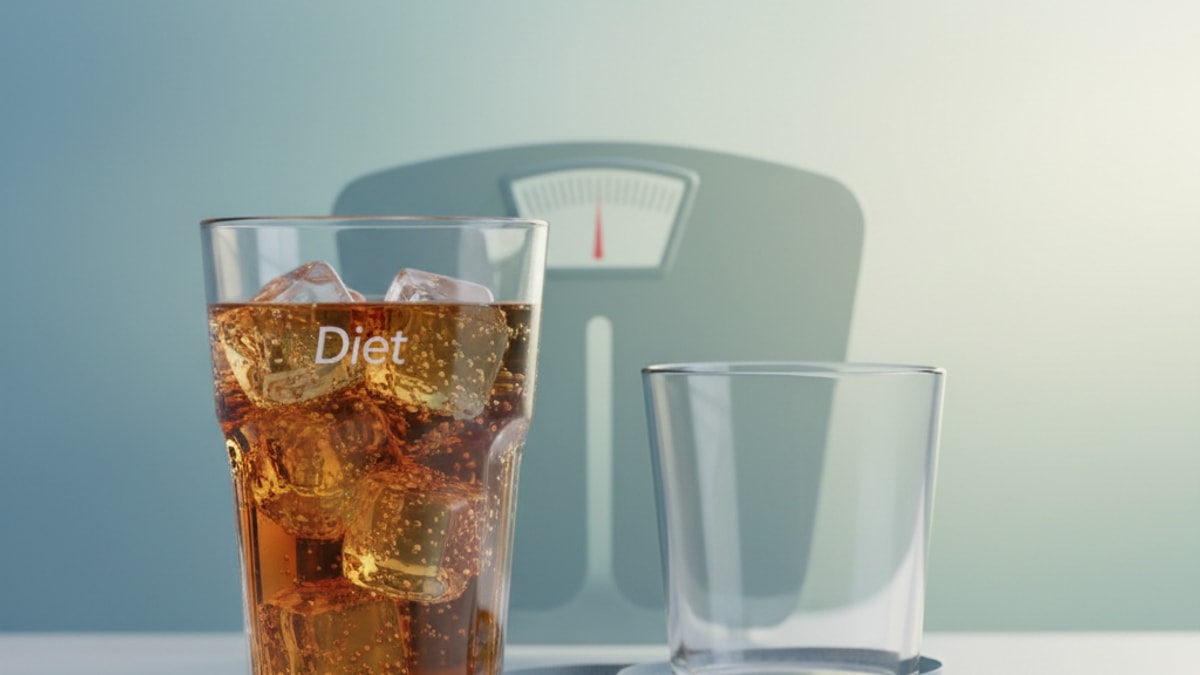
That familiar crack and hiss. It's the sound of a promise—the promise of sweet, bubbly satisfaction without a single calorie. For anyone on a weight loss journey, diet soda can feel like a lifeline, a guilt-free indulgence in a world of restrictions. It seems like the perfect hack, right? All the flavor, none of the fallout. But our team at TrimrX has spent years guiding patients through the intricate landscape of metabolic health, and we've learned that the answer isn't so simple. The question of is diet soda bad for weight loss is one we hear constantly, and it deserves a thorough, unflinching look.
Let's be honest, the logic is seductive. If weight loss is a game of calories in versus calories out, then a zero-calorie beverage should be a neutral player, if not a helpful one for satisfying cravings. On the surface, this makes perfect sense. But the human body is far more than a simple calculator. It's a complex, interconnected system of hormonal signals, neurological responses, and microbial ecosystems. What we've found is that what you put into your body sends a cascade of messages, and artificial sweeteners send some very confusing signals. It's time to look past the label and understand what's really happening when you choose diet over regular.
The Zero-Calorie Promise: Why We're So Hooked
The appeal is undeniable. In a culture obsessed with quick fixes and easy swaps, diet soda presents itself as the ultimate free pass. You get the sensory experience of a sugary drink—the sweetness, the carbonation, the ritual—without the caloric penalty that directly contributes to weight gain. It allows people to feel like they are making a healthier choice, a step in the right direction. For many, it's a tool to wean themselves off of high-sugar beverages, which is a commendable and necessary step for metabolic health.
We've seen countless patients who rely on it to get through a mid-afternoon slump or to satisfy a post-dinner sweet tooth. The psychological comfort it provides is significant. It can feel like a small rebellion, a way to have a 'treat' without derailing the hard work of dieting and exercise. And let's be clear: swapping a 150-calorie, sugar-laden soda for a zero-calorie alternative does create a calorie deficit. In a purely mathematical sense, this is a win.
But that's where the simple story ends. The body, especially the brain and the gut, doesn't just count calories. It interprets signals. And the signal sent by intense, non-nutritive sweeteners is where things get complicated. This is where the conversation shifts from simple math to complex biology.
Artificial Sweeteners: A Look Under the Hood
To understand the debate, you first need to know what you're consuming. The most common artificial sweeteners found in diet drinks are things like aspartame, sucralose (Splenda), acesulfame potassium (Ace-K), and saccharin. These are synthetic chemical compounds designed to be intensely sweet—often hundreds, or even thousands, of times sweeter than regular table sugar (sucrose).
Because they're so potent, only a minuscule amount is needed to sweeten a beverage, contributing virtually zero calories. They're engineered to pass through your digestive system largely unabsorbed. From a purely caloric standpoint, they're inert. But their interaction with your taste receptors and your gut is anything but. Your taste buds can't tell the difference between the sweetness from a sugar molecule and the sweetness from an aspartame molecule. They just register 'sweet' and send that signal screaming up to your brain. This is the first domino to fall in a complex chain reaction.
Our team can't stress this enough: your body has spent millions of years of evolution creating a system where 'sweet' means 'energy is coming'. It's a fundamental survival mechanism. When that system is repeatedly tricked, the consequences can be more profound than we once believed.
The Brain on Diet Soda: Cravings and Compensation
Here's where it gets really interesting. When your tongue tastes that intense sweetness, your brain's reward centers light up. It anticipates a rush of glucose, the energy source it's been programmed to expect. It's like a starting gun goes off for your metabolic processes. But then… nothing happens. The expected calories never arrive.
This creates what scientists call a 'sweetness mismatch' or an 'uncoupling' of sweet taste from caloric consequence. Imagine a dog that hears a treat bag rustle but never gets the treat. Over time, that rustling sound loses its meaning. Similarly, your brain may start to dissociate sweetness from satiety. The result? You might find yourself craving more sweets. The satisfaction from the diet soda is fleeting because the biological reward never came. Your body still wants the energy it was promised, so you may find yourself reaching for a cookie, a piece of candy, or other carb-heavy foods to fill that perceived energy gap.
Our experience shows this is a very real phenomenon. Many patients in our TrimrX programs who struggle with plateaus often report being heavy diet soda consumers. They describe a persistent, low-level craving for sugar that they can't seem to shake. When we work with them to eliminate diet drinks, they often report a significant, sometimes dramatic, shift in their craving patterns within a few weeks. The 'sweet tooth' they thought was a permanent part of their personality begins to diminish. It's not about willpower; it's about re-calibrating the brain's reward system.
Your Gut Microbiome: The Unseen Battleground
Perhaps the most compelling and rapidly evolving area of research revolves around the gut microbiome. Your gut is home to trillions of bacteria, and this complex ecosystem plays a critical, non-negotiable role in everything from your immune system to your mood and, crucially, your metabolism and weight.
A healthy, diverse gut microbiome helps you extract nutrients efficiently, regulates inflammation, and even produces hormones that signal fullness to your brain. An unhealthy, imbalanced gut can do the opposite, contributing to inflammation, insulin resistance, and weight gain.
So, where does diet soda fit in? A growing body of research suggests that some artificial sweeteners, particularly saccharin, sucralose, and aspartame, can alter the composition of the gut microbiome. They may decrease the populations of beneficial bacteria while allowing less desirable bacteria to thrive. This disruption, known as dysbiosis, can have far-reaching metabolic consequences. Some of these altered gut profiles have been linked in studies to glucose intolerance and an increased risk of metabolic syndrome—the very conditions people are often trying to avoid by choosing diet drinks in the first place.
It's a formidable challenge to grasp. You drink something with zero calories to manage your weight, but it may be altering your internal ecosystem in a way that makes weight management harder in the long run. This is why a holistic approach is so vital. At TrimrX, our medical programs, often incorporating advanced GLP-1 medications like Semaglutide and Tirzepatide, are designed to reset these metabolic pathways. But success is always amplified when supported by lifestyle choices that nurture, rather than disrupt, your gut health.
Comparing Your Beverage Choices
Making an informed decision is about understanding the trade-offs. It's not always a simple 'good vs. bad' equation. Here’s how diet soda stacks up against other common choices.
| Feature | Sugary Soda | Diet Soda | Sparkling Water (Unsweetened) | Plain Water |
|---|---|---|---|---|
| Calories | High (≈150 per can) | Zero | Zero | Zero |
| Sweeteners | Sugar / HFCS | Artificial Sweeteners | None | None |
| Hydration | Poor (Diuretic effect) | Fair (Better than sugary soda) | Good | Excellent |
| Gut Impact | Negative (Fuels bad bacteria) | Potentially Negative (Alters microbiome) | Neutral / Positive | Neutral / Positive |
| Cravings | High (Spikes blood sugar) | Can Increase Cravings (Sweetness mismatch) | Low (Can curb cravings) | Low (Resets palate) |
| Dental Health | Very Damaging (Sugar & Acid) | Damaging (Highly acidic) | Potentially Erosive (Carbonic acid) | Optimal |
This table illuminates a crucial point: while diet soda is a clear winner over its sugary counterpart in the calorie department, it falls short when compared to water or unsweetened sparkling water in nearly every other health metric. It's a compromise, and one that may come with hidden costs.
Insulin, Metabolism, and the Lingering Question
The link between diet soda and insulin is one of the most debated topics in nutrition science. Insulin is the hormone that helps your body use or store glucose from food. Normally, it's released in response to carbohydrates and sugar. The question is: can the mere taste of sweetness, without any actual sugar, trigger an insulin release?
This is known as the Cephalic Phase Insulin Response (CPIR). The idea is that your brain, anticipating sugar, tells the pancreas to get ready by releasing a small amount of insulin. If this happens repeatedly without any sugar to manage, it could theoretically contribute to insulin resistance over time, a condition where your cells stop responding properly to insulin, which is a precursor to type 2 diabetes and a major obstacle to weight loss.
The scientific evidence here is mixed. Some studies show a small, measurable CPIR in response to artificial sweeteners, while others find no effect at all. It likely varies from person to person and depends on the specific sweetener. What we can say is that it introduces a level of metabolic confusion that is completely absent when you drink water. Even if the direct insulin effect is minimal, the potential for disruption exists. For individuals already struggling with metabolic health or insulin resistance—many of whom we see in our programs—introducing any potential metabolic stressor is a risk that needs to be weighed carefully.
This is a journey about healing your metabolism, not just tricking it. That's the core philosophy behind our work at TrimrX. Powerful tools like GLP-1 treatments help regulate insulin and blood sugar on a biological level, but creating a supportive lifestyle environment is what makes those results last. That means reducing metabolic confusion wherever possible.
The Behavioral and Psychological Traps
Beyond the deep biology, there are powerful psychological factors at play. One of the most significant is the 'health halo' effect. This is the cognitive bias where we overestimate the healthfulness of an item based on one positive attribute, like 'zero calories' or 'fat-free'.
Think about it. Have you ever justified a less-than-healthy food choice by pairing it with a diet drink? "I'll have the large fries and a cheeseburger… but with a Diet Coke." It's incredibly common. The diet soda mentally 'cancels out' some of the other calories, giving us permission to indulge more than we otherwise would. This subconscious calculation can easily lead to a net increase in calorie consumption, completely undermining your weight loss goals.
Another insidious effect is on your palate. The relentless intensity of artificial sweeteners can desensitize your taste buds. Naturally sweet foods, like a ripe strawberry or a crisp apple, can start to taste bland in comparison. This can slowly push you away from the whole, nutrient-dense foods that are the foundation of sustainable health and weight management. You end up perpetually chasing a high level of sweetness that nature can't provide, creating a cycle of dependency on processed foods and drinks.
Part of a successful, long-term weight loss transformation involves retraining your palate to appreciate the subtle, complex flavors of real food. It’s a journey of rediscovery. Breaking the diet soda habit is often a critical first step in that process. If you feel like you're stuck in this cycle, it might be time to seek a more structured approach. Understanding your own biology is the first step, and you can Take Quiz to see if a medical weight loss program is right for you.
So, What's the Verdict?
After reviewing the science and drawing from our extensive clinical experience, our answer is this: while a diet soda is certainly less harmful than a full-sugar soda, it is likely not a benign or helpful tool for sustainable, long-term weight loss. It's not the calories that are the problem; it's the confusion.
It confuses your brain's reward system, potentially leading to more cravings. It may confuse your gut microbiome, disrupting the delicate balance needed for a healthy metabolism. And it confuses your decision-making, allowing the health halo to justify other poor food choices.
Weight loss isn't just about a number on the scale. It's about restoring metabolic health, rebalancing hormones, and building habits that serve you for a lifetime. This is the work we do every day. It's about moving from a mindset of 'cheating the system' with zero-calorie hacks to a mindset of 'nourishing the system' with real, whole foods and clean hydration.
Is having an occasional diet soda a catastrophic event? No. But is a daily habit supportive of your ultimate goals? Our evidence suggests it is not. The goal is to reduce your reliance on intense sweetness altogether and find satisfaction in things that truly nourish you. If you're ready to break free from the cycles of cravings and metabolic confusion and want a scientifically-backed plan, we're here to help. It's time to Start Your Treatment Now and build a healthier future.
Ultimately, the choice is yours. But we encourage you to see it not as giving something up, but as an opportunity to gain something far more valuable: control over your cravings, a healthier gut, a more sensitive palate, and a more direct, uncomplicated path to your weight loss goals. It's about choosing clarity over confusion.
Frequently Asked Questions
Will one diet soda a day ruin my weight loss?
▼
It’s unlikely to ‘ruin’ your progress in terms of calories, but it may not be helping. A daily habit can perpetuate cravings for sweetness and potentially impact your gut microbiome over time, making the overall journey more challenging than it needs to be.
Are some artificial sweeteners better than others?
▼
The research is ongoing and sometimes conflicting. Some sweeteners like stevia and monk fruit are plant-derived and may have a better profile, but all non-nutritive sweeteners can create a disconnect between sweetness and calories. Our team recommends focusing on reducing overall sweet taste dependency.
What are some healthy alternatives to diet soda?
▼
Unsweetened sparkling water with a squeeze of lemon or lime is an excellent choice. Herbal iced tea, water infused with fruit and mint, or even black coffee are all great options that provide flavor and hydration without the confusing signals of artificial sweeteners.
If I’m on a GLP-1 medication like Semaglutide, should I avoid diet soda?
▼
While not strictly forbidden, we highly recommend it. GLP-1 medications work to reset your metabolic health and appetite signals. Diet soda can send conflicting signals to your brain and gut, potentially working against the goals of the treatment. Prioritizing water and unsweetened beverages supports the best possible outcome.
Does diet soda cause belly fat?
▼
There’s no direct causal link showing diet soda creates fat tissue. However, some large observational studies have found a correlation between high diet soda intake and increased abdominal fat. This may be due to the indirect effects on gut health, insulin sensitivity, and compensatory eating habits.
Can diet soda break a fast?
▼
From a caloric standpoint, no, as it has zero calories. However, some experts argue that the sweet taste can trigger a minor metabolic response (like an insulin release) that may technically interrupt a ‘true’ fast. For the best results, it’s safest to stick to water, black coffee, or plain tea during a fasting window.
Is diet soda dehydrating?
▼
No, diet soda is not dehydrating. It is mostly water and contributes to your daily fluid intake. However, plain water is a far superior choice for optimal hydration without any of the potential negative side effects of artificial sweeteners and acids.
What’s the difference between ‘diet’ and ‘zero sugar’ sodas?
▼
Functionally, there is very little difference. Both use artificial or non-nutritive sweeteners to achieve a sweet taste without calories. ‘Zero sugar’ is largely a marketing term that became popular to appeal to a wider audience, but the underlying ingredients and their potential effects are essentially the same.
Can diet soda lead to more sugar cravings?
▼
Yes, this is one of the primary concerns. The intense sweetness without the expected calories can leave the brain’s reward system unsatisfied, potentially leading you to seek out real sugar later to fulfill that expectation. Our clinical experience at TrimrX strongly supports this connection.
Does diet soda affect your teeth?
▼
Absolutely. Even without sugar, diet sodas are highly acidic (often containing phosphoric acid and citric acid). This acid can erode tooth enamel over time, leading to decay and sensitivity. It’s a significant factor to consider for your overall health.
Is diet soda addictive?
▼
While not ‘addictive’ in the same way as a narcotic, it can be habit-forming. The combination of caffeine (in many colas), the intense sweet taste, and the psychological ritual can create a strong dependency that many people find difficult to break.
How long does it take for gut health to recover after quitting diet soda?
▼
The gut microbiome is remarkably resilient and can begin to shift within days of making dietary changes. Significant positive changes can often be seen within a few weeks to a couple of months, especially when combined with a diet rich in fiber, prebiotics, and whole foods.

Transforming Lives, One Step at a Time
Keep reading

What to Do With a Full Pantry You No Longer Eat From
Sort it into three piles rather than clearing it all out: donate, keep, and discard. The mistake most people make is emptying the whole…

How to Handle a Business Dinner When the Client Orders for the Table
This is the one dining situation where your usual tools do not work. You cannot order a starter as your main, cannot ask for…

How to Handle Group Dinners Where Everyone Shares Plates
Shared dining is generally easier than a fixed plate, not harder, and it is worth going in with that framing. When everyone is taking…


