Sourdough Bread and Weight Loss: What Our Experts Say
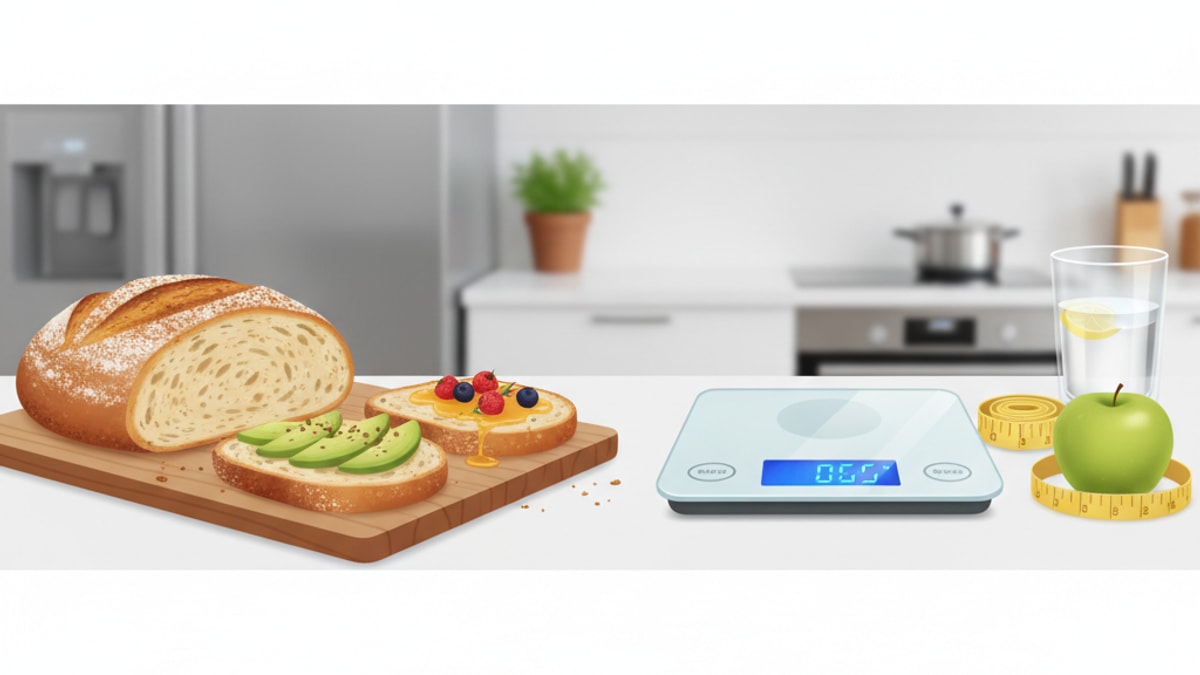
Bread. For so many people on a weight loss journey, it’s public enemy number one. It's often the first thing to go, banished from the kitchen in a purge of carbs and calories. We've seen it countless times. But what if we told you that not all bread is created equal? What if there's a type of bread that could actually fit into, and maybe even support, your weight management goals? We're talking about sourdough.
Sourdough has a kind of health halo around it, and the question our team hears constantly is, is sourdough bread good for weight loss? It’s a fantastic question. Here at TrimrX, we’re deeply invested in the science of metabolic health and sustainable weight loss. Our approach, which often incorporates advanced GLP-1 medications, is rooted in understanding how your body actually processes food. It's not just about counting calories; it's about hormonal responses, gut health, and blood sugar regulation. So, let’s cut through the noise and look at what the science really says about that tangy, chewy loaf.
So, What’s the Real Deal with Sourdough?
Before we can talk about its impact on weight, we have to understand what makes sourdough so different from the standard loaf of bread you grab off the supermarket shelf. The secret isn't in a fancy, space-age ingredient. It's ancient. It’s fermentation.
Standard commercial bread is made using fast-acting baker's yeast. This yeast is designed to make dough rise quickly and predictably, allowing for mass production. It's efficient, but it's a brute-force approach to baking. Sourdough, on the other hand, relies on a 'starter'—a living culture of wild yeast and beneficial bacteria (specifically, lactobacilli) captured from the environment. This starter is what leavens the bread. This process is slow. It’s methodical. It can take hours, sometimes even days.
This long, slow fermentation is where the magic happens. It’s not just about creating bubbles to make the bread rise. The bacteria and yeast are hard at work, fundamentally transforming the dough. They begin to predigest the starches and gluten, breaking them down into simpler, more easily digestible forms. This isn't just a quaint, old-fashioned method; it has profound biochemical consequences for the final product. It changes the bread's structure, its nutrient profile, and, most importantly for our conversation, how your body responds to it. It’s a completely different food, biologically speaking.
The Science: Why Sourdough Stands Apart
When our clients ask about specific foods, we always go back to the underlying biology. A food's impact on weight loss is never just about its calorie count. It’s about the entire metabolic cascade it initiates. Sourdough bread triggers a significantly different—and more favorable—response than its commercial counterparts. And the reasons are fascinating.
First, and perhaps most critically, is its effect on your blood sugar. Sourdough consistently has a lower glycemic index (GI) than white or even standard whole wheat bread. The GI is a measure of how quickly a food raises your blood glucose levels. High-GI foods cause a rapid spike in blood sugar, which in turn triggers a large release of insulin. Insulin’s job is to shuttle that sugar out of your bloodstream and into your cells, but it’s also a fat-storage hormone. When insulin levels are chronically high, your body is in fat-storage mode. Constant blood sugar spikes and crashes also lead to energy slumps and cravings. It's a vicious cycle.
The organic acids produced during sourdough's long fermentation, particularly lactic acid, actually slow down the rate at which starch is digested and absorbed. This means a gentler, slower rise in blood sugar and a much more moderate insulin response. For anyone trying to lose weight, especially those dealing with insulin resistance, this is a massive advantage. It helps keep your body in a more stable, fat-burning state. This principle of blood sugar regulation is the very foundation of how many modern weight loss treatments, including the GLP-1 medications we utilize at TrimrX, work to restore metabolic health.
Then there's the gut health connection. We can't stress this enough: your gut microbiome is a critical, non-negotiable element of weight management. An unhealthy gut is linked to inflammation, poor nutrient absorption, and even obesity. The fermentation process makes sourdough a friend to your gut. It contains prebiotic fibers that act as food for your beneficial gut bacteria. A thriving, diverse microbiome helps regulate inflammation, improve your immune system, and can even influence appetite-regulating hormones. Furthermore, the lactobacilli in the starter produce beneficial compounds during fermentation. In a way, eating real sourdough is like tending to the garden in your gut, which has sprawling benefits for your entire metabolic system.
Finally, let's talk about nutrient availability. Whole grains contain something called phytic acid, which can bind to minerals like iron, zinc, and magnesium, preventing your body from absorbing them. It's often called an 'anti-nutrient.' The long fermentation process of sourdough significantly degrades this phytic acid. What does that mean for you? It means you get more nutritional bang for your buck from each slice. Your body can actually access and use more of the vital minerals present in the whole grain flour. Better nutrition supports a more efficient metabolism. It's comprehensive.
Sourdough Bread vs. Regular Bread: A Head-to-Head Look
To make it crystal clear, let's break down the differences. It's easy to see why our team consistently recommends true sourdough as a superior choice if you're going to include bread in your diet. The distinctions aren't minor; they are metabolically significant.
| Feature | True Whole Grain Sourdough | Commercial Whole Wheat Bread | Commercial White Bread |
|---|---|---|---|
| Glycemic Index (GI) | Low (typically ~53) | Medium-High (typically ~74) | High (typically ~75+) |
| Primary Leavening | Wild yeast & lactobacilli starter (slow fermentation) | Commercial baker's yeast (fast-acting) | Commercial baker's yeast (fast-acting) |
| Gut Health Impact | Contains prebiotics; supports a healthy microbiome. | Minimal prebiotic content; can be harder to digest. | No beneficial impact; can feed less desirable gut bacteria. |
| Nutrient Availability | Phytic acid is reduced, increasing mineral absorption. | Phytic acid remains high, inhibiting mineral absorption. | Very low in nutrients to begin with. |
| Common Ingredients | Flour, water, salt, starter. | Flour, water, yeast, sugars, oils, dough conditioners. | Refined flour, water, yeast, sugar, preservatives. |
| Digestibility | Easier to digest due to predigestion of gluten/starch. | Can be difficult for some to digest. | Can cause bloating and discomfort for many. |
Seeing it laid out like this makes the choice pretty obvious, doesn't it?
Is Sourdough Bread Good for Weight Loss? The Unflinching Answer
Okay, let's get to the heart of the matter. After all that science, what's the verdict? Our professional observation is this: sourdough bread can be a good component of a weight loss plan, provided it's approached with the right mindset. It is not a magic weight loss food, but it is a demonstrably smarter choice than other breads.
Here’s the reality. Portion control is still king. Sourdough bread, especially a dense, artisan loaf, is calorically significant. A single slice can contain anywhere from 100 to 150 calories or more. If you eat half a loaf, you will gain weight. That's just math. The benefit of sourdough lies in its quality, not in a license to eat unlimited quantities. Its higher fiber and protein content, combined with its lower GI, often leads to greater satiety. This means one or two slices are more likely to leave you feeling full and satisfied compared to the same amount of fluffy white bread, which can help you naturally regulate your intake.
What you put on the bread is just as important. A slice of whole-grain sourdough toasted and topped with avocado, a poached egg, and a sprinkle of chili flakes is a fantastic, nutrient-dense meal that supports your goals. That same slice of bread slathered in butter and honey is a different story entirely. The bread is a vehicle; make sure it's carrying something that aligns with your health objectives.
Ultimately, sourdough's role is as part of a holistic strategy. It can be a satisfying, nutritious way to incorporate carbohydrates without derailing your progress. It works best within a diet rich in protein, healthy fats, and tons of vegetables. It’s about making a strategic substitution—swapping a metabolically disruptive food for one that is metabolically supportive. This is the exact philosophy we apply at TrimrX. It’s not about deprivation; it’s about making intelligent, science-backed choices that work with your body. If you're struggling to figure out how all the pieces fit together, that's where a structured, medically-supervised program can be a game-changer. Sometimes you just need a clear, effective path to follow.
How to Choose the Best Sourdough for Your Goals
Not all loaves labeled 'sourdough' are created equal. The food industry has, unsurprisingly, co-opted the term to sell products that don't offer the true benefits. It's becoming increasingly challenging to find the real thing. You have to become a savvy shopper.
First, read the ingredient list. It should be ridiculously simple: flour, water, salt, and maybe 'sourdough culture' or 'starter.' If you see baker's yeast, sugar, vinegar, or a long list of dough conditioners and preservatives, put it back. That's not real sourdough; it's a sourdough-flavored imposter that won't give you the low-GI or gut-health benefits. It’s just commercial bread in disguise.
Second, always opt for whole grain when you can. A sourdough made with 100% whole wheat, rye, or spelt flour will have significantly more fiber, protein, and micronutrients than one made with white flour. This boosts its nutritional value and its ability to keep you full. The combination of whole grains and true fermentation is the absolute gold standard.
Look for it in the right places. The best sourdough is often found at local bakeries or in the bakery section of a high-quality grocery store, not in the main bread aisle. A true sourdough loaf should feel heavy for its size and have an irregular, open crumb structure inside. It should taste tangy and complex. This is your sign that a long, slow fermentation has taken place.
Integrating Sourdough into a Medically-Supervised Weight Loss Plan
Now, this is where it gets really interesting for us. How does a food like sourdough fit into a modern, medical approach to weight loss, such as a plan that includes GLP-1 medications like Semaglutide or Tirzepatide? The synergy is actually quite powerful.
GLP-1s work by influencing key hormones that regulate appetite and blood sugar. They slow gastric emptying (making you feel full longer), improve insulin sensitivity, and reduce cravings. When you're on a treatment like this, your body is already being guided toward metabolic balance. Choosing foods that support this process amplifies the results. It's like adding a tailwind to your journey.
Because sourdough has a lower glycemic index, it helps maintain the stable blood sugar levels that GLP-1s are working to achieve. You avoid the glucose spikes that can sometimes challenge the system, leading to a smoother, more consistent state of energy and appetite control. Our experience shows that patients who focus on low-GI, high-fiber carbohydrates like true sourdough report better satiety and fewer cravings. They feel more in control, which is the ultimate goal.
This approach (which we've refined over years) delivers real results because it addresses both behavior and biology. The medication provides the powerful biological support to re-regulate your system, while making smart food choices like opting for sourdough gives you a sustainable, enjoyable way to eat that supports your new metabolic reality. You're not fighting your body's cravings; you're nourishing it in a way that naturally reduces them. If you're tired of the endless cycle of dieting and want to explore a plan that finally works with your body's chemistry, we recommend you Take Quiz to see if our program is the right fit. It's the first step toward a different kind of journey.
So, instead of a restrictive diet that says 'no bread ever,' a smarter, more sustainable plan says, 'let's choose the right bread, in the right amount, at the right time.' This is how long-term success is built. It’s not about perfection; it’s about making better choices consistently. If you’re ready to build that consistent plan, you can Start Your Treatment with us today.
Sourdough bread isn't a silver bullet for weight loss. No single food is. But it is a powerful example of how a simple change—one rooted in traditional methods and modern science—can make a meaningful difference. It’s a tool. By choosing a bread that nourishes your gut, stabilizes your blood sugar, and provides more nutrients, you're making a choice that supports your body's overall health and your weight management goals. It's a small hinge that can swing a very big door.
FAQs
Frequently Asked Questions
Can I eat sourdough every day and still lose weight?
▼
Yes, you can, as long as it fits within your daily calorie and macronutrient targets. The key is moderation and portion control—sticking to one or two slices and pairing them with protein and healthy fats is a sustainable strategy.
Is gluten-free sourdough just as good for weight loss?
▼
It can be a good option if you have celiac disease or a gluten sensitivity. However, many commercial gluten-free breads use starches that can have a high glycemic index, so it’s crucial to read the label and choose one made from whole-grain, low-GI flours.
How many calories are in a typical slice of sourdough?
▼
A typical slice of artisan sourdough bread contains approximately 100-150 calories, depending on its size, density, and ingredients. Whole grain varieties may be slightly higher in calories but offer more fiber and nutrients.
Does the type of flour in sourdough matter for weight loss?
▼
Absolutely. Sourdough made from 100% whole wheat, rye, or spelt flour is far superior for weight loss. These flours provide more fiber, protein, and micronutrients, which enhance satiety and offer greater nutritional benefits than bread made with refined white flour.
Is homemade sourdough better than store-bought?
▼
Often, yes. When you make sourdough at home, you have complete control over the ingredients and can ensure a long, proper fermentation. If buying from a store, choose a reputable local bakery over mass-produced brands to get the most authentic and beneficial product.
Does toasting sourdough bread change its properties for weight loss?
▼
Toasting can slightly lower the glycemic index of bread by changing the starch structure, a process known as retrogradation. While the effect isn’t dramatic, it can be a small, helpful bonus for blood sugar management.
Will sourdough make me bloated?
▼
For many people, sourdough is less likely to cause bloating compared to conventional bread. The long fermentation process predigests some of the gluten and FODMAPs (fermentable carbs) that can trigger digestive issues for sensitive individuals.
Can sourdough help with insulin resistance?
▼
Due to its lower glycemic index, sourdough can be a beneficial choice for individuals with insulin resistance. By causing a smaller, slower rise in blood sugar, it places less demand on the body to produce insulin, which supports better overall glucose control.
What’s the best time of day to eat sourdough for weight management?
▼
There’s no single ‘best’ time, but pairing it with protein and fat as part of a balanced breakfast or lunch can help promote stable energy and satiety throughout the day. We generally advise clients to be mindful of large carbohydrate servings in the evening.
How does sourdough compare to Ezekiel bread for weight loss?
▼
Both are excellent choices. Ezekiel bread is made from sprouted grains, which also improves digestibility and nutrient availability. Sourdough has the unique benefit of fermentation and prebiotics. The best choice often comes down to personal preference and digestive tolerance.
Does sourdough fit into a low-carb diet?
▼
Sourdough is not a low-carb food. While it’s a higher-quality carbohydrate source, a single slice can contain 20-30 grams of carbs, which would not be suitable for very low-carb or ketogenic diets.
Can I eat sourdough while on a GLP-1 medication like Semaglutide?
▼
Yes, in moderation. Sourdough is an excellent carbohydrate choice for those on GLP-1s because its low glycemic index supports the blood sugar-stabilizing effects of the medication. Our team often recommends it as a smart swap for other, more processed starches.

Transforming Lives, One Step at a Time
Keep reading

What to Do With a Full Pantry You No Longer Eat From
Sort it into three piles rather than clearing it all out: donate, keep, and discard. The mistake most people make is emptying the whole…

How to Handle a Business Dinner When the Client Orders for the Table
This is the one dining situation where your usual tools do not work. You cannot order a starter as your main, cannot ask for…
How to Handle Group Dinners Where Everyone Shares Plates
Shared dining is generally easier than a fixed plate, not harder, and it is worth going in with that framing. When everyone is taking…


