Is Shrimp Good for Weight Loss? A Biotech Perspective
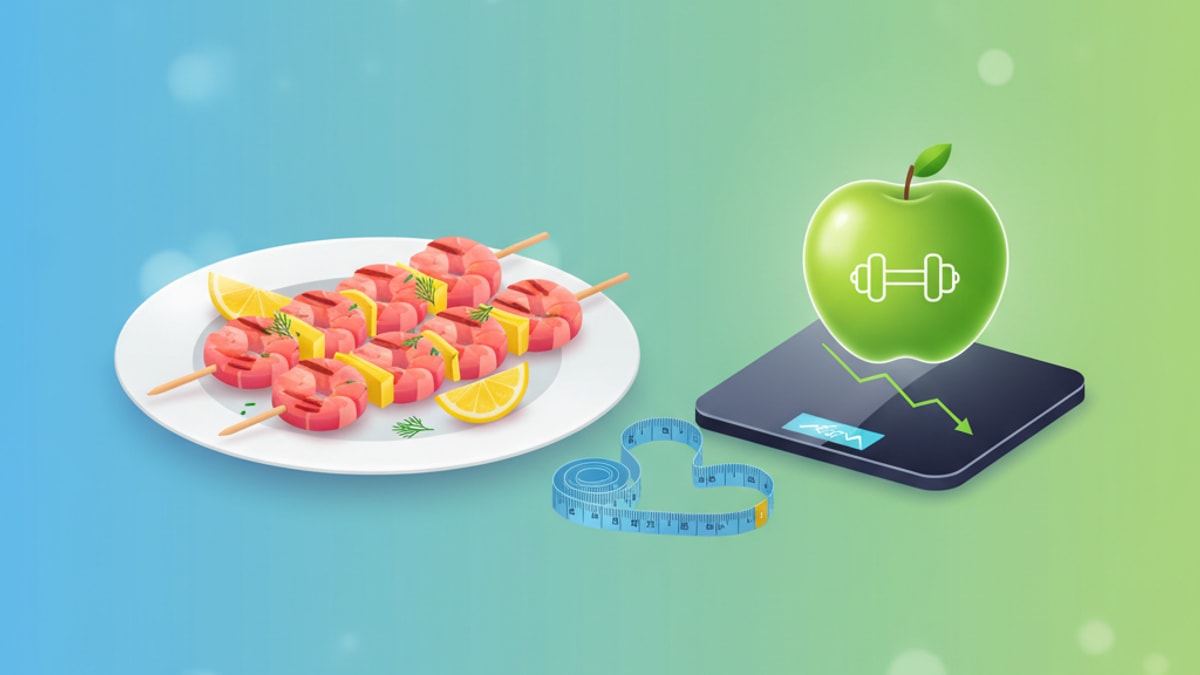
Let's cut right to it. You’re here because you want to know if that delicious plate of shrimp can be part of your weight loss plan or if it's secretly sabotaging your goals. It’s a question our team at TrimrX hears in various forms all the time. People are constantly searching for foods that feel like an indulgence but actually align with their health objectives. It's the holy grail of dieting, isn't it?
The short answer? Yes, shrimp can be an absolutely fantastic tool for weight loss. A formidable one, in fact. But—and this is a crucial but—it all hinges on how you approach it. The context matters. The preparation is everything. And honestly, its true power is unlocked when it's part of a larger, smarter strategy, not just a random meal choice. As a company rooted in the science of biotechnology and metabolic health, we don't just look at foods as calories; we see them as biological signals that interact with your body. And shrimp sends some pretty powerful signals.
The Nutritional Breakdown: Why Shrimp Stands Out
To understand why we're so optimistic about shrimp, you have to look past the plate and see the numbers. It’s all about the data. And the data for shrimp is impressive.
A standard 3-ounce (about 85 grams) serving of cooked shrimp contains roughly 84 calories. That's incredibly low. For that small caloric price, you get a massive payload of about 20 grams of high-quality protein. It has almost no carbohydrates and negligible fat. Just think about that ratio for a second. It's almost pure protein. This is what we in the industry consider a 'lean protein' superstar. It's efficient. You get maximum nutritional benefit for a minimal caloric cost.
This protein-to-calorie ratio is the cornerstone of its effectiveness for weight management. Protein is the most satiating macronutrient, meaning it helps you feel fuller for longer than carbs or fats. This isn't just a feeling; it's a hormonal response. Eating protein helps suppress ghrelin, the 'hunger hormone,' while boosting peptide YY, a gut hormone that signals fullness. The result? You’re less likely to overeat later. It’s a simple, biological lever you can pull just by choosing the right foods.
But the story doesn't end with macros. Shrimp is also packed with essential micronutrients that are often overlooked in weight loss conversations. It’s one of the best food sources of iodine, a mineral that is absolutely critical for proper thyroid function and, by extension, your metabolism. Your thyroid gland sets the pace for your body's calorie-burning engine. Without enough iodine, that engine can sputter. Shrimp also delivers a significant dose of selenium, a powerful antioxidant that helps protect your thyroid, and astaxanthin, the antioxidant that gives shrimp its pink color and has been linked to reducing inflammation. It's a nutrient-dense food, not just a low-calorie one.
Protein, Satiety, and Your Metabolism
We mentioned satiety, but let's dig into that a little deeper because it's a concept that is central to the success of any weight loss journey, especially one supported by medical interventions like GLP-1 programs. Feeling constantly hungry is why most diets fail. It's a battle of willpower against biology, and biology almost always wins.
Foods like shrimp help you sidestep that battle. The high protein content keeps you satisfied, preventing the blood sugar spikes and crashes that come from carbohydrate-heavy meals, which inevitably lead to cravings and snacking. It’s about creating a stable internal environment. Beyond that, protein has the highest Thermic Effect of Food (TEF) of all the macronutrients. This means your body actually burns a significant number of calories just to digest and metabolize it—up to 30% of the calories from the protein itself. So, of the 80-or-so calories in that protein from your shrimp, your body might use 24 of them just in the digestive process. It’s like getting a small metabolic freebie with every bite.
This is where we see a powerful synergy with medically-supervised weight loss programs. Our work at TrimrX focuses on using advanced treatments like Semaglutide and Tirzepatide to help regulate the body's own hormonal systems, including appetite and insulin response. These medications are incredibly effective at reducing 'food noise' and helping patients feel full on smaller portions. When you pair that powerful medical support with a diet rich in high-satiety foods like shrimp, the effect is magnified. The medication makes it easier to choose the grilled shrimp salad, and the shrimp salad works with the medication to keep you full and nourished. It’s a beautiful, effective cycle. It's not about magic; it's about smart, supportive science.
Let's Talk About Cholesterol (And Why You Shouldn't Worry)
Now for the big one. The rumor that has dogged shrimp for decades: cholesterol. It's true that shrimp contains a relatively high amount of dietary cholesterol, about 189 milligrams per 3-ounce serving. For years, this fact alone was enough for doctors to tell patients to steer clear.
We can't stress this enough: that advice is based on outdated science. Our understanding of diet and health has evolved dramatically. We've learned through extensive research that for the vast majority of the population, the dietary cholesterol you eat has very little impact on the cholesterol levels in your blood. Your body, primarily your liver, produces most of the cholesterol it needs. When you eat more of it, your body simply produces less.
The real culprits behind high blood cholesterol are saturated and trans fats. These fats are what signal your body to produce more LDL ('bad') cholesterol. And how much saturated fat does shrimp have? Almost none. It is an incredibly lean food. So, while it contains cholesterol, it doesn't contain the primary driver of high blood cholesterol. Many large-scale studies have confirmed this, showing that shrimp consumption does not negatively affect blood lipid profiles and may even improve them by raising HDL ('good') cholesterol.
Our team spends a lot of time re-educating patients on these nuances. It's easy to get stuck on one scary-sounding number on a nutritional label, but the full picture is always more complex. We guide our patients to look at the overall profile of a food. Is it processed? Is it high in saturated fat? Is it loaded with sugar? For shrimp, the answers are no, no, and no. It passes the test.
The Biggest Mistake People Make with Shrimp
So, if shrimp itself is a green-light food, where do people go wrong? It happens in the kitchen. The preparation method can take this weight loss superhero and turn it into a villain in seconds. This is, without a doubt, the single most common mistake we see.
A shrimp is like a sponge. It will soak up whatever you cook it in. If you're sautéing it in a quarter cup of butter and garlic, drowning it in a creamy alfredo sauce, or—worst of all—breading and deep-frying it into coconut shrimp, you’ve completely negated its benefits. You've taken an 84-calorie, high-protein powerhouse and buried it under hundreds of calories from fat and refined carbs.
This is the critical distinction. The question isn't just 'is shrimp good for weight loss?' The real question is 'is my preparation of shrimp good for weight loss?' The answer to the first is yes. The answer to the second depends entirely on you. Healthy cooking methods are non-negotiable. Think grilling, steaming, boiling, broiling, or a quick stir-fry with minimal oil and lots of vegetables. These methods preserve the lean, high-protein nature of the shrimp without adding a load of unnecessary calories and unhealthy fats.
To make this crystal clear, our team put together a simple comparison.
| Preparation Method | Calorie Impact | Healthy Fats? | What to Watch For |
|---|---|---|---|
| Grilled / Broiled | Low | Yes (if using olive oil) | Excessive charring. Use lemon, herbs, and spices for flavor instead of sugary marinades. |
| Steamed / Boiled | Very Low | No added fats | Blandness. Serve with fresh lemon, cocktail sauce (check for sugar), or a yogurt-based dip. |
| Sautéed / Stir-Fried | Moderate | Yes (if using avocado/olive oil) | Using too much oil. Measure your oil (1-2 tsp) and load up on non-starchy vegetables. |
| Scampi-Style | Very High | No (butter is saturated fat) | The sheer volume of butter and refined carbs from pasta turns a healthy protein into a calorie bomb. |
| Breaded & Fried | Catastrophic | No (industrial seed oils) | Refined flour breading plus deep frying in unhealthy oils. This is the worst-case scenario. |
| In Creamy Sauces | Very High | No (heavy cream) | Cream, cheese, and butter add hundreds of calories and loads of saturated fat. |
Looking at this, the path is obvious. Stick to the top of the chart. Simple is better. The goal is to let the shrimp be the star, not the fat it's cooked in.
How Shrimp Fits into a Medically-Supervised Weight Loss Plan
We've touched on this, but it's worth its own section because this is where theory meets real-world, sustainable results. At TrimrX, we see weight management as a complex biological puzzle. Hormones, genetics, metabolism, and lifestyle all play a role. A truly effective solution has to address the biology first. That's what GLP-1 medications like Semaglutide and Tirzepatide do—they work with your body's systems to reduce hunger and improve how your body handles food.
But medicine is only one piece of the puzzle. It creates a powerful window of opportunity. It quiets the biological noise that makes healthy eating so difficult. What you do in that window is what determines your long-term success. This is where a strategic diet, rich in foods like shrimp, becomes so powerful.
When a patient on our program incorporates lean proteins, they're not just eating a healthy meal. They're actively collaborating with their treatment. The medication helps them feel satisfied with a smaller portion of grilled shrimp and vegetables, and the high protein content of that meal extends that feeling of satiety for hours. This prevents the dips in energy and the return of cravings that might otherwise occur. It stabilizes their system, allowing them to build consistent, healthy habits without the constant internal battle. It’s a proactive, synergistic approach to wellness.
It transforms weight loss from a grueling struggle into a manageable process. This is why a guided plan is so much more effective than just trying to 'eat less and move more.' It's about using the right tools—both medical and nutritional—to make the right choices easier. If you're tired of the struggle and want to see how a comprehensive medical plan can fundamentally change your relationship with food, we encourage you to Take Quiz to see if you're a candidate. It’s the first step toward a more strategic approach.
Practical Ways to Add Shrimp to Your Diet
Knowing shrimp is good for you is one thing. Knowing what to do with it is another. You don't need to be a gourmet chef. In fact, the simpler, the better.
Here are some practical, easy ideas our team often recommends:
- Shrimp Skewers: Thread shrimp onto skewers with colorful bell peppers, zucchini, and cherry tomatoes. Brush lightly with olive oil and herbs, then grill or broil for a few minutes per side. Simple. Fast. Delicious.
- A Better Shrimp Salad: Forget the mayo-drenched versions. Mix cooked, chilled shrimp with chopped celery, red onion, and fresh dill. For the dressing, use plain Greek yogurt, a squeeze of lemon juice, and a pinch of salt and pepper. Serve it in lettuce cups or with whole-grain crackers.
- The Quickest Stir-Fry: In a hot wok or skillet, stir-fry a bag of frozen broccoli slaw or mixed veggies with a bit of soy sauce (or coconut aminos), ginger, and garlic. Throw in the shrimp during the last 2-3 minutes of cooking. It’s a complete meal in under 10 minutes.
- Zesty Shrimp Ceviche: This requires no cooking at all. 'Cook' raw shrimp by marinating it in lime and lemon juice until it turns pink and opaque. Then, mix with chopped red onion, cilantro, jalapeño, and tomato. It's a refreshing, protein-packed appetizer or light meal.
- Simple Sheet Pan Meal: Toss shrimp and chopped asparagus or broccoli with a teaspoon of olive oil and your favorite seasonings directly on a baking sheet. Roast at a high temperature (400°F / 200°C) for about 8-10 minutes. Minimal cleanup, maximum nutrition.
The key takeaway is versatility. Shrimp cooks in minutes, making it perfect for busy weeknights. Keep a bag of frozen, raw shrimp on hand, and you always have the foundation for a healthy, high-protein meal.
What About Sustainability and Sourcing?
In today's world, being a truly authoritative voice on nutrition means looking beyond the macros and considering the bigger picture. The sourcing of your seafood matters, both for your health and the planet's. The shrimp industry is sprawling and complex, with a wide range of practices.
Generally, you'll see two categories: wild-caught and farm-raised. Neither is universally 'better' than the other; it depends on the specific fishery or farm. Some wild fisheries are managed sustainably, while others contribute to overfishing and bycatch (the capture of non-target species). Similarly, some shrimp farms are models of responsible aquaculture, while others can have significant environmental impacts.
So what should you do? Our professional recommendation is to become a label-reader. Look for third-party certifications on the packaging. The most reputable ones are the Best Aquaculture Practices (BAP) and the Aquaculture Stewardship Council (ASC) logos for farmed shrimp, and the Marine Stewardship Council (MSC) blue fish logo for wild-caught shrimp. These certifications ensure that the shrimp was raised or caught according to strict standards for environmental responsibility and social welfare. It’s a small step you can take in the grocery store that makes a big difference.
Yes, shrimp is an incredible food for supporting a healthy, lean physique. It’s low in calories, packed with high-quality protein, and loaded with beneficial nutrients. When you prepare it smartly and avoid the calorie-laden traps of breading and heavy sauces, it becomes a powerful ally in your weight loss journey. It keeps you full, fuels your metabolism, and is versatile enough to never be boring.
But remember, no single food is a magic bullet. True, lasting weight management comes from a holistic system. It's about the combination of smart food choices, consistent habits, and, for many, the powerful support of medical science to rebalance your body's underlying biology. Shrimp is a fantastic player, but it performs best as part of a winning team. It’s about creating a comprehensive plan that works for your body's unique biology. When you're ready to build that plan, you can Start Your Treatment with us and discover what a truly integrated approach feels like.
Frequently Asked Questions
How much shrimp can I eat per week for weight loss?
▼
For most healthy adults, enjoying shrimp two to three times a week is perfectly fine. A typical serving is about 3-4 ounces (85-115 grams), which provides a substantial amount of protein without excessive calories.
Is frozen shrimp as healthy as fresh shrimp?
▼
Yes, absolutely. Most shrimp is flash-frozen immediately after being caught, which preserves its nutritional value incredibly well. In many cases, frozen shrimp can be ‘fresher’ and of higher quality than the ‘fresh’ shrimp at the counter, which may have been previously frozen and thawed.
Will eating shrimp raise my cholesterol levels?
▼
This is a common myth. For most people, dietary cholesterol from foods like shrimp has a minimal effect on blood cholesterol. Your body’s cholesterol levels are more influenced by saturated and trans fats, which shrimp contains in very low amounts.
Can I eat shrimp if I’m on a GLP-1 medication like Semaglutide?
▼
Yes, shrimp is an excellent food choice for individuals on GLP-1 medications. Its high protein content works synergistically with the appetite-regulating effects of the medication to enhance feelings of fullness and support lean muscle mass during weight loss.
What is the absolute lowest-calorie way to cook shrimp?
▼
Steaming or boiling shrimp are the lowest-calorie methods as they don’t require any added fats or oils. You can then add flavor with calorie-free options like lemon juice, fresh herbs, and spices.
Are larger shrimp better than smaller ones?
▼
Nutritionally, there is no significant difference between shrimp sizes. The choice is purely based on preference and the recipe you’re preparing. Smaller shrimp are great for salads, while larger ones are ideal for grilling.
What should I look for when buying shrimp?
▼
Look for raw shrimp that is firm and translucent with a mild, sea-like smell. Avoid any shrimp that feels mushy or has a strong, ammonia-like odor. When possible, opt for shrimp with sustainability certifications like MSC, ASC, or BAP.
Is shrimp good for building muscle while losing weight?
▼
Yes, it’s a fantastic option. The high-quality, complete protein in shrimp provides the essential amino acids your body needs to repair and build muscle, which is crucial for maintaining a healthy metabolism as you lose weight.
Can shrimp be part of a keto or low-carb diet?
▼
Perfectly. Shrimp contains virtually zero carbohydrates, making it an ideal protein source for anyone following a ketogenic or low-carb eating plan. The key, as always, is to prepare it with low-carb ingredients.
Is the vein in shrimp harmful to eat?
▼
The ‘vein’ is actually the shrimp’s digestive tract. While it’s not harmful to eat, it can have a gritty texture and slightly bitter taste. Most people prefer to have it removed, a process called deveining, for a better eating experience.
Does shrimp contain mercury?
▼
Shrimp is considered a low-mercury seafood option. Due to its small size and short lifespan, it doesn’t accumulate heavy metals in the same way larger, predatory fish do, making it a safe choice for regular consumption.
What’s the difference between shrimp and prawns?
▼
While biologically different, the terms are often used interchangeably in the culinary world. Nutritionally, shrimp and prawns are virtually identical, so you can treat them the same way in your weight loss plan.

Transforming Lives, One Step at a Time
Keep reading

What to Do With a Full Pantry You No Longer Eat From
Sort it into three piles rather than clearing it all out: donate, keep, and discard. The mistake most people make is emptying the whole…

How to Handle a Business Dinner When the Client Orders for the Table
This is the one dining situation where your usual tools do not work. You cannot order a starter as your main, cannot ask for…
How to Handle Group Dinners Where Everyone Shares Plates
Shared dining is generally easier than a fixed plate, not harder, and it is worth going in with that framing. When everyone is taking…


