Is Soup Good for Weight Loss? An Unflinching Look at the Truth
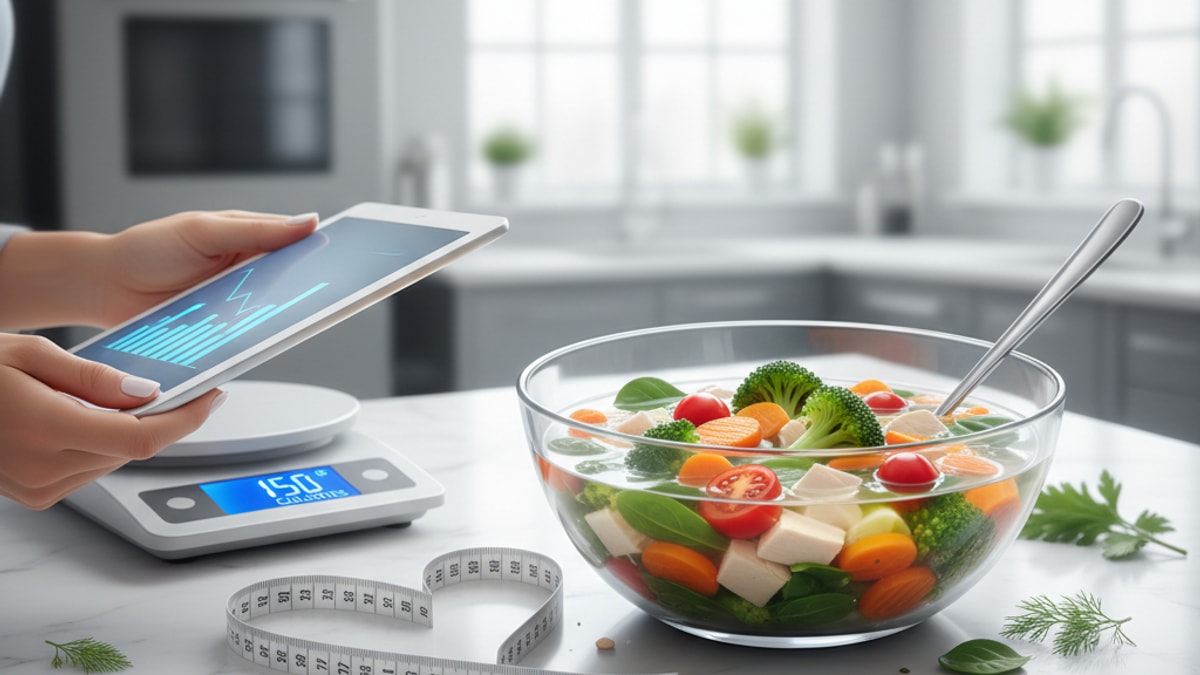
It’s one of the oldest questions in the diet world, right up there with 'carbs or no carbs?'. Is soup good for weight loss? We've all seen it. The 'cabbage soup diet' fads, the promises of dropping ten pounds in a week by sipping on broth. It sounds simple. Almost too simple. And honestly, our team at TrimrX has seen firsthand the confusion this question causes for people genuinely trying to build a healthier life. The answer isn't a simple yes or no. It's more nuanced, more interesting, and frankly, more useful than that.
The truth is, soup can be a formidable ally in your weight management strategy. It can also be a cleverly disguised calorie bomb that sabotages your best efforts. The difference lies in the details—the ingredients, the preparation, and how you integrate it into a broader, more intelligent plan for your health. Let's get into it, because understanding this distinction is a critical, non-negotiable element of sustainable success.
Why Soup Gets So Much Attention for Weight Loss
There's a reason soup has a health halo. It's not just marketing fluff; there are legitimate physiological reasons why a well-made soup can be a powerhouse for anyone looking to manage their weight. It all boils down to a few key principles that work together in a pretty remarkable way.
First, and most obviously, is the volume factor. Most soups are, by nature, high in water content. This is huge. The water adds weight and volume to your meal without adding calories. When you eat a bowl of broth-based vegetable soup, your stomach's stretch receptors send signals to your brain that you're getting full. This process, called gastric distention, is a primary driver of satiety. You feel satisfied on fewer calories than you would if you ate the same ingredients in a less voluminous, non-liquid form. It's a simple, elegant bio-hack.
Then there's the psychological component of a warm, comforting meal. Our experience shows that the ritual of sitting down with a warm bowl can be profoundly satisfying, much more so than a cold salad or a quick protein bar. This emotional satisfaction plays a significant role in preventing feelings of deprivation that so often derail weight loss efforts. It feels like a real meal. A substantial one. That feeling matters more than most people think.
Finally, soup is an incredible vehicle for nutrients. It's an easy and delicious way to pack in a sprawling variety of vegetables, lean proteins, and fiber-rich legumes. These components don't just provide essential vitamins and minerals; they also work together to slow down digestion, stabilize blood sugar, and prolong that feeling of fullness. A high-fiber soup keeps you satisfied for hours, making you far less likely to reach for unhealthy snacks between meals. It's a win-win-win.
The Science of Satiety: It's Not Just About Feeling Full
Let's go a level deeper. 'Satiety' is a word we throw around a lot, but what does it actually mean for your body? It's not just the absence of hunger; it's a complex interplay of hormonal and neurological signals that tell your brain, 'Okay, we're good here. You can stop eating now.' And this is where soup truly shines, often outperforming solid meals with the exact same calorie count.
Studies have consistently shown that when people consume a soup-based meal, they tend to consume fewer total calories in that sitting and sometimes even at their next meal. Why? One theory centers on something called 'oro-sensory stimulation.' The act of sipping a warm liquid and tasting complex flavors over a longer period gives your brain more time to register the incoming nutrients and initiate the satiety cascade. You can't really gulp down a hot soup. You're forced to slow down, and that deliberate pace is a powerful tool for mindful eating. It’s a built-in brake pedal for your appetite.
Our team has found that this concept is particularly powerful for patients in our medically-supervised weight loss programs. For individuals on GLP-1 medications like Semaglutide and Tirzepatide, which already work to enhance feelings of fullness, pairing the treatment with high-satiety foods like a well-constructed soup can create an incredibly synergistic effect. The medication helps regulate the hormonal signals of appetite, while the soup provides the physical volume and sensory satisfaction that reinforces those signals. It’s a strategy we often recommend because it aligns perfectly with the biological mechanisms we're leveraging for our patients. It just makes sense.
Not All Soups Are Created Equal: The Good, The Bad, and The Deceptive
This is the most important part. We can't stress this enough: the phrase 'I'm having soup' can mean anything from a 150-calorie bowl of nutrient-dense fuel to an 800-calorie bowl of refined flour, cream, and sodium. The difference is catastrophic for your weight loss goals.
Let's be brutally honest. Many commercially available soups, especially the creamy, 'comforting' ones, are nutritional disasters. They are engineered to be hyper-palatable with staggering amounts of fat, sodium, and sometimes sugar, completely negating any potential health benefits. That creamy New England clam chowder, the rich broccoli and cheddar, the decadent lobster bisque—these aren't diet foods. They are desserts masquerading as a main course.
To make this crystal clear, we've broken down the key differences. This is the kind of analysis our clinicians perform when helping patients build sustainable meal plans.
| Feature | Weight-Loss Friendly Soup | Calorie-Dense Soup |
|---|---|---|
| Base | Clear broth (vegetable, chicken, bone broth), tomato puree | Heavy cream, whole milk, roux (butter/flour), cheese |
| Key Ingredients | Non-starchy vegetables, leafy greens, lean protein | Starchy vegetables (potatoes in excess), processed meats, croutons |
| Protein Source | Chicken breast, turkey, lentils, beans, tofu, fish | Bacon, sausage, high-fat ground beef, cheese |
| Fat Source | Minimal (from lean protein or a drizzle of olive oil) | Butter, cream, cheese, processed oils |
| Sodium Level | Low to moderate (ideally homemade or 'low sodium' label) | Extremely high, often exceeding 50% of daily value |
| Typical Calorie Range | 150-350 calories per serving | 450-800+ calories per serving |
| Satiety Factor | High (due to fiber, protein, and volume) | High initially, but can lead to cravings due to refined carbs/fat |
The takeaway is simple. You must become a soup detective. Read labels. Question ingredients. When in doubt, make it yourself. That's the only way to guarantee you're getting the good stuff without the hidden baggage.
Building the Perfect Weight Loss Soup: Our Team's Framework
So, how do you do it? How do you create a soup that is both delicious and a powerful tool for weight management? It’s not about deprivation; it’s about smart construction. Over the years, we've developed a simple framework that our patients find incredibly effective. It's a formula, really.
1. Start with a Smart Base.
This is your foundation. Ditch the cream, the milk, and the buttery roux. Your go-to options should be vegetable broth, chicken broth, mushroom broth, or bone broth. These provide a savory, flavorful base with minimal calories. A tomato or puréed vegetable base (like butternut squash or carrot-ginger) is also a fantastic option, adding nutrients and thickness without the fat.
2. Load Up on Non-Starchy Vegetables.
This is where you build volume and nutrient density. Think of the soup pot as a place to use up any and all veggies in your fridge. Onions, garlic, celery, and carrots (a classic mirepoix) are a great start. From there, go wild: bell peppers, zucchini, mushrooms, green beans, asparagus, kale, spinach. The fiber from these vegetables is critical for long-lasting fullness. Don't be shy; the more, the better.
3. Pick Your Protein Wisely.
This is a non-negotiable step. Protein is essential for preserving lean muscle mass during weight loss and is the most satiating macronutrient. A soup without a solid protein source is just a snack; it won't keep you full. Excellent choices include shredded chicken breast, lean ground turkey, lentils, chickpeas, black beans, cannellini beans, or even tofu. Aim for at least 15-20 grams of protein per serving.
4. Add Complex Carbs (Carefully).
While you want to avoid loading your soup with refined carbs like white pasta or potatoes, a small amount of a complex carbohydrate can provide sustained energy and make the soup more satisfying. Think half a cup of quinoa, barley, farro, or a small amount of diced sweet potato or butternut squash. These are digested slowly, preventing the blood sugar spikes and crashes that lead to cravings.
5. Flavor with Herbs, Not Fat or Salt.
This is the secret of professional chefs and savvy home cooks. You don't need a cup of heavy cream to make soup taste amazing. A bay leaf, fresh thyme, rosemary, oregano, smoked paprika, cumin, coriander, a squeeze of lemon juice, or a splash of vinegar at the end can transform a simple broth into something spectacular. Fresh herbs like parsley, cilantro, or dill added just before serving add a burst of freshness that is truly unbeatable.
The Pitfalls of a Soup-Only Diet
Now, for a dose of reality. While a well-made soup is an excellent meal, a diet consisting only of soup is a terrible, unsustainable idea. We've seen the fallout from these extreme fads, and it's not pretty. A 'soup cleanse' or 'soup fast' might lead to a quick drop on the scale, but that drop is mostly water weight and, more alarmingly, precious muscle tissue. It's a classic crash diet scenario.
When you drastically restrict calories and food groups, your body goes into conservation mode. Your metabolism slows down to conserve energy, making it even harder to lose fat. You'll likely suffer from nutrient deficiencies, fatigue, and intense cravings. And what happens when the 'cleanse' is over? The weight comes roaring back, and often brings a few extra pounds with it as your slowed metabolism struggles to cope with a normal intake of food. It's a vicious cycle.
Sustainable weight loss is never about short-term, extreme measures. It’s about building healthy habits and a balanced nutritional framework that you can maintain for life. Soup should be a part of that framework—a delicious, satisfying, and effective part—but not the whole thing. It's a tool, not the entire toolbox.
Integrating Soup into a Medically-Supervised Plan
This is where the conversation shifts from a simple diet tip to a comprehensive health strategy. At TrimrX, we don't just prescribe medication; we guide our patients toward a holistic lifestyle change where nutrition plays a central role. And soup fits beautifully into this model.
For patients using advanced GLP-1 medications, the goal is to leverage the medication's appetite-suppressing effects to build better, lasting eating habits. You feel less hungry, so it becomes easier to choose nourishing, lower-calorie foods. A nutrient-dense vegetable and lean protein soup is the perfect food for this scenario. It's easy on the digestive system, hydrating, and provides that crucial feeling of fullness on a small calorie budget, amplifying the effects of the treatment.
Our clinical team works with patients to incorporate meals like this into their weekly routine. Maybe it's replacing a typically high-calorie lunch with a hearty lentil soup, or having a small cup of broth-based soup before dinner to curb overeating. It's about strategic integration, not drastic restriction. This approach (which we've refined over years) delivers real, sustainable results because it teaches you how to eat for your new, healthier body. If you're wondering how this kind of integrated strategy could work for you, a good first step is to see if you're a candidate. You can easily Take Quiz on our site to understand your options.
This is the future of weight management—a thoughtful combination of medical science and practical, sustainable nutrition. When you're ready to build a plan that goes beyond temporary fixes, our team is here to help you Start Your Treatment with a program designed for your unique biology.
Practical Tips for Making Soup a Sustainable Habit
Knowing soup is good for you is one thing. Actually making it a regular part of your busy life is another. It's becoming increasingly challenging to find time for healthy cooking amidst demanding schedules. Here are some real-world strategies we recommend to make it happen.
Become a Weekend Prep Warrior. This is the single most effective strategy. Dedicate two hours on a Sunday to make a massive pot of your favorite healthy soup. Portion it out into single-serving containers. Now you have grab-and-go lunches for most of the week. It eliminates weekday decision fatigue and ensures you have a healthy option ready when hunger strikes.
Master the Art of the Freezer. Soup freezes beautifully. Double your recipe and freeze half in Souper Cubes or freezer-safe bags. On a chaotic evening when you have no time or energy to cook, you're just a few minutes away from a wholesome, home-cooked meal. Your future self will thank you.
Be a Savvy Canned Soup Shopper. Let's be realistic, sometimes you need convenience. Not all canned soups are evil. You just have to be a discerning customer. Ignore the flashy front-of-package claims and go straight to the nutrition label. Look for brands with less than 400mg of sodium per serving, a clear broth base, and a recognizable list of whole-food ingredients like vegetables and beans. They exist, you just have to look for them.
Use Your Blender. Craving a creamy texture without the cream? Your blender is your best friend. Cooked cauliflower, white beans, or even a potato can be blended into a soup to create a rich, velvety texture with added fiber and nutrients instead of saturated fat. A blended carrot-ginger or butternut squash soup can feel incredibly decadent while being exceptionally healthy.
So, is soup good for weight loss? When it's the right soup, made with the right ingredients and integrated into a smart, comprehensive plan, the answer is an emphatic yes. It's not a magic potion, but it is one of the most effective, satisfying, and nourishing tools you can have in your arsenal. It’s about leveraging volume, satiety, and nutrient density to work with your body's natural signals, not against them. And when that tool is combined with a modern, medically-guided approach, it becomes part of a truly powerful strategy for achieving and maintaining a healthy weight for the rest of your life.
Frequently Asked Questions
Can I lose weight by only eating soup for a week?
▼
While you would likely lose weight initially, we strongly advise against it. This weight loss would be mostly water and muscle, not fat. A soup-only diet is nutritionally incomplete and can slow your metabolism, leading to rebound weight gain once you resume normal eating.
Are canned soups a good option for weight loss?
▼
They can be, but you must be very selective. Many canned soups are extremely high in sodium, which causes bloating and can raise blood pressure. Look for ‘low-sodium’ versions with a broth base and a clear list of whole vegetables and lean proteins.
What’s the best kind of soup for feeling full?
▼
The best soups for satiety are those high in both fiber and protein. Think lentil soup, black bean soup, or a chicken and vegetable soup loaded with non-starchy veggies. The combination of protein, fiber, and warm liquid is incredibly effective at keeping you full for hours.
Does the temperature of the soup matter for weight loss?
▼
Yes, it can. Warm or hot soups tend to be more satiating than cold ones. The warmth can have a comforting psychological effect, and the need to eat it more slowly allows your brain’s fullness signals more time to register, helping prevent overeating.
How can I make my homemade soup more flavorful without adding salt?
▼
Herbs and spices are your best friends. Start your soup with a base of sautéed garlic and onions. Add bay leaves, thyme, and rosemary during simmering. Finish with fresh herbs like parsley or cilantro, a squeeze of lemon juice, or a splash of apple cider vinegar to brighten the flavors.
Should I avoid soups with potatoes and corn?
▼
Not necessarily, but portion control is key. Potatoes and corn are starchy vegetables, meaning they are higher in carbohydrates and calories. A small amount can add texture and energy, but the bulk of your soup should be non-starchy vegetables like leafy greens, broccoli, and peppers.
Is cream of mushroom soup healthy?
▼
Typically, traditional cream of mushroom soup is not a healthy choice for weight loss. It’s made with heavy cream and butter, making it high in calories and saturated fat. You can create a healthier version by puréeing sautéed mushrooms with cauliflower and using a low-fat milk or vegetable broth.
How does soup fit with a GLP-1 medication plan like Semaglutide?
▼
Soup is an excellent complement to GLP-1 treatments. The medications enhance feelings of fullness, and a low-calorie, high-volume soup reinforces that feeling physically. It helps patients adapt to smaller portion sizes comfortably while ensuring they get adequate hydration and nutrients.
Can soup help with hydration?
▼
Absolutely. Because soups are primarily water, they are a great way to contribute to your daily hydration needs. This is especially beneficial as proper hydration is crucial for metabolism and overall health during a weight loss journey.
What is the worst type of soup to eat when trying to lose weight?
▼
The worst soups are typically cream-based bisques and chowders, or cheese-heavy soups like broccoli cheddar. They are often loaded with saturated fat, refined starches, and sodium, making their calorie count surprisingly high and undermining weight loss efforts.
Is bone broth soup particularly good for weight loss?
▼
Bone broth is a great base for a weight loss soup. It’s very low in calories but rich in protein and collagen, which can promote feelings of fullness. Using it as a foundation for a vegetable and lean protein soup is a very smart strategy.
Can I use an immersion blender to make my soups ‘creamy’?
▼
Yes, an immersion blender is a fantastic tool for this. You can blend a portion of your vegetable and bean soup directly in the pot to create a creamy texture without adding any dairy fat. This adds body and a satisfying mouthfeel while keeping the soup light and healthy.

Transforming Lives, One Step at a Time
Keep reading

What to Do With a Full Pantry You No Longer Eat From
Sort it into three piles rather than clearing it all out: donate, keep, and discard. The mistake most people make is emptying the whole…

How to Handle a Business Dinner When the Client Orders for the Table
This is the one dining situation where your usual tools do not work. You cannot order a starter as your main, cannot ask for…
How to Handle Group Dinners Where Everyone Shares Plates
Shared dining is generally easier than a fixed plate, not harder, and it is worth going in with that framing. When everyone is taking…


