Maize for Weight Loss? Our Unflinching Biotech Breakdown
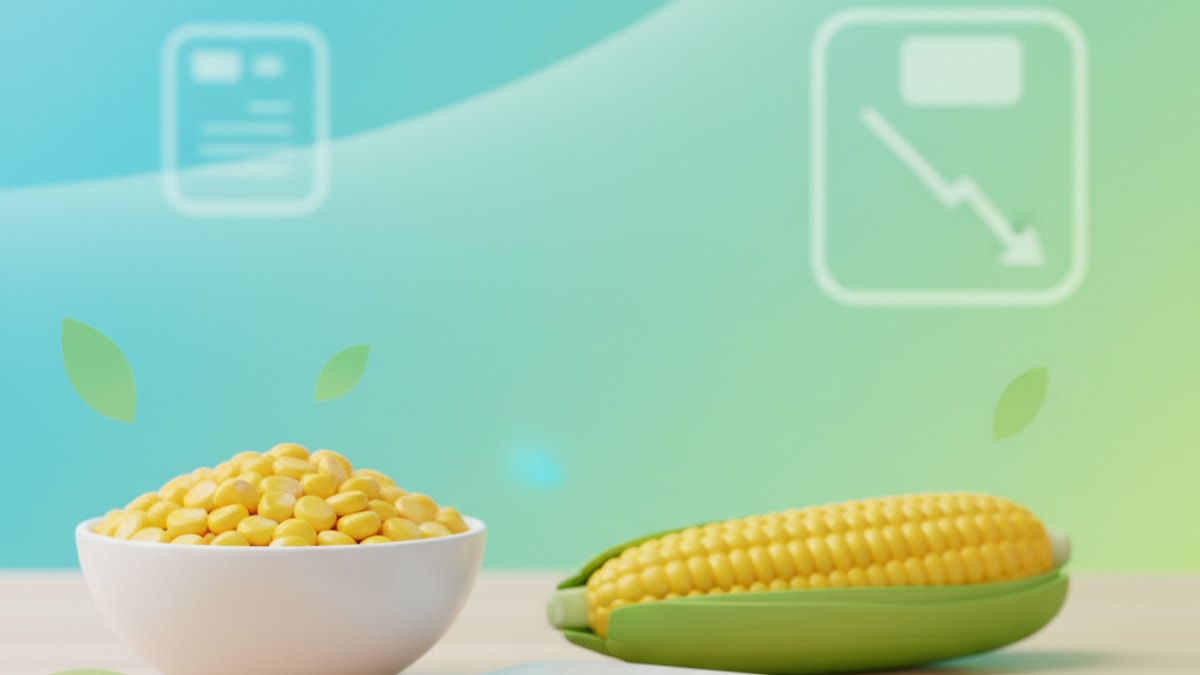
It’s a question we hear all the time, in one form or another. You're at a summer barbecue staring at a golden ear of corn, or you’re navigating the grocery aisle, wondering if that bag of frozen kernels is a smart choice. "Is maize good for weight loss?" It sounds simple. The answer, however, is anything but. Here at TrimrX, our entire focus is on the intricate biology of weight management, from metabolic pathways to the powerful influence of hormones. We don't deal in simple 'yes' or 'no' answers, because your body doesn't either.
So, let’s reframe the question. Instead of asking if maize is 'good' or 'bad,' let's ask a more precise, more useful question: What role can maize play within a scientifically sound, sustainable weight loss strategy? This is where the conversation gets interesting. It moves beyond food fads and into the realm of biochemistry, where we can analyze how a specific food impacts the systems that control hunger, fat storage, and energy. We’re going to peel back the husk and give you the unflinching breakdown you need.
Let's Get Real About Corn: The Nutritional Landscape
Before we can talk about weight loss, we have to understand what we're actually consuming. Maize, or corn as it's more commonly known in many places, is technically a vegetable, a fruit, and a whole grain all at once, depending on how it's harvested and defined. Botanically, a kernel is a type of fruit called a caryopsis. When harvested fresh, we treat it like a vegetable. When dried, it's considered a whole grain. Confusing, right?
Let's cut through the noise. A medium ear of fresh corn (about 90 grams) contains roughly:
- Calories: 80-100
- Carbohydrates: 19-22 grams
- Fiber: ~2.5 grams
- Sugar: ~4.5 grams
- Protein: ~3 grams
At first glance, it doesn't look too bad. It's relatively low in calories and contains some fiber and a little protein. It also packs in some decent micronutrients, like vitamin C, magnesium, and certain B vitamins. So far, so good. But the number that really jumps out to our team is the carbohydrate content. It’s a starchy vegetable, and that means its primary impact on your body is through carbohydrates. And as we know from decades of metabolic research, how your body processes those carbohydrates is absolutely critical for weight management.
The Glycemic Index Dilemma: Maize and Your Blood Sugar
This is where the conversation gets serious. The Glycemic Index (GI) is a measure of how quickly a food containing carbohydrates raises your blood glucose levels. Foods with a high GI cause a rapid spike in blood sugar, which triggers a significant release of insulin from your pancreas. Insulin's job is to shuttle that sugar out of your bloodstream and into your cells for energy. But it has another, less helpful job when you’re trying to lose weight: it’s a powerful fat-storage hormone.
Maize has a moderate to high GI, typically ranging from 55 to 65, depending on the variety and preparation method. That's higher than non-starchy vegetables like broccoli or spinach (which are very low) but lower than, say, white bread. When you eat corn, especially by itself, you get that predictable blood sugar surge. Your body responds with a rush of insulin. This does two things you don't want.
First, the insulin efficiently promotes the storage of any excess energy as fat. Second, that rapid spike is often followed by a crash. Your blood sugar drops quickly, leaving you feeling tired, irritable, and, worst of all, hungry again just a short while after eating. This is the blood sugar roller coaster, and it’s a formidable enemy of weight loss. It creates a vicious cycle of cravings, overeating, and fat storage. Our experience shows that stabilizing blood sugar is one of the most critical, non-negotiable elements of a successful weight loss journey.
Fiber: The Unsung Hero in the Maize Kernel
But wait, it's not all doom and gloom. Let's talk about fiber. That 2.5 grams of fiber in an ear of corn might not sound like much, but it plays a significant role. Fiber is the part of the plant your body can't digest, and it's incredibly important for metabolic health.
First and foremost, soluble fiber slows down digestion. This means the sugar from the carbohydrates in maize is released into your bloodstream more gradually. It helps to blunt that dramatic spike-and-crash cycle we just talked about. A slower, more controlled release of sugar means a more moderate insulin response. That's a huge win. Secondly, fiber adds bulk to your food, which helps you feel full and satisfied. This physical sensation of fullness, or satiety, is a powerful tool for controlling calorie intake without feeling deprived. We’ve seen it work time and time again with our patients; increasing fiber is one of the simplest yet most effective changes you can make.
This is why the form of your maize matters so much. A whole ear of corn, with all its fibrous structure intact, is a world away from a highly processed corn product. The fiber is the built-in braking system for the carbs. Remove the fiber, and you've got a runaway train.
Portion Control: The Non-Negotiable Rule for Any Carb
Let’s be honest. You could be eating the most nutritionally perfect food on the planet, but if you eat too much of it, you will not lose weight. It’s a fundamental principle of energy balance. This is especially true for carbohydrate-dense foods like maize.
One ear of corn is a reasonable serving. But it's easy to overdo it. Think about a large bucket of movie theater popcorn (often drenched in butter-flavored oil) or a heaping pile of corn casserole at a holiday dinner. The carbohydrates and calories add up with startling speed. Our team can't stress this enough: awareness is everything. A single portion of corn can be a healthy part of a meal. Three portions can derail your progress for the day. We recommend using your fist as a rough guide for a serving size of starchy carbs like corn, potatoes, or rice. It's a simple, portable tool that keeps you honest.
This isn't about being restrictive; it's about being mindful. It's about understanding that maize is an energy source, and your intake should match your body's actual energy needs, not just your appetite in the moment.
Whole Maize vs. Processed Corn: A Tale of Two Foods
This is perhaps the most crucial point in the entire discussion. Not all corn is created equal. The difference between eating a whole food and its ultra-processed derivative is night and day. We've refined this understanding over years of observing patient outcomes. The distinction is not subtle; it's a chasm.
| Feature | Whole Maize (Corn on the Cob, Kernels) | Processed Corn Products (HFCS, Flakes, Chips) |
|---|---|---|
| Fiber Content | High. The pericarp (outer hull) is intact, providing insoluble fiber that aids digestion and satiety. | Negligible to none. The fiber is stripped away during processing to improve texture and shelf life. |
| Nutrient Density | Retains vitamins (C, B), minerals (magnesium), and antioxidants. | Vastly diminished. Vitamins are often added back in (fortified), but natural phytonutrients are lost. |
| Glycemic Impact | Moderate. Fiber buffers the release of sugar into the bloodstream, leading to a more gradual rise. | Extremely High. Lacking fiber, the refined carbohydrates are absorbed almost instantly, causing a severe blood sugar spike. |
| Satiety Effect | High. The combination of fiber, water content, and the need to chew promotes a feeling of fullness. | Very Low. Easy to overconsume large quantities of calories without feeling full, leading to a cycle of cravings. |
| Metabolic Effect | Provides sustained energy as part of a balanced meal. Supports a healthy gut microbiome. | Contributes to insulin resistance, inflammation, and fat storage. High-fructose corn syrup (HFCS) is particularly taxing on the liver. |
When we talk about whether maize is good for weight loss, we are almost exclusively talking about whole maize. Processed corn products—high-fructose corn syrup, corn flakes, corn chips, corn-based snack puffs—are a completely different beast. They are engineered to be hyper-palatable and are metabolically disastrous for most people pursuing weight loss. They offer all of the blood-sugar-spiking carbs with none of the mitigating fiber. Our professional observation is that eliminating these ultra-processed foods is one of the most impactful first steps anyone can take.
How Does Maize Fit Into a Modern Weight Loss Plan?
So, where does that leave us? Can you eat corn and still lose weight? Absolutely. But it requires a strategic approach, not a free-for-all.
Think of your daily carbohydrate intake as a budget. If you have a budget of, say, 100 grams of carbs for the day, a 20-gram ear of corn can easily fit. You just have to account for it. This is particularly relevant for individuals on modern medical weight loss treatments. For patients using GLP-1 medications like Semaglutide or Tirzepatide, which we specialize in at TrimrX, appetite is naturally reduced and insulin sensitivity can improve. This creates a powerful window of opportunity to build healthier eating habits.
In this state, your body is more forgiving. A small serving of corn is less likely to trigger intense cravings. However, the fundamental principles still apply. Even with the support of medication, a diet high in processed, high-GI carbs will undermine your progress. We guide our patients to use maize as a 'flavorful extra' rather than a 'staple food.' Use it to add texture and sweetness to a salad, a scoop to a chili, or as a side dish to a lean protein. Don't let it be the star of the plate.
The Psychology of 'Good' vs. 'Bad' Foods
Our team has found that labeling foods as strictly 'good' or 'bad' often backfires. It creates a mindset of restriction and deprivation, which can lead to guilt, shame, and eventually, bingeing. It’s a psychologically damaging cycle. When you tell yourself, 'I can never eat corn again,' what's the one food you'll crave relentlessly? Corn.
A more sustainable approach, and one we champion, is to build a framework of 'foods to prioritize' and 'foods to eat in moderation.' Non-starchy vegetables, lean proteins, and healthy fats are foods to prioritize. They should make up the bulk of your diet. Starchy vegetables like maize, fruits, and other whole grains are foods for moderation. They have a place, but their portion and frequency require conscious thought. Ultra-processed foods? Those are the ones to minimize or eliminate. This flexible, non-judgmental framework empowers you to make smart choices without feeling like you're on a punishing diet.
Pairing Maize for Maximum Metabolic Benefit
Here’s a practical tip we give all our patients: never eat a carbohydrate alone. Especially not a starchy one like corn. The key to controlling the blood sugar response is to pair it with protein, healthy fats, and more fiber.
Think about these combinations:
- Instead of just a plain ear of corn: Have a smaller piece alongside a grilled chicken breast and a large green salad with an olive oil vinaigrette.
- Instead of a bowl of corn chowder: Add black beans (fiber and protein) and a dollop of Greek yogurt or avocado (fat and protein) to a smaller portion.
- Instead of corn chips and salsa: Try a hearty chili with beans and lean ground turkey, topped with just a small sprinkle of fresh corn kernels for texture and sweetness.
The protein, fat, and additional fiber act as a metabolic buffer. They dramatically slow down gastric emptying, which means the glucose from the corn enters your bloodstream at a snail's pace. The result? A much smaller, gentler curve in your blood sugar, sustained energy, and longer-lasting satiety. It’s a simple trick with profound biological effects.
When Diet Alone Isn't Enough: The Role of Medical Science
We've spent this time discussing the nuances of a single food. It's complex. Now, imagine applying that level of detail to every meal, every day, while battling genetics, hormonal imbalances, and a busy, stressful life. For many people, the reality is that diet and exercise alone feel like an uphill battle against their own biology. Decades of research have shown us that obesity is a complex chronic disease, not a failure of willpower.
This is where modern medicine offers a revolutionary shift. For individuals with significant weight to lose, or those whose metabolic health is compromised, trying to manage it all through diet can be a difficult, often moving-target objective. This is why we've dedicated our work at TrimrX to providing access to the most advanced, FDA-registered treatments available. Medications like Semaglutide and Tirzepatide work by targeting the underlying biological pathways that regulate appetite and blood sugar. They aren't a replacement for healthy habits, but they are an incredibly powerful tool that gives your body a fighting chance to respond to those habits.
If you've tried everything and feel like your body is working against you, it might be time to consider a different approach. It’s about leveraging science to work with your biology, not against it. A medically-supervised program can provide the support needed to finally overcome those metabolic hurdles, making it easier to implement and sustain the very dietary strategies we've discussed. If you're ready to see if a medical approach is right for you, you can Start Your Treatment with our simple online intake process.
So, back to our original question. Is maize good for weight loss? The answer is that it can be a small, enjoyable part of a much larger, well-constructed plan. It's not a magic bullet, and it's certainly not a villain to be feared. It's a food. Its impact depends entirely on the form you eat it in, the quantity you consume, what you pair it with, and your unique metabolic reality. Understanding these factors is the key to moving beyond simplistic food rules and building a lasting, healthy relationship with what's on your plate.
Frequently Asked Questions
Is sweet corn different than regular corn for weight loss?
▼
Yes, somewhat. Sweet corn has been bred to have a higher sugar content and is typically harvested at an immature stage. This can give it a slightly higher glycemic impact than mature field corn, but when eaten whole, the fiber still helps moderate this. Portion size remains the most critical factor for both.
Can I eat popcorn while trying to lose weight?
▼
Air-popped popcorn, in moderation, can be a decent high-fiber snack. It’s a whole grain. The problem is usually the preparation—drenching it in butter, oil, and salt turns a healthy snack into a calorie bomb. A 3-cup serving of air-popped popcorn is a reasonable choice.
Does high-fructose corn syrup really make you gain weight?
▼
Our team’s position, based on overwhelming scientific evidence, is yes. High-fructose corn syrup (HFCS) is an ultra-processed sugar that is metabolized primarily by the liver, which can promote fat production and contribute to insulin resistance. It offers no nutritional value and is a significant driver of weight gain.
How much corn is too much for a weight loss diet?
▼
There’s no single answer, as it depends on your total daily carbohydrate and calorie goals. As a general guideline, we recommend treating corn as a starchy carbohydrate and limiting it to one serving per meal, roughly the size of your fist or about one medium ear.
Is maize gluten-free?
▼
Yes, pure corn in its natural form is gluten-free. This makes it a suitable carbohydrate source for individuals with celiac disease or non-celiac gluten sensitivity. However, always check labels on processed corn products, as they can be subject to cross-contamination in facilities that also process wheat.
Does corn turn into sugar in your body?
▼
Essentially, yes. The carbohydrates in corn are broken down by your digestive system into simple sugars, primarily glucose. This glucose then enters your bloodstream to be used for energy. This is a normal process for all carbohydrate-containing foods.
What’s the difference between maize and corn?
▼
‘Maize’ is the technically correct, globally recognized term for the grain, derived from its indigenous name in the Americas. ‘Corn’ is the common term used in the United States and some other English-speaking countries. They refer to the exact same plant.
Is canned corn as healthy as fresh or frozen corn?
▼
Canned, frozen, and fresh corn have very similar nutritional profiles. The key with canned corn is to choose varieties with no added salt or sugar. Rinsing canned corn before use can also help reduce the sodium content significantly.
Why do I feel hungry soon after eating corn-based cereals?
▼
Most corn-based breakfast cereals are highly processed, stripping out the fiber and protein. This leads to a rapid spike and subsequent crash in blood sugar, which triggers hunger and cravings. It’s a classic example of how processing a whole food changes its metabolic effect.
How does maize affect someone on a GLP-1 medication like Semaglutide?
▼
GLP-1 medications slow down digestion, which naturally helps blunt the blood sugar spike from carbs like maize. However, we advise patients to still be mindful of portion sizes, as large amounts of any food can cause discomfort due to this slowing effect. It makes it easier to incorporate maize strategically.
Is corn a good source of protein?
▼
Not really. While it contains a small amount of protein (about 3 grams per ear), it’s considered an incomplete protein because it lacks adequate amounts of certain essential amino acids. It should not be relied upon as a primary protein source in your diet.

Transforming Lives, One Step at a Time
Keep reading

What to Do With a Full Pantry You No Longer Eat From
Sort it into three piles rather than clearing it all out: donate, keep, and discard. The mistake most people make is emptying the whole…

How to Handle a Business Dinner When the Client Orders for the Table
This is the one dining situation where your usual tools do not work. You cannot order a starter as your main, cannot ask for…
How to Handle Group Dinners Where Everyone Shares Plates
Shared dining is generally easier than a fixed plate, not harder, and it is worth going in with that framing. When everyone is taking…


