Cantaloupe for Weight Loss: What Our Medical Team Wants You to Know
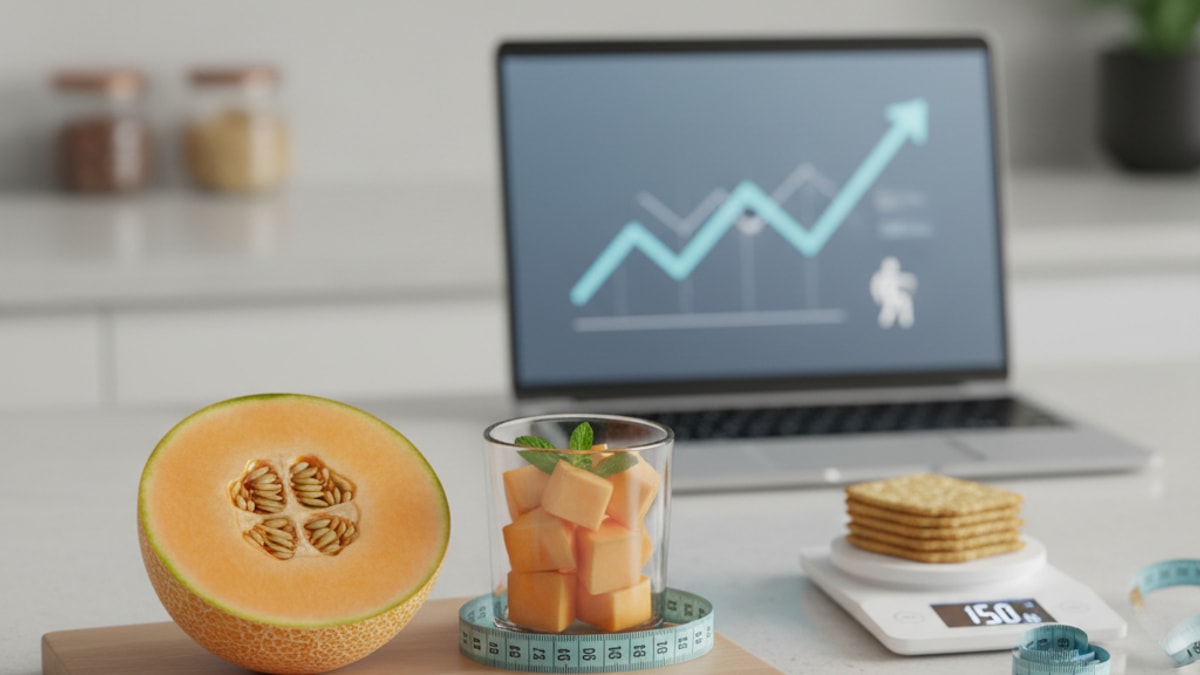
Let's start with a question we hear all the time, in one form or another. Amidst the noise of complex diets, high-tech fitness trackers, and groundbreaking medical treatments, can something as simple as a fruit really make a difference in a weight loss journey? It’s a fair question. When you're navigating a path as personal and challenging as weight management, you want to know which tools are genuinely effective and which are just background noise.
So, is cantaloupe good for weight loss? The short answer is a resounding yes. But honestly, the short answer is never the full story. As a team deeply invested in the science of metabolic health and sustainable weight management, we believe in looking past the simple yes or no. The real value lies in understanding the why and the how. It’s about seeing how a humble melon can be a powerful ally, especially when integrated into a structured, medically-supervised program. It's not about magic; it's about strategy.
The Nutritional Story of Cantaloupe
Before we dive into the mechanics of weight loss, let's get granular about what you’re actually eating. A single cup of cubed cantaloupe isn't just a sweet snack; it's a nutritional powerhouse hiding in plain sight. It’s a classic case of nature packing a whole lot of good into a simple, delicious package.
Here’s a quick rundown of what one cup (about 156 grams) typically offers:
- Calories: Around 53-60. That's incredibly low. It’s a number that gives you profound flexibility in your daily caloric budget.
- Water Content: This is the big one. Cantaloupe is about 90% water. We'll come back to why this is a critical, non-negotiable element for weight loss in a moment.
- Fiber: Roughly 1.4 grams. While not the highest-fiber fruit out there, this contribution is still significant for digestion and, more importantly, for satiety—the feeling of being full and satisfied.
- Sugar: About 12-13 grams. Now, before you panic at the word 'sugar,' it's crucial to differentiate. This is naturally occurring fructose, bundled with fiber and water, which means your body processes it very differently than the refined sugar in a can of soda. The fiber buffers the sugar's absorption, preventing the dramatic blood sugar spikes that can lead to cravings and energy crashes.
- Vitamins & Minerals: It’s loaded. You’re getting over 100% of your daily recommended intake of Vitamin A (in the form of beta-carotene) and a hefty dose of Vitamin C, both powerful antioxidants. It also provides a solid amount of potassium, an electrolyte vital for balancing fluids and supporting muscle function.
Our team has found that people often get fixated on a single number, like sugar or carbs, without seeing the full picture. The synergy of high water, decent fiber, and low calories is what makes cantaloupe such a strategic choice. You're not just consuming calories; you're consuming volume, hydration, and micronutrients. That's a triple threat.
How Cantaloupe Directly Fuels Your Weight Loss Efforts
Okay, so the nutritional panel looks good. But how does that translate into actual, tangible results on your weight loss journey? This is where the science of physiology and psychology intersect, and our experience shows this is where the real magic happens.
First, let's talk about hydration. It’s a point we can't stress enough. Mild, chronic dehydration can slow your metabolism and is often misinterpreted by the brain as hunger. Think about that. You reach for a snack when what your body actually needs is water. By eating a water-rich food like cantaloupe, you're tackling both hydration and hunger in one go. It’s an efficient, two-for-one solution that helps keep your metabolic engine running smoothly and your hunger cues honest.
Then there's the concept of volumetric eating. This isn't a fad diet; it's a scientifically-backed principle of feeling full on fewer calories by choosing foods with high water and fiber content. A cup of cantaloupe takes up a good amount of space in your stomach, triggering stretch receptors that send signals of fullness to your brain. Compare that to a handful of pretzels with the same calorie count. The pretzels disappear in a minute and leave you wanting more. The cantaloupe provides a satisfying, substantial snack that actually registers as a 'meal' to your body. It's a psychological win that is absolutely critical for long-term adherence to any eating plan.
And let's be honest, cravings are a formidable opponent in any weight loss battle. The natural sweetness of cantaloupe can be a lifesaver when a sugar craving hits. It provides that sweet taste you're looking for without the empty calories and blood sugar rollercoaster of processed sweets. Swapping a cookie for a bowl of fresh, chilled cantaloupe isn't about deprivation; it's a strategic upgrade. You satisfy the craving, hydrate your body, and load up on vitamins. Over time, these small, smart swaps compound into significant, sometimes dramatic, progress.
Cantaloupe vs. Other 'Diet-Friendly' Fruits
It’s helpful to see how cantaloupe stacks up against other popular fruit choices. There are no 'bad' fruits, but some are more strategically aligned with weight loss goals than others. Context is everything. Here’s a simple comparison our nutritionists often use to illustrate this point.
| Fruit (1 cup serving) | Approx. Calories | Approx. Sugar (g) | Approx. Fiber (g) | Key Advantage for Weight Loss |
|---|---|---|---|---|
| Cantaloupe | 55 | 12 | 1.4 | Excellent balance of low calories, high water content, and satisfying volume. Rich in Vitamins A & C. |
| Watermelon | 46 | 9 | 0.6 | Extremely hydrating and very low in calories, but less fiber means it might not keep you full for as long. |
| Strawberries | 49 | 7 | 3 | Higher in fiber and lower in sugar, making it fantastic for blood sugar management. A top-tier choice. |
| Apple (sliced) | 65 | 13 | 3 | High in satisfying pectin fiber and offers a great crunch, but slightly more calorie-dense than melons. |
| Banana (sliced) | 133 | 22 | 3.9 | Much more calorie- and sugar-dense. Better for fueling workouts than as a low-calorie snack for sedentary moments. |
What we've learned is that variety is crucial, but understanding the specific strengths of each option allows you to make better choices in the moment. Craving pure hydration on a hot day? Watermelon is great. Need something to really tide you over until your next meal? An apple or strawberries might be better. Cantaloupe sits in a beautiful sweet spot—offering fantastic hydration, great volume, and a satisfying sweetness that makes it an incredibly versatile player on your team.
The Bigger Picture: Food as a Tool in a Medical Weight Loss Program
Here’s the unfiltered truth: no single food, not even one as great as cantaloupe, is a silver bullet for weight loss. It's a fantastic tool, but a tool is only as effective as the strategy it's part of. This is where the conversation shifts from simple diet tips to a comprehensive, science-backed approach to weight management.
At TrimrX, we work with individuals who are ready to move beyond the cycle of yo-yo dieting. Our approach integrates lifestyle and nutritional coaching with the most advanced medical treatments available, including GLP-1 medications like Semaglutide and Tirzepatide. These treatments are game-changers. They work with your body's own hormones to regulate appetite, reduce food noise, and help you feel full faster and for longer.
So where does cantaloupe fit into this advanced framework? It becomes even more important. When a medication like Semaglutide is helping you manage your appetite, the quality of the food you do choose to eat is paramount. Your body might be asking for less food, so you need to make every calorie count. A nutrient-dense, high-water, low-calorie food like cantaloupe is a perfect fit. It helps you stay hydrated (a common side effect of GLP-1s can be dehydration), provides essential vitamins, and gives you that feeling of fullness without overloading your system with calories. It supports the medication's work, ensuring your body gets the nourishment it needs while it recalibrates its metabolic set point.
This is the synergy we aim for. The medication provides the powerful biological support to overcome hormonal hurdles, while smart nutritional choices provide the fuel and building blocks for a healthy body. It's a holistic system. Thinking about how your biology impacts your weight loss journey is the first step. If you're curious about whether a medical approach is a good fit for you, you can Take Quiz to get a better understanding of your options.
Common Missteps: How to Eat Cantaloupe the Right Way
Even with the best of intentions, it's possible to undermine the benefits of a healthy food. We've seen it happen. Here are a few common pitfalls to avoid when incorporating cantaloupe into your diet.
First, portion control still matters. Yes, it's low in calories, but the calories aren't zero. Eating an entire melon in one sitting is not the goal. A serving is typically one to two cups. Stick to that. Use measuring cups for a few days until you can accurately eyeball what a proper portion looks like. This discipline is foundational to long-term success.
Second, think about what you pair it with. While cantaloupe is great on its own, its benefits can be amplified by pairing it with a source of protein or healthy fat. This helps to further slow the absorption of its natural sugars and dramatically increases its satiety power. Think a cup of cantaloupe with a side of Greek yogurt, a scoop of cottage cheese, or a small handful of almonds. This turns a light snack into a robust mini-meal that can keep you full for hours. It’s a simple tweak that makes a world of difference.
Finally, and this is a big one, always choose the whole fruit over the juice. Cantaloupe juice, like most fruit juices, is a completely different beast. The juicing process strips away the fiber—the very thing that makes the fruit so beneficial for weight loss. Without the fiber, you're left with a concentrated shot of sugar that can spike your blood glucose and leave you feeling hungry again shortly after. Always eat your fruit, don't drink it.
Our Professional Recommendations for Making Cantaloupe Work for You
So, how can you seamlessly integrate this wonderful fruit into your daily routine? It's easier than you think. Our team recommends focusing on consistency rather than perfection.
Start your day with it. Adding a cup of cantaloupe to your breakfast provides instant hydration and starts your day on a nutrient-rich, low-calorie note. It pairs beautifully with eggs, yogurt, or even a protein shake.
Use it as a pre- or post-workout snack. Its water and potassium content are excellent for rehydration and replenishing electrolytes after exercise. Plus, its natural sugars provide a quick, easily digestible source of energy to refuel your muscles.
Make it your go-to dessert. Instead of reaching for ice cream or cookies after dinner, have a bowl of chilled cantaloupe. It's refreshing, sweet, and satisfies that post-meal craving for something sweet without derailing your progress. You can even freeze cubes of cantaloupe and blend them for a sorbet-like treat. Simple, right?
This is what sustainable weight loss looks like. It's not about enduring a miserable, restrictive diet. It's about finding healthy, delicious foods you genuinely enjoy and learning how to incorporate them strategically into your life. It’s about building a system of support, both through nutrition and, when necessary, through medical science. When you're ready to build that comprehensive system, our team is here to guide you. You can Start Your Treatment whenever you feel prepared to take that next, definitive step.
Ultimately, cantaloupe is more than just a sweet, orange fruit. It's a symbol of how simple, intelligent choices can have a profound impact on a complex journey. It’s a hydrating, satisfying, nutrient-dense ally that can help you feel fuller, manage cravings, and stay nourished. While it won't do the work for you, it makes the work easier, more enjoyable, and far more sustainable. And in the challenging, often moving-target objective of weight loss, having a reliable tool like that in your arsenal is an undeniable advantage.
Frequently Asked Questions
Can I eat cantaloupe every day for weight loss?
▼
Absolutely. Eating cantaloupe daily is a great way to boost hydration and vitamin intake while keeping calories low. As with any food, variety is important for a balanced diet, but its daily inclusion is perfectly healthy and supportive of weight loss goals.
Does cantaloupe have too much sugar for a weight loss diet?
▼
This is a common concern our team addresses. The sugar in cantaloupe is naturally occurring and comes packaged with fiber and water, which slows its absorption and prevents blood sugar spikes. In moderation, it’s an excellent way to satisfy sweet cravings healthily.
What is the best time of day to eat cantaloupe for weight loss?
▼
There’s no single ‘best’ time, but we’ve found it’s particularly effective as a morning snack to hydrate or in the afternoon to prevent the 3 p.m. slump. It can also be a smart, light dessert to curb evening sugar cravings.
Will eating a lot of cantaloupe make me gain weight?
▼
It’s very difficult to gain weight from cantaloupe due to its high water content and low calorie density. You would have to eat an enormous quantity. Sticking to a reasonable portion of 1-2 cups is a safe and effective strategy.
How does cantaloupe help with water retention?
▼
Cantaloupe is rich in potassium, an electrolyte that helps balance fluids in the body by counteracting sodium. Its high water content also helps flush out excess sodium, making it a great food for reducing bloating and water retention.
Is cantaloupe a good snack for someone on Semaglutide (Ozempic/Wegovy)?
▼
Yes, it’s an ideal choice. GLP-1 medications like Semaglutide reduce appetite, so it’s crucial to choose nutrient-dense foods. Cantaloupe provides hydration, vitamins, and volume with very few calories, which perfectly complements the effects of the treatment.
Can I eat the seeds of the cantaloupe?
▼
Yes, cantaloupe seeds are edible and nutritious, containing protein, fiber, and healthy fats. You can rinse, dry, and roast them with a little salt for a crunchy snack, similar to pumpkin seeds.
How do I pick a good, sweet cantaloupe at the store?
▼
Look for a cantaloupe that feels heavy for its size and has a strong, sweet, slightly musky smell at the stem end. The ‘netting’ on the rind should be well-defined and the color underneath should be a creamy beige, not green.
Does cantaloupe help boost metabolism?
▼
While no single food can dramatically ‘boost’ metabolism, cantaloupe supports metabolic function. Its high water content is essential for all metabolic processes, and being properly hydrated helps your body operate at its best.
Is frozen cantaloupe as healthy as fresh?
▼
Yes, freezing cantaloupe preserves most of its nutrients. It’s a fantastic option for making smoothies or a healthy, sorbet-like dessert. Just be sure to buy frozen cantaloupe with no added sugars or syrups.
What’s a good protein to pair with cantaloupe?
▼
Our team recommends pairing it with cottage cheese, Greek yogurt, prosciutto, or a small handful of nuts like almonds or walnuts. These protein sources enhance satiety and help stabilize blood sugar for longer-lasting energy.

Transforming Lives, One Step at a Time
Keep reading

What to Do With a Full Pantry You No Longer Eat From
Sort it into three piles rather than clearing it all out: donate, keep, and discard. The mistake most people make is emptying the whole…

How to Handle a Business Dinner When the Client Orders for the Table
This is the one dining situation where your usual tools do not work. You cannot order a starter as your main, cannot ask for…
How to Handle Group Dinners Where Everyone Shares Plates
Shared dining is generally easier than a fixed plate, not harder, and it is worth going in with that framing. When everyone is taking…


