Is Avocado Good for Weight Loss? Our Experts Weigh In
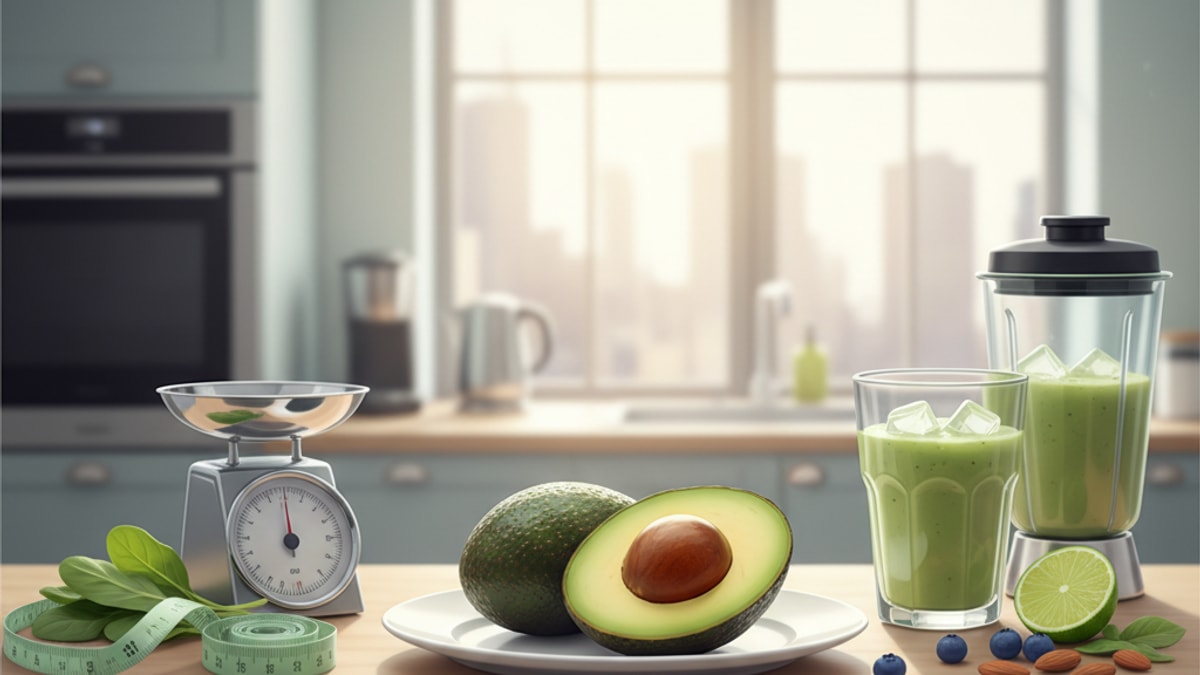
It's the question we hear all the time in consultations, see debated in health forums, and watch clients grapple with. The avocado. Is it a weight loss superfood or a high-calorie diet-wrecker hiding in plain sight? The confusion is completely understandable. On one hand, it’s a fruit packed with nutrients. On the other, its fat and calorie content can make anyone on a weight loss journey pause.
Here at TrimrX, our entire approach is grounded in medical science and real-world results. We guide patients through comprehensive weight loss programs, often incorporating advanced GLP-1 medications, and a huge part of that journey is demystifying nutrition. It’s not just about what to avoid; it’s about understanding what to embrace and how to embrace it. So, let’s settle the debate. We're going to break down everything you need to know about the role of avocado in a sustainable, effective weight loss plan.
The Avocado Paradox: High Fat, High Hopes
For decades, we were all told one thing: fat is the enemy. The low-fat craze of the 80s and 90s left a lasting scar on our collective nutritional psyche, leading many to believe that avoiding fat at all costs was the key to losing weight. We now know this is a deeply flawed, oversimplified view. It's becoming increasingly clear that the type of fat matters far more than the total amount.
This is where the avocado makes its grand entrance. It’s undeniably high in fat. A medium-sized avocado can pack around 240 calories and 22 grams of fat. If you're only looking at the numbers, it's easy to dismiss it. But that's a mistake. The vast majority of that fat is monounsaturated—specifically, an omega-9 fatty acid called oleic acid. This is the same heart-healthy fat that gives olive oil its stellar reputation.
Our team has found that this mental shift from fat-phobic to fat-selective is one of the most significant hurdles for people to overcome. But once they do, it's a game-changer. Why? Because these healthy fats play a critical, non-negotiable role in our bodies. They support brain health, help reduce bad cholesterol levels, and are essential for absorbing fat-soluble vitamins like A, D, E, and K. When you cut them out, you’re not just cutting calories; you’re cutting out fundamental building blocks for your health.
So, the paradox isn't really a paradox at all. It's a lesson in nuance. Avocado's high fat content isn't a liability; it's its greatest asset, provided you understand how to leverage it.
Breaking Down the Nutritional Powerhouse
Beyond its healthy fats, an avocado is a sprawling portfolio of essential nutrients. It's less of a simple fruit and more of a multi-vitamin disguised as a creamy, delicious food. Let's look beyond the fat content for a moment.
A single avocado contains a formidable amount of dietary fiber—about 10 grams for a medium one. That’s nearly 40% of the recommended daily intake for women and about 30% for men. We can't stress this enough: fiber is a weight loss champion. It adds bulk to your meals, which helps you feel full, but it also slows down digestion. This slow-release mechanism prevents the dramatic blood sugar spikes and crashes that lead to cravings and overeating. It’s a slow burn, not a flash in the pan.
And there’s more. Avocados are loaded with potassium, a mineral crucial for regulating fluid balance and blood pressure. In fact, they contain more potassium than a banana. This is particularly important because many processed foods are high in sodium, and a proper potassium-sodium balance is vital for cardiovascular health. Our experience shows that as people lose weight, focusing on these underlying health markers—not just the number on the scale—creates a foundation for long-term success.
They're also a fantastic source of:
- Vitamin K: Essential for blood clotting and bone health.
- Folate: Critical for cell function and tissue growth.
- Vitamin C: A powerful antioxidant that supports the immune system.
- Vitamin B5 & B6: Important for energy production and brain function.
- Vitamin E: Another antioxidant that protects cells from damage.
This incredible nutrient density is what makes the avocado so valuable. When you’re in a calorie deficit for weight loss, every single calorie needs to count. You want to fuel your body with the most nutrition possible. An avocado delivers on that promise, providing healthy fats, fiber, and a host of vitamins and minerals that support your body’s functions while you work toward your goals.
The Science of Satiety: How Avocados Keep You Full
This is where it gets interesting. The most common feedback we get from patients who successfully incorporate avocado into their diet is, "I just don't feel as hungry." This isn't a placebo effect; it's pure biology.
The combination of fat and fiber is a powerful one-two punch against hunger. Satiety—the feeling of being full and satisfied—is a complex process regulated by hormones. When you eat, your digestive system sends signals to your brain to let it know you've had enough. Foods that are digested too quickly (like refined carbs and sugary snacks) don't give these signals enough time to work, which is why you can eat a large bag of chips and still feel hungry for more.
Avocados do the exact opposite. The fiber swells in your stomach, physically taking up space and creating a sense of fullness. Simultaneously, the monounsaturated fats trigger the release of hormones like cholecystokinin (CCK), which directly tells your brain that you're satisfied. This effect is not subtle. One study published in the Nutrition Journal found that participants who added half an avocado to their lunch reported a 40% decreased desire to eat over a three-hour period compared to those who ate a standard lunch.
Think about it in practical terms. You have a plain salad for lunch. It’s low-calorie, sure, but by 3 PM, you’re wrestling with the vending machine. Now, add a quarter of a sliced avocado to that same salad. The meal is suddenly more satisfying, more substantial. That small addition can be the difference between sticking to your plan and succumbing to an afternoon energy crash fueled by office snacks. It’s a strategic move that pays dividends for hours.
Avocado vs. Other "Healthy" Fats: A Clear Look
It’s helpful to see how avocados stack up against other popular sources of healthy fats. Each has its place, but the avocado's unique composition gives it a distinct advantage in a weight loss context. Our team put together this simple comparison to clarify the differences.
| Fat Source | Primary Fat Type | Key Nutrients Beyond Fat | Best Use for Weight Loss | Our Take |
|---|---|---|---|---|
| Avocado | Monounsaturated | High Fiber, Potassium, Folate, Vitamin K | As a food component to boost satiety in meals (salads, toast, smoothies) | The gold standard for nutrient density. Its unique combination of fat and fiber makes it exceptionally good at promoting fullness, which is a massive win for appetite control. |
| Olive Oil | Monounsaturated | Vitamin E, Antioxidants (Polyphenols) | As a dressing or for cooking to replace saturated fats like butter | An excellent source of healthy fat, but it lacks the fiber that makes avocado so filling. It's a fantastic addition, but not a direct replacement for the whole fruit. |
| Almonds (Nuts) | Monounsaturated | Fiber, Protein, Magnesium, Vitamin E | As a portion-controlled snack to bridge meals | A great choice, offering protein and fiber. However, they are incredibly calorie-dense and very easy to overeat. Portion control is absolutely critical here. |
| Chia Seeds | Polyunsaturated (ALA) | Extremely High Fiber, Protein, Calcium, Omega-3s | Added to liquids (yogurt, smoothies, water) where they expand and create a gel-like texture | A fiber superstar. Chia seeds are fantastic for adding bulk and omega-3s, but they don't provide the same creamy, satisfying mouthfeel as avocado. They serve different roles. |
As you can see, while all these foods are healthy, the avocado offers a unique package. It delivers the satisfying creaminess of fat along with the hunger-blunting power of fiber in a way that the others don't. This makes it an incredibly versatile and effective tool.
The Calorie Question We Can't Ignore
Let’s be honest, this is crucial. We can talk about nutrient density and satiety all day, but at the end of it, calories still matter for weight loss. You can’t eat five avocados a day and expect the pounds to melt off. That's the reality.
The key isn't avoidance; it's strategic implementation. A serving of avocado is typically considered to be about one-quarter to one-half of a fruit. That's around 60-120 calories. The mistake we see people make is adding avocado on top of their existing diet rather than using it as a replacement for less healthy fats or empty carbohydrates.
Here’s what we mean:
- Don't: Have your usual buttered toast and then add avocado.
- Do: Swap the butter for mashed avocado. You're replacing a saturated fat with a nutrient-dense monounsaturated fat and fiber.
- Don't: Drench your salad in a creamy, high-calorie dressing and then add avocado.
- Do: Use a simple vinaigrette and let the creamy avocado provide the satisfying texture.
- Don't: Eat a bag of tortilla chips with a giant bowl of guacamole.
- Do: Use sliced cucumbers, bell peppers, or carrots to dip into a portion-controlled amount of guacamole.
This replacement mindset is everything. By making smart swaps, you enhance the nutritional value of your meal and increase satiety without sending your calorie count through the roof. It’s about working smarter, not just eating less.
Integrating Avocados into a Medically-Supervised Plan
Now, this is where a holistic approach really shines. For many of our patients at TrimrX, their weight loss journey is supported by GLP-1 medications like Semaglutide and Tirzepatide. These treatments are incredibly effective at regulating appetite and improving metabolic health by working with the body's natural hormone systems.
But medication is only one piece of the puzzle. The goal of these treatments is to provide a powerful tool that allows patients to build sustainable, healthy habits for life. This is where nutrient-dense foods like avocado become so important. When your appetite is naturally reduced by a GLP-1, the quality of the food you choose to eat becomes even more critical. Your body needs high-quality fuel to thrive.
Avocados fit perfectly into this model. They provide lasting energy, essential nutrients, and the kind of satisfaction that prevents feelings of deprivation. When you feel full and nourished, you're far more likely to make better food choices consistently. The medication helps control the 'noise' of constant cravings, and a well-formulated nutrition plan provides the 'signal' of true, healthy nourishment. They work in tandem. A comprehensive approach is what truly drives success. If you're wondering how a medical plan could transform your journey, it's worth seeing if you're a candidate. You can Take Quiz on our site to get started.
Practical Ways to Eat Avocado Without Derailing Your Progress
Knowing avocado is good for you is one thing. Knowing how to fit it into your daily life is another. Here are some simple, practical strategies our team recommends:
- For Breakfast: Forget the butter or cream cheese. Mash a quarter of an avocado onto a slice of whole-grain or sourdough toast. Top it with a sprinkle of red pepper flakes or a everything bagel seasoning for a savory, filling start to your day. You can also add a scoop to your smoothie for a creamy texture and a dose of healthy fats without altering the flavor much.
- For Lunch: It’s the ultimate salad upgrade. Adding sliced avocado to a bed of greens with lean protein (like grilled chicken or chickpeas) turns a light lunch into a satisfying meal that will power you through the afternoon. It can also replace mayonnaise in tuna or chicken salad, cutting down on saturated fat while boosting nutrients.
- For Dinner: Use it as a cooling, creamy topping for spicy dishes like black bean soup, chili, or tacos. You can even blend it with lime juice, cilantro, and a little water to create a creamy, dairy-free sauce to drizzle over grilled fish or chicken.
- As a Snack: Sometimes simple is best. A few slices of avocado with a squeeze of lime and a pinch of sea salt can be a perfect snack to curb hunger between meals.
The theme here is versatility. Avocado isn't just for guacamole. It's a functional ingredient that can add richness, texture, and a massive nutritional boost to almost any meal of the day.
So, is avocado good for weight loss? The answer is a resounding yes—with a crucial condition. It is an exceptional tool when used strategically. It is not a magic bullet. Its power lies in its ability to nourish your body, keep you feeling full and satisfied, and replace less healthy options in your diet. When you harness that power correctly, the avocado transforms from a high-calorie fear into one of your most valuable allies on the path to sustainable weight loss.
It’s about more than just one food. It’s about building a pattern of eating that supports your goals, your health, and your life. It's about clarity and confidence in your choices. If you're tired of the guesswork and ready to build a plan that truly works for you, we're here to help. Start Your Treatment Now and see what a science-backed, comprehensive approach can do.
Frequently Asked Questions
How much avocado should I eat per day for weight loss?
▼
We generally recommend sticking to about one-quarter to one-half of a medium avocado per day. This provides the benefits of its healthy fats and fiber without adding an excessive number of calories to your daily intake.
Will eating avocado make me gain weight?
▼
No single food will make you gain weight on its own. Weight gain is about overall calorie balance. If you incorporate avocado strategically, often as a replacement for less healthy fats, it can actually support weight loss by increasing satiety.
Does avocado specifically burn belly fat?
▼
No food can ‘spot reduce’ fat from a specific area. However, the monounsaturated fats in avocados are linked to better overall metabolic health and can be part of a diet that leads to a reduction in abdominal fat as you lose weight overall.
Can I eat avocado every day while trying to lose weight?
▼
Absolutely. As long as you’re mindful of your portion size and it fits within your total daily calorie goals, eating avocado every day is a fantastic way to consistently get healthy fats, fiber, and important nutrients.
What’s the best time of day to eat avocado for weight loss?
▼
There’s no ‘best’ time. Many people find it helpful at breakfast or lunch because its high satiety factor can help prevent overeating later in the day. The most important thing is fitting it into your meal plan whenever it works best for you.
Is avocado keto-friendly?
▼
Yes, avocado is very keto-friendly. It’s high in healthy fats and very low in net carbs (total carbs minus fiber), making it an ideal food for those following a ketogenic diet.
How does avocado fit with a GLP-1 medication plan?
▼
Avocado is an excellent food to include with a GLP-1 treatment plan. Since these medications reduce appetite, it’s vital that the food you do eat is nutrient-dense. Avocado provides essential nutrients and satiety, supporting your health while the medication helps with appetite control.
What’s better for weight loss, avocado or a banana?
▼
They serve different purposes. Avocados provide fat and fiber for long-lasting satiety, while bananas provide carbohydrates for quick energy. For sustained fullness, which is key for weight loss, avocado often has the edge.
Is guacamole healthy for weight loss?
▼
Homemade guacamole made with simple ingredients like avocado, lime juice, onion, and cilantro is very healthy. The key is what you eat it with. Swap tortilla chips for fresh vegetables like bell peppers, carrots, or cucumbers for a low-calorie, high-nutrient snack.
Can I eat the avocado seed or pit?
▼
Our team does not recommend this. While there is some research into compounds found in avocado pits, there is currently not enough evidence to confirm they are safe or beneficial for human consumption. It’s best to stick to the fruit’s flesh.
How do I know if an avocado is ripe?
▼
A ripe avocado will yield to gentle pressure in your palm but won’t feel mushy. The color can also be an indicator; for Hass avocados, the skin typically darkens from green to a purplish-black as it ripens.
Will eating avocado at night make me gain weight?
▼
The timing of your calorie consumption is far less important than your total calorie intake over 24 hours. Eating avocado at night won’t inherently cause weight gain as long as it fits within your daily calorie budget.

Transforming Lives, One Step at a Time
Keep reading

Obesity and Low Testosterone
**Can obesity cause low testosterone?** Yes. Obesity can lower testosterone, and the relationship often runs in both directions.

Top 6 Best Weight Loss Medications in 2026
Prescription weight loss medication has gone mainstream. What was once a quiet corner of obesity medicine is now one of the most talked-about categories…

Top 8 Best Telehealth for Weight Loss in 2026
Finding the best telehealth for weight loss used to be a time-consuming process that involved hours of research, murky pricing pages, and a fair…


