How to Eat Chia Seeds for Weight Loss: A Pro’s Guide
Look around any health-focused corner of the internet, and you'll see them. Tiny, unassuming black and white seeds touted as a miracle food. Chia seeds. They're in puddings, smoothies, and sprinkled on just about everything. The buzz is undeniable, particularly around the question of how to eat chia seeds for weight loss. But let’s be honest, in a world saturated with superfood hype, it's easy to be skeptical. Is this just another trend, or is there something real here?
At TrimrX, our team spends every day navigating the complex science of weight management. We work with individuals on medically-supervised programs, utilizing advanced treatments like GLP-1 medications to achieve significant, sustainable results. So, when we look at something like chia seeds, we don't just see a trendy ingredient. We see a nutritional tool with specific, scientifically-backed mechanisms. Our goal here isn't to sell you on a miracle seed. It's to give you our professional, unfiltered take on how this powerful food can genuinely support a serious weight loss journey—and, just as importantly, where its limitations lie.
So, What's the Real Deal with Chia Seeds and Weight Loss?
Let's cut right to the chase. Chia seeds aren't magic. They don't burn fat or miraculously melt pounds away while you sleep. We can't stress this enough. Their power lies in something far more practical and, frankly, more important for long-term success: appetite control and nutritional density.
It all comes down to their unique composition. These tiny seeds are a powerhouse of three critical components for weight management:
- Soluble Fiber: This is the star of the show. Chia seeds are incredibly rich in soluble fiber, which has a profound effect on how you feel after a meal. We'll dive deeper into this in a moment, but this is the primary mechanism behind their effectiveness.
- Plant-Based Protein: While not as high as a chicken breast, they offer a respectable amount of protein, another key nutrient for promoting satiety and maintaining muscle mass during weight loss.
- Omega-3 Fatty Acids: Specifically, they contain alpha-linolenic acid (ALA), a healthy fat that supports overall wellness and can help reduce inflammation, a factor often linked to weight gain.
When you combine these three elements, you get a food that helps you feel fuller, for longer, on fewer calories. It's not a metabolic trick; it's a simple, powerful strategy of displacement. By incorporating chia seeds, you're naturally inclined to consume less of other, more calorie-dense foods. That's the key. It's a tool for managing the single biggest hurdle in any weight loss plan: hunger.
The Science of Satiety: Why Chia Seeds Keep You Full
Ever dropped a spoonful of chia seeds into a glass of water? If you have, you've witnessed their superpower firsthand. They're hydrophilic, meaning they love water. A lot. A single seed can absorb up to 10-12 times its weight in liquid, transforming from a tiny, crunchy speck into a gelatinous bead.
This transformation is everything.
When you consume properly hydrated chia seeds, that same process happens in your stomach. They expand and form a thick, gel-like substance. This gel does two remarkable things. First, it physically takes up space, contributing to a feeling of fullness. Second, and this is the crucial part our team often explains to patients, it significantly slows down the digestion of your meal. It creates a sort of viscous barrier in your gut, slowing the conversion of carbohydrates into sugar.
This has a cascade of positive effects. Your blood sugar levels remain more stable, preventing the sharp spikes and subsequent crashes that trigger intense cravings and energy slumps. That 3 p.m. urge for a sugary snack? A chia-fortified lunch can make that a thing of the past. You feel satisfied and energized for hours, not just minutes. This sustained feeling of fullness, or satiety, is the cornerstone of successful, long-term weight management. It's not about willpower; it's about biology. It’s about giving your body the signals it needs to stop asking for more food.
We've seen it work. Managing hunger isn't just about comfort; it's about creating the caloric deficit needed for weight loss without feeling deprived and miserable. It’s a critical, non-negotiable element of any successful plan.
How to Prepare Chia Seeds: The Do's and Don'ts
This is where most people go wrong. You can't just sprinkle dry chia seeds on your yogurt like they're sesame seeds and expect the best results. In fact, eating a large quantity of them dry can be a choking hazard and lead to digestive distress as they absorb water in your esophagus or gut. Proper preparation is non-negotiable for both safety and effectiveness.
You have to let them soak. Give them time to absorb liquid and form that beneficial gel before you eat them. Our team has found that the method of preparation can make a significant difference in how effective they are for appetite control.
Here’s a breakdown of the most common and effective methods we recommend:
| Preparation Method | How It Works | Best For | Our Team's Insight |
|---|---|---|---|
| Chia Pudding | Soaking seeds overnight in milk (dairy or plant-based) until a thick, pudding-like consistency forms. | Breakfast, snacks, or dessert. Excellent for meal prepping. | This is the gold standard for satiety. The thick texture is incredibly satisfying and can keep you full for hours. It’s our top recommendation. |
| Chia Gel | Whisking seeds into water (approx. 1:6 ratio) and letting it sit for 15-20 minutes to form a thick gel. | Adding to smoothies, oatmeal, yogurt, or even as an egg substitute in baking. | A versatile, pre-made option to have in the fridge. It mixes into other foods seamlessly without altering the flavor profile much. |
| Soaked in Drinks | Simply adding seeds to water, juice, or iced tea and letting them soak for at least 10 minutes before drinking. | A quick hydration and fiber boost. Great for curbing mid-afternoon hunger pangs. | Effective, but can be less satisfying than pudding for some. Be sure to stir well to prevent clumping. The texture can take getting used to. |
| In Smoothies | Blending soaked chia gel or dry seeds directly into your smoothie. | A simple way to add fiber, protein, and healthy fats to a morning smoothie. | If adding dry seeds, blend immediately and drink fairly quickly, as the smoothie will continue to thicken as it sits. Adding pre-made gel is often better. |
Seriously, don't skip the soaking step. It unlocks the full potential of the seeds and makes them work for you, not against you.
Simple, Effective Recipes for Your Daily Routine
Knowing how to prepare them is one thing; actually incorporating them into a grueling schedule is another. The best habits are the easy ones. Here are a few dead-simple ideas our team suggests to get started.
The Morning Kickstart Chia Pudding
This is the easiest meal prep you'll ever do. In a jar or container, combine:
- 2 tablespoons of chia seeds
- 1/2 cup of unsweetened almond milk (or milk of your choice)
- 1/2 teaspoon of vanilla extract
- A tiny pinch of cinnamon
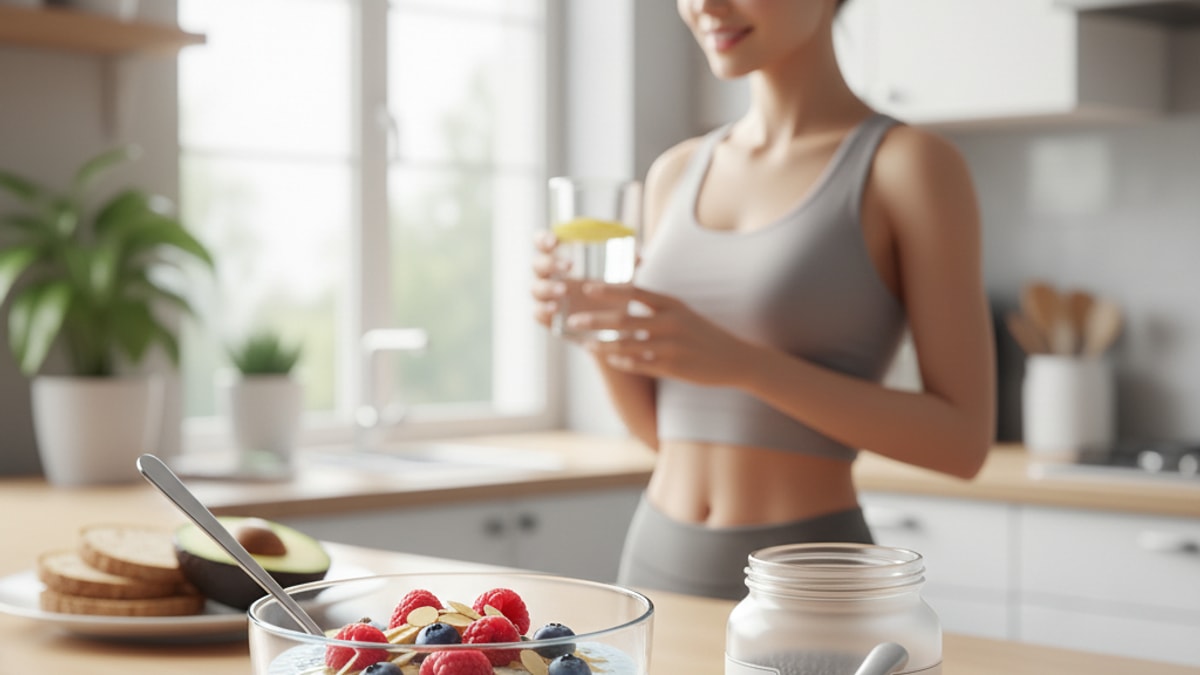
Shake it or stir it well, then let it sit for 5 minutes and stir again to break up any clumps. Cover it and stick it in the fridge overnight. In the morning, you'll have a thick, ready-to-eat pudding. Top it with a handful of berries and a few slivered almonds for extra flavor and nutrients. It’s a breakfast that can genuinely keep you full until lunch.
The 3 PM Hunger-Buster Drink
This is our emergency go-to for that afternoon energy slump. It’s incredibly simple. Fill a water bottle with cold water, add 1 tablespoon of chia seeds and a big squeeze of fresh lemon or lime juice. Shake it vigorously and let it sit for 10-15 minutes, shaking it every few minutes to keep the seeds from clumping at the bottom. Drink it slowly. It rehydrates you and provides a fiber-rich buffer that crushes cravings before they even start.
It works.
Supercharged Smoothie Booster
Instead of just throwing dry seeds into your blender, try this. First, add your liquid (water, almond milk), then add 1-2 tablespoons of chia seeds. Let them sit in the liquid for 5-10 minutes while you gather your other ingredients (spinach, protein powder, frozen berries). This gives them a head start on gelling up. Then add everything else and blend as usual. The result is a smoother, thicker smoothie that has significantly more staying power.
Common Mistakes to Avoid When Using Chia Seeds for Weight Loss
As with any powerful tool, there's a right way and a wrong way to use it. Our experience shows that a few common pitfalls can undermine your efforts or even cause discomfort. Here’s what to watch out for.
Mistake 1: Too Much, Too Soon.
Chia seeds are incredibly high in fiber. A standard two-tablespoon serving contains around 10 grams, which is a significant portion of your recommended daily intake. If your digestive system isn't used to that much fiber, jumping in with a large serving can lead to bloating, gas, and general discomfort. Start with one teaspoon a day and gradually increase your intake over a week or two. And remember to drink plenty of water throughout the day to help the fiber do its job properly.
Mistake 2: Forgetting They Have Calories.
Yes, they are a 'superfood,' but they are not a 'free food.' Two tablespoons of chia seeds pack about 130-140 calories. While these are nutrient-dense calories, they still count. Piling chia pudding on top of your regular high-calorie breakfast isn't a weight loss strategy; it's just adding more calories. The idea is to use chia seeds to replace or reduce other, less nutritious calories in your diet. Portion control is still king.
Mistake 3: Relying on Chia Seeds Alone.
This is the most critical mistake we see. We can't stress this enough: chia seeds are a fantastic supplement, but they are not a comprehensive weight loss plan. They can't overcome a consistently poor diet, a lack of physical activity, or underlying metabolic factors that make weight loss so challenging for many people.
They are one tool in the toolbox. A very good tool, but just one. For individuals who have struggled to see results with diet and exercise alone, a more structured, medically-supervised approach is often the missing piece of the puzzle. If you've been doing all the 'right' things but the scale isn't moving, it might be time to look deeper. Understanding your unique biology is the first step, and you can Take Quiz to see if a medical weight loss program is right for you.
Beyond the Scale: Other Health Perks of Chia Seeds
While we're focused on how to eat chia seeds for weight loss, it would be a disservice to ignore their other impressive health benefits. A holistic approach to wellness is always more sustainable. These seeds contribute to more than just a number on the scale.
- Heart Health: The high concentration of ALA omega-3s is fantastic for cardiovascular health. Studies have linked ALA intake to reduced blood pressure, cholesterol levels, and inflammation.
- Bone Health: Chia seeds are surprisingly rich in essential minerals for bone density, including calcium, phosphorus, and magnesium. In fact, ounce for ounce, they contain more calcium than most dairy products.
- Improved Gut Microbiome: The fiber in chia seeds acts as a prebiotic, feeding the beneficial bacteria in your gut. A healthy gut microbiome is linked to everything from improved immunity to better mental health.
Seeing these seeds as part of an overall health upgrade, rather than just a weight loss hack, can help you build a more consistent and positive relationship with them.
Integrating Chia Seeds into a Medically-Supervised Plan
Now, this is where it gets interesting. How does a simple food like chia seeds fit into a high-tech, medical weight loss program like the ones we facilitate at TrimrX? The answer is: perfectly.
Our patients utilize powerful, FDA-registered GLP-1 medications like Semaglutide and Tirzepatide. These treatments work on a hormonal level to regulate appetite and blood sugar, leading to significant weight loss. But the medication is just one part of the equation. Sustainable success requires building healthy lifestyle habits that will last a lifetime.
This is where tools like chia seeds become invaluable. For our patients, we often recommend incorporating high-fiber, high-satiety foods to complement their treatment. Here's why:
- Enhanced Satiety: While GLP-1s reduce appetite, eating foods that are physically filling, like chia pudding, helps reinforce that feeling of fullness and satisfaction.
- Nutritional Support: During weight loss, it's vital to get enough nutrients. Chia seeds provide a concentrated source of fiber, protein, healthy fats, and minerals, helping to fill any potential nutritional gaps.
- Habit Formation: The ultimate goal is to transition to a point where weight can be maintained without medication. Learning to use foods like chia seeds to manage hunger naturally is a critical skill for long-term maintenance.
Think of it this way: the medication provides the powerful biological push needed to get the weight loss process started and overcome metabolic roadblocks. The dietary strategies, including the smart use of chia seeds, are the habits you build along the way to ensure the results stick. They work in concert. If you're ready to move beyond just dietary tweaks and explore a powerful, medically-guided path that combines the best of science and nutrition, you can Start Your Treatment with our team. It’s about creating a comprehensive, personalized strategy.
Ultimately, chia seeds are an excellent addition to almost any weight loss effort. They are a simple, natural, and effective way to manage hunger, stabilize energy levels, and boost your overall nutrient intake. They aren't a shortcut, but they are a legitimate and scientifically-supported tool.
The journey to sustainable weight loss is about building an entire arsenal of these tools—from foundational nutrition to powerful medical science—and learning how to use them together to finally achieve the lasting health and results you deserve.
Frequently Asked Questions
How much chia seeds should I eat per day for weight loss?
▼
We generally recommend starting with one tablespoon (about 10-12 grams) per day and gradually working up to two tablespoons. This amount provides significant fiber to aid in satiety without overwhelming your digestive system.
Can I eat chia seeds every day?
▼
Yes, it is generally safe for most people to eat chia seeds every day as part of a balanced diet. Consistency is key for reaping the benefits of increased fiber and appetite control, so daily consumption is often ideal.
Is it better to eat chia seeds in the morning or at night?
▼
Many people prefer eating them in the morning, such as in a pudding or smoothie, to promote fullness and prevent overeating throughout the day. However, there’s no wrong time; eating them with any meal can help increase satiety.
Do I absolutely have to soak chia seeds before eating them?
▼
Yes, we strongly recommend it. Soaking allows them to form their beneficial gel, which aids in digestion and satiety. Eating large amounts of dry chia seeds can be a choking hazard and may cause digestive discomfort.
Can chia seeds cause bloating or gas?
▼
They can, especially if you introduce a large amount of this high-fiber food too quickly. Start with a small serving, like one teaspoon, and increase your intake gradually over a week while ensuring you drink plenty of water.
Will chia seeds alone make me lose weight?
▼
No. Chia seeds are a tool to help control appetite and add nutrients, but they are not a magic solution. Effective weight loss requires a comprehensive approach that includes a balanced diet, physical activity, and for many, a medically-supervised plan.
What’s the difference between black and white chia seeds?
▼
Nutritionally, there is virtually no difference between black and white chia seeds. They can be used interchangeably in all recipes. The choice is purely based on aesthetic preference.
How long does it take to see results from eating chia seeds?
▼
You’ll feel the effects on satiety almost immediately after your first meal. However, seeing results on the scale depends on your overall diet and lifestyle. Chia seeds support the process, but the timeline for weight loss is individual.
Can I add chia seeds to hot drinks like coffee or tea?
▼
You can, but the texture can be tricky. They will gel much faster in hot liquid and can sometimes form clumps. It’s often better to make a chia gel with water first and then stir a spoonful into your hot beverage.
Are chia seeds a good source of protein?
▼
They contain a good amount of plant-based protein, about 4-5 grams per two-tablespoon serving. This contributes to their ability to keep you full and helps support muscle maintenance during weight loss.
Do chia seeds expire? How should I store them?
▼
Yes, they can go rancid over time due to their high fat content. Store them in a cool, dark, and dry place in an airtight container. They can last for a couple of years when stored properly.
Can you eat too many chia seeds?
▼
Yes, it’s possible. Consuming excessive amounts can lead to digestive issues like bloating and constipation due to the massive fiber load. Sticking to a moderate serving of 1-2 tablespoons per day is a safe and effective amount for most people.

Transforming Lives, One Step at a Time
Keep reading

What to Do With a Full Pantry You No Longer Eat From
Sort it into three piles rather than clearing it all out: donate, keep, and discard. The mistake most people make is emptying the whole…

How to Handle a Business Dinner When the Client Orders for the Table
This is the one dining situation where your usual tools do not work. You cannot order a starter as your main, cannot ask for…

How to Handle Group Dinners Where Everyone Shares Plates
Shared dining is generally easier than a fixed plate, not harder, and it is worth going in with that framing. When everyone is taking…


