Strattera and Weight Loss: What Our Medical Experts Have Seen
Does Strattera Cause Weight Loss?
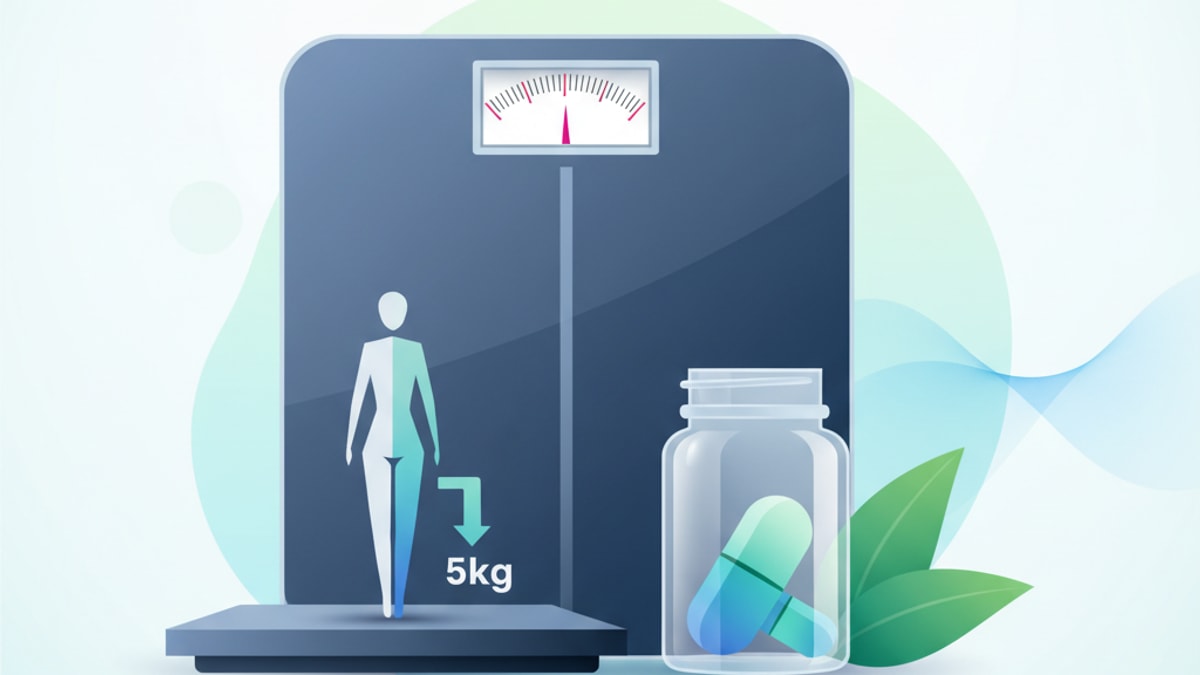
It’s a question our team hears quite often, whispered in forums and asked directly during consultations about overall wellness. You start taking a medication for one reason—in this case, managing ADHD—and you notice a change in a completely different area of your life. The numbers on the scale start to tick downward. So, you wonder: does Strattera cause weight loss?
The short answer is yes, it certainly can. But that's a deceptively simple answer to a much more nuanced question. We've seen firsthand that understanding the 'why' and the 'how' is absolutely critical. Strattera (atomoxetine) is not a weight loss drug, and using it as one is a misguided, often ineffective strategy. Here at TrimrX, where we focus on medically-supervised, sustainable weight management using targeted therapies, we believe in clarity. It's our job to help you understand the full picture, so let's unpack what’s really happening when someone experiences weight changes on this medication.
First, What Exactly is Strattera?
Before we can talk about its side effects, we need to be on the same page about its primary function. Strattera is a brand name for the drug atomoxetine, and it stands apart in the world of ADHD treatments. Why? Because it’s a non-stimulant.
Most people associate ADHD medication with stimulants like Adderall or Ritalin. These drugs work primarily by increasing the levels of dopamine and norepinephrine in the brain. They’re effective, but they also come with a specific set of side effects and a potential for dependency. Our team often consults with individuals looking for alternatives precisely for these reasons.
Strattera carved out a different path. It's a selective norepinephrine reuptake inhibitor (NRI). Let's break that down. Norepinephrine is a neurotransmitter and a hormone that plays a key role in the brain's attention and executive function circuits. It helps regulate focus, alertness, and impulse control—all formidable challenges for someone with ADHD. An NRI, like Strattera, works by preventing the reabsorption (or 'reuptake') of norepinephrine by nerve cells in the brain. This leaves more of it available to transmit messages between neurons. The result is improved focus and reduced hyperactivity and impulsivity. It’s a more subtle, gradual mechanism than that of stimulants, which is why it can take several weeks to feel the full therapeutic effects.
This distinction is crucial. It's not creating a surge of neurochemicals; it's optimizing the ones you already have. And it’s this specific focus on norepinephrine that opens the door to its other, unintended effects on the body. Including your weight.
The Real Connection: How Strattera Can Lead to Weight Loss
So, we've established that weight loss is a known side effect. Clinical studies and post-market reporting confirm it. But our professional observation is that the experience is highly individual. Some people notice a significant drop, others a slight dip, and some experience no change at all. A few even report weight gain, though this is far less common.
The mechanism isn't a mystery; it’s directly tied to what norepinephrine does outside of the brain's attention centers. We've found it boils down to two primary factors.
First, and most significantly, is appetite suppression. Norepinephrine is a major player in the body's 'fight-or-flight' response. Think about a time you were truly stressed or anxious—was food the first thing on your mind? Probably not. Elevated levels of this neurotransmitter can send signals to your brain that effectively dampen hunger cues. It doesn't magically burn fat, but it can make you feel less interested in eating. You might feel full faster, forget to eat a meal, or simply have smaller portions because the driving urge for food just isn't as strong. It's a very real physiological response. Our team has seen this manifest as patients simply reporting that food has lost some of its appeal.
Second, there's a potential impact on metabolism. The same system that governs your fight-or-flight response also helps control your metabolic rate. By increasing the amount of available norepinephrine, Strattera can give your sympathetic nervous system a gentle, persistent nudge. This can lead to a slight increase in thermogenesis (the body's heat production) and overall energy expenditure. It’s not a dramatic, fat-melting effect by any means. It's subtle. But when you combine a slightly faster metabolism with a notably reduced appetite, the result is a caloric deficit. And a caloric deficit, sustained over time, leads to weight loss. That’s the simple math behind the change.
But we can't stress this enough: This is a side effect. It's a secondary consequence of a drug designed to recalibrate brain chemistry for focus, not to re-engineer body composition.
Strattera vs. Stimulants: A Weight-Focused Comparison
When people think of ADHD meds and weight loss, their minds usually go straight to stimulants. It’s a well-known phenomenon. So how does Strattera’s effect compare? It's a different beast entirely. We've put together a simple table to highlight the key distinctions our team frequently explains to patients.
| Feature | Strattera (Atomoxetine) | Stimulants (e.g., Adderall, Ritalin) |
|---|---|---|
| Drug Class | Non-Stimulant (NRI) | Stimulant (Amphetamine/Methylphenidate) |
| Primary Mechanism | Selectively increases norepinephrine | Increases dopamine and norepinephrine |
| Onset of Action | Gradual (2-4 weeks) | Rapid (within an hour) |
| Impact on Appetite | Moderate suppression, often subtle | Strong, often dramatic suppression |
| Impact on Metabolism | Mild increase in metabolic rate | Significant increase in metabolic rate |
| Nature of Weight Loss | Generally modest and can be temporary | Often more pronounced, but can also wane |
| Potential for Abuse | Low | High |
As you can see, while both can lead to weight loss, the intensity and mechanism are different. Stimulants deliver a much stronger, one-two punch to appetite and metabolism because they also heavily involve dopamine, a key player in the brain's reward and motivation systems. The appetite suppression from stimulants is often so profound that it becomes a primary challenge of treatment, especially for children and adolescents who need adequate nutrition for growth.
Strattera’s effect is gentler. It’s less of a sledgehammer and more of a persistent tap on the shoulder. For some, that’s all it takes to shift the caloric balance. For many others, the effect is negligible or fades over time as the body acclimates to the new normal of norepinephrine levels. This brings us to a critical point.
Is Weight Loss from Strattera Sustainable?
Honestly, no. Not in the way you'd want from a true weight management strategy.
Our experience shows a very common pattern. A person starts Strattera, and within the first few months, they might lose five, ten, maybe fifteen pounds. They're pleased with the unexpected bonus. But then, things level off. The body is a master of adaptation; it strives for homeostasis. Over time, it can become less sensitive to the appetite-suppressing and metabolism-boosting effects of the medication. The initial weight loss plateaus, and sometimes, the weight slowly creeps back on, even while the person continues to take the same dose for their ADHD.
This is because the body was never the intended target. You're trying to use a key meant for an ignition in a door lock. It might jiggle it open once or twice, but it's not the right tool for the job, and it won't work reliably.
True, sustainable weight loss requires a strategy that addresses the complex interplay of hormones, metabolism, and behavior over the long term. Relying on a side effect is, by its very nature, an unreliable and short-sighted approach. It doesn't teach new habits, it doesn't fundamentally reset the body's metabolic set point, and its effectiveness is often fleeting. It creates a false sense of progress that evaporates when the body's compensatory mechanisms kick in.
When Sustainable Weight Loss is the Real Goal
This is where we need to have a frank conversation. If you're reading this article not because you're concerned about a side effect but because you're actively looking for a medication to help you lose weight, then you're looking in the wrong place. And that's okay. Recognizing you need a more powerful tool is the first step.
In the world of medicine and biotechnology, incredible advancements have been made in understanding the specific biological pathways that regulate body weight. We've moved beyond relying on incidental side effects. Today, we have medications that are specifically engineered to work with your body's natural systems to achieve meaningful, lasting weight loss. This is the core of our work at TrimrX.
The most revolutionary of these are the GLP-1 (glucagon-like peptide-1) receptor agonists, like Semaglutide and Tirzepatide. These aren't stimulants. They're not NRIs. They are sophisticated therapies that mimic a natural gut hormone to regulate appetite and blood sugar in a powerful, targeted way.
Here’s how they're different:
- Targeted Action: GLP-1s directly target the appetite control centers in your brain (specifically, the hypothalamus), sending powerful satiety signals. This is far more direct and effective than the secondary appetite suppression from Strattera.
- Blood Sugar Control: They improve insulin sensitivity and help regulate blood sugar, which is a critical component of metabolic health and can reduce cravings for high-glycemic foods.
- Gastric Emptying: They slow down how quickly your stomach empties. This means you feel physically fuller for much longer after a meal, naturally leading to reduced calorie intake without feeling deprived.
These mechanisms are designed for weight management. They are the right tool for the job. The results we see are not a side effect; they are the intended, primary therapeutic outcome. This approach provides a predictable, medically-supervised path to significant and, more importantly, sustainable health improvements. If you've been struggling with weight and are looking for a solution built for that exact purpose, it may be time to explore a modern, targeted approach. It all starts with understanding if you're a candidate. We've made it simple to find out if our program is right for you when you Take Quiz on our site.
Talking to Your Doctor is Non-Negotiable
Whether you're experiencing unintended weight loss on Strattera or you're considering a dedicated weight management therapy, the conversation must start with a healthcare professional. Self-medicating or altering dosages based on side effects is a dangerous game.
If you're on Strattera and the weight loss is concerning, be direct with your doctor. Track your food intake and weight so you can provide them with clear data. They need to ensure you're getting adequate nutrition and that the weight loss isn't a sign of another underlying issue. They might adjust your dose or explore other ADHD treatment options.
If you're interested in a medication like a GLP-1 for weight loss, a comprehensive medical evaluation is the first step. At TrimrX, our entire process is built around this principle. Our physicians review your health history to create a personalized, safe, and effective treatment plan. A medically-supervised program is the only responsible way to pursue this kind of therapy. It's about achieving your goals while prioritizing your health above all else. If you're ready to take that step, we encourage you to Start Your Treatment with our medical team.
So, does Strattera cause weight loss? Yes, the potential is there, rooted in its effects on norepinephrine. But it's a side street, not the main highway. The real journey to sustainable weight management involves targeted, modern therapies designed specifically for that purpose. Understanding the difference is everything. It’s about choosing the right path, with the right tools, to get you to your destination safely and effectively.
Frequently Asked Questions
How much weight can you typically lose on Strattera?
▼
The amount of weight loss varies greatly. Clinical studies show an average loss of a few pounds, but it’s highly individual. It’s not designed as a weight loss drug, so results are neither guaranteed nor consistent.
Does Strattera-induced weight loss last?
▼
Our experience shows that weight loss from Strattera is often temporary. The body tends to adapt to the medication over several months, causing the appetite suppression and metabolic effects to diminish, which can lead to weight returning to its baseline.
Can Strattera cause weight gain instead?
▼
While less common, a small percentage of users do report weight gain on Strattera. The reasons aren’t fully understood but could be related to individual metabolic responses or other lifestyle factors. It’s crucial to discuss any unexpected weight changes with your doctor.
Is it safe to take Strattera just for weight loss?
▼
Absolutely not. Taking any prescription medication for an off-label use without medical supervision is unsafe. Strattera has a specific purpose for treating ADHD and comes with its own set of potential side effects that make it unsuitable as a weight management tool.
How does weight loss from Strattera differ from GLP-1 medications like Semaglutide?
▼
Strattera causes weight loss as a secondary side effect by suppressing appetite via norepinephrine. GLP-1 medications are designed for weight loss; they work by mimicking gut hormones to directly regulate appetite in the brain, slow stomach emptying, and control blood sugar for a much more powerful and sustainable effect.
Does the weight loss effect of Strattera change with the dosage?
▼
Higher doses may have a more pronounced effect on appetite and metabolism initially. However, your doctor prescribes a dose based on ADHD symptom control, not for weight management. You should never alter your dose without explicit medical guidance.
What should I do if I’m losing too much weight on Strattera?
▼
Contact your prescribing physician immediately. Rapid or excessive weight loss can be harmful. Your doctor will need to assess your overall health, nutrition, and may need to adjust your treatment plan.
Will I gain weight if I stop taking Strattera?
▼
If you lost weight due to Strattera’s appetite-suppressing effects, it’s possible your appetite will return to its previous baseline when you stop. This could lead to regaining the weight if you don’t adjust your dietary and exercise habits accordingly.
Are children more likely to lose weight on Strattera than adults?
▼
Yes, studies show that weight loss and growth suppression can be more pronounced in children and adolescents taking Strattera. This is why pediatricians monitor height and weight very closely during treatment.
Does Strattera affect everyone’s appetite the same way?
▼
No, the effect is highly variable. Some people experience significant appetite suppression, while others notice only a minor change or none at all. It depends entirely on your individual neurochemistry and physiology.
Can Strattera help with binge eating disorder?
▼
Some research has explored this, but Strattera is not FDA-approved for treating binge eating disorder. While it might reduce appetite, other medications are specifically approved and studied for this purpose. Always consult a specialist for eating disorder treatment.

Transforming Lives, One Step at a Time
Keep reading

Obesity and Low Testosterone
**Can obesity cause low testosterone?** Yes. Obesity can lower testosterone, and the relationship often runs in both directions.

Top 6 Best Weight Loss Medications in 2026
Prescription weight loss medication has gone mainstream. What was once a quiet corner of obesity medicine is now one of the most talked-about categories…

Top 8 Best Telehealth for Weight Loss in 2026
Finding the best telehealth for weight loss used to be a time-consuming process that involved hours of research, murky pricing pages, and a fair…


