How Water Fuels Weight Loss: A Biotech Perspective
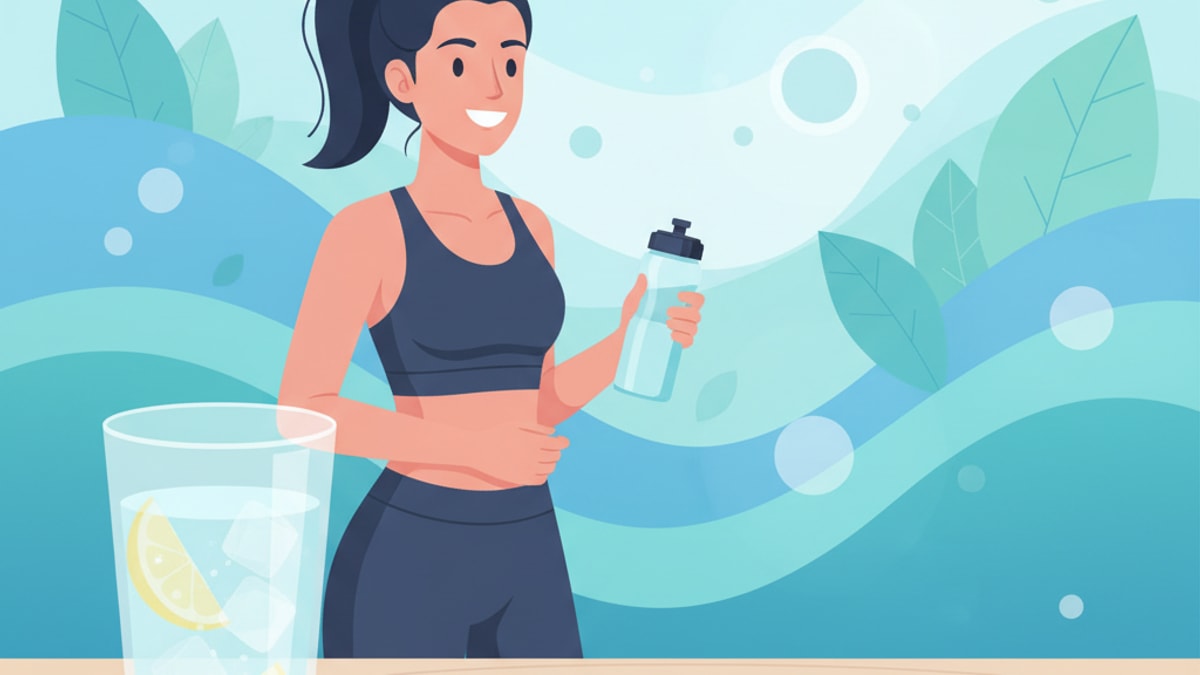
We've all heard the advice. It's so common, so ubiquitous, it's almost become background noise in the sprawling conversation about health: "Drink more water."
It's offered as a cure-all for everything from headaches to dull skin. And when it comes to weight loss, it's presented as the first, most fundamental rule. But let's be honest, for many people, it feels a bit… simplistic. Can something so basic, so readily available, truly move the needle on a challenge as formidable as significant weight loss? From our vantage point, working at the intersection of biotechnology and patient care, the answer is an unflinching, resounding yes. Water isn't just a passive participant in your weight loss journey; it's an active, powerful catalyst. It’s the essential solvent for the complex metabolic reactions that define your success.
It's So Much More Than Just Hydration
To really grasp how does water help with weight loss, you have to look past the surface-level idea of just quenching thirst. You need to see water for what it is: a critical operational fluid for the human body. Every single cell, tissue, and organ in your body needs water to function. When we talk about losing weight, we're really talking about a series of intricate biological processes—burning stored energy, transporting nutrients, eliminating waste. Water is the medium in which all of this happens.
Our team has found that patients who embrace a disciplined hydration strategy see a significant, sometimes dramatic shift in their results. This is especially true for individuals on advanced medical weight loss programs, like those utilizing GLP-1 medications. Why? Because these powerful treatments work by optimizing your body's own metabolic and hormonal systems, and those systems run on water. Deprive them of it, and you're essentially trying to drive a high-performance engine on low-grade fuel. It just won't perform at its peak.
It's not magic. It's biology.
The Metabolic Boost: How Water Ignites Your Calorie Burn
Here’s where things get interesting. Drinking water can actually increase your resting energy expenditure. That's the number of calories your body burns while completely at rest. This phenomenon is known as water-induced thermogenesis. When you drink water, especially cool or cold water, your body has to expend energy to warm it up to your core body temperature. It's a subtle effect, but it's real, and it adds up over time.
Studies have shown that drinking about 500 ml (around 17 ounces) of water can temporarily boost metabolic rate by up to 30%. The peak of this effect happens within an hour, but the cumulative impact over a day of consistent hydration is what matters. Imagine adding a small, effortless calorie burn to your daily routine, just by sipping water. It’s one of the simplest metabolic hacks available. And another consideration: a well-hydrated body is simply more efficient at everything it does, including metabolizing stored fat for energy. Dehydration, even mild dehydration, can cause your metabolism to become sluggish. We've seen it in clinical data. When hydration levels drop, metabolic function follows suit. Keeping your tank full ensures your metabolic engine is always primed and ready to go.
Natural Appetite Suppression: The Fullness Factor
This is perhaps the most straightforward way water aids in weight management. Hunger and thirst are controlled by the same part of the brain (the hypothalamus), and sometimes, the signals get crossed. You feel hungry, you reach for a snack, but what your body was actually asking for was water. Our experience shows that teaching patients to pause and drink a full glass of water when they feel hunger pangs can be a game-changing habit. Often, the 'hunger' simply vanishes.
Drinking a glass of water before a meal is another powerful strategy we recommend. It physically takes up space in your stomach, contributing to a sense of satiety. This concept, known as gastric distention, sends signals to your brain that you're getting full. The result? You naturally tend to eat less during the meal without feeling deprived. It’s not about restriction; it’s about working with your body's own feedback loops. One study demonstrated that adults who drank water before meals lost 44% more weight over a 12-week period than those who didn't. That's a staggering difference for such a simple change.
This isn't just theory. We see this play out constantly. Patients who struggle with portion control or constant snacking often find that a rigorous water schedule is the key to finally getting a handle on their eating patterns. It empowers them to differentiate between true, physiological hunger and the phantom signals driven by dehydration or habit.
Enhancing Lipolysis: The Key to Breaking Down Fat
Now, this is where our biotech perspective really comes into focus. Weight loss isn't just about calories in, calories out. It's about hormonal signaling and metabolic pathways. The primary process for breaking down stored fat is called lipolysis. In this process, triglycerides stored in your fat cells (adipocytes) are broken down into glycerol and fatty acids, which can then be used for energy.
Here's the critical, non-negotiable element: lipolysis is a hydrolysis reaction. That means it literally requires a water molecule to break down the fat. If you are dehydrated, your body's ability to mobilize and burn its own fat stores is fundamentally impaired. You can be doing everything else right—perfect diet, consistent exercise, even utilizing advanced medications—but if your hydration is poor, you're putting a biochemical roadblock in front of your own progress.
Think of it this way: your body wants to release stored fat, but it can't complete the chemical transaction without sufficient water. It's like trying to make coffee without hot water. You have the beans, you have the machine, but the essential ingredient is missing. We can't stress this enough: for fat loss to occur efficiently, your body must be in a hydrated state.
Water's Role in a Medically-Supervised Weight Loss Journey
At TrimrX, we specialize in medically-supervised weight loss programs that leverage cutting-edge GLP-1 medications like Semaglutide and Tirzepatide. These treatments are incredibly effective because they work on a hormonal level to regulate appetite, improve insulin sensitivity, and promote a feeling of fullness. They are a powerful tool. But a tool is only as good as the person using it, and the environment it's used in.
Water is a foundational part of that environment. For our patients, proper hydration isn't just a suggestion; it's a core component of their treatment protocol. GLP-1 medications can sometimes have side effects like nausea or constipation, especially in the beginning. We've found, unequivocally, that robust hydration is one of the most effective ways to mitigate these side effects. It aids digestion, keeps things moving through the GI tract, and helps the body process the medication more smoothly.
Furthermore, as you lose weight, your body releases metabolic byproducts from the breakdown of fat. Water is essential for your kidneys to filter these waste products out of your bloodstream and excrete them through urine. Without enough water, these byproducts can build up, putting a strain on your system and making you feel sluggish and unwell. A clean, well-hydrated system is a system that loses weight more effectively and feels better while doing it. If you're ready to see how a comprehensive, medically-guided approach can transform your health, you can Start Your Treatment with us today.
Our approach integrates these biological realities into a cohesive plan. We don't just prescribe a medication; we provide a framework for success that includes nutritional guidance, lifestyle adjustments, and a heavy emphasis on fundamentals like hydration. It’s about creating the optimal internal environment for the medication to do its remarkable work. Curious if this approach is right for you? It takes just a few minutes to Take Quiz and find out.
Dehydration's Deceptive Signals: Thirst vs. Hunger
Let’s dive a little deeper into the crossed signals we mentioned earlier. The human body is an amazing machine, but it's not perfect. The neurological cues for early-stage dehydration are remarkably similar to the cues for mild hunger: a little fatigue, a slight headache, a feeling of emptiness in your stomach, maybe even a bit of irritability. It's becoming increasingly challenging to decipher these signals in our modern world of demanding schedules and constant distractions.
How many times have you reached for a bag of chips or a sugary coffee in the mid-afternoon, thinking you needed an energy boost? In a huge number of cases, what your body was actually crying out for was a simple glass of water. Our team often coaches patients to implement a 'water-first' rule. Before you eat anything outside of a planned meal, drink 12-16 ounces of water and wait 15 minutes. It's a simple diagnostic tool. More often than not, the craving or 'hunger' subsides, revealing itself as thirst in disguise. This single habit can eliminate hundreds of unnecessary calories from your daily intake, accelerating weight loss with almost zero effort.
It’s about re-learning your body's language. Once you start hydrating properly and consistently, you become more attuned to what true thirst feels like, and it becomes easier to distinguish it from actual hunger. This heightened body awareness is a skill that serves you long after you've reached your weight loss goal.
Hydration Strategies: Practical Tips from Our Team
Knowing you need to drink more water is one thing. Actually doing it consistently is another. A grueling road warrior hustle or back-to-back meetings can derail the best intentions. Here are some practical, field-tested strategies we share with our patients to make hydration a seamless part of their lives:
- Start Your Day with Water: Before coffee, before breakfast, before anything else, drink a large glass of water. You've just gone 6-8 hours without any fluid intake; your body is dehydrated. Rehydrating first thing in the morning kickstarts your metabolism and sets a positive tone for the day.
- The Carry-Everywhere Bottle: This is non-negotiable. Invest in a high-quality, reusable water bottle (we recommend at least 32 ounces) and make it your constant companion. If it's always within arm's reach, you'll find yourself sipping unconsciously throughout the day.
- Set Timed Reminders: Use your phone, smartwatch, or a simple kitchen timer. Set an alarm to go off every hour as a cue to drink some water. It might feel forced at first, but it quickly builds an automatic habit.
- Flavor It Naturally: If you find plain water boring, infuse it! Add slices of lemon, lime, cucumber, mint, or a handful of berries. It adds a refreshing taste without adding sugar or artificial chemicals. Avoid sugary 'water enhancers.'
- Eat Your Water: Many fruits and vegetables have incredibly high water content. Things like cucumber (96% water), celery (95%), watermelon (92%), and strawberries (91%) contribute to your overall hydration status.
| Hydration Source | Best For Weight Loss? | Our Team's Insight |
|---|---|---|
| Plain Water | Excellent | Zero calories, zero sugar. This should be your primary source of hydration, hands down. It's the gold standard for supporting metabolic function. |
| Sparkling Water | Good (Unsweetened) | A great alternative if you crave carbonation. Just ensure it's unsweetened. The bubbles can also enhance feelings of fullness for some people. |
| Herbal Tea | Good (Unsweetened) | Can be a comforting and flavorful way to hydrate. Peppermint, chamomile, and ginger teas are excellent choices. Watch out for added sugars. |
| Coconut Water | Use Sparingly | While it contains electrolytes, it also contains calories and sugar. It's better suited for rehydration after intense exercise than for daily sipping. |
| Sports Drinks | Avoid | These are designed for elite athletes undergoing prolonged, intense exertion. For most people, they are just a source of unnecessary sugar and calories. |
| Diet Sodas | Avoid | Zero calories, but artificial sweeteners can sometimes trigger sugar cravings and may have other negative impacts on gut health and metabolic signals. |
Beyond the Scale: Water's Impact on Energy and Performance
Finally, let's look beyond direct fat loss. A successful weight loss journey involves building a healthier, more active lifestyle. And for that, you need energy. Dehydration is a catastrophic energy thief. Even a 1-2% drop in your body's water levels can lead to a significant decrease in energy, focus, and physical performance.
When you're properly hydrated, your blood volume is optimal, allowing for efficient transport of oxygen and nutrients to your muscles and brain. This means you feel more alert, more focused, and have more stamina for workouts. A good workout burns calories, builds muscle (which boosts metabolism), and improves your mood. By simply staying hydrated, you are directly enabling the very activities that are essential for long-term weight management.
Think about it. On days when you're dehydrated, you're more likely to feel sluggish and skip your planned walk or gym session. You're more likely to experience brain fog and make poorer food choices. Hydration creates a positive upward spiral: you drink water, you feel more energetic, you move more, you make better decisions, and you see better results. It all connects. When you're ready to start that upward spiral, we're here to help you get started. Start Your Treatment Now and see what's possible.
Water is not a magic potion that will melt fat away on its own. It won't undo a poor diet or a sedentary lifestyle. But it is a foundational, powerful, and absolutely essential enabler of the entire weight loss process. It optimizes your metabolism, controls your appetite, facilitates the actual breakdown of fat, and gives you the energy to build a healthier life. It's the silent, hardworking partner to any effective weight loss strategy, from basic calorie counting to the advanced biotechnological treatments we specialize in at TrimrX. So go fill up your glass. Your results depend on it.
Frequently Asked Questions
How much water should I actually drink for weight loss?
▼
While the old ‘8 glasses a day’ rule is a decent starting point, individual needs vary. We often recommend a more personalized goal, such as half your body weight in ounces. For someone weighing 180 pounds, that would be 90 ounces of water per day.
Can drinking too much water be dangerous?
▼
Yes, though it’s rare. A condition called hyponatremia can occur when you drink an excessive amount of water, diluting the sodium levels in your blood. It’s most common in endurance athletes. For most people, thirst is a reliable guide to prevent overconsumption.
Does the temperature of the water matter for boosting metabolism?
▼
Drinking cold water does create a slightly greater thermogenic effect, as your body expends calories to warm it. However, the difference is minimal. The most important thing is drinking enough water consistently, so choose the temperature you’re most likely to drink.
Does sparkling water count towards my daily water intake?
▼
Absolutely. As long as it’s unsweetened and free of additives, sparkling water is just as hydrating as still water. For some, the carbonation can even help with feelings of fullness, which is an added bonus for appetite control.
Will drinking water help reduce water retention or bloating?
▼
It sounds counterintuitive, but yes. When you’re dehydrated, your body tends to hold on to every drop of water it can. Staying consistently hydrated signals to your body that it’s safe to release that stored fluid, which can help reduce bloating and water weight.
Is it true that water helps GLP-1 medications like Semaglutide work better?
▼
In our clinical experience, yes. Proper hydration is critical for mitigating common side effects like constipation and nausea. It also supports the kidney function needed to process metabolic byproducts as you lose fat, creating a better internal environment for the medication to be effective.
Can I get all my hydration from coffee and tea?
▼
While unsweetened tea and black coffee are mostly water, caffeine is a mild diuretic. We recommend prioritizing plain water as your main source of hydration and enjoying caffeinated beverages in moderation.
When is the best time of day to drink water for weight loss?
▼
The best strategy is to drink consistently throughout the day. However, drinking a large glass upon waking and about 20-30 minutes before each meal are two particularly effective times to kickstart metabolism and manage appetite.
How can I tell if I’m properly hydrated?
▼
The simplest way is to check your urine color. A pale yellow or straw color indicates good hydration. If it’s dark yellow or amber, you definitely need to drink more water. Feeling thirsty is actually a sign that you’re already mildly dehydrated.
Does adding lemon to my water really help with weight loss?
▼
Lemon water itself isn’t a magic weight loss drink. However, if adding a slice of lemon makes plain water more appealing and causes you to drink more of it, then it’s an excellent strategy for staying hydrated, which in turn supports weight loss.
Will I gain weight initially from drinking more water?
▼
You might see a temporary fluctuation on the scale as your body adjusts its fluid balance, but this is not fat gain. Consistent hydration actually helps your body release retained water over time, leading to a net loss of ‘water weight’.
Can water help get rid of cellulite?
▼
While water alone cannot eliminate cellulite, which involves fat deposits under the skin, it can help. Hydration improves skin elasticity and tone, which can potentially reduce the appearance of cellulite. It also supports the fat loss that is necessary to truly impact it.

Transforming Lives, One Step at a Time
Keep reading
Does Bupropion Cause Weight Gain or Loss?
Bupropion, better known by the name Wellbutrin, has been prescribed for depression for more than three decades. It is also used to treat seasonal…

Keto Diet for Beginners: Simple Guide to Get Started
The keto diet for beginners looks simple from the outside and feels messy from the inside. The rules fit on an index card: keep…

Top 5 Best Weight Loss Programs for Beginners in 2026
Starting a weight loss journey means sorting through GLP-1 medication ads, apps that gamify your groceries, and online weight management programs promising a doctor…


