Loose Skin After Weight Loss: How Much Is Too Much, Too Fast?
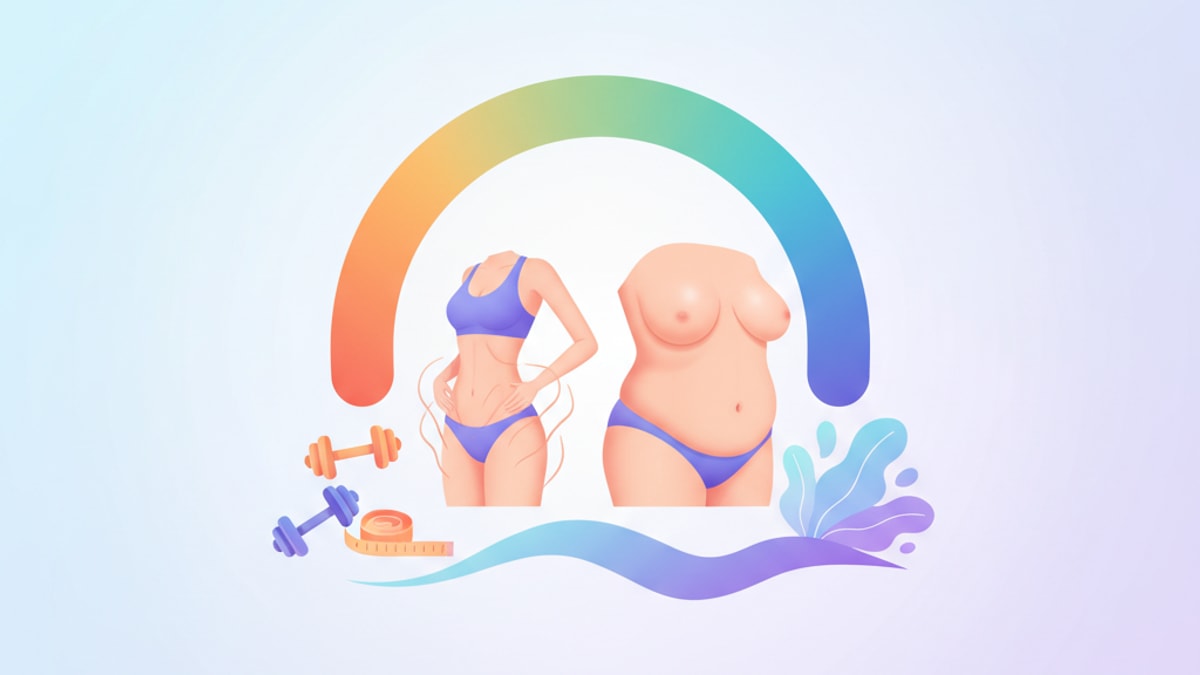
Let’s be honest. You’ve committed to a healthier life, you’re seeing incredible results, and you feel better than ever. But there’s a nagging concern in the back of your mind, a question that countless people on a significant weight loss journey ask: what about loose skin? It's a valid, incredibly common fear. You're working so hard for a body that feels strong and confident, and the thought of trading one insecurity for another can be genuinely disheartening.
Here at TrimrX, we talk with patients about this every single day. We understand that your weight loss journey is about more than just a number; it's about reclaiming your health and feeling comfortable in your own body. So, when it comes to the question of how much weight loss causes loose skin, our team believes in giving you an unflinching, science-backed answer. The truth is, it’s not as simple as hitting a specific number on the scale. It's a nuanced issue, a convergence of genetics, age, lifestyle, and—most critically—the way you lose the weight. That’s where we can help you navigate.
It's Not Just About the Number on the Scale
People want a magic number. They'll ask, "Will I get loose skin if I lose 50 pounds? What about 100?" If only it were that straightforward. Our experience working with thousands of patients has shown us that while the total amount of weight lost is a major factor, it's far from the only one. We've seen patients lose 80 pounds with minimal skin laxity, while others who lost 60 pounds struggled more. It’s a deeply individual outcome.
Think of your skin like a high-quality piece of elastic. When you're young, it can stretch and snap back with incredible resilience. But over time, or after being stretched to its limit for a prolonged period, that elasticity can diminish. Losing a significant amount of weight removes the underlying volume that was holding the skin taut. The skin, having been stretched for years, may not have enough of its own structural integrity to shrink back down completely.
This isn't a failure. It's biology.
Instead of focusing on a single number, we encourage our patients to look at the complete picture. The question isn't just how much weight you lose, but how fast you lose it, how long you were at a higher weight, your age, your genetics, and the health of your skin to begin with. Understanding these interconnected factors is the first step toward creating a strategy that supports not just weight loss, but your body's overall health, skin included.
The Science of Skin: Why Elasticity Matters
To really grasp the loose skin issue, we need to look at the structure of the skin itself. Your skin is a remarkable, sprawling organ. The key to its firmness and elasticity lies in the dermis, the layer beneath the surface. This layer is a matrix of fibers, primarily collagen and elastin.
Collagen provides structure and firmness. Think of it as the scaffolding that holds everything up. Elastin, as the name suggests, provides the snap-back quality. It allows your skin to stretch when you move and then return to its original shape. Together, they are the dynamic duo of youthful, taut skin.
When you gain weight, your skin has to stretch to accommodate the increased volume. Your body produces more skin cells, but the existing collagen and elastin fibers in the dermis are put under immense and constant tension. For people who have carried significant excess weight for many years, these fibers can become damaged, much like an elastic band that's been overstretched for too long. It loses its recoil.
Now, let's add age to the equation. After our mid-20s, our bodies' natural production of collagen begins to decline. It's a slow, gradual process, but by the time you're 40 or 50, that decline is significant. This means that if you're losing a lot of weight later in life, your skin simply doesn't have the same regenerative and structural resources it did when you were younger. Other factors like sun damage (a catastrophic force against collagen), smoking (which constricts blood flow and suffocates skin cells), and poor nutrition can further degrade this vital matrix.
So, when the fat volume is lost, the skin's ability to retract depends entirely on the health and integrity of its underlying collagen and elastin network. If that network is compromised by time, lifestyle, or the sheer duration and degree of stretching, it won't be able to shrink back to its former size. That's the biological reality of loose skin.
So, How Much Weight Loss Actually Causes Loose Skin?
Alright, let's get to the core of the question. While we've established there's no universal number, there are patterns and general thresholds our team has observed. Generally speaking, significant skin laxity becomes a more prominent concern for individuals who lose 100 pounds or more. For weight loss in the 50-100 pound range, the outcome is much more variable and depends heavily on the other factors we've discussed.
Losing less than 50 pounds, for most people, is less likely to result in noticeable, problematic loose skin, especially if the weight is lost at a steady, controlled pace. Your skin has a better chance to adapt.
The real game-changer here isn't just the total amount, but the rate of loss. This is a critical, non-negotiable element. Crash diets or extremely rapid weight loss protocols that cause you to shed 20-30 pounds in a single month are particularly harsh on the skin. This kind of precipitous drop in volume gives your skin virtually no time to adjust and retract. It's a shock to the system. We can't stress this enough: slower is often better for your skin.
This is a key reason why medically supervised programs, like the ones we offer at TrimrX using GLP-1 medications, can be so effective. Medications like Semaglutide and Tirzepatide work by regulating appetite and metabolism, leading to a natural and, more importantly, a sustainable rate of weight loss. It’s not about shocking your body into submission. It’s about working with your body’s own systems to achieve a healthy weight over a reasonable timeframe, giving your skin the best possible chance to keep up. It’s a smarter, more holistic approach to a difficult, often moving-target objective.
Key Factors That Influence Your Risk
Let's break down the variables that determine your individual outcome. Think of these as dials that can be turned up or down, influencing your propensity for loose skin.
1. Speed of Weight Loss: As we've covered, this is arguably one of the most significant factors you can control. A loss of 1-2 pounds per week is the gold standard recommended by most health professionals. This gradual reduction allows your skin's elastic components to adapt over time. Catastrophic, rapid weight loss from fad diets is the enemy of skin elasticity.
2. Total Amount Lost: This is simple physics. The more volume you lose, the more excess skin you're likely to have. Someone losing 150 pounds after bariatric surgery will face a fundamentally different challenge than someone losing 40 pounds for their health. It's a matter of scale.
3. Age: There's no getting around this one. A 25-year-old's skin has a much higher regenerative capacity and more abundant collagen than a 55-year-old's. This doesn't mean older individuals can't have great results, but it does mean they may need to be even more diligent with supportive strategies.
4. Genetics: This is the wild card. Some people are simply genetically blessed with more resilient, elastin-rich skin. You've probably met someone who seems to defy the rules—that's often genetics at play. Look at your family members; their experiences can sometimes offer clues, though it's never a guarantee.
5. Duration of Overweight/Obesity: How long the skin was stretched matters. If someone gained 80 pounds over two years and then lost it, their skin has a better chance of bouncing back than someone who carried that same excess weight for two decades. Long-term tension takes a greater toll on those crucial fibers.
6. Lifestyle Factors (Sun, Smoking, Nutrition): These are huge. Chronic sun exposure demolishes collagen. Smoking impairs circulation, robbing your skin of the oxygen and nutrients it needs to repair itself. A diet lacking in protein, vitamins (especially C and E), and hydration starves your skin of the building blocks it needs for renewal. These aren't minor details; they are foundational to skin health.
Can You Prevent Loose Skin During Weight Loss?
While you might not be able to completely prevent it, especially after massive weight loss, there are absolutely proactive steps you can take to mitigate the severity and support your skin's health. Our team always recommends a multi-pronged approach. This isn't about one magic bullet; it's about creating an ecosystem where your skin can thrive.
First and foremost: Prioritize Strength Training. This is non-negotiable. When you lose weight, you lose both fat and, unfortunately, some muscle. Building lean muscle mass helps to fill the space left behind by the fat. It provides a firm, toned foundation underneath the skin, which can dramatically improve its appearance. Think of it as providing internal support. It won't eliminate severe sagging, but for mild to moderate cases, it can make a world of difference. We've seen it work time and time again.
Second: Focus on a Protein-Rich Diet. Your skin is made of protein. Collagen is a protein. To rebuild and repair, your body needs the raw materials. Aim for adequate protein intake daily. In addition, focus on nutrients that support collagen synthesis, like Vitamin C (found in citrus fruits, bell peppers, and broccoli) and zinc (found in nuts, seeds, and lean meats).
Third: Hydrate Relentlessly. Well-hydrated skin is more pliable and resilient. Dehydration can make skin look more wrinkled and saggy than it actually is. Drinking plenty of water is one of the simplest and most effective things you can do for your skin's health during this transformation.
Fourth: Quit Smoking and Protect Yourself From the Sun. We have to say it again. If you're serious about your skin, these two habits are profoundly destructive. Smoking is like a direct assault on your skin's circulatory system, and UV radiation from the sun actively breaks down the collagen you're trying so hard to preserve. No cream or treatment can undo that kind of damage.
Comparing Skin Tightening Strategies: What Really Works?
So, you’ve lost the weight, you’ve followed the advice, but you’re still dealing with loose skin. What are your options? The market is flooded with promises, but the reality is more complicated. Our team believes in being transparent about what's possible.
Here’s a breakdown of common approaches:
| Strategy | How It Works | Effectiveness | Our Take |
|---|---|---|---|
| Topical Creams (Retinoids, Collagen) | Creams aim to hydrate the skin and, in the case of retinoids, may stimulate some minor collagen production over time. | Low. Mostly cosmetic and temporary improvement in texture and hydration. They cannot physically tighten significantly loose skin. | A good moisturizer is essential for skin health, but don't expect a cream to perform a surgical-level lift. Manage your expectations here. |
| Non-Invasive Treatments (Radiofrequency, Ultrasound) | These treatments use energy to heat the deeper layers of the skin, stimulating a wound-healing response that encourages new collagen production. | Mild to Moderate. Best for those with minimal to moderate laxity. Multiple sessions are required, and results are gradual and not permanent. | A viable option for someone with a small amount of loose skin on the abdomen or arms, but it's not a solution for significant sagging after massive weight loss. |
| Minimally Invasive Treatments (Microneedling) | Involves creating micro-injuries in the skin to trigger the body's natural collagen and elastin production. Often combined with radiofrequency. | Mild to Moderate. Similar in effect to other non-invasive treatments. Can improve skin texture and mild sagging over a series of treatments. | Can be a good supportive therapy, especially for facial skin or smaller areas, but it has its limits. |
| Surgical Body Contouring | Procedures like abdominoplasty (tummy tuck), brachioplasty (arm lift), and thigh lifts physically remove the excess skin and tighten the underlying tissues. | High. This is the only method that can effectively remove large amounts of excess skin and produce a dramatic, permanent change. | This is the gold standard for significant skin laxity. It's an invasive, serious surgery with a long recovery, but for the right candidate, it can be life-changing. |
The TrimrX Approach: A Smarter Path to Sustainable Results
Navigating a major weight loss journey is a formidable challenge. It requires commitment, resilience, and the right support system. Our entire philosophy at TrimrX is built around providing that support in a medically sound, sustainable way. We understand that your goal isn't just to lose weight quickly—it's to achieve a lasting, healthy transformation.
By using FDA-registered GLP-1 medications like Semaglutide and Tirzepatide under the guidance of our medical team, we help you achieve a steady and controlled rate of weight loss. This isn't a crash course. It's a managed process that gives your body, and your skin, the time it needs to adapt. This approach directly addresses the single biggest factor in preventing severe loose skin: the speed of the loss. When you avoid the dramatic weight fluctuations of yo-yo dieting, you protect your skin's integrity.
Furthermore, our program isn't just about a prescription. We provide the comprehensive support you need to build healthy habits that last. This includes nutritional guidance to ensure you're getting the protein and vitamins your skin needs, and encouragement to incorporate strength training to build that crucial underlying muscle. It's a holistic plan designed for a holistic result. If you're ready to start a journey that prioritizes your long-term health, we recommend you Take Quiz to see if you're a candidate.
Losing a significant amount of weight is a monumental achievement. It's a testament to your dedication to your health. Loose skin can feel like an unfair postscript to that success story, but it doesn't have to define your outcome. By understanding the science, focusing on a healthy rate of loss, and implementing supportive lifestyle strategies, you can take control of the process. And for those who need it, effective treatments are available. Your journey is about more than what you lose; it's about everything you gain. If you're ready to begin, you can Start Your Treatment with us today.
Frequently Asked Questions
Does drinking more water really help prevent loose skin?
▼
Yes, proper hydration is crucial for maintaining skin elasticity. While it won’t single-handedly prevent loose skin after massive weight loss, well-hydrated skin is more resilient and can appear plumper and healthier, which helps minimize the appearance of sagging.
Will my loose skin ever go away on its own?
▼
For mild cases, the skin may retract to some degree over a period of one to two years after weight stabilization. However, for significant amounts of loose skin resulting from major weight loss, it is very unlikely to fully tighten on its own without medical intervention.
At what age does skin lose its elasticity the most?
▼
Our bodies’ natural collagen production begins to decline in our mid-20s. This process accelerates significantly in our 40s and 50s, making it more challenging for skin to bounce back from weight loss during these decades compared to in our 20s or 30s.
Can exercise get rid of loose skin?
▼
Exercise, specifically strength training, can’t get rid of excess skin, but it can significantly improve its appearance. Building lean muscle mass underneath the skin provides a firmer foundation, helping to ‘fill out’ some of the looseness and create a more toned look.
Do collagen supplements work for tightening skin?
▼
The evidence on collagen supplements for skin tightening is still emerging and mixed. While some studies suggest they may improve skin hydration and elasticity, they are not a magic cure for significant sagging. Our team recommends focusing on a protein-rich diet as the primary source for collagen-building blocks.
Is loose skin a medical concern or just cosmetic?
▼
Primarily, it’s a cosmetic concern. However, in severe cases, large skin folds can lead to medical issues like rashes, infections, and chafing, which can interfere with hygiene and daily activities. In these instances, surgical removal may be deemed medically necessary.
How does a GLP-1 medication like Semaglutide affect skin during weight loss?
▼
GLP-1 medications like Semaglutide and Tirzepatide don’t directly affect the skin. Their benefit is indirect: they promote a steady, controlled rate of weight loss. This gradual pace is far less shocking to the skin than crash dieting, giving it a better opportunity to adapt and retract over time.
Does the location of fat matter for loose skin?
▼
Yes, it can. Areas where the skin is thinner and has been stretched more dramatically, like the abdomen, inner thighs, and upper arms, are often more prone to significant looseness after weight loss compared to areas with thicker skin.
Will I have loose skin on my face after losing weight?
▼
It’s possible, especially with very significant weight loss. Losing facial volume can lead to a hollowed look or increased appearance of jowls and fine lines. A slow rate of loss and good skincare can help mitigate this.
How long should I wait after stabilizing my weight before considering surgery?
▼
Most surgeons recommend waiting at least 6-12 months after your weight has been stable. This ensures your weight loss is complete and allows your skin the maximum amount of time to retract naturally before you make a surgical decision.
Are there any specific foods that are best for skin elasticity?
▼
Focus on a diet rich in high-quality protein (chicken, fish, legumes), Vitamin C (citrus, bell peppers), zinc (nuts, seeds), and healthy fats (avocado, olive oil). These nutrients are the essential building blocks for healthy collagen and elastin.
Can I get loose skin from losing just 30 pounds?
▼
It’s less likely, but possible depending on factors like age, genetics, and how quickly you lost the weight. For most people, weight loss under 50 pounds results in minimal to no problematic loose skin, especially if muscle mass is maintained through exercise.

Transforming Lives, One Step at a Time
Keep reading

Obesity and Low Testosterone
**Can obesity cause low testosterone?** Yes. Obesity can lower testosterone, and the relationship often runs in both directions.

Top 6 Best Weight Loss Medications in 2026
Prescription weight loss medication has gone mainstream. What was once a quiet corner of obesity medicine is now one of the most talked-about categories…

Top 8 Best Telehealth for Weight Loss in 2026
Finding the best telehealth for weight loss used to be a time-consuming process that involved hours of research, murky pricing pages, and a fair…


