Diarrhea & Weight Loss: What Your Body Is Really Trying to Tell You
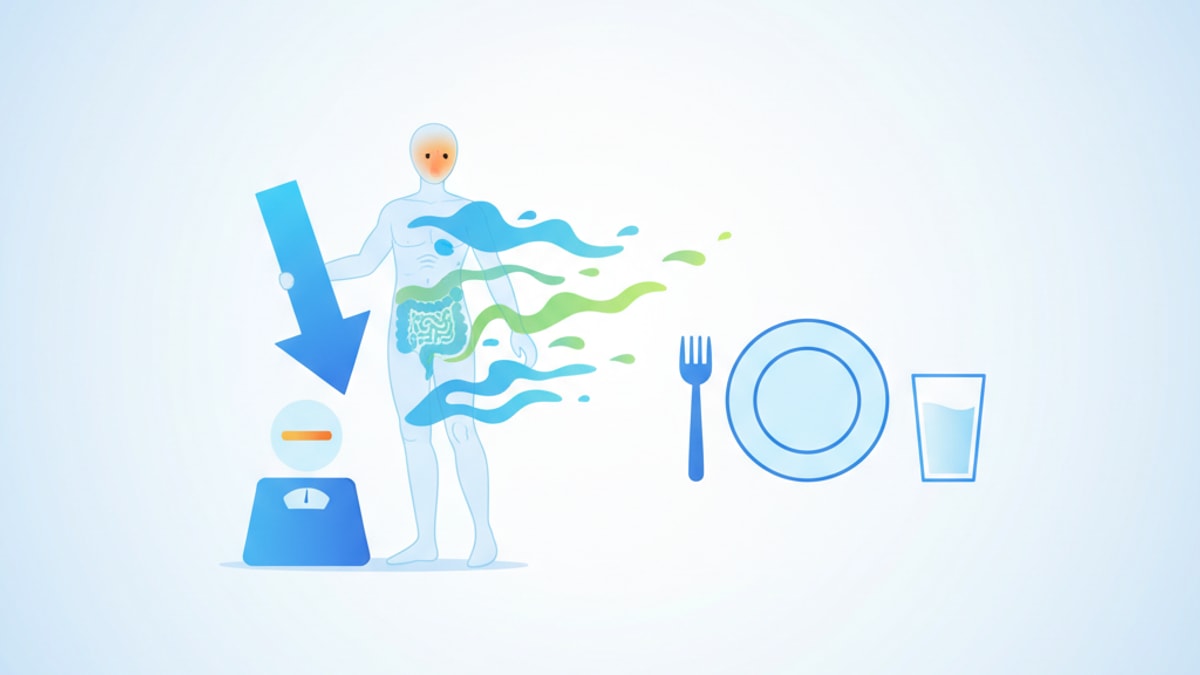
It’s a scenario many of us have experienced. After a rough couple of days with an upset stomach, you step on the scale and notice the number is a few pounds lower. For a moment, you might even feel a flicker of accomplishment. But we're here to tell you, with the full weight of our clinical experience, that this is one number on the scale you absolutely should not celebrate.
That drop isn't a sign of progress; it's a distress signal. It represents a temporary loss of water, electrolytes, and unabsorbed nutrients—not the sustainable, healthy fat loss that signifies genuine metabolic improvement. At TrimrX, our entire focus is on helping people achieve meaningful, lasting weight management through a deep understanding of body composition and metabolic health. And we can't stress this enough: weight loss caused by illness is the antithesis of that goal.
The Short Answer Is Yes, But It’s Not What You Think
Let’s get this out of the way immediately. Can diarrhea cause weight loss? Yes, it absolutely can. But it’s crucial to understand what kind of “weight” you’re actually losing. It’s a common misconception, and one our team spends a lot of time clarifying for patients who are navigating their health journeys.
The weight that vanishes during a bout of diarrhea is primarily water. Your intestines are in overdrive, pushing contents through so quickly that your body doesn't have a chance to absorb the proper amount of fluid. This rapid flushing of water leads to a lower number on the scale. Simple, right? But it's also incredibly misleading. This isn't fat loss. It's not even a sustainable change. The moment you rehydrate properly, that weight will come right back.
Beyond water, you're also losing vital electrolytes like sodium, potassium, and chloride. These minerals are the electrical wiring of your body, essential for nerve function, muscle contractions, and maintaining your body’s pH balance. Losing them can leave you feeling weak, dizzy, and can even lead to serious heart rhythm problems in severe cases. This is a significant, sometimes dramatic shift in your body's internal chemistry.
And then there's the calorie component. When you're sick, your appetite often plummets. You’re simply not taking in the energy your body needs. Compounding this, the food you do manage to eat is rushed through your system so fast that your body can't extract the calories and nutrients. It’s a double whammy: reduced intake and poor absorption. This creates a temporary, and very aggressive, calorie deficit. While a calorie deficit is the foundation of fat loss, this isn't the way to achieve it. This is a forced deficit born from dysfunction, not a controlled one born from healthy choices.
This is a serious problem.
What’s Actually Happening in Your Body? A Deeper Dive
To truly grasp why this type of weight loss is so detrimental, we need to look at the underlying physiology. Your gastrointestinal (GI) tract is a sprawling, incredibly complex system designed for one primary purpose: to meticulously break down food, absorb nutrients and water, and discard the waste. When diarrhea strikes, this entire process is thrown into catastrophic disarray.
Think of your small intestine as a highly efficient absorption station. Normally, it has plenty of time to pull in vitamins, minerals, fats, proteins, and carbohydrates. But with diarrhea, the transit time—the speed at which food moves through—is dramatically accelerated. This condition, known as malabsorption, means that essential nutrients are literally flushed out of your body before they can be put to use. It's like trying to unload a delivery truck while it’s speeding down the highway. You're going to miss most of the cargo.
Our experience shows that chronic malabsorption is a formidable challenge to a person's overall health. It can lead to specific nutrient deficiencies that have cascading effects throughout the body. For instance:
- Fat Malabsorption: This not only means you're losing a dense source of calories but also that you can't absorb fat-soluble vitamins like A, D, E, and K. These are critical for everything from vision and immune function to bone health and blood clotting.
- Carbohydrate Malabsorption: This can lead to further bloating, gas, and cramping as unabsorbed sugars ferment in the colon.
- Protein Malabsorption: Over time, this can lead to muscle wasting (sarcopenia), as your body starts breaking down its own muscle tissue to get the amino acids it needs. This is the opposite of the healthy body recomposition we aim for with our patients.
The fluid shifts are another piece of this puzzle. Your body is in a constant, delicate state of fluid balance. Diarrhea disrupts this by pulling water from your cells and bloodstream into the intestines. The result is dehydration, which can range from mild (thirst, dry mouth) to life-threatening (low blood pressure, rapid heart rate, kidney failure). This is why rehydration, especially with electrolyte-rich fluids, is the absolute first priority when dealing with diarrhea.
Acute vs. Chronic Diarrhea: A Critical Distinction
It’s fundamentally important to distinguish between a short-term, acute episode of diarrhea and a persistent, chronic problem. The implications for your health and weight are vastly different.
Acute diarrhea is what most of us think of. It comes on suddenly, is usually caused by a viral or bacterial infection (like food poisoning or a stomach flu), and typically resolves on its own within a few days to a week. The weight loss from this is almost entirely water weight and a temporary calorie deficit. While unpleasant, it's usually not a long-term threat to your health, provided you stay hydrated.
Chronic diarrhea, on the other hand, is a different beast entirely. We define this as loose stools that last for four weeks or more. This isn't just an inconvenience; it's a major red flag that there may be a more serious underlying medical condition at play. This is where we see the more dangerous, sustained weight loss that involves not just water, but muscle mass and vital tissue.
Some of the common culprits behind chronic diarrhea include:
- Irritable Bowel Syndrome (IBS): A common functional disorder that affects the large intestine, causing cramping, abdominal pain, bloating, gas, and diarrhea or constipation (or both).
- Inflammatory Bowel Disease (IBD): This is a much more serious category that includes Crohn's disease and ulcerative colitis. These conditions involve chronic inflammation of the GI tract, leading to severe diarrhea, pain, fatigue, and significant malabsorption and weight loss.
- Celiac Disease: An autoimmune disorder where the ingestion of gluten leads to damage in the small intestine, impairing nutrient absorption.
- Microscopic Colitis: Inflammation of the large intestine that can only be seen with a microscope.
- Food Intolerances: Such as lactose or fructose intolerance, which can cause persistent digestive upset.
If you're experiencing ongoing diarrhea and unexplained weight loss, it is non-negotiable that you see a healthcare provider. This is not something to ignore or self-diagnose. It requires a proper medical workup to get to the root cause.
The Dangers of Unexplained Weight Loss from Diarrhea
Let's be unflinchingly clear: the rapid weight loss that can accompany persistent diarrhea is not just a side effect; it's a symptom of your body being under immense physiological stress. It's a warning sign of developing, or already present, systemic problems. The weight itself isn't the primary issue—it's what the weight loss represents.
The most immediate and perilous danger is severe dehydration. As we mentioned, this isn't just about feeling thirsty. It's about a lack of sufficient fluid to support basic bodily functions. Your blood volume can drop, putting immense strain on your heart and kidneys. It’s one of the primary reasons people with severe diarrheal illnesses end up hospitalized.
Then comes malnutrition. Your body is a finely tuned machine that requires a steady supply of macronutrients (protein, fat, carbs) and micronutrients (vitamins, minerals) to function. Chronic diarrhea systematically starves your body of these building blocks. The consequences are far-reaching:
- Weakened Immune System: Making you more susceptible to other infections.
- Muscle Wasting: Your body breaks down precious muscle tissue for energy, leaving you weak and frail.
- Anemia: From poor absorption of iron or vitamin B12.
- Bone Density Loss: Due to malabsorption of calcium and vitamin D.
- Hair Loss and Skin Problems: Often the first visible signs of nutrient deficiencies.
Honestly, though. The scale might be going down, but your overall health is plummeting right along with it. This is the very definition of unhealthy weight loss. It's a destructive process, not a constructive one.
Healthy vs. Unhealthy Weight Loss: A Clear Comparison
Our team has found that one of the most helpful tools for patients is to visualize the difference between the weight loss they think they want and the healthy, sustainable weight management that will actually improve their lives. The distinction couldn't be more stark.
Here’s a breakdown our team often uses:
| Feature | Unhealthy Weight Loss (e.g., from Diarrhea) | Healthy, Sustainable Weight Loss (e.g., TrimrX Program) |
|---|---|---|
| Primary Source | Water, electrolytes, and muscle mass. Minimal initial fat loss. | Primarily body fat. Muscle mass is preserved or even increased. |
| Speed & Pattern | Rapid, erratic, and often associated with illness. | Gradual and steady (e.g., 1-2 pounds per week). |
| Accompanying Symptoms | Fatigue, weakness, dizziness, cramps, dehydration, nutrient deficiencies. | Increased energy, improved mood, better sleep, enhanced physical strength. |
| Sustainability | Not sustainable. Weight is rapidly regained upon rehydration and recovery. | Highly sustainable through lifestyle changes and metabolic regulation. |
| Metabolic Impact | Can damage metabolism by causing muscle loss and hormonal stress. | Improves metabolic health, insulin sensitivity, and hormonal balance. |
| Overall Feeling | Feeling sick, drained, and unwell. | Feeling strong, vibrant, and in control of your health. |
Looking at this table, the choice is obvious. The goal isn't just a lower number on a scale; it's a healthier, more resilient, and more energetic body. That's what true wellness looks like.
Reclaiming Your Health: The Path Back from GI Distress
If you're dealing with weight loss from diarrhea, the immediate goal is to stabilize your system and address the root cause. This isn't about weight management at this stage; it's about acute care and recovery.
First and foremost: rehydration. Sip water, broth, or an electrolyte replacement drink throughout the day. Avoid sugary drinks, caffeine, and alcohol, as these can make diarrhea worse. Don't try to chug large amounts at once; small, frequent sips are much more effective.
Next, focus on your diet. When your system is irritated, you need to give it a rest. The BRAT diet (Bananas, Rice, Applesauce, Toast) is a classic for a reason. These foods are bland, low in fiber, and easy to digest. As you start to feel better, you can gradually reintroduce other gentle foods like boiled potatoes, crackers, and cooked chicken.
But wait, there's more to understand. This is only the first-aid part. The most critical, non-negotiable element is getting a proper medical diagnosis, especially if the issue is chronic. A doctor can run tests to figure out what's causing the problem—whether it's an infection, IBD, celiac disease, or something else. Only then can you get the right treatment to heal your gut and stop the cycle of malabsorption and weight loss.
Sustainable Weight Management: The TrimrX Approach
Now, this is where it gets interesting. Once any underlying medical conditions are managed and your gut health is stabilized, you can shift your focus to achieving a healthy weight in a controlled, sustainable, and empowering way. This is our entire world at TrimrX.
We see patients who have been through the wringer with chaotic health issues, and their desire for stability and control is palpable. They're tired of the rollercoaster. They want a solution that works with their body's biology, not against it. That's precisely what modern, medically-supervised weight loss programs are designed to do.
The approach we've refined over years delivers real results by focusing on the root drivers of weight gain and metabolic dysfunction. We utilize advanced tools like GLP-1 medications (such as Semaglutide and Tirzepatide) that work by helping to regulate appetite, improve how your body handles sugar, and slow stomach emptying so you feel fuller longer. This isn't about creating a jarring, unhealthy deficit like diarrhea does. It's about gently recalibrating your body's own hunger and satiety signals, empowering you to make healthier choices without a grueling battle of willpower.
This method fosters true fat loss while preserving the muscle mass that is so vital for a healthy metabolism. It’s the polar opposite of the destructive weight loss from illness. It's a constructive process. You feel better, stronger, and more in control each week. If you're ready to move past chaotic fluctuations and embrace a scientifically-backed path to long-term health, we invite you to Take Quiz and see if our approach is right for you. It's a chance to finally achieve the lasting results that illness can never provide.
Your body is an incredibly complex system. Seeing the number on the scale drop because you're sick is a false victory that masks a deeper problem. True health and sustainable weight management come from understanding and supporting your body's intricate systems, not from suffering through their dysfunction. Listening to your body's signals—especially its distress signals—and seeking expert guidance is the first and most important step toward building a healthier future. It’s time to stop guessing and start a real, medically-guided journey. If you're ready, you can Start Your Treatment with us today.
Frequently Asked Questions
How much weight can you actually lose from a bout of diarrhea?
▼
It varies greatly, but it’s possible to lose several pounds in just a few days from acute diarrhea. However, our team stresses that this is almost entirely water weight and will be regained as soon as you rehydrate properly.
Is the weight lost from diarrhea just water weight?
▼
Initially, yes, the majority of the weight loss is from fluids and unabsorbed food. If diarrhea becomes chronic, lasting weeks, you will begin to lose actual body mass, including precious muscle and some fat, due to malabsorption.
Can stress-induced diarrhea cause weight loss?
▼
Yes, it can. High stress can trigger GI upset and diarrhea in some people, leading to temporary water weight loss and a reduced appetite. If stress and diarrhea are ongoing, it’s important to consult a healthcare professional.
When should I see a doctor for diarrhea and weight loss?
▼
We recommend seeing a doctor if your diarrhea lasts more than a few days, or immediately if you have severe symptoms like a high fever, intense abdominal pain, or blood in your stool. Any unexplained, persistent weight loss warrants a medical evaluation.
What is the fastest way to stop diarrhea?
▼
While over-the-counter medications can help, it’s often best to let an acute illness run its course while focusing on hydration. For chronic issues, stopping the diarrhea requires treating the underlying medical condition diagnosed by a doctor.
Does losing weight this way harm my metabolism?
▼
Absolutely. Rapid weight loss from illness, especially if it involves muscle loss, can slow down your metabolic rate. Sustainable, healthy weight loss aims to preserve muscle and improve metabolic function, not damage it.
What should I eat to regain strength after diarrhea?
▼
Start with bland foods like the BRAT diet (bananas, rice, applesauce, toast). Gradually reintroduce lean proteins, cooked vegetables, and complex carbohydrates as your system recovers to rebuild your strength and nutrient stores.
Could my chronic diarrhea and weight loss be a food allergy?
▼
It’s a possibility. Conditions like celiac disease (a gluten reaction) or food intolerances (like lactose) can cause chronic diarrhea and malabsorption. A medical diagnosis is necessary to confirm this.
Is it safe to exercise while I have diarrhea?
▼
Our clinical team strongly advises against it. Exercising can worsen dehydration and put extra strain on your body when it’s already fighting an illness. Rest and hydration should be your only priorities.
How is the weight loss from a GLP-1 medication different from diarrhea?
▼
The difference is night and day. GLP-1 medications promote gradual, sustainable fat loss by regulating appetite and metabolism. Diarrhea causes rapid, dangerous water and muscle loss due to illness and dysfunction. One builds health, the other signals its decline.
Will a probiotic help with diarrhea-related weight loss?
▼
Probiotics can help restore healthy gut bacteria after a bout of infectious diarrhea, which is a crucial part of recovery. However, they don’t address the acute fluid loss and won’t ‘fix’ the weight loss itself.
Can dehydration itself make me look thinner?
▼
Yes, dehydration reduces the amount of water held in your skin and tissues, which can cause a temporary appearance of being leaner. It’s a dangerous illusion that reverses as soon as your fluid balance is restored.

Transforming Lives, One Step at a Time
Keep reading

Obesity and Low Testosterone
**Can obesity cause low testosterone?** Yes. Obesity can lower testosterone, and the relationship often runs in both directions.

Top 6 Best Weight Loss Medications in 2026
Prescription weight loss medication has gone mainstream. What was once a quiet corner of obesity medicine is now one of the most talked-about categories…

Top 8 Best Telehealth for Weight Loss in 2026
Finding the best telehealth for weight loss used to be a time-consuming process that involved hours of research, murky pricing pages, and a fair…


