Is Shrimp Good for Weight Loss? A Biotech Expert’s View
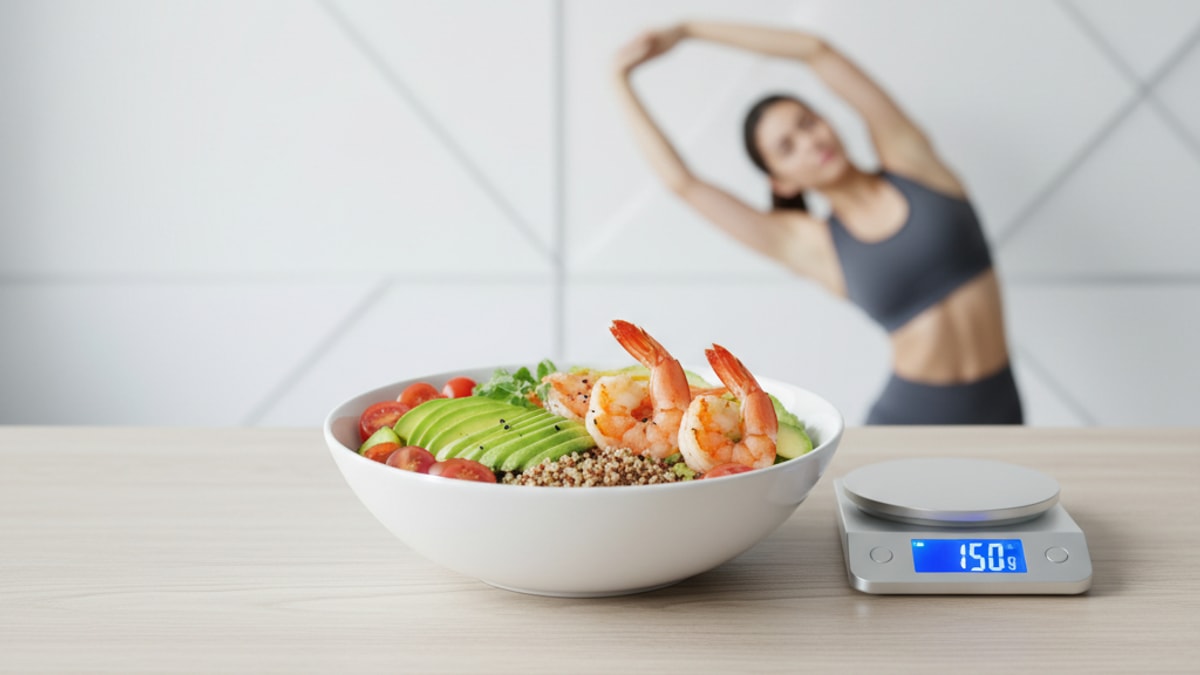
Let's talk about the search for the perfect weight loss food. It's a journey, right? You're looking for something that's satisfying, delicious, low in calories, and versatile enough that you won't get tired of it after three days. It feels like a search for a unicorn. We've seen countless clients come to us at TrimrX frustrated by restrictive diets that leave them feeling hungry and deprived. They've tried everything, from bland chicken breasts to endless salads, and the results are often temporary because the approach just isn't sustainable.
So, where does shrimp fit into this picture? You've probably heard conflicting things. Some hail it as a lean protein miracle, while others whisper warnings about cholesterol. Is shrimp good for weight loss, or is it a hidden diet-wrecker? Our team has spent years analyzing the interplay between nutrition, biology, and sustainable weight management, and we're here to give you the unvarnished truth. It’s not just about one food, but how that food fits into a larger, smarter strategy for your health. And yes, shrimp can absolutely be a star player in that strategy.
The Unflinching Nutritional Power of Shrimp
Before we get into the nuances, let's establish a baseline. From a purely nutritional standpoint, shrimp is a formidable contender for anyone focused on weight management. It's not just good; it's exceptional. The numbers speak for themselves. A standard 3-ounce (about 85 grams) serving of cooked shrimp contains roughly 84 calories. That's it. For those 84 calories, you get a massive payload of around 20 grams of high-quality protein.
This protein-to-calorie ratio is, frankly, astounding. It's the kind of efficiency we look for when designing effective nutritional plans. Protein is the critical, non-negotiable element for successful weight loss for two primary reasons. First, it's incredibly satiating. Consuming protein triggers the release of hormones like peptide YY and cholecystokinin, which signal to your brain that you're full. This means a modest serving of shrimp can help you feel satisfied for hours, dramatically reducing the odds you'll be reaching for high-calorie snacks between meals. It’s a biological hack against cravings.
Second, protein is essential for preserving lean muscle mass while you're in a caloric deficit. When you lose weight, your body doesn't just burn fat; it can also break down muscle tissue for energy. A high-protein intake helps protect your hard-earned muscle, which is metabolically active tissue. The more muscle you have, the higher your resting metabolic rate, meaning you burn more calories even when you're not exercising. Losing muscle is a catastrophic error in a weight loss plan, and shrimp provides the building blocks to prevent that.
Beyond the macronutrients, shrimp is also packed with vital micronutrients. It's one of the best food sources of selenium, a powerful antioxidant that protects your cells from damage and plays a crucial role in thyroid function—the master gland of your metabolism. It’s also rich in vitamin B12, which is essential for energy production and nerve function, and iodine, another key mineral for thyroid health. So you're not just getting a low-calorie protein source; you're getting a nutrient-dense food that supports the very systems that govern your metabolism.
Let's Finally Settle the Cholesterol Debate
Now, for the elephant in the room: cholesterol. For decades, shrimp got a bad rap because it contains a relatively high amount of dietary cholesterol. A 3-ounce serving has about 189 milligrams, which sounds like a lot when you see it on paper. This led many well-intentioned health professionals and dieters to avoid it entirely.
Here's what we've learned through decades of evolving research: the concern was largely misplaced. Our team can't stress this enough. The scientific consensus has undergone a significant, sometimes dramatic shift. We now understand that for the vast majority of the population, dietary cholesterol (the cholesterol you eat in food) has a surprisingly minimal effect on blood cholesterol levels (the cholesterol circulating in your body). Your liver is the primary producer of cholesterol, and it simply adjusts its production based on how much you consume. The real dietary villains that raise harmful LDL cholesterol are saturated and trans fats.
And how much saturated fat does shrimp have? Almost none. That same 3-ounce serving has less than 0.5 grams of total fat, and a negligible amount of it is saturated. This distinction is absolutely crucial. Foods high in saturated fats, like fatty red meats, full-fat dairy, and fried foods, are what truly pose a risk to cardiovascular health. Shrimp, on the other hand, is incredibly lean. In fact, some research suggests that the unique combination of nutrients in shrimp, including its omega-3 fatty acids, might even have a beneficial effect on heart health by raising the 'good' HDL cholesterol.
So, can we officially put this myth to bed? Yes. Unless you have a specific genetic predisposition to hyper-respond to dietary cholesterol and have been advised by your physician to strictly limit it, shrimp is perfectly safe and healthy to include in your diet. Don't let outdated advice from the 1980s rob you of a fantastic weight loss tool.
How Shrimp Actively Fuels Your Weight Loss Engine
Knowing shrimp is nutritious is one thing. Understanding how it actively works to help you shed pounds is another. It's about more than just being low-calorie. It’s about how your body processes it.
We already touched on satiety, but it’s worth digging deeper. The feeling of fullness you get from shrimp isn't just in your head. It's a powerful hormonal response. This is why a shrimp salad for lunch can keep you energized and focused all afternoon, while a carb-heavy meal might leave you feeling hungry again by 3 PM. Our experience shows that managing hunger is the single biggest challenge for people on a weight loss journey. Foods that do this work for you are invaluable.
Then there's the thermic effect of food (TEF). Your body has to expend energy to digest, absorb, and process the nutrients in your food. Protein has a much higher TEF than carbohydrates or fats. Roughly 20-30% of the calories in protein are burned off during digestion itself. For fats, it's only 0-3%, and for carbs, it's 5-10%. This means that your body works harder—and burns more calories—just to process the shrimp you ate. It's a subtle but meaningful metabolic advantage that adds up over time.
But honestly, one of the most compelling arguments for shrimp is its sheer versatility. Let's be real. Nobody can stick to a diet that's boring. The reason so many people fail is that they resign themselves to eating the same handful of 'safe' foods over and over again. Shrimp shatters that monotony. It can be grilled, baked, steamed, sautéed, or boiled. It absorbs flavors beautifully, making it a perfect canvas for herbs, spices, and healthy marinades. You can toss it in salads, thread it onto skewers, add it to soups, make lettuce wraps, or serve it alongside roasted vegetables. This culinary flexibility is what makes it a sustainable choice for the long haul.
The Critical Factor: When Shrimp Becomes the Enemy
This is where we need to be brutally honest. While shrimp itself is a weight-loss superstar, its preparation can turn it into a dietary disaster. It's not the shrimp that's the problem; it's what we do to it. This is a classic case of good food gone bad.
Think about the most common ways you see shrimp served in restaurants. Shrimp scampi, swimming in a pool of butter and garlic. Fried popcorn shrimp, encased in a thick, greasy batter. Creamy shrimp alfredo, loaded with heavy cream and cheese. These preparations can easily transform an 84-calorie serving of lean protein into a 500-calorie, fat-laden meal that completely undermines your goals.
The sauces and cooking oils are the primary culprits. A tablespoon of butter or olive oil adds over 100 calories. Creamy, sugary, or high-sodium sauces can add hundreds more, along with unhealthy fats and empty carbs. That's why how you cook is just as important as what you cook.
Our team always advises clients to focus on cooking methods that let the food's natural qualities shine. Grilling, broiling, steaming, and pan-searing with minimal oil are your best friends. Season generously with spices like paprika, chili powder, garlic powder, and fresh herbs like dill and parsley. A squeeze of lemon or lime juice at the end can brighten the flavor without adding a single calorie. This approach (which we've refined over years) delivers real results because it focuses on flavor without the caloric penalty.
Shrimp vs. Other Lean Proteins: A Head-to-Head Comparison
So how does shrimp stack up against other popular lean protein choices? It’s always helpful to see a direct comparison. We've put together a simple table to illustrate the differences.
| Protein Source (3 oz cooked) | Calories (approx.) | Protein (g) | Total Fat (g) | Our Team's Versatility Score (1-5) |
|---|---|---|---|---|
| Shrimp | 84 | 20 | <1 | 5 |
| Boneless, Skinless Chicken Breast | 140 | 26 | 3 | 5 |
| Tilapia (baked) | 110 | 22 | 2.5 | 3 |
| 93% Lean Ground Turkey | 160 | 22 | 8 | 4 |
| Tofu (firm) | 90 | 10 | 5 | 4 |
As you can see, shrimp is the undisputed champion when it comes to the lowest calorie count for a significant protein punch. While chicken breast offers slightly more protein, it comes with nearly double the calories. Ground turkey is a great option, but you have to be mindful of the higher fat content. And while tofu is a fantastic plant-based protein, you'd need to eat twice as much to get the same amount of protein as shrimp, which also increases the fat intake.
Where shrimp truly excels is in that combination of extremely low calories, high protein, and top-tier versatility. It cooks in minutes, making it perfect for quick weeknight meals—a critical factor for busy professionals trying to stick to a healthy eating plan.
Integrating Shrimp into a Medically-Supported Plan
Here’s the reality. For many people, especially those who have struggled with weight for a long time, diet and exercise alone feel like an uphill battle against their own biology. You can have the perfect meal plan, full of lean proteins like shrimp, but if relentless hunger and cravings are constantly derailing you, it's an incredibly difficult, often moving-target objective. This is where modern medicine can provide profound support.
At TrimrX, we specialize in medically-supervised weight loss programs that utilize advanced treatments like GLP-1 medications (such as Semaglutide and Tirzepatide). These are not magic pills; they are powerful tools that work with your body's natural systems. GLP-1s help regulate your appetite, slow down digestion so you feel fuller longer, and improve how your body processes sugar. Essentially, they help quiet the biological 'noise' that makes sticking to a healthy diet so challenging.
This is where foods like shrimp become even more powerful. When a GLP-1 medication is managing the underlying hormonal drivers of hunger, you're better able to make conscious, healthy food choices. You can eat a sensible portion of grilled shrimp and vegetables and feel genuinely satisfied. The medication provides the biological support, and your smart nutritional choices provide the fuel for sustainable fat loss. It’s a synergistic relationship. The two components work together to create an environment where your body can finally release excess weight effectively.
We see it every day. A patient who used to struggle with portion control finds they can easily stick to a healthy meal plan. The desire for high-fat, high-sugar foods diminishes, replaced by a preference for nourishing options. If this sounds like the support system you've been missing, it might be time to explore a more comprehensive approach. For those struggling with the biological hurdles of weight loss, a program like ours can be a game-changer. You can see if you're a candidate when you Take Quiz.
Our Team's Go-To Healthy Shrimp Ideas
To show you just how easy and delicious this can be, here are a few simple meal concepts our team regularly recommends. Notice they are all focused on flavor, speed, and nutrition.
-
Quick Lemon-Herb Shrimp and Asparagus: Toss a pound of shrimp and a bunch of asparagus spears with a teaspoon of olive oil, garlic powder, dried oregano, and the zest of one lemon. Spread on a baking sheet and roast at 400°F (200°C) for 8-10 minutes. Done. A complete, elegant meal in under 15 minutes.
-
Spicy Shrimp Lettuce Wraps: Sauté shrimp with a bit of avocado oil, chili-garlic sauce, and finely chopped ginger. Serve the hot shrimp in large, crisp lettuce cups (butter or iceberg work well) and top with shredded carrots, cucumber, and fresh cilantro. It's got crunch, spice, and freshness, and it’s incredibly satisfying.
-
Mediterranean Shrimp Salad: Combine cooked, chilled shrimp with chopped cherry tomatoes, cucumber, red onion, and a handful of kalamata olives. For the dressing, simply whisk together lemon juice, a tiny bit of olive oil, and dried oregano. It's a perfect make-ahead lunch that won't leave you feeling sluggish.
So, is shrimp good for weight loss? The answer is a resounding yes—with a critical asterisk. Prepared correctly, it's one of the most effective foods you can eat to support your goals. It's a low-calorie, high-protein, nutrient-dense, and incredibly versatile tool. But like any tool, it has to be used correctly. Drowning it in butter or batter will negate all its benefits. By embracing simple, clean cooking methods, you can make shrimp a delicious and consistent part of your success story. Food is fuel, but true, lasting change often requires a multi-faceted strategy that addresses your unique biology. Ready to build a plan that truly works? Start Your Treatment Now.
Frequently Asked Questions
How much shrimp can I eat per week on a weight loss diet?
▼
For most healthy adults, enjoying shrimp 2-3 times per week is perfectly reasonable. A typical serving size is 3-4 ounces (about 85-115 grams), which provides a substantial amount of protein without excessive calories.
Is frozen shrimp as healthy as fresh shrimp?
▼
Yes, absolutely. Most shrimp is flash-frozen immediately after being caught, which preserves its nutrients and freshness remarkably well. In many cases, frozen shrimp can be a higher quality and more convenient option than ‘fresh’ shrimp that has been sitting on ice for days.
Will eating shrimp really not raise my bad cholesterol?
▼
Our team confirms that for the majority of people, modern research shows dietary cholesterol has a minimal impact on blood cholesterol. Your body’s cholesterol levels are more significantly influenced by your intake of saturated and trans fats, both of which are virtually non-existent in shrimp.
What’s the absolute worst way to cook shrimp for weight loss?
▼
Without a doubt, deep-frying is the worst method. It adds hundreds of calories from oil and often involves a refined carbohydrate batter. Second place would go to any dish that smothers the shrimp in a heavy cream or butter-based sauce.
Can I eat shrimp on a keto diet?
▼
Shrimp is an excellent choice for a ketogenic diet. It has virtually zero carbohydrates, is high in protein, and low in fat, fitting perfectly within the macronutrient goals of a keto lifestyle. Just be sure to prepare it with keto-friendly fats like avocado oil or butter.
Is shrimp a good source of omega-3 fatty acids?
▼
While shrimp does contain some beneficial omega-3s, it’s not as rich in them as fatty fish like salmon, mackerel, or sardines. However, it still provides a helpful amount and is a much leaner protein source.
What should I look for when buying shrimp?
▼
We recommend looking for raw, frozen shrimp that is peeled and deveined to save time. Check the ingredient list to ensure there’s no added sodium or preservatives. If buying fresh, it should smell clean like the ocean, not fishy or like ammonia.
Does the size of the shrimp matter for nutrition?
▼
No, the nutritional profile of shrimp is consistent regardless of size. Whether you choose small salad shrimp or large jumbo prawns, the calories, protein, and micronutrients per ounce will be virtually identical.
Are there any sustainability concerns with shrimp?
▼
Yes, this is an important consideration. We suggest looking for shrimp certified by organizations like the Aquaculture Stewardship Council (ASC) or Best Aquaculture Practices (BAP) to ensure it was farmed or harvested responsibly.
Can shrimp help with my metabolism?
▼
Shrimp supports your metabolism in a few ways. Its high protein content has a greater thermic effect of food, meaning your body burns more calories digesting it. It also provides key nutrients for thyroid health, like iodine and selenium, which is crucial for metabolic regulation.
What are some healthy sauces or marinades for shrimp?
▼
Focus on flavor from herbs, spices, and citrus. A simple marinade of lemon juice, garlic, and dill is fantastic. For a dipping sauce, consider a Greek yogurt-based sauce with fresh herbs or a simple cocktail sauce with no added sugar.
Can I eat the shrimp tails?
▼
While the tails are technically edible, they are made of chitin (like an insect’s exoskeleton) and are not easily digestible. Our team recommends removing them before eating for the best texture and to avoid any potential digestive discomfort.

Transforming Lives, One Step at a Time
Keep reading

Obesity and Low Testosterone
**Can obesity cause low testosterone?** Yes. Obesity can lower testosterone, and the relationship often runs in both directions.

Top 6 Best Weight Loss Medications in 2026
Prescription weight loss medication has gone mainstream. What was once a quiet corner of obesity medicine is now one of the most talked-about categories…

Top 8 Best Telehealth for Weight Loss in 2026
Finding the best telehealth for weight loss used to be a time-consuming process that involved hours of research, murky pricing pages, and a fair…


