Does Naltrexone Cause Weight Loss? The Unfiltered Answer
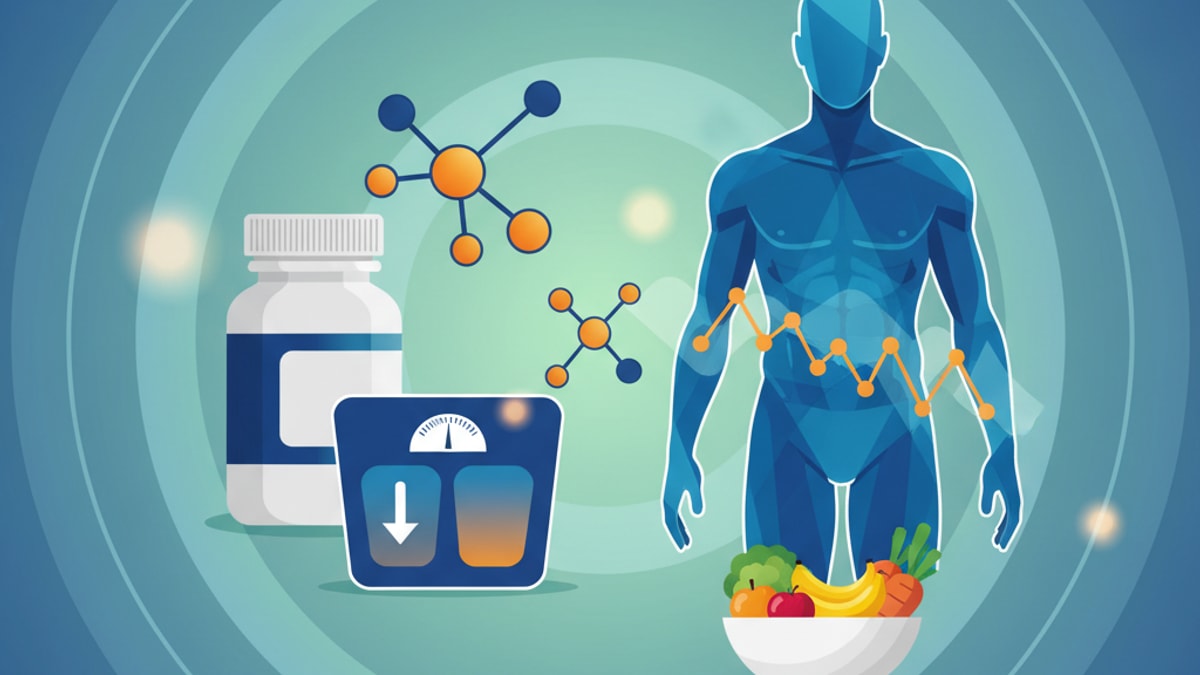
It’s a question that surfaces constantly in weight loss circles, often whispered with a mix of hope and skepticism: does naltrexone cause weight loss? We get it. When you’ve tried countless diets and workout plans only to feel stuck, the idea of a medication that could finally move the needle is incredibly compelling. The short answer is yes, it can be a component of a successful weight loss strategy. But the real story is so much more interesting than that.
Here at TrimrX, our entire focus is on medically-supervised, sustainable weight management. We work with cutting-edge treatments like GLP-1s, but we also believe in providing unflinching, honest information about every tool available. Naltrexone isn't a magic metabolic booster or a fat-burning pill. Its power lies somewhere far more complex and, frankly, more profound: your brain. It works on the level of cravings and rewards, which, as our team has seen time and again, is often the real battlefield in the fight for a healthy weight.
First Things First: What Naltrexone Actually Is
Before we dive into weight loss, it’s critical to understand what naltrexone was originally designed for. Let's be clear: its primary, FDA-approved uses are for treating Alcohol Use Disorder (AUD) and Opioid Use Disorder (OUD). It’s what’s known as an opioid antagonist. In simple terms, it blocks the euphoric and sedative effects of substances like opioids and alcohol by occupying the opioid receptors in the brain. By doing this, it reduces and suppresses cravings, making it a cornerstone of addiction medicine.
So, how did a medication for substance use disorders end up in a conversation about shedding pounds? The connection is the brain’s reward system.
The same pathways that drive addiction—the intricate network involving dopamine, pleasure, and reinforcement—are also deeply involved in our relationship with food. Think about the intense satisfaction you get from eating a piece of rich chocolate cake or a bag of salty chips. That’s your reward system lighting up. For many people, especially those struggling with obesity, certain highly palatable foods can trigger a response that feels almost compulsive. Naltrexone’s ability to dampen this reward response is what makes it a fascinating player in weight management.
It doesn't just block one thing. It modulates the entire feedback loop. It's not about making food taste bad; it’s about making the overwhelming urge for that food less powerful. That’s the key distinction our patients need to grasp.
The Brain Science: How Naltrexone Can Influence Weight
This is where it gets really interesting. Your brain is hardwired to seek pleasure and repeat actions that lead to it. When you eat something delicious, particularly foods high in fat, sugar, and salt, your brain releases a flood of feel-good chemicals, most notably dopamine. This creates a powerful feedback loop: eat tasty food, feel good, brain says “do that again!”
Naltrexone steps in and gently disrupts this cycle. By binding to opioid receptors, it helps turn down the volume on the pleasure and reward signals you get from eating these kinds of foods. It’s not that the food suddenly loses its flavor. Instead, the intense, almost euphoric satisfaction you might have previously felt is blunted. The result? That second or third cookie just doesn’t seem as compelling. The urge to finish the entire pint of ice cream subsides because the neurological “payoff” isn’t as strong.
Our team often explains it like this: imagine your food cravings are a screaming rock concert in your head. Naltrexone doesn't stop the band from playing, but it hands you a pair of high-quality earplugs. You can still hear the music, but it’s no longer a deafening, overwhelming roar that drowns out everything else. You regain control. You can make a conscious choice instead of reacting to a powerful, neurologically-driven urge.
This is a significant, sometimes dramatic shift. For individuals who struggle with binge eating, emotional eating, or intense food cravings, this modulation can be a complete game-changer. It provides the mental space needed to build healthier habits without constantly fighting a tidal wave of internal pressure. It empowers you to follow a nutritional plan not through sheer, exhausting willpower, but because the biological drive to deviate from it has been significantly reduced.
Naltrexone Alone vs. Combination Therapy
So, can you just take naltrexone and watch the pounds melt away? Honestly, that’s not what we’ve seen to be most effective. While naltrexone on its own can help some people by reducing cravings, its true power in weight management is unleashed when it’s paired with another medication: bupropion.
Bupropion is an antidepressant that also works on the brain’s chemical messengers, specifically dopamine and norepinephrine. On its own, it can have a mild appetite-suppressing effect. But when you combine it with naltrexone, something synergistic happens. The combination, sold under the brand name Contrave, targets the brain’s hunger and reward systems from two different angles.
Think of it this way: naltrexone is dialing down the “reward” you get from food, while bupropion is helping to reduce your baseline appetite and keep dopamine levels stable. They work as a team. This dual-action approach is far more potent for weight loss than using either medication by itself. Our experience shows that this combination leads to more consistent and significant results because it addresses both the psychological craving and the physiological hunger signals.
Here’s a quick breakdown of how these approaches stack up:
| Feature | Naltrexone (Monotherapy) | Naltrexone + Bupropion (Combination) | Modern GLP-1 Medications (e.g., Semaglutide) |
|---|---|---|---|
| Primary Mechanism | Reduces food cravings by blunting reward signals | Reduces cravings and suppresses appetite simultaneously | Mimics gut hormones to slow digestion and signal fullness to the brain |
| Best For | Individuals with strong food cravings, emotional eating | People with both significant cravings and a large appetite | Individuals with insulin resistance, high BMI, and difficulty with satiety |
| Administration | Oral pill, typically once daily | Oral pill, typically twice daily | Weekly subcutaneous injection |
| Common Side Effects | Nausea, headache, dizziness | Nausea, constipation, headache, insomnia | Nausea, digestive upset (often transient) |
| Our Team's Observation | A useful tool for the 'brain' component of eating, but often insufficient on its own for major weight loss. | A powerful, FDA-approved combination for weight loss that addresses both hunger and reward. | A game-changing class of medications offering profound effects on both blood sugar and weight loss through hormonal pathways. |
It’s all about finding the right tool for the right job. And that job is unique to your body and your brain.
So, Does Naltrexone Directly Cause Weight Loss?
Let’s tackle the keyword head-on. No, naltrexone does not directly cause weight loss in a metabolic sense. It doesn’t magically increase your calorie burn or prevent your body from absorbing fat. We can't stress this enough.
Its role is indirect but incredibly powerful. It works by changing your behavior around food.
Weight loss happens when you consistently maintain a calorie deficit. Simple, right? But not easy. The reason it’s not easy is often because of cravings, hunger pangs, and the psychological comfort we get from eating. Naltrexone (especially with bupropion) makes it fundamentally easier to maintain that calorie deficit. By reducing the noise of cravings and the allure of overeating, it clears the path for you to make healthier choices more consistently.
We've found that patients on this therapy often report things like:
- “I can just have one piece of pizza and feel satisfied.”
- “I don’t think about snacking all afternoon anymore.”
- “I realized halfway through my meal that I was full, so I just stopped eating.”
These are behavioral victories. They are the small, consistent decisions that add up to significant, lasting weight loss. Naltrexone doesn't force you to do anything; it creates an internal environment where making the right choice feels less like a monumental struggle. It gives you back your agency.
That's the reality. It all comes down to helping you execute the plan you already know works—eating nutritious food in appropriate portions and moving your body. The medication is a support system for your brain while you do the work.
Who Is a Good Candidate for This Approach?
This is not a one-size-fits-all solution. A thorough medical evaluation is a critical, non-negotiable element of any weight management plan. At TrimrX, we believe in a deeply personalized approach. Naltrexone-based therapy might be an excellent option for someone whose primary struggle is with constant food “noise” and intense cravings.
Here's who often benefits most:
- The Emotional Eater: Someone who turns to food for comfort, stress relief, or to cope with boredom. By dampening the reward signal, naltrexone can help break the link between emotion and eating.
- The Craving-Driven Individual: If your downfall is an insatiable sweet tooth or a relentless desire for salty, crunchy snacks, this therapy can directly target those urges.
- People with Binge Eating Tendencies: For those who feel a loss of control around food, the medication can help restore a sense of command and make it easier to stop eating when full.
- Individuals Who Haven't Responded to Other Approaches: Sometimes, diet and exercise alone aren't enough to overcome the powerful neurological drivers of overeating. This provides a different angle of attack.
However, it's not for everyone. Individuals with certain medical conditions, such as uncontrolled hypertension, seizure disorders, or those taking opioid pain medications, are generally not candidates. This is precisely why a comprehensive medical intake is so important. It's about safety and efficacy. If you're wondering where you stand and what options might be best for your unique biology, the first step is a simple, confidential assessment. You can Take Quiz on our site to begin that process and see what a personalized plan could look like for you.
The Bigger Picture: Naltrexone in a Modern Weight Loss Plan
It's an exciting time in the field of medical weight loss. We have more effective tools at our disposal than ever before. Naltrexone/bupropion is one powerful option that targets the brain's reward system. But we also have another formidable class of medications: GLP-1 receptor agonists, like Semaglutide and Tirzepatide.
These are the medications we specialize in at TrimrX, and they work through a completely different—but equally powerful—mechanism. GLP-1s mimic a natural gut hormone that tells your brain you’re full, slows down how quickly your stomach empties, and helps regulate blood sugar. The effect is a profound reduction in hunger and an ability to feel satisfied with much smaller portions.
So, which is better? That’s the wrong question.
The right question is: which is better for you?
- Someone dominated by psychological cravings and food-as-reward thinking might thrive on a naltrexone-based therapy.
- Someone else who struggles with relentless physical hunger and difficulty feeling full might find incredible success with a GLP-1 like Semaglutide.
In our experience, the future of weight management isn't about picking one 'best' drug. It's about having a full toolbox and the expertise to know which tool to use for each individual's unique biological and psychological makeup. It's about understanding that the journey to a healthy weight is not a single path, but a personalized map. We're here to help you draw that map, whether it involves targeting brain chemistry, hormonal pathways, or a combination of strategies. The goal is the same: sustainable results that transform your health.
Potential Side Effects and What to Expect
No discussion of medication is complete without an honest look at potential side effects. As with any effective treatment, naltrexone (especially with bupropion) can have them. The most common one our team sees is nausea, especially when first starting the medication. This is why the dose is typically started low and increased gradually over several weeks to allow your body to adjust.
Other potential side effects can include:
- Constipation
- Headache
- Dizziness
- Dry mouth
- Insomnia
For most people, these effects are mild and tend to fade as their body gets used to the medication. We work closely with our patients to manage any side effects that do arise, ensuring the treatment is as comfortable as it is effective. Open communication is key. We want to know what you’re experiencing so we can make adjustments and support you properly. This is the benefit of a medically-supervised program—you're not going it alone.
The journey to lasting weight loss is rarely a straight line. It's a complex interplay of biology, psychology, and behavior. Naltrexone doesn't offer a simple, magical solution, because one doesn't exist. What it does offer is a sophisticated, scientifically-backed tool to help rewire your brain's response to food. By quieting the relentless noise of cravings, it can give you the control and clarity needed to build the healthy, sustainable habits you've been striving for. It’s about creating an internal environment where your best intentions can finally translate into real-world results. If you feel ready to explore a different, more effective path, we're here to help you Start Your Treatment with a plan designed for your body and your goals.
Frequently Asked Questions
How long does it take for naltrexone to start working for weight loss?
▼
When used for weight management, particularly in combination with bupropion, you may start to notice a decrease in cravings and appetite within a few weeks. However, the full therapeutic effect on weight often takes several months to become apparent as you build healthier habits.
Can I drink alcohol while taking naltrexone?
▼
Naltrexone will block the euphoric effects of alcohol, which is why it’s used to treat Alcohol Use Disorder. Our medical team strongly advises against drinking alcohol while on this medication, as you may not feel the effects of intoxication, which can lead to dangerous overconsumption.
Does naltrexone speed up your metabolism?
▼
No, naltrexone does not have a direct effect on your metabolic rate. Its mechanism for weight loss is indirect, focusing on reducing food cravings and the reward response from eating, which helps you consume fewer calories.
Is naltrexone for weight loss a long-term solution?
▼
Naltrexone-based therapy can be used for long-term weight management under medical supervision. The goal is to use it as a tool to help you establish and maintain new eating behaviors and a healthier lifestyle for lasting success.
Will I gain the weight back if I stop taking naltrexone?
▼
Any weight loss medication is most effective when combined with lifestyle changes. If you stop the medication without having solidified new habits regarding nutrition and exercise, there is a risk of weight regain. We focus on a holistic approach to ensure your results are sustainable.
What’s the difference between Naltrexone and Contrave?
▼
Naltrexone is a single active ingredient. Contrave is the brand name for a combination drug that contains both naltrexone and bupropion. This combination is specifically FDA-approved for chronic weight management.
Can naltrexone help with my sugar cravings specifically?
▼
Yes, absolutely. Because sugary foods trigger a strong response in the brain’s reward center, naltrexone is often very effective at reducing the intensity and frequency of sugar cravings by blunting that neurological payoff.
Is naltrexone addictive?
▼
No, naltrexone is not addictive and has no potential for abuse. It is an opioid antagonist, meaning it blocks effects rather than causing them, and does not produce any sort of ‘high’ or withdrawal symptoms.
Do I need a special diet while on naltrexone for weight loss?
▼
While there isn’t a single ‘naltrexone diet,’ the medication is designed to make it easier for you to stick to a healthy, reduced-calorie eating plan. Our team works with you to develop a nutritional strategy that aligns with your goals and preferences.
How does naltrexone compare to GLP-1 medications like Semaglutide?
▼
They work very differently. Naltrexone targets the brain’s reward pathways to reduce cravings, while GLP-1s like Semaglutide mimic gut hormones to increase feelings of fullness and slow digestion. The best choice depends entirely on an individual’s specific biological needs and weight loss barriers.
Can I take naltrexone if I’m on antidepressants?
▼
It depends. Naltrexone can be taken with some antidepressants, but there are potential interactions, especially since the combination therapy includes bupropion (itself an antidepressant). It’s crucial to disclose all medications to your doctor during your consultation.
What is the typical starting dose of naltrexone for weight loss?
▼
When used in combination therapy like Contrave, the dosage starts very low and is titrated up slowly over four weeks to minimize side effects. This gradual increase is key to ensuring the medication is well-tolerated.

Transforming Lives, One Step at a Time
Keep reading

Obesity and Low Testosterone
**Can obesity cause low testosterone?** Yes. Obesity can lower testosterone, and the relationship often runs in both directions.

Top 6 Best Weight Loss Medications in 2026
Prescription weight loss medication has gone mainstream. What was once a quiet corner of obesity medicine is now one of the most talked-about categories…

Top 8 Best Telehealth for Weight Loss in 2026
Finding the best telehealth for weight loss used to be a time-consuming process that involved hours of research, murky pricing pages, and a fair…


