Is a High Protein Diet Good for Weight Loss? Our Experts Weigh In
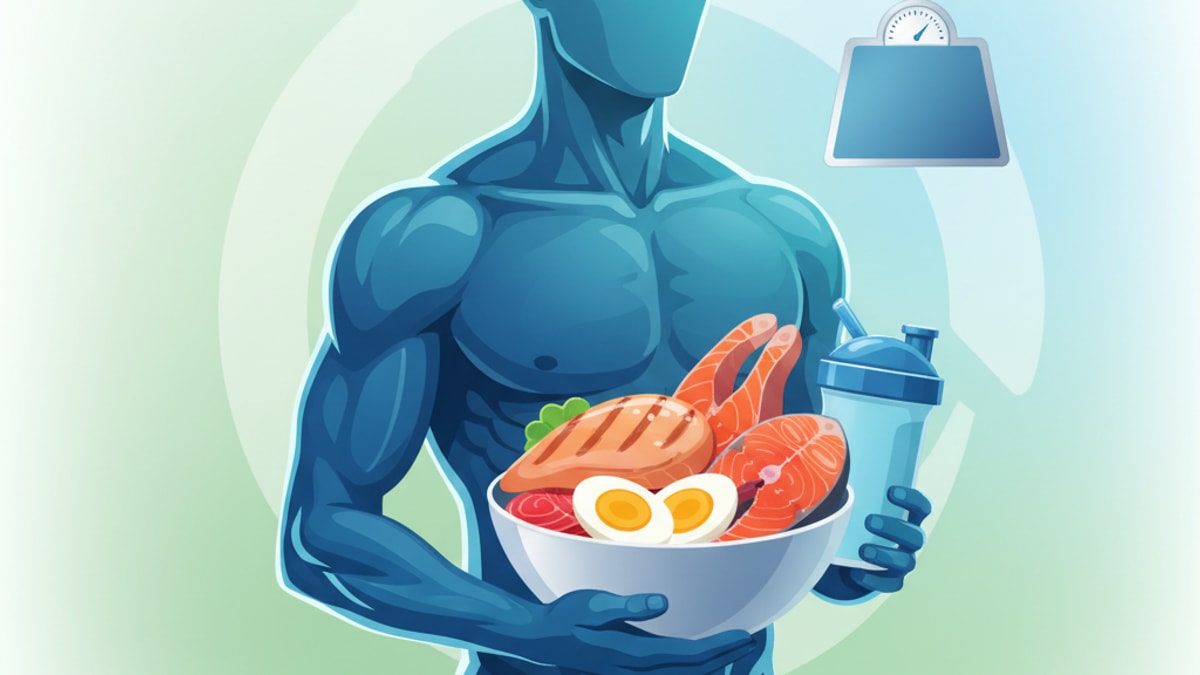
It’s a question we hear all the time from clients. In a world saturated with diet trends, from keto to intermittent fasting, high-protein diets have remained a remarkably consistent fixture. And for good reason. It’s not just a fad; there’s a formidable amount of scientific evidence backing its effectiveness for weight management. But is a high protein diet good for weight loss in the real world—your world of demanding schedules, food cravings, and the relentless challenge of sticking to a plan?
That’s the question we're here to tackle. As a team deeply invested in the science of metabolic health and sustainable weight loss, we've seen firsthand what works. It's not about finding a single magic bullet. It's about understanding the powerful tools at your disposal and assembling them into a cohesive, medically-sound strategy. And protein? It's one of the most powerful tools in the entire toolbox. Let's break down why.
The Science of Satiety: Why Protein Keeps You Fuller, Longer
Have you ever noticed how a breakfast of eggs and Greek yogurt keeps you satisfied until lunch, while a sugary cereal leaves you raiding the pantry by 10 a.m.? That isn't just in your head. It's your body's hormonal response to different macronutrients. Protein is, by a significant margin, the most satiating of them all.
When you consume protein, it triggers a cascade of hormonal signals in your gut that tell your brain, “Hey, we’re full. You can stop eating now.” It boosts the production of satiety hormones like peptide YY (PYY) and glucagon-like peptide-1 (GLP-1)—a hormone we know a lot about here at TrimrX. At the same time, it helps suppress the 'hunger hormone,' ghrelin. It's a powerful one-two punch against hunger and cravings. Carbs and fats just don't have the same robust effect. Think of it like this: ghrelin is the loud, persistent alarm clock telling you to eat, while PYY and GLP-1 are the gentle, reassuring hands that hit the snooze button, giving you more time and control.
This hormonal advantage is a game-changer for weight loss. Why? Because the single biggest obstacle to any diet is adherence. It’s difficult, often a moving-target objective. If you're constantly fighting off gnawing hunger, your willpower is going to run out eventually. It's not a personal failing; it's a biological reality. By building your meals around protein, you're not just relying on sheer grit—you're working with your body's natural appetite-regulating system. This makes sticking to a calorie deficit feel less like a battle and more like a sustainable choice. Our team has found that clients who prioritize protein often report a dramatic reduction in mindless snacking and late-night cravings. It just works.
Protein and Your Metabolism: The Thermic Effect of Food
Here’s a concept that doesn't get enough attention: not all calories are created equal when it comes to how your body processes them. It takes energy to digest, absorb, and store the nutrients from your food. This metabolic cost is known as the Thermic Effect of Food (TEF).
And this is where protein truly shines. It has a much higher TEF than carbohydrates and fats.
How much higher? Significantly. Our experience shows that roughly 20-30% of the calories from protein are burned off during digestion. Compare that to carbohydrates (5-10%) and fats (0-3%). It’s a staggering difference. Let's make that tangible. If you eat 100 calories of pure protein, your body uses 20-30 of those calories just to process it, meaning your net calorie gain is only 70-80 calories. For 100 calories of fat, your net gain is 97-100 calories.
It may not sound like a colossal amount on a meal-by-meal basis, but this metabolic advantage compounds over days, weeks, and months. Shifting your caloric intake to favor protein means you're effectively burning more calories around the clock without any extra effort. It’s like giving your metabolism a subtle, consistent nudge in the right direction. When combined with a calorie deficit and regular activity, this effect can meaningfully accelerate your weight loss progress. It's one of the most straightforward ways to optimize your body's fat-burning machinery.
It’s a critical, non-negotiable element of a successful plan.
Protecting Muscle Mass During Weight Loss (This is Crucial)
We can't stress this enough: when you lose weight, you don't just lose fat. You also risk losing precious lean muscle mass. This is a catastrophic outcome for long-term success. Why? Because muscle is your body's metabolic engine. The more muscle you have, the more calories you burn at rest. Losing muscle slows your metabolism, making it harder to continue losing weight and much, much easier to regain it once you stop dieting. This is the classic 'yo-yo dieting' cycle that so many people get trapped in.
This is where a high-protein diet becomes your greatest defender.
When you're in a calorie deficit, your body looks for energy sources. If it doesn't get enough protein from your diet, it will start breaking down your muscle tissue to get the amino acids it needs. This process is called catabolism. Providing your body with an ample supply of dietary protein essentially tells it, “There's no need to raid the muscle stores; we have plenty of building blocks coming in.” It creates a muscle-sparing effect that is absolutely vital for a healthy body composition.
Our team always emphasizes that the goal isn't just 'weight loss'—it's 'fat loss.' The number on the scale doesn't tell the whole story. A successful transformation is about reducing body fat while preserving, or even building, metabolically active muscle. A high-protein diet, especially when paired with some form of resistance training, is the single most effective dietary strategy to achieve this. You end up not just lighter, but stronger, more toned, and with a faster metabolism that's better equipped to maintain your results for the long haul.
How Much Protein Do You Actually Need?
So, what does 'high protein' actually mean in practice? It’s not about endlessly eating chicken breasts and protein shakes. It's about a strategic, calculated intake. The generic recommendations are often too low, especially for someone actively trying to lose weight and preserve muscle.
While individual needs vary based on age, sex, activity level, and overall health, a great starting point for weight loss is to aim for 1.6 to 2.2 grams of protein per kilogram of body weight (or about 0.7 to 1.0 grams per pound). For a 180-pound person, that’s a target of roughly 126 to 180 grams of protein per day.
This might seem like a lot, but it's achievable when you make protein the centerpiece of every meal and snack. To make this clearer, we've broken down what different approaches to protein intake might look like.
| Intake Level | Daily Grams (for 180 lb person) | Typical Meal Focus | Best For | Potential Downsides |
|---|---|---|---|---|
| Standard Intake | 65-80g | Carb-heavy; protein as a side dish (e.g., pasta with some meat sauce) | Basic maintenance for a sedentary person | Inadequate for fat loss, muscle preservation, or appetite control. |
| Moderate-High Intake | 120-150g | Protein-centric; every meal has a significant protein source (e.g., grilled chicken salad) | Effective weight loss, muscle sparing, improved satiety. Great for most people. | Requires conscious effort and meal planning. |
| Very High Intake | 160-200g+ | Highly focused; protein at every meal and snack, often with supplementation | Athletes, bodybuilders, or those in a very aggressive cutting phase. | Can be socially restrictive and may displace other important nutrients if not balanced. |
For most people seeking sustainable weight loss, that 'Moderate-High Intake' level is the sweet spot. It delivers all the benefits—satiety, metabolic boost, muscle protection—without being overly restrictive or difficult to maintain. The key is consistency.
Beyond Diet: Integrating Protein into a Comprehensive Strategy
Let's be honest. Knowing you should eat more protein and actually doing it consistently are two very different things. Life gets in the way. Cravings hit hard. Motivation wanes. This is the gap where even the best dietary plans fall apart. A high-protein diet is an incredibly powerful tool, but it's just one tool. For truly transformative and, more importantly, lasting results, it needs to be part of a bigger, more supportive framework.
This is where a medically-supervised approach makes a world of difference. At TrimrX, we've built our entire program around this principle. We combine the best of nutritional science with cutting-edge medical advancements to create a system that supports you biologically and behaviorally. For example, the powerful appetite-regulating effects of a high-protein diet are amplified dramatically when paired with GLP-1 medications like Semaglutide and Tirzepatide. These treatments work on the same hormonal pathways as protein (and then some), quieting the 'food noise' in your brain and making it fundamentally easier to make healthier choices and stick to your plan.
Think of it this way: the high-protein diet provides the optimal building blocks for your body, and the medical support helps ensure you can actually implement that plan day in and day out, without the constant, draining battle against hunger. It's a synergistic approach that tackles weight loss from all angles. It’s not about willpower; it’s about changing the underlying biology to make success the most likely outcome. If you're tired of the cycle and ready to see what a comprehensive, medically-guided plan can do for you, we recommend you Take Quiz to see if you're a candidate.
This approach (which we've refined over years) delivers real results because it addresses the root causes of weight gain, not just the symptoms.
Practical Tips for Boosting Your Protein Intake
Ready to put this into action? Increasing your protein intake doesn't have to be complicated or expensive. It's about making small, consistent shifts in your daily habits. Here's what we recommend to our clients:
-
Front-Load Your Day: Start your morning with a protein-rich breakfast of 25-30 grams. Think eggs, Greek yogurt, cottage cheese, or a quality protein shake. This sets your satiety levels for the entire day and prevents the mid-morning crash and burn.
-
Make Protein the Star of Every Plate: When building a meal, start with your protein source first. A palm-sized portion (about 4-6 ounces) of lean meat, fish, or poultry is a great visual guide. Then, build the rest of your meal around it with non-starchy vegetables and a small portion of healthy carbs.
-
Embrace Smart Snacking: Ditch the chips and crackers. Opt for snacks that pack a protein punch. Hard-boiled eggs, beef jerky, a handful of almonds, roasted edamame, or a single-serving Greek yogurt are all fantastic, easy options.
-
Don't Forget Plant Power: You don't have to be a carnivore to hit your protein goals. Lentils, chickpeas, tofu, tempeh, edamame, and quinoa are all excellent plant-based sources. Combining different plant sources (like rice and beans) can ensure you get all the essential amino acids.
-
Consider a Quality Supplement: Sometimes, life is just too busy. A high-quality whey, casein, or plant-based protein powder can be an incredibly convenient way to hit your daily target. A post-workout shake or a scoop blended into your morning smoothie can make a huge difference.
Making these changes consistently will transform your relationship with food and hunger. It puts you back in the driver's seat. If you're ready to take control and begin a new chapter in your health journey, it's time to Start Your Treatment with a plan that supports you every step of the way.
So, is a high protein diet good for weight loss? The answer is an unequivocal yes. It’s not a fleeting trend; it’s a foundational principle of effective, sustainable fat loss. It helps control hunger, boosts your metabolism, and protects your vital muscle mass. But remember, it's a piece of a larger, more intricate puzzle. The most profound and lasting transformations happen when this powerful dietary strategy is integrated into a comprehensive, medically-supervised plan that addresses your unique biology. That’s how you stop dieting and start living.
Frequently Asked Questions
Will eating a high-protein diet harm my kidneys?
▼
For individuals with healthy, functioning kidneys, a high-protein diet is generally considered safe. The concern primarily applies to those with pre-existing kidney disease. Our team always recommends consulting with a healthcare provider before making significant dietary changes.
Can I get enough protein on a vegetarian or vegan diet?
▼
Absolutely. It simply requires more conscious planning. Excellent plant-based sources include lentils, chickpeas, tofu, tempeh, edamame, seitan, quinoa, and nuts. Combining various sources helps ensure you receive a complete amino acid profile.
Will eating too much protein make me bulky?
▼
This is a common myth, especially among women. Gaining significant muscle mass (‘bulk’) requires a combination of a calorie surplus and intensive, progressive resistance training. A high-protein diet in a calorie deficit for weight loss will help preserve existing muscle, leading to a leaner, more toned look, not a bulky one.
Does the timing of my protein intake matter for weight loss?
▼
For general weight loss, the most important factor is hitting your total daily protein goal. However, our experience shows that distributing your protein intake evenly throughout the day—with 25-30g per meal—is most effective for managing appetite and promoting muscle protein synthesis.
What are the best lean protein sources?
▼
We recommend focusing on sources like skinless chicken or turkey breast, fish (like salmon and cod), lean cuts of beef, eggs, and low-fat dairy like Greek yogurt and cottage cheese. For plant-based options, lentils and tofu are fantastic lean choices.
Are protein supplements necessary on a high-protein diet?
▼
They aren’t strictly necessary, but they are incredibly convenient. If you struggle to meet your protein goals through whole foods alone due to a busy schedule or appetite, a quality protein powder can be a very helpful tool to bridge the gap.
How does a high-protein diet work with GLP-1 medications?
▼
They work synergistically. GLP-1 medications like Semaglutide help regulate appetite and slow digestion, making you feel fuller. A high-protein diet enhances this effect, providing deep satiety and the necessary nutrients to preserve muscle mass while you’re in a calorie deficit.
Can I eat too much protein?
▼
While it’s difficult for most people to do, an extremely high intake can lead to digestive discomfort or displace other important nutrients from fruits and vegetables. We advise sticking within the recommended range of 1.6-2.2g per kg of body weight for a balanced and effective approach.
Does protein help with reducing belly fat specifically?
▼
You can’t spot-reduce fat from one specific area. However, a high-protein diet promotes overall fat loss, which will include belly fat. Its muscle-preserving and metabolism-boosting effects create the ideal conditions for reducing your overall body fat percentage.
What’s the difference between whey and casein protein powder?
▼
Whey is a fast-digesting protein, making it great for post-workout recovery. Casein is slow-digesting, releasing amino acids over several hours, which makes it an excellent option before bed or as a meal replacement to stay full longer.
I feel tired after starting a high-protein diet. Is that normal?
▼
This can sometimes happen if you’ve drastically reduced your carbohydrate intake at the same time. We recommend ensuring you’re still consuming adequate healthy carbs from sources like vegetables and whole grains to fuel your energy levels, especially around workouts.
How long does it take to see results from a high-protein diet?
▼
You’ll likely notice the effects on your appetite and satiety within the first few days. Measurable weight loss results depend on your overall calorie deficit, but this dietary approach creates the best possible conditions for consistent, sustainable progress from week one.

Transforming Lives, One Step at a Time
Keep reading

Obesity and Low Testosterone
**Can obesity cause low testosterone?** Yes. Obesity can lower testosterone, and the relationship often runs in both directions.

Top 6 Best Weight Loss Medications in 2026
Prescription weight loss medication has gone mainstream. What was once a quiet corner of obesity medicine is now one of the most talked-about categories…

Top 8 Best Telehealth for Weight Loss in 2026
Finding the best telehealth for weight loss used to be a time-consuming process that involved hours of research, murky pricing pages, and a fair…


