Is Beef Steak Good for Weight Loss? Our Unfiltered Take
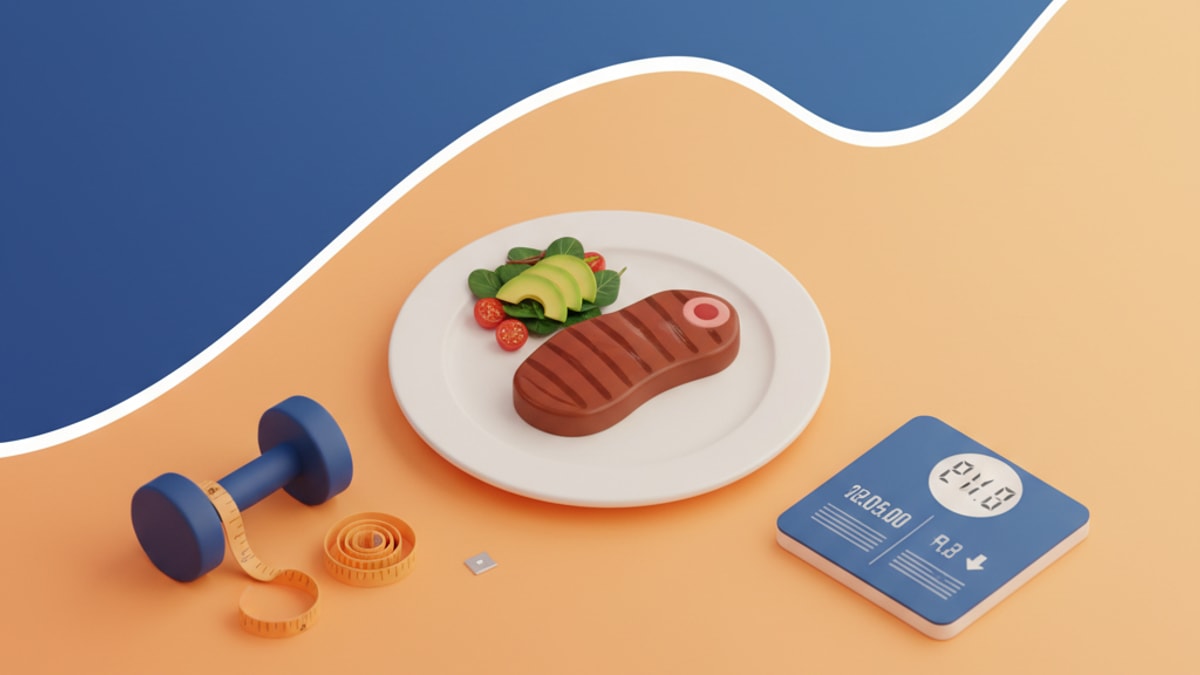
Is Beef Steak Good for Weight Loss? Our Unfiltered Take
The question comes up all the time in our consultations. A new patient, ready to commit to a significant health transformation, leans in and asks with a mix of hope and apprehension: "Do I have to give up steak?" It’s a valid concern. For many, a thick, juicy steak is more than just a meal; it’s a celebration, a comfort food, a weekend ritual. The idea of a weight loss journey devoid of this pleasure can feel incredibly daunting, almost like a dealbreaker.
So, let’s tackle this head-on. Is beef steak good for weight loss? The answer isn't a simple yes or no. It's a classic "it depends," but we promise to give you a much more satisfying explanation than that. At TrimrX, we've guided countless individuals through medically supervised weight loss programs, often incorporating advanced treatments like Semaglutide and Tirzepatide. Our experience has given us a unique, science-backed perspective on how different foods, including steak, fit into a successful and sustainable strategy. The truth is, when handled correctly, steak can be a powerful ally. When mishandled, it can absolutely derail your progress. The difference lies in the details.
The Surprising Case for Steak in a Weight Loss Journey
For years, red meat got a bad rap. It was painted as the villain of heart health and the enemy of a slim waistline. While some of that concern was rooted in legitimate science about saturated fat and processing, the conversation has become far more nuanced. We've found that for many of our patients, strategically including lean beef provides a significant, sometimes dramatic, boost to their efforts.
Here’s why.
First and foremost: protein. Steak is an absolute powerhouse of high-quality, complete protein. This isn't just about building muscle. Protein has the highest thermic effect of all macronutrients, meaning your body burns more calories just digesting it compared to fats or carbs. It's a small metabolic advantage, but they add up. More importantly, protein is the undisputed king of satiety—the feeling of fullness and satisfaction after a meal. A 4-ounce serving of lean sirloin can keep you feeling full for hours, crushing the cravings that might otherwise lead you to a bag of chips or a sugary snack in the afternoon. This effect is critical for adherence to any calorie-controlled plan. If you're constantly hungry, your willpower will eventually break. It’s not a personal failing; it’s just biology.
Beyond protein, beef is incredibly nutrient-dense. It's one of the best dietary sources of heme iron, the most easily absorbed form of iron, which is vital for energy metabolism and preventing fatigue—a common complaint during weight loss. It’s also packed with Vitamin B12, essential for nerve function and energy production, and zinc, which plays a role in immune function and hormone regulation. When you're reducing your overall food intake, getting the most nutritional bang for your caloric buck is a non-negotiable element of success. You can't afford to waste calories on empty foods. Steak delivers.
Not All Steaks Are Created Equal
This is where many well-intentioned efforts go wrong. Walking up to the butcher counter and just grabbing any steak is a gamble. The difference in calories and fat between a lean cut and a heavily marbled one is staggering. We can't stress this enough: the cut you choose is probably the single most important factor.
A giant, bone-in ribeye, glistening with marbled fat, might be delicious, but it's a calorie bomb. A lean top sirloin or a filet mignon, on the other hand, can fit beautifully into a structured eating plan. The key is to look for cuts with minimal visible fat. Words like "loin" (sirloin, tenderloin) and "round" (top round, eye of round) are your friends. These cuts come from muscles that get more exercise, resulting in less intramuscular fat.
To put it into perspective, our team put together a quick comparison of popular cuts. The numbers are approximate and can vary, but they illustrate the point perfectly.
| Steak Cut (4 oz / 113g serving, broiled) | Approximate Calories | Protein (g) | Total Fat (g) | Saturated Fat (g) |
|---|---|---|---|---|
| Eye of Round Steak | 160 | 28g | 5g | 2g |
| Top Sirloin Steak | 200 | 30g | 8g | 3g |
| Filet Mignon (Tenderloin) | 220 | 28g | 12g | 5g |
| New York Strip Steak | 240 | 28g | 14g | 6g |
| T-Bone Steak | 260 | 26g | 17g | 7g |
| Ribeye Steak (Boneless) | 290 | 26g | 20g | 8g |
Look at that difference. Choosing an eye of round over a ribeye for the same portion size saves you nearly half the calories and a whopping 75% of the fat. That's a massive difference that can determine whether you're in a calorie deficit or a surplus for the day. It’s not about demonizing fat—healthy fats are essential—but about being conscious of where your calories are coming from.
The Preparation Pitfall: How You Cook Matters Immensely
You can select the leanest, most perfect cut of beef in the world and still turn it into a diet disaster. How you cook and what you serve with it is the next critical piece of the puzzle.
Think about the typical steakhouse experience. The steak often arrives sizzling in a pool of butter. It's served with a loaded baked potato overflowing with sour cream, cheese, and bacon bits, or a massive pile of french fries. Then you might add a creamy béarnaise or peppercorn sauce. You've just taken a 200-calorie piece of lean protein and turned it into a 1,500-calorie meal. It's a catastrophic misstep.
Our professional recommendation is to keep preparation simple and clean. Grilling, broiling, or pan-searing in a non-stick skillet with minimal oil are your best bets. These methods allow fat to render and drip away, and they don't add unnecessary calories. Season generously with salt, pepper, garlic powder, or your favorite dry rub. Let the flavor of the beef shine through without drowning it in fat and sugar.
And what about the sides? This is your opportunity to load up on nutrients and fiber. Instead of starchy, heavy options, pair your steak with a mountain of roasted vegetables like broccoli, asparagus, or bell peppers. A large, fresh green salad with a light vinaigrette is another fantastic choice. These pairings add volume and fiber, contributing to that all-important feeling of fullness without piling on the calories. They turn the meal from a simple protein delivery system into a well-rounded, nutritionally complete plate.
Portion Distortion: The Unspoken Saboteur
Let's be honest. When you think of a steak dinner, what size comes to mind? For most people, it's a sprawling 12, 16, or even 20-ounce behemoth that covers half the plate. This is the result of decades of "portion distortion," where restaurant servings have ballooned to sizes that are completely out of sync with our biological needs.
A proper serving size of meat is just 3 to 4 ounces. That’s about the size of a deck of cards or the palm of your hand. It looks small at first, especially if you're used to restaurant portions. But when you eat it slowly, savor each bite, and pair it with those high-volume vegetable sides we mentioned, you'll be surprised at how satisfying it is.
This is an area where our patients on GLP-1 programs see a profound shift. Medications like Semaglutide work in part by slowing gastric emptying and signaling fullness to the brain much earlier. Someone who used to easily finish a 16-ounce ribeye might find themselves completely satisfied with just a few bites. It fundamentally recalibrates their perception of a "normal" portion, making it instinctively easier to eat an appropriate amount. It's not about fighting your body's urges; it's about changing the urges themselves. This makes enjoying foods like steak in moderation a natural, effortless process rather than a constant battle of willpower.
The Bigger Picture: Steak in a Modern Weight Loss Framework
So, where does steak truly fit? It's not a magic weight loss food, and it's not the devil. It's a tool. A very effective tool when used correctly within a comprehensive, intelligent plan.
We've learned that sustainable weight loss is never about extreme restriction. Banning your favorite foods entirely almost always leads to a cycle of deprivation, craving, and eventual bingeing. A smarter approach is to learn how to incorporate them in a way that aligns with your goals. This is the cornerstone of the philosophy we apply here at TrimrX.
For a modern weight loss plan to be effective, it needs to be multifaceted. It involves:
- A Calorie Deficit: This is the non-negotiable law of thermodynamics. You must consume fewer calories than your body expends.
- Macronutrient Balance: Prioritizing protein to preserve muscle mass and manage hunger, while including healthy fats and fiber-rich carbohydrates for energy and health.
- Nutrient Density: Choosing foods that provide the maximum vitamins and minerals for their calorie cost.
- Behavioral & Psychological Support: Understanding your eating triggers and developing healthier habits.
Lean steak checks the boxes for protein and nutrient density. Your choices around cut, preparation, and portion size determine whether it supports a calorie deficit. But for many people, especially those with a history of yo-yo dieting or significant weight to lose, the behavioral component is the most formidable challenge. The constant mental negotiation around food is exhausting.
This is precisely where a medically supervised program can be a game-changer. It provides a framework and support system that goes beyond just diet tips. When you're working with a clinical team, you get a plan tailored to your unique biology. For those who are candidates, treatments involving GLP-1 medications can fundamentally lower your body's set point for weight and reduce the "food noise" that makes sticking to a plan so difficult. If you're curious about how your own health profile fits into this picture, you can Take Quiz to see if you're a candidate for our program. It’s the first step toward a more integrated approach.
What Our Team Sees: Common Mistakes to Avoid
Over the years, our team has seen a few recurring patterns when it comes to steak and weight loss. These are the common tripwires that can sabotage progress.
- The "Reward" Mentality: Using a massive steak dinner as a reward for a week of "good" behavior. This frames healthy eating as a punishment and indulgent eating as a prize, reinforcing an unhealthy relationship with food. A better approach is to see a sensible portion of steak as a normal, enjoyable part of your regular, healthy diet.
- Ignoring Liquid Calories: Pairing a perfectly cooked lean steak with multiple glasses of wine, beer, or a sugary soda. These calories count, and they add up incredibly fast without providing any nutritional value or satiety.
- The "Keto Fallacy": Believing that a ketogenic diet gives you a free pass to eat unlimited amounts of fatty steak. While keto focuses on high-fat intake, calories still matter for weight loss. Overconsuming high-fat cuts like ribeye, even without carbs, can easily push you into a calorie surplus.
- Forgetting the "Ands": It's rarely just the steak. It's the steak and the butter, and the creamy sauce, and the fries, and the glass of wine. Be mindful of the entire meal, not just the centerpiece.
Avoiding these common mistakes requires a shift in mindset from short-term dieting to long-term, sustainable lifestyle changes. If you're ready to make that shift and want a proven, medically-backed plan, it might be time to Start Your Treatment with us.
So, back to the original question. Is beef steak good for weight loss? Yes, it absolutely can be. A 4-ounce portion of lean, simply prepared sirloin, served with a generous helping of green vegetables, is a fantastic weight-loss-friendly meal. It's satisfying, packed with protein, and rich in essential nutrients. It can anchor a healthy eating plan and make the entire process feel less restrictive and more enjoyable.
The key is to be deliberate. Choose your cut wisely. Control your portion. Prepare it cleanly. And always see it as one component of a larger, balanced strategy for health. It's not about finding a single magic food, but about building a system of habits and choices that work for your body and your life. And sometimes, that system can, and absolutely should, include a delicious steak.
Frequently Asked Questions
Can I eat steak every day and still lose weight?
▼
While technically possible if you maintain a calorie deficit, we don’t recommend it. A varied diet is crucial for getting a wide range of nutrients. Over-relying on any single food, even a healthy one, can lead to nutritional gaps.
What is the leanest cut of beef steak for weight loss?
▼
Generally, cuts like Eye of Round and Top Round are among the leanest options available. Top Sirloin is also a great, widely available choice that’s relatively low in fat and high in protein.
How does steak compare to chicken breast for weight loss?
▼
Both are excellent sources of protein. Skinless chicken breast is typically leaner than most steak cuts. However, lean sirloin is nutritionally comparable and offers more iron and Vitamin B12, making both great options for a varied diet.
Does the way steak is cooked affect its calorie count?
▼
Absolutely. Grilling or broiling allows fat to drip away, slightly reducing the calorie count. Pan-frying, especially with butter or oil, adds a significant number of calories and fat to the final dish.
Is grass-fed beef better for weight loss than grain-fed?
▼
Grass-fed beef often has a slightly better fatty acid profile, with more omega-3s, and can be marginally leaner. While these are health benefits, the calorie difference is usually minimal, so portion control and cut selection remain the most important factors for weight loss.
What’s a healthy portion size for steak when trying to lose weight?
▼
Our clinical team recommends a portion size of 3-4 ounces (about the size of a deck of cards) of cooked steak. This provides ample protein and nutrients for satiety without excessive calories.
Are steak sauces bad for a weight loss diet?
▼
Many traditional steak sauces, especially creamy or sweet ones like béarnaise or BBQ sauce, are very high in calories, sugar, and fat. We suggest using a dry rub for flavor or opting for a low-calorie choice like salsa or a chimichurri made with minimal oil.
Will eating steak late at night make me gain weight?
▼
Weight gain is determined by your total calorie intake over a 24-hour period, not the specific timing of your meals. However, eating a large, heavy meal close to bedtime can interfere with sleep quality for some people, so moderation is key.
How can GLP-1 medications help me incorporate foods like steak responsibly?
▼
Medications like Semaglutide, which we use at TrimrX, enhance feelings of fullness and slow digestion. This makes you feel satisfied with a much smaller portion of rich foods like steak, helping you control calorie intake naturally without feeling deprived.
Is filet mignon a good choice for a weight loss plan?
▼
Filet mignon is very tender but has a higher fat content than sirloin or round steak. It can still be part of a weight loss plan, but it’s important to be mindful of the smaller portion size required to stay within your calorie goals.
Can I eat a ribeye steak if I’m trying to lose weight?
▼
A ribeye is one of the fattiest cuts, making it very high in calories. We generally advise against it for regular consumption during active weight loss. If you do have it, consider it an occasional treat and keep the portion extremely small.
What are the best side dishes to pair with steak for weight loss?
▼
Focus on non-starchy, high-fiber vegetables. Roasted asparagus, steamed broccoli, a large green salad with a light vinaigrette, or sauteed spinach and mushrooms are all excellent choices that add volume and nutrients without many calories.

Transforming Lives, One Step at a Time
Keep reading

Obesity and Low Testosterone
**Can obesity cause low testosterone?** Yes. Obesity can lower testosterone, and the relationship often runs in both directions.

Top 6 Best Weight Loss Medications in 2026
Prescription weight loss medication has gone mainstream. What was once a quiet corner of obesity medicine is now one of the most talked-about categories…

Top 8 Best Telehealth for Weight Loss in 2026
Finding the best telehealth for weight loss used to be a time-consuming process that involved hours of research, murky pricing pages, and a fair…


