Can You Eat Pasta and Lose Weight? We Break It Down
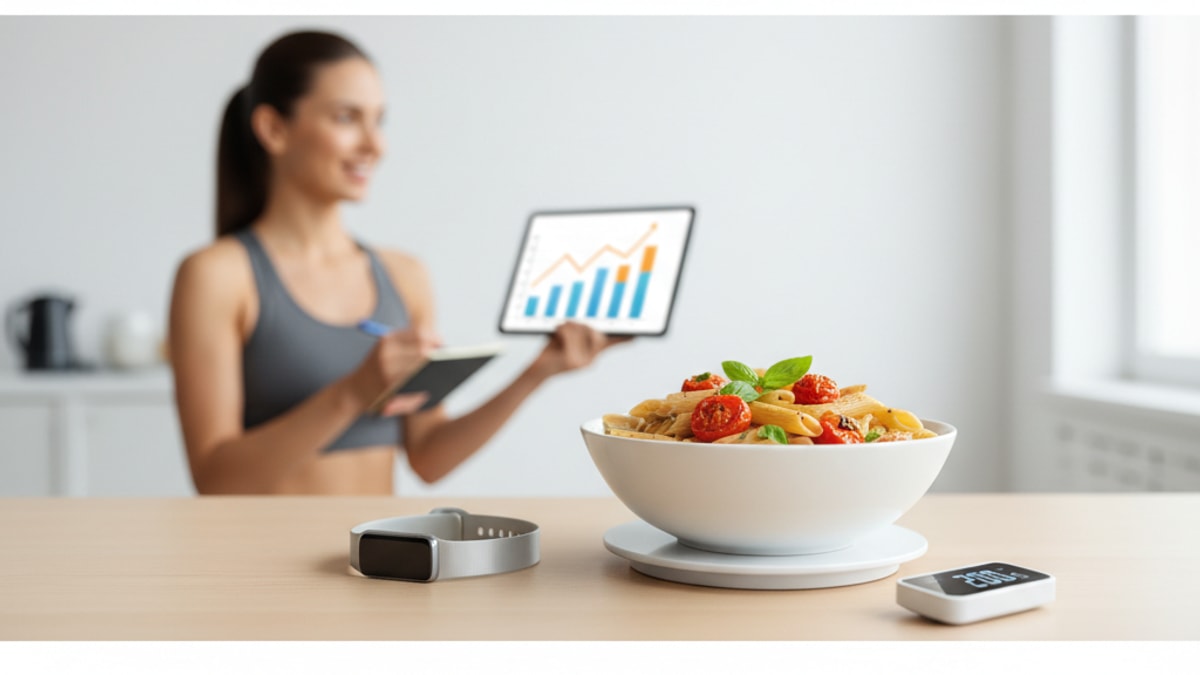
The Pasta Paradox: Why We Fear the Foods We Love
Let's be honest. The question "is pasta healthy for weight loss?" is loaded. For so many people, pasta represents comfort, family, and pure culinary joy. Yet, in the world of weight management, it’s often painted as a formidable villain—a carb-heavy indulgence that can single-handedly sabotage your progress. Our team at TrimrX hears this all the time. Patients come to us, convinced they have to give up their favorite foods forever to see real, sustainable results. They've been told that carbs are the enemy, and pasta is their general.
But is that the unflinching reality? We've found that this black-and-white thinking is not only unhelpful, it's often counterproductive. Depriving yourself of foods you genuinely love can lead to a vicious cycle of restriction, craving, and eventual overindulgence. It’s a pattern we see constantly. The real conversation isn't about whether pasta is 'good' or 'bad.' It's far more nuanced. The key is understanding the science behind how your body processes foods like pasta and learning how to make it work for your goals, not against them. This is about strategy, not sacrifice.
Deconstructing the Noodle: What's Actually in Your Pasta?
Before we can label pasta, we need to understand what it is at a fundamental, biochemical level. At its core, traditional pasta is incredibly simple: flour (usually durum wheat semolina), water, and sometimes eggs. This mixture is kneaded, shaped, and dried. The primary macronutrient here is, of course, carbohydrates. And that’s where the trouble seems to start for most people.
Carbohydrates are your body's preferred energy source. When you eat them, your digestive system breaks them down into glucose (sugar), which enters your bloodstream. This triggers your pancreas to release insulin, a hormone that acts like a key, unlocking your cells to allow glucose to enter and be used for energy. Anything left over gets stored, first in your muscles and liver as glycogen, and then, if there's still an excess, as fat. This biochemical cascade is normal and necessary for life.
The problem isn't the process itself; it's the scale and speed of it. A massive, rapid influx of glucose from highly refined carbohydrates can lead to a significant insulin spike. Over time, frequent, large spikes can contribute to insulin resistance, a condition where your cells become less responsive to insulin's signals. This makes it harder for your body to manage blood sugar and can make weight loss a difficult, often moving-target objective. But here's the critical piece of information: not all pasta is created equal, and the way it's prepared and consumed can dramatically alter this entire response. It's not just the noodle; it's the entire ecosystem on your plate.
The Glycemic Index and Why It's Not the Whole Story
You've probably heard of the Glycemic Index (GI). It's a scale from 0 to 100 that ranks carbohydrate-containing foods by how much they raise blood glucose levels. Pure glucose is a 100. Foods with a high GI (70+) are digested and absorbed quickly, causing a rapid spike in blood sugar. Foods with a low GI (55 or less) are digested more slowly, leading to a gentler, more gradual rise.
Here’s where it gets interesting. White bread, for example, has a GI of around 75. A boiled potato can be even higher. So, where does pasta fall? Surprisingly, most pasta has a moderate GI, typically between 45 and 60, depending on the type and cooking method. This is significantly lower than many other refined carb sources. Why? The physical structure of pasta, created by the protein network (gluten) in durum wheat, traps the starch granules. This makes them harder for your digestive enzymes to break down, slowing the release of glucose into your bloodstream. It’s a built-in feature that gives pasta an unexpected metabolic advantage.
But the GI is just one tool, and it has its limitations. It doesn't account for portion size (that's where the Glycemic Load comes in) or, more importantly, what else you're eating with the pasta. Nobody eats a bowl of plain, boiled noodles. You add sauce, protein, fat, and fiber (from vegetables). Each of these components further slows down digestion and blunts the overall glycemic response of the meal. This is a point we can't stress enough: a food's effect on your body is never in isolation. It's about the synergistic effect of the entire meal.
Portion Distortion: The Real Culprit in the Pasta Debate
Honestly, the biggest issue we see isn't the pasta itself, but the sheer volume of it on the plate. Over the last few decades, portion sizes have exploded. What a restaurant serves as a single portion of pasta could easily be three or even four official serving sizes. A true serving of cooked pasta is about one cup. That’s it.
When you consume a massive bowl of pasta, even with its moderate GI, you're still delivering a huge load of carbohydrates to your system. Your body can only use so much glucose for immediate energy and store so much as glycogen. The rest has to go somewhere. The result is a significant insulin surge designed to clear that excess glucose from your blood, and much of that excess is destined for fat storage. This isn't the pasta's fault; it's a consequence of quantity.
Our team recommends a very practical exercise: for one week, actually measure out a proper serving of pasta. Use a measuring cup. It's often a shocking, eye-opening experience for our patients. They realize that their 'normal' bowl is far from it. Re-calibrating your perception of a correct portion size is one of the most powerful changes you can make. It allows you to enjoy the food you love without overloading your metabolic system. It's a simple, mechanical change with profound biological effects.
How to Make Pasta a Weight Loss Ally, Not an Enemy
So, how do we turn this knowledge into a practical strategy? It comes down to a few key principles that we've refined over years of clinical practice. This is about making pasta work within a healthy, sustainable weight loss framework.
First, cook it 'al dente,' which means 'to the tooth' in Italian. When pasta is cooked until it's firm and has a slight bite, it retains more of its structural integrity. This means the starch is less gelatinized and harder to digest, resulting in a lower glycemic response compared to soft, overcooked pasta. Simple, right?
Second, always pair it with the three magic components: protein, fiber, and healthy fats. Never eat a naked bowl of pasta with just a simple tomato sauce. Add grilled chicken, shrimp, or lean ground turkey for protein. Load it up with non-starchy vegetables like broccoli, spinach, bell peppers, and zucchini for fiber. Drizzle it with a bit of extra virgin olive oil for healthy fats. Each of these additions slows gastric emptying—the rate at which food leaves your stomach. This not only flattens the blood sugar curve but also dramatically increases satiety, helping you feel fuller for longer on a smaller portion of pasta.
And another consideration: timing. For some people, consuming the bulk of their carbohydrates earlier in the day when they are more active can be beneficial. Eating a large pasta meal right before bed, when your metabolism is naturally slowing down, might not be the most optimal strategy for fat loss. This isn't a hard-and-fast rule, but it's a variable worth experimenting with to see how your body responds.
Whole Wheat vs. White Pasta: A Head-to-Head Comparison
Choosing the right type of pasta can also give you a significant metabolic edge. While traditional pasta made from refined semolina isn't the villain it's made out to be, switching to whole wheat can offer tangible benefits for weight management. Whole wheat pasta is made from the entire grain, including the bran and germ, which are stripped away during the refining process for white pasta. This makes a huge difference in its nutritional profile.
Here's a straightforward breakdown of what we're talking about:
| Feature | Refined White Pasta | Whole Wheat Pasta |
|---|---|---|
| Fiber Content | Low (approx. 2.5g per serving) | High (approx. 6g per serving) |
| Protein | Moderate | Slightly Higher |
| Glycemic Index | Moderate (around 50-60) | Lower (around 37-45) |
| Nutrient Density | Lower in micronutrients | Richer in B vitamins, magnesium, and iron |
| Satiety Effect | Good, but can be less filling | Excellent, due to higher fiber and protein content |
| Taste & Texture | Soft, smooth, familiar | Nuttier, chewier, more robust |
Our experience shows that the increased fiber in whole wheat pasta is a game-changer. Fiber is indigestible, so it adds bulk to your meal without adding calories, promoting a feeling of fullness. It also acts like a brake on digestion, further slowing the absorption of glucose. While the taste and texture might take some getting used to, many people come to prefer its heartier quality, especially when paired with robust sauces and ingredients.
Beyond the Noodle: The Power of What You Pair It With
We've touched on this, but it deserves its own spotlight. The sauce and toppings you choose can either make or break your pasta meal from a weight loss perspective. This is where a seemingly 'healthy' meal can become a catastrophic calorie bomb.
Cream-based sauces like Alfredo or carbonara are notoriously high in saturated fat and calories. A single serving can easily pack over 1,000 calories before you even account for the pasta itself. Jarred sauces can also be insidious sources of hidden sugar and sodium. We always recommend our patients read the labels. You'd be shocked at how much sugar is packed into some popular brands.
Your best bet is to build your own sauce or choose wisely. A simple tomato-based marinara or arrabbiata is a great foundation. From there, think about adding value, not just flavor. Sautéed garlic, onions, mushrooms, and bell peppers add immense flavor and nutrients with minimal calories. Incorporating a lean protein source is a non-negotiable element. It turns the meal from a simple carb dish into a balanced, macronutrient-complete plate that supports muscle maintenance and satiety. A sprinkle of Parmesan cheese is fine—it adds a ton of flavor for relatively few calories—but avoid burying your dish under a mountain of melted mozzarella.
Think of the pasta as the vehicle, not the main event. The protein and vegetables should occupy the most space on your plate. This visual trick helps to naturally control the pasta portion while maximizing nutrient intake and fullness. It's a complete psychological and physiological shift in how you approach the meal.
The Role of Metabolism in Processing Carbs Like Pasta
It’s also crucial to acknowledge that we don't all process carbohydrates in the same way. Your individual metabolism, insulin sensitivity, activity level, and even your genetics play a significant role. For an athlete who trains for hours a day, a large bowl of pasta can be excellent fuel to replenish glycogen stores. For a sedentary individual with pre-existing insulin resistance, that same bowl could have a very different, less favorable metabolic consequence.
This is where personalized medicine and medically-supervised weight loss programs, like what we offer at TrimrX, become so valuable. We move beyond generic advice. Modern treatments, including GLP-1 medications like Semaglutide and Tirzepatide, fundamentally change the conversation around foods like pasta. These medications work by mimicking natural hormones that regulate appetite and blood sugar. They slow down gastric emptying, which means you feel full much faster and for much longer. They also improve your body's insulin response, helping to manage the glucose from your meal more effectively.
For our patients on these treatments, a small, well-balanced portion of pasta can be incredibly satisfying and fit perfectly within their plan. The medication provides a biological safety net, enhancing the body's natural satiety signals and preventing the blood sugar rollercoaster that can lead to cravings and overeating. It allows them to re-integrate feared foods in a controlled, mindful way. If this sounds like a path you'd like to explore, you can Take Quiz to see if you might be a candidate for our program.
When Pasta Might Not Be the Right Choice
Despite everything we've discussed, there are situations where pasta might need to take a backseat, at least temporarily. For individuals following a very low-carbohydrate or ketogenic diet for specific therapeutic reasons, traditional pasta is simply incompatible with their goals.
Additionally, people with celiac disease or a non-celiac gluten sensitivity must avoid wheat-based pasta. While there are many gluten-free alternatives made from rice, corn, or legumes, it's important to read their labels carefully. Some are highly refined and can have a higher glycemic index than regular pasta, while others, like chickpea or lentil pasta, are fantastic choices packed with protein and fiber.
Ultimately, it's about listening to your body. If you feel sluggish, bloated, or tired after eating pasta, regardless of the portion size, it might not be the best fuel for you. Your personal bio-feedback is the most important data you have. Paying attention to it is a critical skill for long-term health and weight management.
Integrating Pasta into a Modern Weight Loss Plan
Let's bring this all together. Pasta can absolutely be part of a healthy and successful weight loss journey. It is not an enemy to be vanquished. It's a food to be understood and respected.
The strategy is clear:
- Control the Portion: Start with a one-cup serving size. No exceptions.
- Choose Wisely: Opt for whole wheat or legume-based pastas whenever possible to boost fiber and protein.
- Cook it Right: Always cook it al dente to lower its glycemic impact.
- Build a Balanced Plate: Prioritize lean protein and load up on non-starchy vegetables. Make pasta the supporting actor, not the star.
- Be Smart with Sauces: Stick to tomato-based or olive oil-based sauces and avoid creamy, high-calorie options and those with hidden sugars.
This approach transforms pasta from a 'cheat meal' into a legitimate, satisfying, and nutritionally sound part of your weekly menu. It removes the guilt and fear, replacing them with empowerment and strategy. It's about enjoying your food mindfully and making conscious choices that align with your health objectives.
Creating a sustainable, enjoyable relationship with food is the ultimate goal. It's the foundation upon which long-term success is built. The endless cycle of restriction and bingeing is exhausting and ineffective. If you're ready to move beyond that and build a comprehensive plan that works for your unique biology, it might be time to Start Your Treatment Now. You can eat the foods you love and achieve the results you want. They are not mutually exclusive.
Frequently Asked Questions
Can I eat pasta every day and still lose weight?
▼
While technically possible with strict portion control and balancing, we don’t typically recommend it. Variety is key for nutrient diversity and adherence. Aim to incorporate pasta as part of a varied, balanced diet a few times a week rather than daily.
What is the best time of day to eat pasta for weight loss?
▼
Many people find it beneficial to eat carbohydrate-rich meals like pasta earlier in the day, such as for lunch. This gives your body more time to use the energy provided. However, individual response varies, and the total daily calorie balance remains the most crucial factor.
Are gluten-free pastas healthier for weight loss?
▼
Not necessarily. Gluten-free pastas made from refined rice or corn can have a higher glycemic index than regular pasta. However, those made from legumes like chickpeas or lentils are excellent choices as they are high in both protein and fiber, promoting greater satiety.
How much does cooking pasta ‘al dente’ really help?
▼
It makes a measurable difference. Cooking pasta al dente preserves its firm structure, which slows down the digestion of its starches. This results in a lower, more gradual rise in blood sugar compared to soft, overcooked pasta, which is beneficial for weight management.
Does the shape of the pasta matter for weight loss?
▼
No, the shape itself has no direct impact on the pasta’s nutritional content or its effect on weight loss. The key factors are the ingredients it’s made from (whole wheat vs. white), the portion size, and what you serve with it.
Is fresh pasta better than dried pasta for weight loss?
▼
Not really. Fresh pasta often contains eggs, which adds a bit of protein, but it’s also less dense, so people tend to eat larger portions. Dried pasta, especially whole wheat, is often a more reliable choice for managing portions and maximizing fiber.
Will adding olive oil to my pasta make me gain weight?
▼
In moderation, no. Healthy fats like extra virgin olive oil are calorie-dense but also slow down digestion and increase satiety. A drizzle of olive oil can help blunt the meal’s glycemic response and make it more filling, which is a net positive for weight management.
What’s a better choice: pasta or rice?
▼
It depends on the type. Brown rice and whole wheat pasta are both good complex carb choices. Surprisingly, regular white pasta often has a lower glycemic index than white rice, making it a slightly better choice from a blood sugar perspective if you’re choosing between refined grains.
Can medications like Semaglutide help me eat pasta without guilt?
▼
Yes, in a way. GLP-1 medications like Semaglutide slow stomach emptying, making you feel full much faster on a smaller portion. This allows patients to enjoy foods like pasta in moderation without overeating, helping to break the cycle of restriction and guilt.
Should I avoid pasta the night before a weigh-in?
▼
Carbohydrates cause your body to retain some water as they are stored as glycogen. Eating a pasta dinner could lead to a temporary increase on the scale the next morning due to water weight, not actual fat gain. It’s a temporary fluctuation that doesn’t reflect true progress.
Are ‘low-carb’ pastas a good option?
▼
They can be, but it’s crucial to read the ingredients. Some are excellent, made from high-fiber ingredients like lupini flour or shirataki. Others might contain less desirable fillers. Always check the nutrition label for fiber content and total net carbs.

Transforming Lives, One Step at a Time
Keep reading

Obesity and Low Testosterone
**Can obesity cause low testosterone?** Yes. Obesity can lower testosterone, and the relationship often runs in both directions.

Top 6 Best Weight Loss Medications in 2026
Prescription weight loss medication has gone mainstream. What was once a quiet corner of obesity medicine is now one of the most talked-about categories…

Top 8 Best Telehealth for Weight Loss in 2026
Finding the best telehealth for weight loss used to be a time-consuming process that involved hours of research, murky pricing pages, and a fair…


