What Is the Best Vitamin for Weight Loss? Our Experts Weigh In
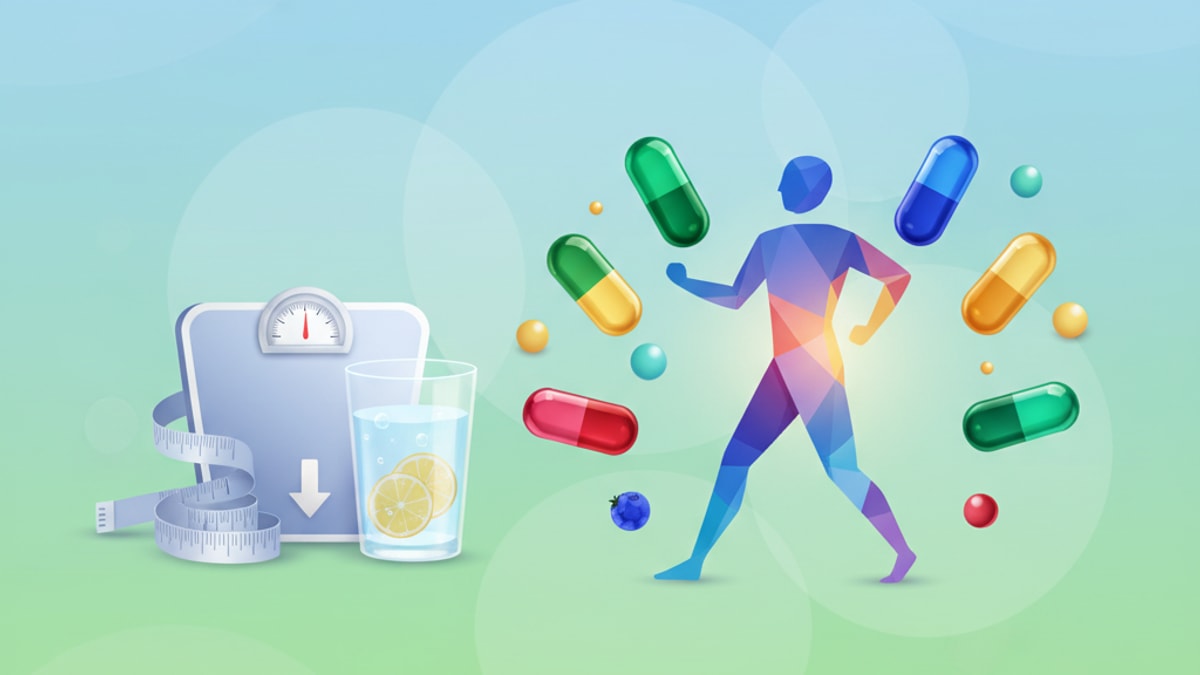
Let's start with an unflinching bit of honesty. The search for the single best vitamin for weight loss is a bit like searching for a single key that opens every door in a sprawling mansion. It's a tempting idea. A simple solution to a complex, often frustrating challenge. We get it. The internet is flooded with claims about miracle pills and metabolism-boosting elixirs that promise to melt fat away. But our experience at TrimrX, working with thousands of patients on their weight loss journeys, has shown us something different. Something more effective.
The truth is, there isn't one magic vitamin. There isn't. Instead, there's a team of critical micronutrients that act as catalysts—the essential support crew for your body's metabolic engine. They don't drive weight loss on their own, but without them, the entire process can grind to a halt. They are the difference between a body struggling to function and one that is primed for success, especially when combined with a medically-supervised program that addresses the core biology of weight management.
Let's Be Clear: There's No Single "Best" Vitamin for Weight Loss
We really need to reframe the question. Instead of asking, "What is the best vitamin for weight loss?" a far more powerful question is, "Which vitamins best support my body's metabolic processes so my weight loss efforts are actually effective?" See the shift? It moves from seeking a magic bullet to building a robust, resilient system. This is the philosophy that underpins everything we do.
Your body is an incredibly complex network of hormonal signals, chemical reactions, and energy pathways. Weight loss isn't just about calories in, calories out; it's about hormonal balance, insulin sensitivity, energy conversion, and cellular health. Vitamins and minerals are the microscopic cogs and gears that make all of this machinery run smoothly. When you're deficient in one of these key players, your body sends out subtle (and sometimes not-so-subtle) distress signals. Fatigue. Brain fog. Sluggishness. Cravings. These are roadblocks on your path to a healthier weight, and they can make even the most determined effort feel like a formidable, uphill battle.
Our team has seen it countless times: a patient is doing everything 'right'—they're adhering to their plan, they're starting to see results from their GLP-1 treatment, but they still feel completely drained. Nine times out of ten, a simple blood test reveals a deficiency in a key nutrient like Vitamin B12 or iron. Once we address that deficiency, it’s like a light switch is flipped. Their energy returns, their focus sharpens, and their progress accelerates. That's the power of nutritional support. It’s not the engine of weight loss, but it's the high-quality oil that keeps the engine from seizing up.
The B-Vitamin Complex: Your Metabolic Powerhouse
When people talk about vitamins for energy and metabolism, they're almost always talking about the B-vitamin family. This isn't just marketing hype; it's biochemistry. The B-complex is a group of eight different water-soluble vitamins that play a direct role in converting the food you eat—proteins, fats, and carbohydrates—into usable energy, a process known as cellular respiration.
Think of them as the spark plugs for your metabolic engine. You can have a full tank of premium fuel (a healthy diet), but without the spark plugs firing correctly, you're not going anywhere. Here’s a quick rundown of the key players:
- Thiamine (B1), Riboflavin (B2), Niacin (B3), Pantothenic Acid (B5): These are the foundational workers on the energy production line. They are absolutely critical for breaking down nutrients.
- Vitamin B6 (Pyridoxine): This one is a multi-tasker. It's involved in over 100 enzyme reactions, primarily related to protein metabolism. It's also essential for creating neurotransmitters like serotonin and dopamine, which influence mood and appetite.
- Vitamin B12 (Cobalamin): This is the one everyone asks about, and for good reason. B12 is vital for red blood cell formation and neurological function. A deficiency can lead to a specific type of anemia that causes profound fatigue and weakness. It's a classic saboteur of weight loss efforts because if you're too tired to even think about being active, progress is nearly impossible. Our medical team often identifies B12 deficiency in patients, especially those who follow plant-based diets, as it's primarily found in animal products.
So, do B-vitamin injections or supplements cause weight loss directly? No. We can't stress this enough. Taking extra B vitamins won't magically rev up your metabolism to burn more calories if your levels are already sufficient. However, if you are deficient—and many people are without realizing it—correcting that deficiency can have a dramatic impact on your energy levels. More energy makes it easier to exercise, stay motivated, and make healthier food choices. It removes a massive barrier to success. That's the real benefit.
Vitamin D: The "Sunshine Vitamin" and Its Surprising Role
Now, this is where it gets interesting. For years, we thought of Vitamin D primarily in the context of bone health. But a growing body of research has uncovered a fascinating and significant link between Vitamin D status and body weight. Studies have consistently shown that people who are overweight or obese tend to have lower levels of Vitamin D than those at a healthy weight.
Is the low Vitamin D causing the weight gain, or does excess body fat somehow lower Vitamin D levels? The science is still evolving, but the connection is undeniable. We believe it likely works both ways. Fat cells can sequester Vitamin D, taking it out of circulation and making it less available for the body to use. At the same time, Vitamin D functions almost like a hormone, and it appears to play a role in regulating other hormones, including insulin and leptin. Leptin is the hormone that tells your brain, "Hey, we're full, you can stop eating now." When that signaling pathway is disrupted, it can lead to overeating and weight gain.
Our professional observation is that a significant percentage of patients beginning a weight loss program have suboptimal Vitamin D levels. It's incredibly common. Given its potential role in mood, immune function, and metabolic health, ensuring adequate levels is a critical, non-negotiable element of our comprehensive care. We don't just focus on the number on the scale; we focus on whole-body health, and that includes optimizing your vitamin status. You can get Vitamin D from sun exposure and some foods like fatty fish and fortified milk, but for many, supplementation is necessary to reach optimal levels.
The Unsung Heroes: Iron, Magnesium, and Calcium
Beyond the headline-grabbing B-vitamins and Vitamin D, there are other minerals that provide foundational support for anyone on a weight loss journey. They might not be glamorous, but they are absolutely essential.
Iron: Much like Vitamin B12, iron is all about energy. It's a core component of hemoglobin, the protein in red blood cells that carries oxygen from your lungs to the rest of your body, including your muscles. When you're iron-deficient, your body is literally starved for oxygen. The result? Exhaustion. Weakness. Shortness of breath. Trying to maintain a consistent exercise routine with an iron deficiency is nearly impossible. It feels like you're running through deep mud. Women of childbearing age and individuals who eat little red meat are at a higher risk for deficiency.
Magnesium: This is the master mineral. It’s a cofactor in more than 300 enzyme systems that regulate everything from protein synthesis and muscle function to blood glucose control and blood pressure. We've found that magnesium is particularly important for insulin sensitivity. Better insulin sensitivity means your body is more efficient at using glucose for energy instead of storing it as fat. It can also help with sleep quality and stress management—two factors that have a massive impact on weight control and cortisol levels.
Calcium: While its star role is in building strong bones, some clinical studies have suggested a link between higher calcium intake and improved body composition. The proposed mechanism is that calcium may play a role in regulating how fat is stored and broken down in cells. While it's not a powerful weight loss agent on its own, it’s another piece of the synergistic puzzle of a well-nourished body.
A Quick Comparison: Key Players in Metabolic Support
To make this easier to digest, we've put together a simple table outlining these key nutrients. Think of this as your cheat sheet for understanding how these micronutrients support your body.
| Nutrient | Primary Role in Metabolism | Common Deficiency Sign | Best Food Sources |
|---|---|---|---|
| B-Vitamin Complex | Converts food (carbs, fats, proteins) into usable energy (ATP). | Fatigue, brain fog | Lean meats, eggs, dairy, legumes, leafy greens |
| Vitamin D | Influences hormone regulation, including insulin and leptin. | Mood changes, fatigue | Fatty fish (salmon), fortified milk, sun exposure |
| Iron | Essential for oxygen transport to muscles and tissues. | Extreme fatigue, weakness | Red meat, poultry, spinach, lentils, fortified cereals |
| Magnesium | Regulates blood sugar, supports insulin sensitivity. | Muscle cramps, poor sleep | Nuts, seeds, whole grains, dark leafy greens |
How Vitamins Complement Modern Weight Loss Treatments
This is the part that truly excites our team. We're in a revolutionary era of weight management, with powerful, FDA-registered GLP-1 medications like Semaglutide and Tirzepatide. These treatments are game-changers. They work by targeting the underlying biology of appetite and satiety, helping patients feel fuller longer and reducing food cravings. They are incredibly effective.
But they are not a substitute for good nutrition. In fact, nutritional support becomes even more important when you're using these medications. Here's why: GLP-1s help you eat less. This is great for creating a calorie deficit, but it also means your 'margin for error' with nutrition shrinks. Every bite you take needs to be packed with the vitamins and minerals your body needs to thrive. You have fewer opportunities to get the good stuff in.
This is where a medically-supervised approach makes all the difference. We don't just prescribe a medication and send you on your way. That's not effective, and frankly, it's not responsible. Our program integrates advanced treatments with a deep focus on nutritional status. We see vitamins and GLP-1s as a powerful partnership. The medication helps control your appetite and reset your body's metabolic baseline, while a full complement of vitamins ensures your body has the raw materials it needs to burn fat efficiently, maintain energy levels, and preserve lean muscle mass. If you're curious about how this integrated approach works, you can Take Quiz to see if you're a candidate for our program.
Should You Be Taking Supplements? A Word of Caution from Our Experts
Walking down the supplement aisle can be overwhelming. Brightly colored bottles make bold promises. So, should you just grab a multivitamin and a bottle of B12 and hope for the best? We strongly advise against it.
Self-prescribing supplements is a bad idea. It's guesswork. You might be taking things you don't need (which can be a waste of money or even harmful in high doses) while completely missing the deficiency that's actually holding you back. The only way to know for sure what your body needs is through a comprehensive blood panel and a consultation with a medical professional. This data-driven approach removes the guesswork and allows for a targeted, effective strategy.
Furthermore, our philosophy is always 'food first.' A diverse, nutrient-dense diet is the absolute best source of vitamins and minerals. Supplements are just that—a supplement to fill in the gaps that diet alone can't cover. They are a tool, not a crutch. The goal is to build sustainable, healthy eating habits that will serve you for a lifetime, not to become reliant on a cabinet full of pills.
Building a Sustainable Plan: Beyond the Pill Bottle
So, we've come full circle. The answer to "what is the best vitamin for weight loss" isn't a single nutrient. It's not B12. It's not Vitamin D. It’s the entire synergistic system. It's about ensuring your body is functioning at its absolute peak, free from the deficiencies that cause fatigue and sabotage your efforts.
True, sustainable weight loss is built on several pillars working in harmony:
- Powerful Medical Tools: Leveraging breakthroughs like GLP-1 medications to address the biological drivers of weight gain.
- Expert Medical Supervision: Having a team of professionals to guide you, monitor your progress, and adjust your plan based on real data.
- Complete Nutritional Support: Identifying and correcting any vitamin or mineral deficiencies to optimize your energy and metabolism.
- Sustainable Lifestyle Changes: Incorporating activity, sleep, and stress management into your life in a way that feels good and lasts long-term.
When these four pillars are in place, the results can be truly transformative. It's about moving beyond the frustrating cycle of dieting and deprivation and stepping into a new reality where you work with your body's biology, not against it. When you're ready to build that system with expert guidance, it's easy to Start Your Treatment.
Forget the search for a single magic pill. The real magic happens when you give your body all the support it needs to succeed. It's about a comprehensive strategy, not a solitary solution. That's the key. That’s how lasting change is made.
Frequently Asked Questions
Can I lose weight just by taking B12 shots?
▼
No. While B12 shots can be highly effective at correcting a deficiency and boosting your energy levels, they do not directly cause weight loss. Our team views them as a supportive tool that makes it easier to stay active and motivated, not as a standalone solution.
Does Vitamin D deficiency cause weight gain?
▼
The relationship is complex, but there is a strong correlation. Low Vitamin D levels are very common in individuals with obesity. While it may not be a direct cause, it can disrupt hormones that regulate appetite and fat storage, making weight management more difficult.
Is it better to get vitamins from food or supplements?
▼
Our philosophy is always ‘food first.’ A balanced, nutrient-rich diet is the best foundation. Supplements should be used strategically to fill specific, identified gaps in your nutrition, ideally based on bloodwork and medical guidance.
What’s the one vitamin I should take for energy while dieting?
▼
There isn’t just one. The B-vitamin complex, particularly B12, and iron are the most critical for energy production. A deficiency in either can lead to significant fatigue, so it’s important to ensure your levels of both are adequate.
Do GLP-1 medications like Semaglutide deplete certain vitamins?
▼
The medications themselves don’t typically deplete vitamins. However, because they reduce appetite and food intake, it becomes even more crucial to ensure the food you do eat is nutrient-dense to avoid developing deficiencies. This is a key part of our medically-supervised programs.
How do I know if I have a vitamin deficiency?
▼
While symptoms like fatigue or brain fog can be clues, the only definitive way to know is through a blood test. This allows for a precise, data-driven approach to supplementation, which is what we recommend at TrimrX.
Are ‘fat-burning’ supplements a scam?
▼
We advise extreme caution. Most over-the-counter ‘fat-burning’ supplements are not backed by rigorous scientific evidence and can contain unregulated stimulants. Effective weight management comes from addressing biology and nutrition, not from so-called magic pills.
Can magnesium help with weight loss plateaus?
▼
Magnesium can be a helpful supporting nutrient. It plays a key role in blood sugar regulation and insulin sensitivity. Improving these factors can sometimes help overcome a plateau, as it makes your body more efficient at using energy.
What is the best vitamin for belly fat?
▼
There is no vitamin that specifically targets belly fat. Spot reduction is a myth. A comprehensive weight loss strategy that includes a healthy diet, exercise, and proper hormonal and metabolic support will lead to overall fat loss, including from the abdominal area.
How does TrimrX support nutritional needs during treatment?
▼
Our approach is holistic. We start with understanding your unique physiology, which includes assessing for potential nutritional deficiencies. Our medical team provides guidance to ensure you’re well-nourished while on our GLP-1 programs, maximizing your results and well-being.
Can taking too many vitamins be harmful?
▼
Yes, absolutely. While water-soluble vitamins (like B and C) are generally excreted if you take too much, fat-soluble vitamins (A, D, E, K) can build up to toxic levels in the body. This is why medical supervision is so important.
Should I take a multivitamin for weight loss?
▼
A multivitamin can be a good ‘insurance policy’ to cover basic nutritional needs, especially when you’re reducing calorie intake. However, it may not be sufficient to correct a significant, pre-existing deficiency in a specific nutrient like iron or Vitamin D.

Transforming Lives, One Step at a Time
Keep reading

Top 5 Best Weight Loss Programs for Beginners in 2026
Starting a weight loss journey means sorting through GLP-1 medication ads, apps that gamify your groceries, and online weight management programs promising a doctor…

What to Do With a Full Pantry You No Longer Eat From
Sort it into three piles rather than clearing it all out: donate, keep, and discard. The mistake most people make is emptying the whole…

How to Handle a Business Dinner When the Client Orders for the Table
This is the one dining situation where your usual tools do not work. You cannot order a starter as your main, cannot ask for…


