Is Watermelon Healthy for Weight Loss? Our Team Weighs In
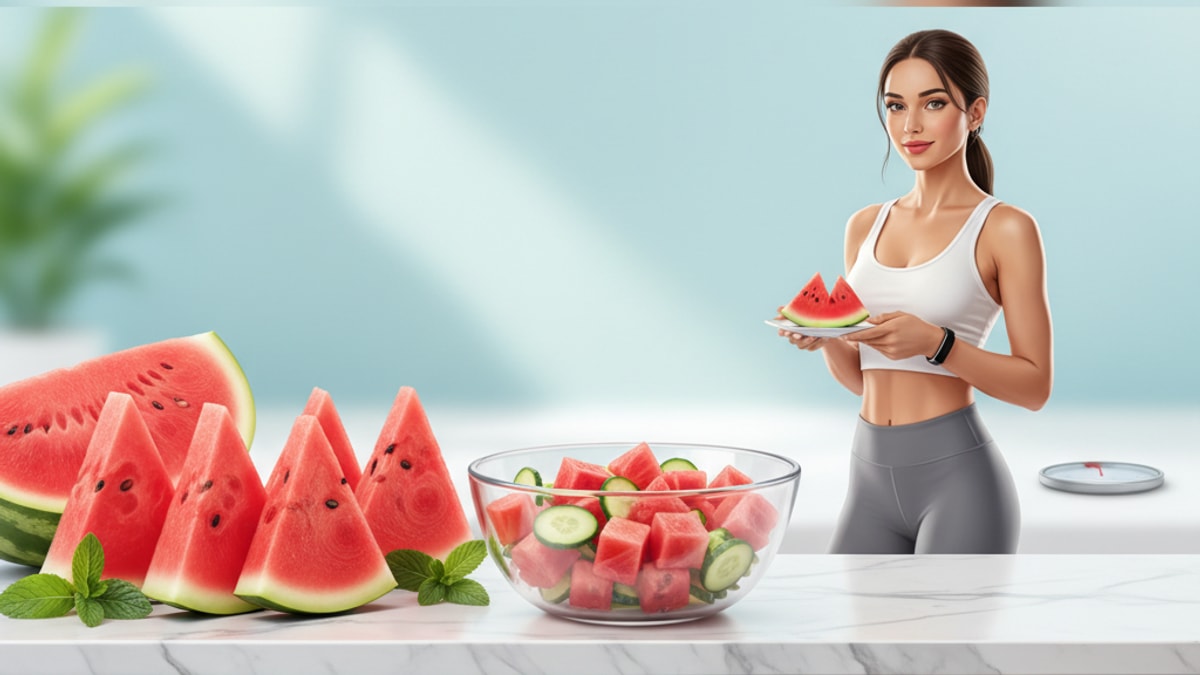
Summertime arrives, and with it, the inevitable platter of glistening, ruby-red watermelon at every cookout and gathering. It’s sweet, refreshing, and feels like a guilt-free indulgence. But when you’re serious about your weight loss journey, that little voice of doubt can creep in. Is this just sugar and water? Is it secretly derailing my progress? You’re not alone in asking. We get questions like this all the time from people who are tired of the confusing, often contradictory, advice that saturates the health and wellness space.
Here at TrimrX, our entire approach is rooted in medical science and a holistic understanding of metabolic health. We guide our patients through comprehensive, medically-supervised weight loss programs, often leveraging powerful tools like GLP-1 medications. But we know that long-term, sustainable success isn't just about a prescription. It's about building a new relationship with food—one based on knowledge, not fear. So, when it comes to the question, 'is watermelon healthy for weight loss?', our team doesn't just give a simple yes or no. We look at the data, the biological mechanisms, and the practical application. Let’s break it down.
Let's Cut to the Chase: The Calorie Question
First things first, let's talk numbers. Because at a fundamental level, weight management involves energy balance. The brilliant thing about watermelon is its incredibly low calorie density. This is a term we use to describe the number of calories in a given volume of food. Foods with low calorie density allow you to eat a larger, more satisfying portion for fewer calories.
Think about it. Watermelon is over 90% water.
This composition is its superpower. A full cup of diced watermelon contains only about 46 calories. Compare that to other common snacks. A small handful of almonds, while packed with healthy fats, can easily top 160 calories. A single-serving bag of pretzels is around 110 calories, with very little nutritional value to show for it. That 'healthy' granola bar you grab on the go? It could be packing 200 calories or more, often loaded with added sugars. Watermelon gives you volume, sweetness, and satisfaction for a fraction of the caloric cost. This concept, often called 'volume eating,' is something our team consistently emphasizes. It’s a psychological and physiological win. You fill your stomach, your brain registers that you've eaten a substantial amount, and you feel fuller for longer, all while staying well within your calorie goals. It’s a simple, yet profoundly effective, strategy.
The Hydration Factor We Can't Ignore
We can't stress this enough: proper hydration is a critical, non-negotiable element of any effective weight loss plan. It impacts everything from your metabolism and energy levels to your body's ability to burn fat efficiently. And here’s a professional observation we’ve made countless times: people are chronically dehydrated, and they very often mistake thirst for hunger. Your brain’s signals for the two are remarkably similar. You feel a dip in energy or a pang of what you think is hunger, so you reach for a snack when what your body truly needed was water. This is a cycle that can lead to hundreds of extra, unnecessary calories consumed each day.
This is where watermelon truly shines. It’s not just a food; it’s a delicious source of hydration. Eating a cup of watermelon is almost like drinking a cup of nutrient-infused water. It helps you meet your daily fluid needs, which in turn keeps your metabolism humming and can dramatically reduce those false hunger cues. Our experience shows that when clients focus on hydration—through both water and water-rich foods like watermelon—they report fewer cravings and better appetite control. It's a foundational piece of the puzzle. Plus, watermelon contains electrolytes like potassium, which are vital for nerve function and muscle health, especially if you're incorporating more physical activity into your routine.
What About the Sugar? The Glycemic Index Breakdown
This is the big one. The question that causes the most hesitation. Watermelon is sweet, so it must be packed with sugar that will spike your blood glucose and lead to fat storage, right? It’s a reasonable concern, but the science is more nuanced than that. To understand this, we need to look beyond just 'sugar' and talk about two important concepts: the Glycemic Index (GI) and Glycemic Load (GL).
The Glycemic Index ranks foods on a scale from 0 to 100 based on how quickly they raise blood sugar levels after being eaten. Pure glucose is 100. Watermelon, admittedly, has a relatively high GI, typically around 72-80. Seeing that number in isolation can be alarming. But this is precisely why looking at GI alone is misleading. It doesn't account for a typical serving size.
That’s where Glycemic Load comes in. The GL is a more accurate, real-world measure because it takes into account both the GI and the amount of carbohydrates in a standard portion of that food. It's calculated by multiplying the GI by the grams of carbohydrate in a serving and dividing by 100. Because watermelon is mostly water, a standard serving doesn't actually contain that many carbohydrates. A one-cup serving has a Glycemic Load of only about 5. That's considered very low. For context, a GL of 10 or less is low, 11-19 is medium, and 20 or more is high. A baked potato, for example, can have a GL of over 20. This low GL means that a normal portion of watermelon will not cause the dramatic blood sugar spike you might fear. It’s a gentle rise, easily managed by your body. Our team has found that educating patients on the difference between GI and GL is a pivotal moment; it empowers them to make informed choices without needlessly fearing healthy, whole foods like fruit.
Nutrients That Pack a Punch for Weight Management
Beyond the calorie and sugar discussion, watermelon is a source of some surprisingly beneficial compounds that can support your overall health and, by extension, your weight management efforts. It's not just empty calories; it's functional food. One of the most notable compounds is an amino acid called L-citrulline. Your body converts L-citrulline into another amino acid, L-arginine, which plays a key role in producing nitric oxide. Nitric oxide helps relax and dilate your blood vessels, improving blood flow throughout your body.
Why does this matter for weight loss? Better blood flow means more efficient delivery of oxygen and nutrients to your muscles during exercise. Some studies suggest that L-citrulline can reduce muscle soreness and improve recovery time after a workout. When you feel better and recover faster, you're more likely to stay consistent with your fitness routine. And consistency is everything. This aligns perfectly with the holistic approach we foster at TrimrX. A weight loss journey is a combination of nutritional changes, increased activity, and, when appropriate, medical support. Foods that enhance your ability to be active are incredibly valuable.
Watermelon is also a fantastic source of lycopene, a powerful antioxidant responsible for its red color (it actually contains more lycopene than raw tomatoes). Antioxidants help protect your cells from damage, and maintaining good overall cellular health is fundamental to a well-functioning metabolism. It also provides a decent amount of Vitamin C, which is crucial for immune function and skin health. When your body is well-nourished and protected from oxidative stress, it's simply in a better position to release excess weight.
Watermelon vs. Other "Healthy" Snacks: A Reality Check
To put all this theory into practice, let's look at a direct comparison. It's one thing to talk about concepts like calorie density and glycemic load; it's another to see how watermelon stacks up against other snacks you might be choosing. The results can be genuinely eye-opening.
| Snack | Typical Serving | Est. Calories | Sugar (g) | Hydration Level | Satiety Factor | Notes |
|---|---|---|---|---|---|---|
| Diced Watermelon | 1 Cup (152g) | 46 | ~9g | Very High | Moderate | High volume, nutrient-rich, contains natural fiber. |
| "Healthy" Granola Bar | 1 Bar (40g) | 190 | ~15g | Very Low | Low to Moderate | Often highly processed with added sugars and oils. |
| Raw Almonds | 1/4 Cup (28g) | 164 | ~1g | Very Low | High | Calorie-dense but provides protein, fiber, and healthy fats. |
| Plain Greek Yogurt | 1 Container (170g) | 100 | ~6g | Moderate | Very High | Excellent source of protein which boosts satiety significantly. |
| Rice Cakes (2) | 2 Cakes (18g) | 70 | <1g | Very Low | Low | Low calorie but offers little nutrition or lasting fullness. |
What this table clearly shows is the trade-off. While almonds and Greek yogurt offer more protein and fat, leading to higher satiety, they also come with a higher calorie count. The granola bar, often marketed as a health food, is frequently a caloric and sugar disaster in a small package. Watermelon occupies a unique sweet spot: it delivers volume, hydration, and sweetness for the lowest calorie cost, making it an exceptionally smart choice for managing hunger and cravings without overconsuming energy. It's a tool for satisfaction.
How Our Team Recommends Integrating Watermelon
Knowing that watermelon is a good choice is one thing. Knowing how to use it strategically is another. We're not advocates for extreme, all-or-nothing diets. Instead, we believe in smart integration. Here’s how our professionals recommend incorporating watermelon into a weight loss plan for the best results.
First, portion control still matters. Just because it's low in calories doesn't mean you can eat an entire watermelon in one sitting. A serving of one to two cups is a great place to start. Second, think about pairing. While watermelon is great on its own, pairing it with a source of protein or healthy fat can enhance its benefits. The protein and fat slow down the absorption of the fruit's sugar, leading to even better blood sugar stability and increased satiety. Think a bowl of watermelon with a side of pistachios, or a watermelon and feta salad with a drizzle of olive oil. This combination turns a simple snack into a more balanced, satisfying mini-meal.
Timing can also be strategic. Because of its hydrating properties and easily digestible carbs, watermelon makes an excellent pre- or post-workout snack. It can help fuel your exercise or replenish your glycogen stores afterward. And let’s be honest, one of its greatest strengths is its ability to crush a sugar craving. When you're hit with a desire for dessert after dinner, a bowl of cold, crisp watermelon can satisfy that sweet tooth for a tiny fraction of the calories and sugar you'd get from ice cream, cookies, or cake. It’s a substitution that feels like a treat, not a sacrifice.
The Bigger Picture: Fruit's Role in a Medically-Supervised Plan
At TrimrX, we see the full picture of a person's health. We understand that sustainable weight loss is a complex interplay of biology, behavior, and mindset. Powerful medical treatments like Semaglutide and Tirzepatide are revolutionary tools that work by regulating appetite and improving how the body handles sugar. They create a biological environment that is highly conducive to weight loss. But they work best when paired with smart, sustainable lifestyle changes.
This is where foods like watermelon fit in so perfectly. Our medications help you feel full faster and stay full longer. High-volume, nutrient-dense foods amplify this effect. They allow you to honor your body's reduced hunger signals with foods that are both satisfying and nourishing. It’s about working with the medication, not against it. You're building habits that will serve you for the rest of your life. You’re learning that a healthy plate isn’t about barren salads and bland protein; it can be vibrant, delicious, and full of foods you genuinely enjoy. Fruit is not the enemy. In fact, a diet rich in a variety of fruits and vegetables is correlated with better long-term health outcomes across the board.
So, instead of fearing the sugar in a piece of fruit, we encourage you to see it as part of a package deal—a package that includes fiber, water, vitamins, minerals, and antioxidants. It's this synergy that makes whole foods so powerful. If you’re tired of the guesswork and ready to build a comprehensive strategy that combines medical science with practical, real-world nutrition, it may be time to see how our programs work. You can Take Quiz to see if you're a candidate for our medically-supervised approach.
Common Pitfalls to Avoid
Even with a 'healthy' food, there are a few common mistakes we see people make. Let's be clear about these so you can sidestep them.
The biggest one is simply overconsumption. Remember, the dose makes the poison. While a cup or two is great, eating half a watermelon every day will contribute a significant amount of sugar and calories that could stall your progress. Moderation is always the key.
Another major pitfall is watermelon juice. This is a crucial distinction. When you juice a fruit, you strip away the fiber—the very thing that helps slow down sugar absorption and makes you feel full. What you’re left with is essentially sugar water. It will spike your blood sugar far more dramatically than eating the whole fruit. Our team’s advice is unequivocal: always choose the whole fruit over the juice. Always.
Finally, don't fall into the trap of thinking watermelon is a meal replacement. It’s a fantastic snack, a refreshing dessert, or a hydrating side dish. But it lacks the protein, healthy fats, and overall nutrient diversity to constitute a balanced meal. Using it to replace breakfast or lunch will leave you hungry and under-nourished later in the day. Think of it as a valuable player on your team, not the entire team itself. If you're ready to build that winning team with expert guidance, we encourage you to Start Your Treatment now.
So, is watermelon healthy for weight loss? The answer from our team is a resounding yes—when consumed thoughtfully. It's a low-calorie, hydrating, nutrient-dense food that can help manage hunger, satisfy cravings, and support an active lifestyle. It's not a magic bullet, because no single food ever is. True, lasting success comes from a holistic strategy that addresses your unique biology and helps you build a healthier relationship with all foods. It’s about moving away from a mindset of restriction and fear, and toward one of empowerment, knowledge, and smart, delicious choices.
Frequently Asked Questions
Can I eat watermelon every day for weight loss?
▼
Yes, you can certainly include watermelon in your daily diet. As long as you stick to a reasonable portion, like 1-2 cups, it’s a fantastic low-calorie, hydrating option that can help you meet your weight loss goals without issue.
Does the sugar in watermelon cause belly fat?
▼
No single food causes fat gain in a specific area. Weight gain is caused by a consistent calorie surplus. Because watermelon has a low glycemic load, a normal portion won’t spike insulin in a way that promotes fat storage, making it a very safe choice for a weight loss plan.
What’s the best time of day to eat watermelon for weight loss?
▼
There’s no single ‘best’ time. It’s great as a hydrating snack mid-day to prevent afternoon slumps, as a pre- or post-workout refuel, or as a healthy dessert to satisfy a sweet tooth in the evening. The best time is whenever it helps you stick to your overall plan.
How much watermelon is too much on a diet?
▼
While it’s healthy, portion control is key. Our team generally recommends sticking to 1-2 cups per day. Consuming significantly more than that on a regular basis could add up in sugar and calories, potentially slowing your progress.
Is watermelon better than other fruits for weight loss?
▼
Watermelon is an excellent choice due to its high water content and low calorie density. Berries are also fantastic low-sugar options. The best approach is to eat a variety of fruits to get a wide range of nutrients.
Will watermelon kick me out of ketosis?
▼
Yes, most likely. Watermelon contains carbohydrates and natural sugars that are generally too high for a strict ketogenic diet, which requires very low carb intake to maintain a state of ketosis. It’s better suited for more flexible, calorie-controlled diets.
Should I avoid watermelon if I have diabetes?
▼
Not necessarily, but you should be mindful. Because of its low glycemic load, a small portion (about one cup) of watermelon is often fine for individuals with diabetes. It’s always best to monitor your own blood sugar response and consult with your healthcare provider.
Is watermelon juice as healthy as the whole fruit?
▼
No, it’s not. Juicing removes the beneficial fiber, which concentrates the sugar and causes a faster spike in blood sugar. Our team always recommends eating the whole fruit to get the full benefits of fiber, which aids in digestion and satiety.
Can the L-citrulline in watermelon really help my workouts?
▼
The L-citrulline in watermelon can help improve blood flow, which may reduce muscle soreness and enhance performance. While you’d need to eat a lot of watermelon to get a clinical dose, every little bit helps support an active lifestyle, which is crucial for weight management.
Is it okay to eat watermelon at night?
▼
Absolutely. It’s a light, hydrating, and low-calorie option that can satisfy late-night sweet cravings without the guilt of processed desserts. Its high water content might mean a trip to the bathroom, but from a nutritional standpoint, it’s a great choice.
Does watermelon help with bloating?
▼
It can. Watermelon’s high water and potassium content can help flush out excess sodium and water from your system, which can reduce bloating. However, for some people with sensitivities to certain fruit sugars (FODMAPs), it could potentially cause bloating.

Transforming Lives, One Step at a Time
Keep reading

Obesity and Low Testosterone
**Can obesity cause low testosterone?** Yes. Obesity can lower testosterone, and the relationship often runs in both directions.

Top 6 Best Weight Loss Medications in 2026
Prescription weight loss medication has gone mainstream. What was once a quiet corner of obesity medicine is now one of the most talked-about categories…

Top 8 Best Telehealth for Weight Loss in 2026
Finding the best telehealth for weight loss used to be a time-consuming process that involved hours of research, murky pricing pages, and a fair…


