Beyond Diet & Exercise: What Can Cause Weight Loss?
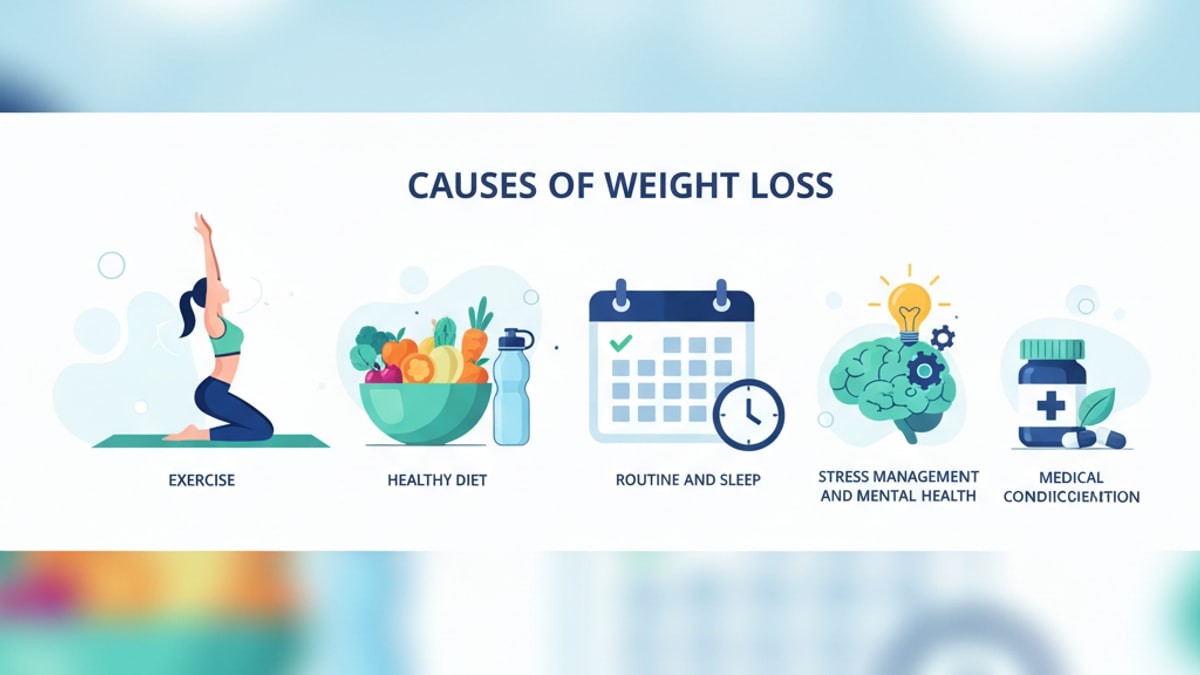
The Unseen Factors: What Can Cause Weight Loss?
We get it. The conversation around weight loss is almost always anchored to two things: diet and exercise. It’s the mantra we’ve all heard a thousand times—eat less, move more. And while there's undeniable truth to the physics of energy balance, our team has seen firsthand that for so many people, the story is profoundly more complex. It's a sprawling, nuanced narrative written in the language of hormones, genetics, and underlying health. When the number on the scale starts dropping unexpectedly, or when intentional efforts stall or backfire, looking beyond the basics isn't just helpful. It's critical.
So, what can cause weight loss? The real answer is, a lot. It’s not always about willpower or hitting the gym harder. Sometimes, it’s about a significant, sometimes dramatic shift happening inside your body that you might not even be aware of. As a biotechnology company focused on medically-supervised weight management, we’ve dedicated ourselves to understanding these intricate biological drivers. We're here to pull back the curtain on the less-discussed factors that can lead to weight loss, both intentional and unintentional. This isn't just about information; it's about empowerment. Understanding the 'why' is the first step toward taking meaningful control of your health.
First, Let's Address the Obvious (and Why It's Not Enough)
Of course, creating a caloric deficit is the fundamental mechanism for losing weight. If you consistently expend more energy than you consume, your body will tap into its stored reserves (fat and, unfortunately, sometimes muscle) to make up the difference. This is the principle behind every diet plan and workout regimen on the planet.
Simple, right?
Not exactly. The 'calories in, calories out' model is a starting point, but it's a woefully incomplete map for navigating the complexities of human metabolism. It doesn't account for the powerful hormonal signals that regulate hunger, satiety, and energy expenditure. It doesn't consider how certain medical conditions can throw your body's entire metabolic engine out of whack. Relying solely on calorie counting is like trying to fix a sophisticated computer by only checking if it's plugged in. You're missing all the intricate programming happening behind the screen. Our experience shows that for sustainable, healthy weight management, you have to look at the whole system.
When Your Body's Internal Wiring Goes Awry: Hormonal Causes
This is where things get really interesting. Your body is run by a symphony of hormones, and if one key player is out of tune, the entire performance can be affected. We can't stress this enough: hormonal health is central to weight regulation.
One of the most well-known culprits is the thyroid. An overactive thyroid (hyperthyroidism) essentially puts your metabolism into overdrive. Your body burns through calories at an accelerated rate, often leading to unintentional weight loss, anxiety, a rapid heartbeat, and feeling constantly overheated. It’s a classic example of your internal thermostat being broken.
Then there's the incredibly complex world of insulin and blood sugar. While insulin resistance is famously linked to weight gain and type 2 diabetes, the broader picture of blood sugar regulation is crucial. Conditions that affect the pancreas or other endocrine functions can disrupt this delicate balance, impacting both appetite and how your body processes and stores energy. It's a delicate dance, and when the steps are wrong, your weight will reflect it.
And what about stress? We often associate the stress hormone, cortisol, with belly fat and weight gain. That's true for chronic, low-grade stress. But severe, acute psychological stress or certain medical conditions like Addison's disease (which involves cortisol deficiency) can actually lead to a loss of appetite and significant weight loss. It demonstrates just how context-dependent these hormonal signals can be.
Now, this is where our work at TrimrX becomes especially relevant. A formidable player in this hormonal landscape is a group of gut hormones, most notably GLP-1 (glucagon-like peptide-1). When you eat, your gut releases GLP-1, which sends powerful signals to your brain to say, 'Hey, we're full!' It also slows down how quickly your stomach empties and helps regulate blood sugar. For many people struggling with weight, this signaling system is impaired. Their bodies may not produce enough GLP-1, or their brains may not be as responsive to it. The result? Persistent hunger and difficulty feeling full. This isn't a failure of willpower; it's a biological miscommunication. It’s precisely this mechanism that modern, medically-supervised treatments like Semaglutide and Tirzepatide target. By working with your body's natural GLP-1 pathways, these treatments help restore that crucial feeling of satiety, making it easier to manage food intake without a constant, grueling battle against your own biology. If you've ever felt like your hunger signals are broken, this might be why. You can Take Quiz to see if a medical approach targeting these pathways could be right for you.
Underlying Medical Conditions You Can't Ignore
Sometimes, weight loss isn't a primary issue but rather a prominent symptom of something else going on in your body. This is particularly true for unexplained, unintentional weight loss. If you're losing weight without changing your diet or exercise habits, it's a signal from your body that warrants immediate attention from a healthcare professional.
One major category involves gastrointestinal (GI) disorders. Conditions like Celiac disease, Crohn's disease, or even chronic pancreatitis can interfere with your body's ability to digest food and absorb nutrients properly. This is known as malabsorption. You could be eating a sufficient number of calories, but if your body can't extract the vital nutrients, weight loss is an almost inevitable consequence. It’s like putting fuel in a car with a leaky fuel line—the energy just isn't getting to the engine.
Chronic infections can also be a significant drain on your body's resources. The immune system requires a tremendous amount of energy to fight off long-term invaders like tuberculosis or HIV. This increased metabolic demand can lead to a condition known as wasting, where the body breaks down both fat and muscle tissue for energy.
We have to talk about cancer. It's a frightening thought, but unexplained weight loss is one of the most common early warning signs for several types of cancer. The disease can cause weight loss through multiple mechanisms, including increased inflammation, a higher metabolic rate, and a loss of appetite. We're not saying this to cause alarm, but to underscore the absolute necessity of getting a medical evaluation for any sudden and unintended drop in weight.
Finally, the connection between mental and physical health is profound. Conditions like clinical depression, severe anxiety, or eating disorders can have a catastrophic impact on appetite and nutritional intake. The psychological burden can manifest as a physical disinterest in food or even nausea at the thought of eating, leading to rapid and dangerous weight loss.
Lifestyle Factors with Surprising Power
Beyond hormones and specific diseases, certain aspects of our daily lives can also be powerful drivers of weight change.
Medications are a big one. A wide range of prescription drugs list weight loss as a potential side effect. Stimulants used to treat ADHD, for example, are well-known appetite suppressants. Some antidepressants can have a similar effect on certain individuals. And, of course, treatments like chemotherapy often cause severe nausea and loss of appetite, leading to significant weight loss.
Even a seemingly 'healthy' change in your diet can have unintended consequences if not managed properly. We've seen clients who switched to a vegan or raw food diet and lost a substantial amount of weight very quickly. While their intention was to improve their health, the sheer volume of low-calorie, high-fiber food they were eating created an enormous and unsustainable calorie deficit. It’s a reminder that 'healthy' doesn't always mean 'balanced'.
Let's be honest, substance use is another factor. Stimulants can dramatically suppress appetite and increase metabolism. Chronic alcohol abuse can damage the liver and pancreas, impairing digestion and nutrient absorption. It's a difficult but necessary part of a comprehensive health assessment.
Muscle Loss vs. Fat Loss: A Critical Distinction
This is a point our team feels is critically important and often overlooked. Not all weight loss is created equal. The number on the scale doesn't tell you the whole story; it just tells you your body's total mass. It doesn't differentiate between fat, muscle, water, and bone.
Ideally, weight loss efforts should target adipose tissue (fat) while preserving, or even building, lean muscle mass. Muscle is metabolically active tissue. It burns calories even at rest and is essential for strength, mobility, and overall health. Losing it is detrimental. It lowers your resting metabolic rate, making it progressively harder to lose fat and easier to regain weight in the future. This is the classic trap of crash dieting.
Sarcopenia, the age-related loss of muscle mass, is a serious health concern that also results in weight loss—but it's the wrong kind. Unintentional weight loss, especially when caused by illness or malnutrition, often involves a significant loss of muscle. That's why a medically-supervised approach is so vital. It’s not just about making the number on the scale go down; it’s about improving your body composition and overall health in a sustainable way. We focus on strategies that promote fat loss while protecting that precious, metabolically-critical muscle tissue.
Here’s a simple breakdown of how different causes stack up:
| Cause Category | Common Examples | Primary Mechanism | Our Professional Take |
|---|---|---|---|
| Intentional (Lifestyle) | Calorie-controlled diet, increased exercise | Energy deficit (calories out > calories in) | The foundation, but often insufficient without addressing underlying biology. |
| Hormonal Imbalance | Hyperthyroidism, GLP-1 dysregulation | Altered metabolic rate, appetite signaling | This is where medical intervention, like the treatments we offer, becomes crucial. |
| Malabsorption Issues | Celiac disease, Crohn's disease | Inability to absorb nutrients from food | Requires a specific medical diagnosis and management plan. Weight loss is a symptom. |
| Underlying Illness | Cancer, chronic infections, depression | Increased metabolic demand, appetite suppression | Unexplained weight loss here is a red flag. Immediate medical consultation is non-negotiable. |
The TrimrX Approach: A Medically-Supervised Path Forward
So, after exploring this complex web of factors, what's the next step? If you're struggling with your weight—whether it's trying to lose it, or trying to understand why you're losing it unintentionally—the answer is the same: you need a clear, medically-informed diagnosis.
Guesswork is not a strategy. It's a recipe for frustration and potential harm.
Our entire philosophy at TrimrX is built on this principle. We don't believe in one-size-fits-all plans or quick fixes. We believe in science. Our process begins with a thorough evaluation to understand your unique health profile. We look at the whole picture because, as we've discussed, weight is an outcome of dozens of interconnected systems working (or not working) together.
This is why we leverage cutting-edge, FDA-registered medications like Semaglutide and Tirzepatide. These aren't blunt instruments. They are sophisticated tools designed to work with your body's own hormonal systems—specifically the GLP-1 pathway—to help regulate appetite and restore a sense of control. For the right candidates, they can be truly transformative, addressing the biological root of the problem rather than just battling the symptoms.
This isn't about finding an 'easy way out'. It's about using the best available science to address a complex medical issue. It's about shifting the fight from one of pure willpower to one of strategic, medically-guided intervention. When you realign your biology, healthy choices become easier and more sustainable. It’s a game-changer. If you're ready to move beyond the cycle of endless dieting and finally address the underlying factors, we're here to help. It's time to get the expert support you deserve. Start Your Treatment Now.
Ultimately, understanding what can cause weight loss is about recognizing that your body is an incredibly complex system. The number on the scale is just a single piece of data in a much larger story. Whether your goal is to lose weight safely or to get to the bottom of an unexplained change, the path forward should be paved with knowledge, science, and expert guidance. Don't settle for anything less.
Frequently Asked Questions
Is losing 5 pounds in a week healthy?
▼
Generally, no. A safe and sustainable rate of weight loss is typically 1-2 pounds per week. Losing weight much faster often involves significant water and muscle loss, which is not healthy or sustainable in the long run.
Can stress really cause weight loss instead of gain?
▼
Yes, it can. While chronic, low-grade stress is often linked to weight gain via the hormone cortisol, severe acute stress or trauma can suppress appetite and increase metabolic rate, leading to significant weight loss for some individuals.
What’s the first thing I should do if I’m losing weight without trying?
▼
The absolute first step is to schedule an appointment with your doctor. Unexplained weight loss can be a symptom of an underlying medical condition, and it’s crucial to get a thorough medical evaluation to determine the cause.
How do GLP-1 medications like Semaglutide cause weight loss?
▼
GLP-1 medications work by mimicking a natural gut hormone that signals satiety to your brain. This helps you feel fuller faster and for longer, reduces hunger, and slows stomach emptying, which naturally leads to a lower calorie intake and subsequent weight loss.
Is all weight loss good weight loss?
▼
Definitely not. Healthy weight loss focuses on reducing excess body fat while preserving lean muscle mass. Weight loss that comes from muscle wasting, dehydration, or an underlying illness is detrimental to your overall health.
Can dehydration cause temporary weight loss?
▼
Yes, absolutely. Your body weight can fluctuate by several pounds in a single day due to changes in water retention. Dehydration will cause the number on the scale to drop, but this is just water loss, not true fat loss, and the weight will return once you rehydrate.
Why do some people lose weight when they get older?
▼
Age-related weight loss is often due to sarcopenia, which is the natural loss of muscle mass. Since muscle is denser than fat, losing it can cause your total weight to decrease. Changes in appetite, taste, and smell can also contribute to reduced food intake in older adults.
Can dental problems cause weight loss?
▼
Yes. Painful teeth or gums, ill-fitting dentures, or difficulty chewing can make eating uncomfortable. This can lead to a person avoiding certain foods or eating less overall, resulting in unintentional weight loss over time.
Does quitting alcohol lead to weight loss?
▼
It often does. Alcoholic beverages can be very high in ’empty’ calories, and cutting them out can create a significant calorie deficit. Additionally, alcohol can stimulate appetite and lead to poor food choices, so removing it can improve your diet in multiple ways.
How is TrimrX different from other weight loss programs?
▼
Our approach is fundamentally medical and biological. Instead of just focusing on diet and exercise, we use advanced, FDA-registered medications like GLP-1s to address the underlying hormonal drivers of weight. Everything we do is supervised by medical professionals to ensure safety and effectiveness.
Is unexplained weight loss always a sign of cancer?
▼
No, not always. While it can be a symptom, there are many other potential causes, including thyroid issues, gastrointestinal disorders, and even stress. However, because it *can* be a sign of a serious illness, it must always be investigated by a doctor.
Can I take a quiz to see if I’m a candidate for your program?
▼
Yes, you can. We’ve designed a simple intake process to help determine if a medically-supervised approach is right for you. You can [Take Quiz](https://start.trimrx.com/intake/trimrx/glp1/height_weight) on our site to begin the process.

Transforming Lives, One Step at a Time
Keep reading

Obesity and Low Testosterone
**Can obesity cause low testosterone?** Yes. Obesity can lower testosterone, and the relationship often runs in both directions.

Top 6 Best Weight Loss Medications in 2026
Prescription weight loss medication has gone mainstream. What was once a quiet corner of obesity medicine is now one of the most talked-about categories…

Top 8 Best Telehealth for Weight Loss in 2026
Finding the best telehealth for weight loss used to be a time-consuming process that involved hours of research, murky pricing pages, and a fair…


