Are Carbs Bad for Weight Loss? An Unflinching Look at the Truth
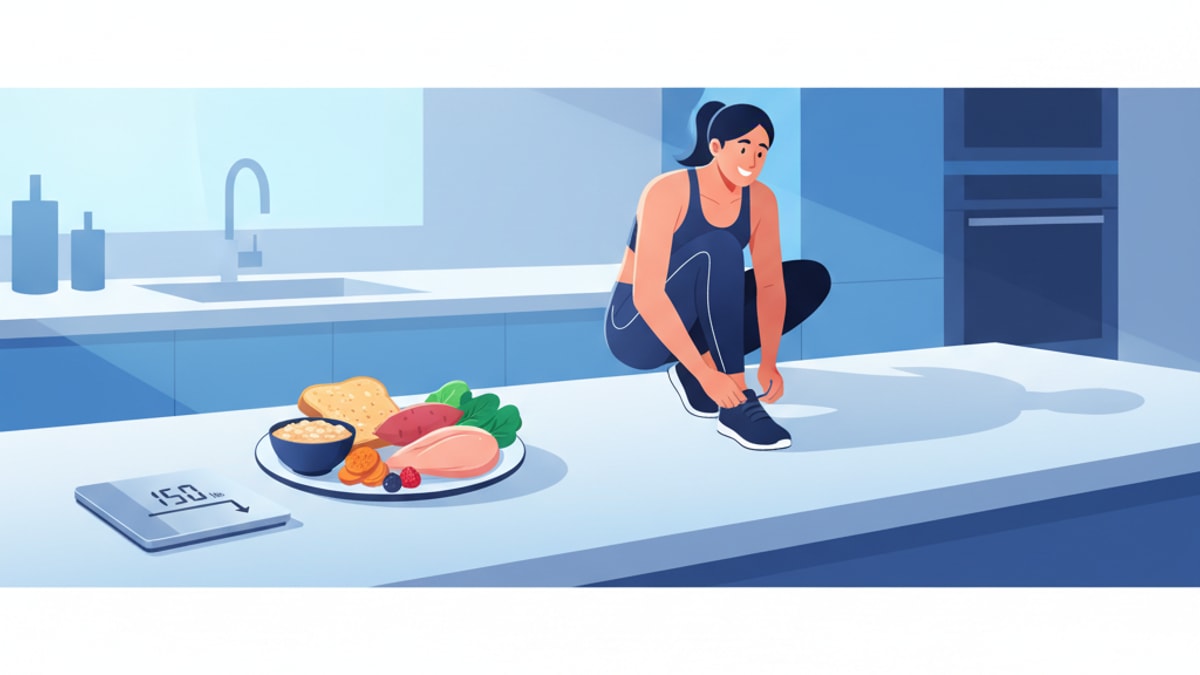
It's the question that echoes through gyms, kitchens, and online forums, a relentless debate that pits entire dietary philosophies against each other. Are carbs bad for weight loss? The answer has been twisted, oversimplified, and weaponized by diet culture for decades, leaving most people utterly confused.
Let’s be honest. You’ve probably heard it all. Carbs make you fat. Sugar is poison. You must go keto to see results. Our team has counseled countless individuals who come to us feeling defeated by this narrative, believing they lack the willpower to stick to an impossibly restrictive low-carb life. We're here to cut through that noise. The answer isn't a simple 'yes' or 'no'—it's far more nuanced, and understanding that nuance is the absolute key to achieving sustainable, long-term weight loss.
Why Do Carbohydrates Have Such a Bad Reputation?
The demonization of carbohydrates didn't happen overnight. It was a slow burn, fanned by best-selling diet books and celebrity endorsements that promised rapid, almost magical weight loss by simply cutting out an entire food group. The Atkins diet in the 70s and its modern-day successor, the ketogenic diet, became ubiquitous. They offered a compellingly simple villain: the carbohydrate.
The logic seemed sound on the surface. Eating carbs raises blood sugar, which triggers the release of insulin, a hormone responsible for shuttling glucose into cells for energy. Critically, insulin also signals the body to store excess energy as fat. The theory, therefore, was that by keeping carbs—and thus insulin—chronically low, you could turn your body into a fat-burning machine. It's a seductive idea. It's also a dramatic oversimplification of a deeply complex metabolic process.
Our experience shows that these ultra-low-carb diets often produce significant initial weight loss. That's undeniable. But here’s what’s often missed: a large portion of that initial drop on the scale is water weight. When you deplete your body's stored carbohydrates (glycogen), you also lose the water that's bound to it. This creates a powerful, but misleading, illusion of rapid fat loss. People feel validated, they double down on restriction, and the cycle begins. The problem is that for the vast majority of people, this approach is punishingly difficult to sustain. Social events become a minefield. Cravings become formidable. Energy levels can plummet. It’s a grueling battle against your body’s own biology, and it’s a battle very few win in the long run.
The Real Science: How Your Body Actually Uses Carbs
To really answer the question, we have to go back to basics. What even are carbohydrates, and why does your body need them? Forget the diet gurus for a moment and let's look at the biology. Carbohydrates are one of three essential macronutrients, alongside protein and fat. Their primary, non-negotiable role is to provide energy.
Think of carbs as your body’s preferred, high-octane fuel. When you eat carbohydrates, your digestive system breaks them down into glucose (sugar). This glucose enters your bloodstream and is transported to your cells to power everything you do—from breathing and thinking to walking and intense exercise. Your brain, in particular, is a glucose hog, consuming a massive amount of your daily energy. It runs almost exclusively on it.
So, the idea that they are inherently 'bad' is biologically flawed. They're essential. The problem has never been the existence of carbohydrates themselves; it's always been about the type and quantity we consume in the context of our modern, often sedentary, lifestyles. A bowl of steel-cut oats is not the same as a can of soda. A sweet potato is not a candy bar. Lumping them all into one villainous category is where the confusion starts, and it’s a catastrophic mistake for anyone trying to build a healthy, sustainable relationship with food. It’s a distinction that truly matters.
Simple vs. Complex Carbs: A Critical Distinction
This is where the conversation gets interesting. Not all carbs are created equal. In fact, their effects on your body, your energy levels, and your weight loss journey can be polar opposites. Our team can't stress this enough: understanding the difference between simple and complex carbohydrates is fundamental. It's not about elimination; it's about making smarter choices.
Simple carbs are just that—simple. They're made of one or two sugar molecules, and your body digests them incredibly quickly. This leads to a rapid spike in blood glucose, a subsequent surge of insulin, and often, a nasty energy crash shortly after. Think of it like burning newspaper—a bright, quick flame that dies out fast, leaving you needing more fuel.
Complex carbs, on the other hand, are the slow-burning logs. They are made of long, complex chains of sugar molecules, often bundled with fiber, vitamins, and minerals. Your body has to work much harder and longer to break them down, leading to a slow, steady release of glucose into the bloodstream. No dramatic spike, no sudden crash. Just sustained, reliable energy. This is the goal.
Here’s a breakdown our team often uses to help clients visualize the difference:
| Feature | Simple Carbohydrates | Complex Carbohydrates |
|---|---|---|
| Structure | Short chains (1-2 sugar molecules) | Long, complex chains of sugar molecules |
| Digestion Speed | Very fast | Slow and steady |
| Blood Sugar Impact | Rapid spike and subsequent crash | Gradual, stable rise and fall |
| Fiber Content | Typically very low or none | Usually high in dietary fiber |
| Nutrient Density | Often low ('empty calories') | Rich in vitamins, minerals, and phytonutrients |
| Satiety (Fullness) | Low; can increase hunger | High; promotes feeling full for longer |
| Common Sources | White bread, candy, soda, fruit juice, table sugar, pastries | Oats, brown rice, quinoa, beans, lentils, sweet potatoes, whole fruits |
Looking at this, the choice becomes clear, right? Prioritizing complex carbohydrates provides your body with premium fuel while also delivering fiber that aids digestion, promotes gut health, and keeps you feeling full and satisfied. This feeling of satiety is a game-changer for weight loss, as it naturally helps you control your overall calorie intake without feeling deprived.
The Insulin Connection: Myth vs. Reality
Now, let's revisit insulin. The low-carb narrative paints insulin as the ultimate villain, the fat-storage switch that must be kept off at all costs. This is where a kernel of scientific truth gets distorted into a damaging myth. Yes, insulin is an anabolic (storage) hormone. That's its job. But it doesn't just store fat. It stores nutrients. It pushes glucose into your muscles to be stored as glycogen for your next workout. It helps shuttle amino acids (from protein) into muscle cells to repair and build tissue.
Insulin is not the enemy. It's a vital, life-sustaining hormone. The problem arises not from a normal insulin response to a meal, but from a state of chronic, pathologically high insulin levels, a condition known as hyperinsulinemia, which is often tied to insulin resistance. This is a state where your cells become 'numb' to insulin's signals, forcing your pancreas to pump out more and more of it to get the job done. This dysfunctional metabolic environment does make fat loss incredibly difficult.
But what causes insulin resistance? It’s not a balanced meal with a sweet potato. It's a pattern of consuming excessive calories, particularly from hyper-palatable, ultra-processed simple carbs and fats, combined with a sedentary lifestyle. It’s about the overall metabolic load, not the presence of a single macronutrient. In fact, a diet rich in high-fiber, complex carbohydrates from whole foods can actually improve insulin sensitivity over time. We've seen it work for countless clients. Blaming all carbs for the problems caused by a specific type and quantity of them is like blaming all water for the existence of floods.
So, Are Carbs Bad for Weight Loss? The Real Answer.
No. Unequivocally, no. Carbohydrates are not inherently bad for weight loss.
Bad habits are bad for weight loss. Excessive calories are bad for weight loss. A diet filled with ultra-processed, low-fiber simple sugars is absolutely catastrophic for weight loss and overall health. But carbs themselves? They are a tool. And like any tool, their effectiveness depends entirely on how you use them.
The single most important factor for weight loss is creating a sustainable calorie deficit. That means consuming fewer calories than your body expends over time. You can achieve this on a low-carb diet, a low-fat diet, or a balanced diet. The science is incredibly clear on this. The real question isn't which macronutrient to eliminate, but which dietary pattern you can adhere to consistently without feeling miserable.
For most people, a balanced approach that includes high-quality, complex carbohydrates is far more sustainable. Why? Because these foods provide satisfying meals, steady energy, and crucial nutrients. Trying to eliminate them often leads to a cycle of restriction, intense cravings, binging, and guilt. This isn't a failure of willpower; it's a predictable biological and psychological response to extreme deprivation. Our team has found that helping people re-integrate smart carbohydrates into their diet is often the breakthrough they need to finally break free from this destructive cycle.
Building a Smarter Plate: Our Team's Approach to Carbs
So how do you do it? How do you make carbs work for you, not against you? It's about shifting your mindset from restriction to strategic inclusion. It's about quality over quantity.
Here’s what we recommend:
-
Prioritize Fiber. Fiber is your best friend on a weight loss journey. It slows digestion, stabilizes blood sugar, and dramatically increases satiety. Aim for carbs that are in their whole-food form: beans, lentils, quinoa, rolled oats, berries, and starchy vegetables like squash and sweet potatoes. If you make just one change, make it this one.
-
Use Strategic Timing. While it’s not a magic bullet, thinking about when you eat carbs can be helpful. Consuming complex carbohydrates a couple of hours before a workout can provide the fuel you need for a great session. Having them as part of your post-workout meal can help replenish your muscle glycogen stores. This is about using carbs functionally.
-
Mind Your Portions. Even with healthy carbs, portion control is key. A simple guideline we offer is to devote about one-quarter of your plate to a high-quality complex carbohydrate source. The rest should be filled with lean protein (about another quarter) and non-starchy vegetables (the remaining half). Simple, visual, and effective.
-
Pair Them Wisely. Never eat a carbohydrate source alone, especially if it's on the simpler side (like a piece of fruit). Always pair it with a source of protein or healthy fat. Adding protein, fat, and fiber to a meal significantly blunts the blood sugar response, keeping you fuller for longer and preventing that dreaded energy crash. An apple is good. An apple with a handful of almonds is great.
This approach—which we've refined over years of clinical practice—delivers real, sustainable results because it doesn't ask you to declare war on a vital food group. It asks you to be smarter, more intentional, and more in tune with your body's actual needs.
The Role of Modern Treatments in This Equation
Now, this is where it gets interesting for many people who have struggled for years. For some, even with impeccable diet and exercise habits, underlying biological factors like insulin resistance and powerful hormonal hunger signals can make weight loss feel like an uphill, often losing, battle. The constant food 'noise' and cravings can be overwhelming, making it incredibly difficult to stick to even the most well-designed nutrition plan.
This is where modern medical advancements can be a profound game-changer. At TrimrX, we specialize in medically-supervised weight loss programs utilizing GLP-1 medications like Semaglutide and Tirzepatide. These aren't old-school diet pills. They are advanced treatments that work with your body's own hormonal systems.
GLP-1s work by mimicking a natural gut hormone that helps regulate appetite and blood sugar. They slow down how quickly your stomach empties, which makes you feel physically fuller for much longer after a meal. More importantly, they work on the hunger centers in your brain, dramatically quieting the relentless food 'noise' and reducing cravings. Suddenly, the urge to snack or overeat diminishes. You're put back in control.
This is critical. When you're not constantly fighting against intense, biologically-driven hunger, making smart choices—like opting for the quinoa bowl over the pizza—becomes exponentially easier. It creates the breathing room necessary to build the healthy habits we've been discussing. A GLP-1 medication doesn't make carbs 'good' or 'bad'; it helps regulate the underlying biological drive that often leads to overconsumption of the wrong kinds of carbs. It creates a metabolic environment where a balanced, nutrient-dense diet feels natural and sustainable, not like a punishment. If this sounds like the support system you've been missing, you can see if you're a candidate and Start Your Treatment with guidance from our medical team.
Common Pitfalls When Managing Carbs for Weight Loss
Even with the best intentions, it's easy to get tripped up. Our team has identified a few common mistakes people make when trying to manage their carbohydrate intake.
First is the 'all-or-nothing' mindset. This is the person who is perfect for five days, eating nothing but chicken and broccoli, and then has a single cookie and declares the entire week a failure, leading to a weekend binge. This black-and-white thinking is the enemy of progress. Consistency will always beat perfection. A single off-plan meal doesn't matter in the grand scheme of things. Just get back to your plan at the next meal.
Second is ignoring 'liquid carbs.' Sodas, sweetened teas, fancy coffee drinks, and even fruit juices can dump a massive amount of simple sugar into your system with zero fiber and zero satiety. They are one of the fastest ways to consume hundreds of calories without even realizing it and are a primary driver of weight gain. We mean this sincerely: eliminating sugary drinks is one of the highest-impact changes you can make.
Finally, there's the fear of fruit. Because fruit contains natural sugar (fructose), some extreme low-carb followers avoid it entirely. This is a huge mistake. Whole fruits are packaged with fiber, water, vitamins, and powerful antioxidants. Their sugar is not the same as the free sugar in a candy bar. The fiber slows its absorption, and the nutrient density is off the charts. Don't fear fruit; fear fruit juice.
It’s time to end the war on carbs. It's a misguided battle that has caused more harm than good, fostering unhealthy relationships with food and derailing countless weight loss journeys. The real path to sustainable health and weight management isn't about eliminating entire food groups. It's about balance, quality, and a deep understanding of your own body. It's about choosing the slow-burning log over the newspaper, building a plate that nourishes and satisfies, and seeking medical support when your own biology is standing in the way. With a smarter, more nuanced approach, you can make carbohydrates a powerful ally in achieving your goals. You can finally stop fighting your body and start working with it. If you're ready to find out how a medically-guided plan can help you achieve that balance, we encourage you to Take Quiz and see what's possible.
Frequently Asked Questions
Can I eat bread and still lose weight?
▼
Absolutely. The key is choosing the right kind of bread and managing portions. Opt for 100% whole-grain or sprouted-grain bread, which is high in fiber. Pair it with protein and healthy fats to create a balanced meal rather than eating it alone.
What’s the best time of day to eat carbs?
▼
While timing isn’t a magic bullet, some find it helpful to consume carbs around their workouts to fuel performance and aid recovery. However, the most important factors remain your total daily calorie and carbohydrate intake, not the specific time you eat them.
How many grams of carbs should I eat per day for weight loss?
▼
There’s no single number that fits everyone. This depends on your age, sex, activity level, and metabolic health. Our team generally advises against extreme restriction, focusing instead on getting around 40-50% of your daily calories from high-quality, complex carb sources.
Do I need to count carbs when using a GLP-1 medication like Semaglutide?
▼
While GLP-1s help regulate appetite and blood sugar, they aren’t a license to ignore nutrition. We still recommend being mindful of carb quality and quantity. The medication makes it much easier to feel satisfied with smaller portions of healthy, complex carbs.
Are potatoes bad for weight loss?
▼
Not at all, it’s all about preparation. A baked or boiled potato is a fantastic source of potassium and vitamin C. The problem comes from deep-frying them (french fries) or loading them with high-fat toppings. A plain baked sweet potato or white potato can absolutely be part of a healthy diet.
Is fruit sugar (fructose) as bad as table sugar (sucrose)?
▼
No, the context is completely different. In whole fruit, fructose is bundled with fiber, water, and micronutrients, which slows its absorption and mitigates its impact on blood sugar. The free fructose found in high-fructose corn syrup and added sugars is what you need to limit.
Will eating carbs at night make me gain weight?
▼
This is a persistent myth. Your body doesn’t have a clock that suddenly starts storing all carbs as fat after 6 PM. Weight gain is determined by your total calorie intake over a 24-hour period, not by the timing of your macronutrients.
What is the glycemic index and should I worry about it?
▼
The glycemic index (GI) ranks foods based on how quickly they raise blood sugar. While it can be a helpful tool, we find it’s more practical to focus on eating whole, high-fiber foods. When you do that, you are naturally choosing lower-GI options without needing to obsess over numbers.
Can a low-carb diet be dangerous?
▼
For some individuals, very-low-carb diets like keto can pose risks, including nutrient deficiencies, kidney stones, and electrolyte imbalances. It’s crucial to undertake such a restrictive diet only under medical supervision. For most, a more balanced approach is safer and more sustainable.
Are ‘net carbs’ a real thing I should be tracking?
▼
Net carbs (total carbs minus fiber and sugar alcohols) are a concept used to market low-carb products. While fiber does blunt the blood sugar response, we recommend focusing on total carbohydrates from whole-food sources. This is a simpler and more effective strategy for long-term health.
Why do I crave carbs so much?
▼
Carb cravings are driven by complex biological and psychological factors. They can be triggered by low blood sugar, stress, or even habit. GLP-1 treatments can be particularly effective at reducing these cravings by acting on the appetite centers in your brain.
Is quinoa a better choice than brown rice?
▼
Both are excellent complex carbohydrates. Quinoa has a slight edge as it’s a complete protein, meaning it contains all nine essential amino acids. However, variety is key, so we recommend including both in your diet for a wider range of nutrients.

Transforming Lives, One Step at a Time
Keep reading

Obesity and Low Testosterone
**Can obesity cause low testosterone?** Yes. Obesity can lower testosterone, and the relationship often runs in both directions.

Top 6 Best Weight Loss Medications in 2026
Prescription weight loss medication has gone mainstream. What was once a quiet corner of obesity medicine is now one of the most talked-about categories…

Top 8 Best Telehealth for Weight Loss in 2026
Finding the best telehealth for weight loss used to be a time-consuming process that involved hours of research, murky pricing pages, and a fair…


