Is Rice Healthy for Weight Loss? Our Unflinching Take
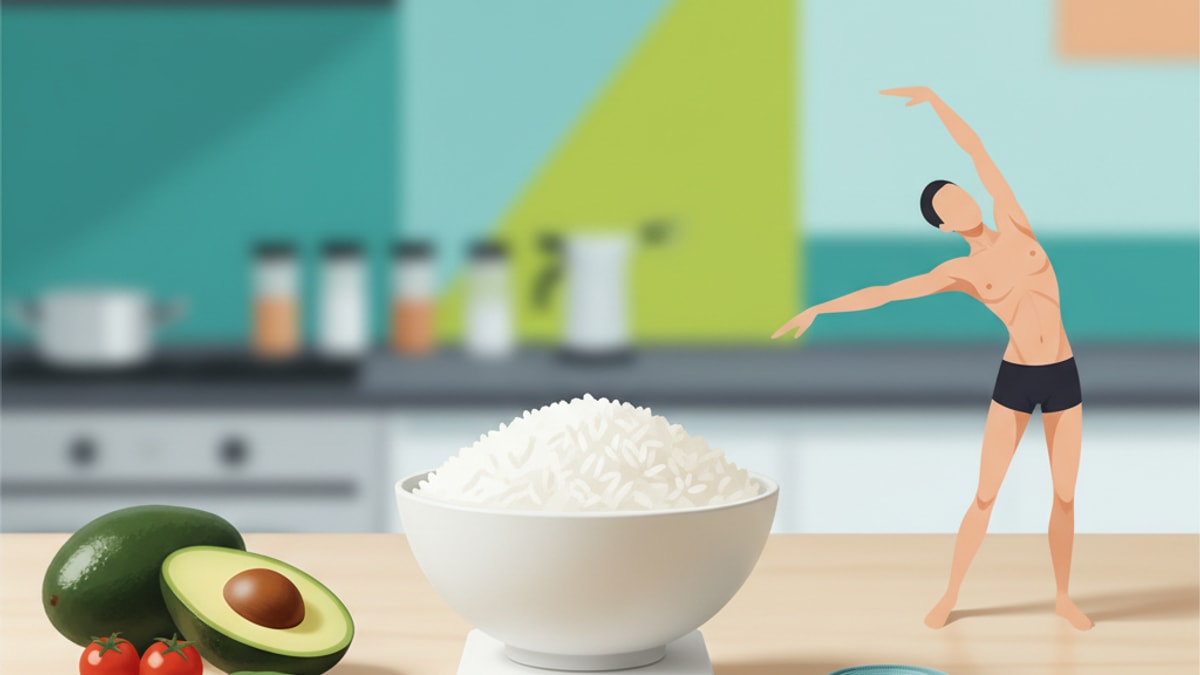
Let's get right to it. The question of whether rice is healthy for weight loss is one of the most persistent, debated topics in nutrition. It’s a food staple for billions, yet it’s often the first thing people cut when they decide to get serious about shedding pounds. We’ve seen countless clients walk through our doors with the deeply ingrained belief that carbohydrates, especially rice, are the sworn enemy of a leaner physique.
But is it really that simple? Is this humble grain truly the villain it’s made out to be? Honestly, no. The conversation around rice and weight management has become so oversimplified that it’s lost all its nuance. Our team believes in looking at the complete picture—the science, the context, and the individual. The truth is, rice can absolutely be part of a successful, sustainable weight loss journey. It just requires a smarter approach than simply banishing it from your plate forever.
The Real Story Behind Rice and Your Metabolism
The primary strike against rice, particularly white rice, is its carbohydrate content and its effect on blood sugar. When you eat carbohydrates, your body breaks them down into glucose, which enters your bloodstream. This causes a rise in blood sugar, prompting your pancreas to release insulin, a hormone that helps shuttle glucose into your cells for energy. Anything your cells don't need right away gets stored, first as glycogen in your muscles and liver, and then, as fat. It's a fundamental biological process.
This is where the Glycemic Index (GI) comes into play. The GI is a scale from 0 to 100 that ranks carbohydrate-containing foods by how much they raise blood sugar levels. High-GI foods cause a rapid, dramatic spike in blood sugar, while low-GI foods cause a slower, more gradual rise. White rice typically has a high GI, which is why it has earned such a formidable reputation as a weight-loss saboteur. That sharp insulin spike can lead to a subsequent crash, triggering hunger and cravings not long after you've eaten. It can feel like a relentless cycle.
But the GI doesn't tell the whole story. We also need to consider Glycemic Load (GL), which accounts for the amount of carbohydrates in a typical serving. A food can have a high GI, but if you eat a very small portion, its overall impact on your blood sugar (its GL) might be quite low. This is a critical distinction. It shifts the focus from 'good' vs. 'bad' foods to a more intelligent conversation about portion size and context. And that’s a much more powerful and sustainable way to approach nutrition.
A Tale of Two Grains: White Rice vs. Brown Rice
When people ask, "is rice healthy for weight loss?" they're usually picturing a steaming bowl of fluffy white rice. But the rice family is sprawling and diverse. The difference between white and brown rice is a perfect starting point for understanding how a simple choice can have a significant metabolic impact.
Brown rice is a whole grain. This means it contains all parts of the grain kernel—the fibrous bran, the nutritious germ, and the carb-rich endosperm. White rice, on the other hand, has had the bran and germ removed, leaving only the starchy endosperm. This milling process strips away a significant amount of fiber, vitamins, and minerals. It also makes the carbohydrates more rapidly accessible to your digestive system, which is why it has a higher GI.
Our experience shows that making the switch from white to brown rice can be a game-changer for many individuals. Why? The fiber in brown rice slows down digestion. This does two fantastic things: it helps prevent that sharp blood sugar spike we talked about, and it promotes a feeling of fullness, or satiety. You feel satisfied with a smaller portion and stay full for longer. That's a huge win for appetite control.
But let's be honest. Some people just don't enjoy the taste or texture of brown rice. And that's okay. Sustainability in any health plan is key. Forcing yourself to eat foods you dislike is a short-term strategy doomed to fail. This is where other varieties come into play, and where understanding the bigger picture becomes so important.
To make this clearer, our team put together a quick comparison:
| Feature | White Rice (e.g., Jasmine) | Brown Rice | Wild Rice | Basmati Rice |
|---|---|---|---|---|
| Processing | Milled; bran and germ removed | Whole grain; intact bran and germ | Technically a grass seed, not rice | Whole or milled |
| Fiber Content | Very Low (~0.6g per cup) | High (~3.5g per cup) | Very High (~3g per cup) | Varies (similar to brown if whole) |
| Glycemic Index (GI) | High (often 70+) | Medium (~50-55) | Low (~45) | Medium-Low (~50-58) |
| Nutrient Profile | Often enriched with B vitamins, but low in natural nutrients | Good source of magnesium, manganese, selenium, and fiber | Excellent source of antioxidants, protein, zinc, and folate | Lower GI than typical white rice, aromatic |
| Satiety Impact | Low; can lead to quicker return of hunger | High; promotes feeling full for longer | Very High; excellent for appetite control | Moderate |
This table makes one thing abundantly clear: not all rice is metabolically equal.
Wild rice, which is actually the seed of an aquatic grass, is a nutritional powerhouse and one we often recommend. It's higher in protein and fiber than most other types of rice and has a distinctly low GI. Basmati rice is another interesting case; even in its white form, it tends to have a lower GI than other white rice varieties. These nuances matter. They give you options and flexibility.
The Uncomfortable Truth: It’s Rarely Just About the Rice
Here’s a professional observation we've made after years of guiding people through their weight loss journeys: the rice itself is almost never the sole problem. The real issue is the context in which it's eaten. It's the 'how,' not just the 'what.'
Think about it. How is rice often served? In massive portions, forming a giant bed for a small amount of protein. It's frequently drenched in high-calorie, high-fat sauces or turned into fried rice with loads of oil. In these scenarios, rice is simply a vehicle for excess calories, fat, and sodium. Blaming the rice is like blaming the cup for the sugary soda it holds.
This is where we must shift our mindset. Let's dissect the three key factors that turn rice from a neutral staple into a potential obstacle:
-
Portion Distortion: This is the big one. A standard serving of cooked rice is about half a cup. Half. A. Cup. Go look at that in a measuring cup. For most people, that's a shockingly small amount compared to what they're used to seeing on their plate at home or in a restaurant. When you consume two, three, or even four cups of rice in one sitting, you're loading up on hundreds of extra calories and creating a significant glycemic load, regardless of whether it's white or brown.
-
The Company It Keeps: What are you eating with your rice? A small portion of steamed rice paired with a generous serving of lean grilled chicken and a mountain of roasted broccoli is a balanced, healthy meal. It provides protein, fiber, and complex carbs for sustained energy. Contrast that with a plate of rice topped with a creamy curry, sweet and sour chicken, or a heavy stir-fry. The surrounding ingredients are what make the meal a caloric bomb.
-
The Preparation Method: Steamed or boiled rice is the baseline. Fried rice is a completely different food from a nutritional standpoint. The added oils and sauces can easily double the calorie count of the dish. We can't stress this enough: how you cook your food is just as important as what food you choose.
A Modern Approach: Rice in a Medically-Supervised Program
So, where does this leave us, especially within the context of a modern, medically-supervised weight loss program like the ones we offer at TrimrX? It provides an incredible opportunity for a paradigm shift.
Our programs utilize advanced GLP-1 medications like Semaglutide and Tirzepatide. These treatments are revolutionary because they work on a biological level to regulate appetite, increase feelings of fullness, and improve the body's insulin response. They fundamentally change your relationship with food and hunger. Suddenly, the battle against cravings and portion sizes becomes manageable. It's not just about willpower anymore; it's about re-calibrating your body's natural signaling systems.
In this context, a small, well-chosen portion of rice isn't something to be feared. It's something to be strategically enjoyed. Because our patients feel full much faster, a half-cup of brown or wild rice alongside their protein and vegetables is often more than enough to feel completely satisfied. The medication helps to buffer the blood sugar response, and the inherent satisfaction from eating a familiar, comforting food helps with long-term adherence to the plan. This is a critical, non-negotiable element of success.
Elimination diets fail because they are unsustainable. They create a sense of deprivation that eventually leads to bingeing and a return to old habits. Our philosophy is different. We believe in integration and education. We teach you how to incorporate foods like rice into a new, healthier lifestyle, supported by medical science. It's about learning to work with your body, not constantly fighting against it. If you're tired of the endless cycle of restriction and rebound, it might be time to see how a medical approach can change everything. You can Start Your Treatment with us and begin that journey today.
Smart, Actionable Ways to Keep Rice on the Menu
Okay, let's move from theory to practice. You want to include rice in your diet while actively pursuing weight loss. How do you do it? Here are some of the most effective strategies our team recommends.
First, prioritize portion control above all else. Use a measuring cup for a week or two. You need to retrain your eye to recognize what a true serving size looks like. It might feel restrictive at first, but it's an incredibly empowering habit. You'll quickly realize how much you might have been overeating without even thinking about it.
Second, build your plate intelligently. We're huge fans of the 'plate method.' Fill half your plate with non-starchy vegetables first. Think broccoli, spinach, bell peppers, cauliflower, or a large salad. Then, fill one-quarter of your plate with a lean protein source like fish, chicken breast, tofu, or legumes. The final quarter is for your carbohydrate—your half-cup of rice. This visual guide ensures a balanced meal that's rich in fiber and protein, which will keep you full and stabilize your blood sugar.
Third, try this fascinating food science trick: cool your rice after cooking. When you cook and then cool starchy foods like rice or potatoes, some of the digestible starches are converted into something called resistant starch. Your body can't easily digest resistant starch, so it travels to your large intestine where it acts like a prebiotic, feeding your healthy gut bacteria. It has fewer calories than regular starch and a much smaller impact on blood sugar. You can eat the rice cold (in a salad, for example) or gently reheat it—the benefits largely remain. It's a simple hack with real metabolic advantages.
And finally, be mindful of timing. While not a hard-and-fast rule, it can be beneficial to consume your carbohydrate-heavier meals earlier in the day or around your workouts when your body is more likely to use that glucose for immediate energy rather than storing it. A small portion of rice with lunch is often a better choice than a large bowl right before bed.
Making these small, strategic adjustments allows you to enjoy rice without derailing your progress. It's about being intentional, not restrictive.
It’s clear that the answer to "is rice healthy for weight loss?" is a resounding, "it depends." It depends on the type, the portion, the preparation, and what else is on your plate. Rice isn't inherently good or bad; it's a tool. Used correctly, it can be a satisfying and energizing part of a balanced diet. Used without thought, it can contribute to caloric excess and metabolic strain. The power is in your hands—and on your plate. Making informed choices, understanding the science, and seeing food as part of a larger, holistic system is the path to sustainable health. If you're ready to find out if a medically-guided approach is the support system you've been looking for, we invite you to take our quiz and see if you're a candidate for our program.
Frequently Asked Questions
Is brown rice really that much better for weight loss than white rice?
▼
Yes, for most people, it is significantly better. Brown rice’s higher fiber content slows digestion, which helps control blood sugar spikes and keeps you feeling full for much longer. This makes managing your appetite and overall calorie intake much easier.
How much rice can I eat per day if I’m trying to lose weight?
▼
There’s no single answer, but a good starting point is one serving (about 1/2 cup cooked) per day. The key is to fit it within your total daily calorie and carbohydrate goals and to pair it with plenty of protein and vegetables to ensure a balanced meal.
Can I eat rice while taking a GLP-1 medication like Semaglutide?
▼
Absolutely. In fact, many of our patients find they can enjoy rice in moderation more easily while on treatment. The medication helps regulate appetite and blood sugar, so a smaller portion is far more satisfying and has less of a metabolic impact. It’s about integration, not elimination.
Does cooling rice really make it healthier for weight loss?
▼
It does! Cooling cooked rice increases its resistant starch content. This type of starch is not easily digested, leading to a lower calorie absorption and a smaller blood sugar response, both of which are beneficial for weight management.
Is wild rice a good option for a weight loss diet?
▼
Wild rice is an excellent choice. It’s technically a grass, not a grain, and it’s higher in protein, fiber, and antioxidants than most rice varieties. Its low glycemic index makes it one of the best options for maintaining stable energy levels and controlling hunger.
What’s more important for weight loss: the type of rice or the portion size?
▼
Portion size is, without a doubt, the most critical factor. While brown or wild rice is a better choice, eating a huge portion of it will still hinder weight loss. Conversely, a very small, controlled portion of white rice can fit into a healthy diet. Always prioritize portion control first.
Should I avoid rice if I have insulin resistance or pre-diabetes?
▼
You don’t necessarily have to avoid it, but you must be strategic. Opt for low-GI options like brown rice or wild rice, stick to strict portion control (1/2 cup or less), and always pair it with protein and fiber to blunt the blood sugar response. This is a topic we cover in depth with our patients.
Is rice fattening at night?
▼
The idea of carbs at night being uniquely ‘fattening’ is mostly a myth; your total daily calorie balance is what matters most. However, a large carbohydrate meal before bed can disrupt sleep for some and is less likely to be used for immediate energy. A smaller portion as part of a balanced dinner is generally fine.
What is a healthy alternative to rice for weight loss?
▼
Quinoa is a fantastic alternative as it’s a complete protein and high in fiber. Other great options include cauliflower rice for a very low-carb choice, barley for its high fiber content, or farro for a chewy, nutrient-dense grain.
Does fried rice have more calories than steamed rice?
▼
Yes, significantly more. The oil, sauces (like soy and oyster sauce), and other ingredients used to make fried rice can easily double or even triple the calorie count compared to the same portion of plain, steamed rice. We recommend sticking to steamed or boiled rice for weight management.
Can eating rice help with workout performance?
▼
Yes, carbohydrates are your body’s preferred source of fuel for high-intensity exercise. A small portion of rice, particularly an easily digestible one like white rice, can be an effective pre-workout meal to provide quick energy for your muscles.
Is sushi a healthy way to eat rice for weight loss?
▼
Sushi can be tricky. While the fish is healthy, the rice is often made with sugar and vinegar, and rolls can contain high-calorie sauces and tempura. Opt for sashimi (plain fish) or simple rolls like tuna or cucumber, and be mindful of your total rice consumption.

Transforming Lives, One Step at a Time
Keep reading

What to Do With a Full Pantry You No Longer Eat From
Sort it into three piles rather than clearing it all out: donate, keep, and discard. The mistake most people make is emptying the whole…

How to Handle a Business Dinner When the Client Orders for the Table
This is the one dining situation where your usual tools do not work. You cannot order a starter as your main, cannot ask for…
How to Handle Group Dinners Where Everyone Shares Plates
Shared dining is generally easier than a fixed plate, not harder, and it is worth going in with that framing. When everyone is taking…


