Why Protein Is So Important for Weight Loss Success
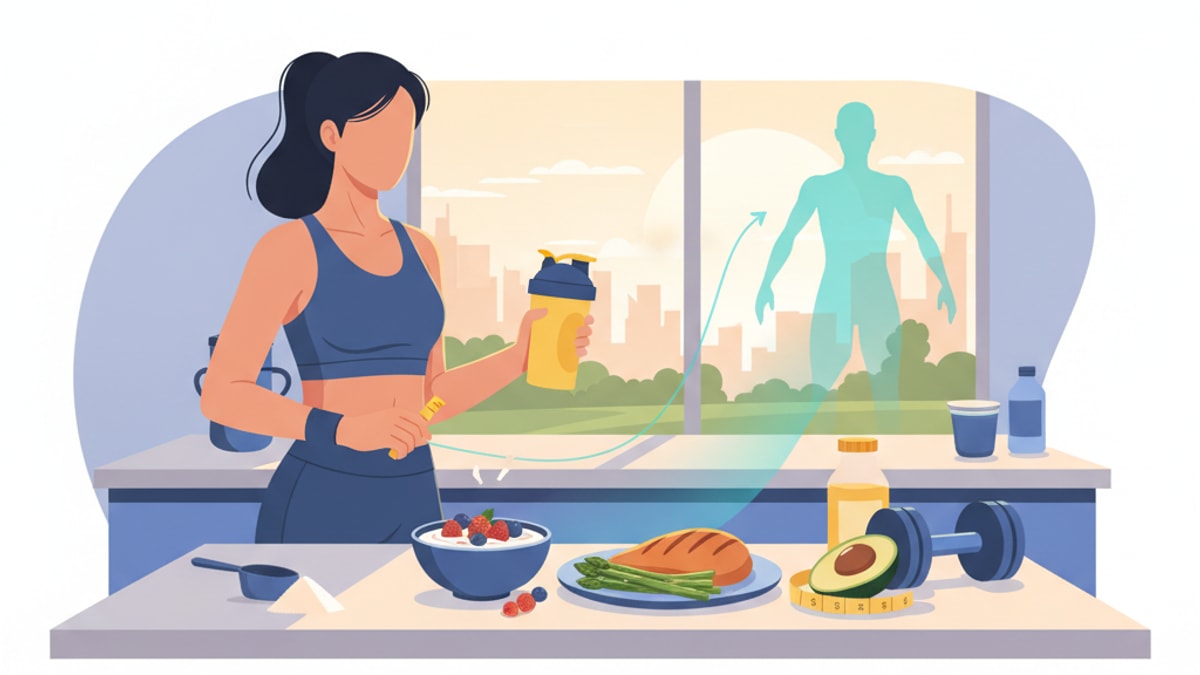
Let's talk about weight loss. For years, the conversation has been almost exclusively dominated by one thing: calories. Calories in, calories out. While that equation holds a fundamental truth, our team has found that focusing on it alone is like trying to build a house with only a hammer. You're missing most of the essential tools. It's an incomplete, often frustrating, picture that leaves millions feeling like they've failed when the real failure lies in the strategy.
What if the most powerful tool for sustainable weight management has been hiding in plain sight? It's not some exotic superfood or a punishing workout regimen. It’s protein. And we're not just talking about a little extra chicken at dinner. We mean a strategic, intentional focus on protein as the foundational pillar of your nutritional architecture. Here at TrimrX, where we guide patients through medically-supervised weight loss journeys with advanced treatments like Semaglutide and Tirzepatide, we've seen firsthand the dramatic difference it makes. Understanding why protein is so important for weight loss isn't just academic—it's the key to unlocking results that last.
The Science of Satiety: How Protein Keeps You Fuller, Longer
Have you ever eaten a massive, carb-heavy lunch only to find yourself ravenous and hunting for snacks by 3 p.m.? It’s a familiar, frustrating cycle. This is where protein completely changes the game. Its most immediate and noticeable superpower is satiety—the feeling of fullness and satisfaction after a meal.
This isn't just a feeling; it's a complex biochemical process. When you consume protein, your body releases a cascade of gut hormones that signal to your brain, 'Hey, we're full. You can stop eating now.' Key players here include Peptide YY (PYY) and Glucagon-Like Peptide-1 (GLP-1), both of which are powerful appetite suppressants. In fact, the GLP-1 hormone is precisely what the medications we use at TrimrX are designed to mimic. By incorporating sufficient protein, you're essentially amplifying this natural signaling process. At the same time, protein consumption reduces levels of ghrelin, often called the 'hunger hormone.'
More satiety hormones and less hunger hormone. Simple, right?
This hormonal one-two punch means you naturally feel fuller for longer, which makes it infinitely easier to consume fewer calories without feeling deprived or constantly battling cravings. Our experience shows that when patients on our programs prioritize protein, they report a significant reduction in obsessive food thoughts and the urge to snack between meals. The medication helps reduce their overall appetite, and the protein ensures the meals they do eat are incredibly effective at keeping them satisfied. It's a formidable combination.
The Thermic Effect of Food: Your Body's Built-In Calorie Burn
Here's a concept that feels like a fantastic metabolic loophole: your body actually burns calories just to digest and process the food you eat. This is known as the Thermic Effect of Food (TEF). And here's the kicker: not all macronutrients are created equal in this regard.
Fat and carbohydrates have a relatively low TEF, typically around 0-3% and 5-10%, respectively. Your body is incredibly efficient at processing them. Protein, on the other hand, is a different beast entirely. It has a TEF of a whopping 20-30%. Let’s put that into practical terms. For every 100 calories of protein you consume, your body uses 20 to 30 of those calories just to digest and metabolize it. That's a huge difference.
It might not sound like much on a meal-by-meal basis, but this metabolic advantage adds up significantly over weeks and months. Think of it as a small but persistent tailwind for your metabolism. By simply shifting a portion of your carbohydrate or fat intake to protein, you're increasing your total daily energy expenditure without spending an extra minute in the gym. We can't stress this enough: it's one of the most passive yet effective ways to support a calorie deficit, which is the cornerstone of any successful weight loss plan.
Protecting Your Engine: Why Protein is Non-Negotiable for Muscle Mass
This is, without a doubt, one of the most overlooked yet critical aspects of smart weight loss. When you lose weight, you don't just lose fat. A significant portion of the weight dropped can be precious, metabolically active muscle tissue. This is a catastrophic outcome.
Why? Because your muscle mass is your body's metabolic engine. The more muscle you have, the more calories you burn at rest, 24/7. When you lose muscle, your basal metabolic rate (BMR) plummets. This makes it progressively harder to continue losing weight and, even worse, makes you incredibly susceptible to rapid weight regain once you stop dieting. It’s the classic 'yo-yo' effect, and it's devastating. It's what leads to the dreaded 'skinny fat' physique, where someone might have a low number on the scale but lacks tone and has a higher body fat percentage than they should.
Protein is your primary defense against this. Your body is in a constant state of protein turnover, breaking down old proteins and building new ones (a process called muscle protein synthesis). During a calorie deficit, breakdown can exceed synthesis, leading to muscle loss. Providing your body with a steady supply of dietary protein—the building blocks, or amino acids—gives it the raw materials needed to preserve, and even build, lean muscle while it burns fat for energy.
For our patients at TrimrX, this is a non-negotiable element of their treatment. The goal is never just weight loss; it's fat loss. We work closely with them to ensure their protein intake is sufficient to protect their metabolic engine while the medication and dietary changes help shed unwanted body fat. The result is a healthier, stronger, and more resilient body composition that's built to maintain its new weight for the long haul.
How Much Protein Do You Actually Need for Weight Loss?
So, the big question: how much is enough? The generic Recommended Dietary Allowance (RDA) of 0.8 grams per kilogram of body weight is really just the minimum to prevent deficiency in a sedentary person. It is absolutely not optimal for someone actively trying to lose weight while preserving muscle.
Our team generally finds that a range of 1.2 to 1.6 grams of protein per kilogram of body weight is a much more effective target for weight loss. Some studies even support going as high as 2.2 g/kg, especially for those incorporating resistance training. For someone who weighs 180 pounds (about 82 kg), this translates to a daily target of roughly 98 to 131 grams of protein.
Another simple way to think about it is as a percentage of your total daily calories. Aiming for protein to make up 25-30% of your caloric intake is a solid goal that aligns with most of the research on satiety and body composition. The right amount for you depends on your starting weight, age, gender, and activity level. This is why a personalized approach, like the one we help patients develop, is so crucial. There is no magic number, but there is a right range for you.
To get a better sense of where to get this protein, it's helpful to compare the most common sources.
| Protein Source | Type | Key Characteristics | Best For |
|---|---|---|---|
| Whey Protein | Dairy (Fast-Digesting) | High in leucine, rapidly absorbed, complete amino acid profile. | Post-workout recovery, quick protein boost in smoothies. |
| Casein Protein | Dairy (Slow-Digesting) | Forms a gel in the stomach, providing a slow, steady release of amino acids. | Before bed to prevent muscle breakdown overnight, or as a meal replacement. |
| Lean Meats | Animal (Whole Food) | Highly bioavailable, rich in iron and B vitamins (e.g., chicken breast, turkey, lean beef). | Building satisfying, nutrient-dense meals. |
| Fish | Animal (Whole Food) | Excellent source of omega-3 fatty acids in addition to protein (e.g., salmon, tuna). | Heart health and brain function alongside protein intake. |
| Eggs & Dairy | Animal (Whole Food) | Highly versatile and affordable (e.g., Greek yogurt, cottage cheese, whole eggs). | Breakfasts, snacks, and adding protein to various dishes. |
| Soy Protein | Plant-Based (Complete) | One of the few complete plant proteins, containing all essential amino acids. | Vegans/vegetarians, versatile in forms like tofu, tempeh, and edamame. |
| Pea & Rice Protein | Plant-Based (Incomplete) | Often combined to create a complete amino acid profile. Hypoallergenic. | Plant-based individuals with soy or dairy sensitivities. |
| Lentils & Legumes | Plant-Based (Incomplete) | High in fiber and protein, very cost-effective (e.g., chickpeas, black beans). | Adding substance, fiber, and protein to plant-based meals. |
Beyond the Basics: Timing, Quality, and Strategic Protein Intake
Just hitting a daily protein number is a great start. But for truly optimal results, we need to get a bit more nuanced. Let's be honest, this is where a little strategy goes a long way. It's not just how much protein you eat, but also how and when.
First, think about distribution. Many people have a skewed protein intake, consuming very little at breakfast, a moderate amount at lunch, and a massive portion at dinner. Our experience shows a much better approach is to distribute your protein intake fairly evenly across three to four meals throughout the day. Aiming for 25-40 grams of protein per meal helps maximize muscle protein synthesis and keeps your satiety signals firing consistently. This prevents the energy slumps and ravenous hunger that can lead to poor food choices.
Next is quality. As the table above shows, not all proteins are created equal. Animal proteins are 'complete,' meaning they contain all nine essential amino acids your body can't produce on its own. Most plant proteins (with a few exceptions like soy and quinoa) are 'incomplete.' However, this is easily solved for plant-based eaters by combining different sources throughout the day—think rice and beans, or hummus and whole-wheat pita. The goal is to get a full spectrum of amino acids to support your body's needs.
Finally, let's get practical. How do you actually implement this?
- Start Your Day Strong: Swap a carb-heavy breakfast (like a bagel or sugary cereal) for something like Greek yogurt with berries, scrambled eggs, or a high-quality protein shake. This sets the tone for your appetite control for the entire day.
- Smart Snacking: Instead of reaching for chips or crackers, opt for a handful of almonds, a cheese stick, a hard-boiled egg, or some beef jerky.
- Upgrade Your Salads: A salad is great, but a salad with a grilled chicken breast, a scoop of chickpeas, or some salmon on top is a proper, satisfying meal.
This approach, which we've refined over years of working with patients, delivers real, sustainable results. It transforms eating from a battle against hunger into a strategic way to fuel your body for success.
Protein's Role Alongside Medically-Supervised Weight Loss
Now, this is where it gets really interesting, especially for those considering or currently using GLP-1 medications like the ones we prescribe at TrimrX. These treatments are incredibly effective at reducing appetite and caloric intake. They are a game-changer. But they are a tool, not a complete solution on their own.
The risk with any method that dramatically reduces calorie intake—be it medication, surgery, or an aggressive diet—is the loss of lean muscle mass we discussed earlier. This is where a high-protein diet becomes not just beneficial, but absolutely essential.
When the medication is quieting the 'food noise' and making it easier to eat less, protein ensures that the food you do consume is working hard for you. It provides the building blocks to protect your muscle tissue, ensuring that the pounds you're shedding are coming from fat stores, not your metabolic engine. It helps you feel strong and energetic, even in a significant calorie deficit, rather than weak and fatigued.
Think of it this way: the medication helps you dig the foundation for your new, healthier body. Protein is the concrete you pour into that foundation to make it strong and permanent. Without it, you're building on sand. This is a core part of the guidance we provide to every patient. If you're ready to see how a comprehensive, medically-supervised approach can make all the difference, you can Start Your Treatment with us and learn how these pieces fit together.
Common Myths and Misconceptions About Protein
The health and fitness world is sprawling and filled with misinformation. Protein, despite being one of the most studied nutrients, is surrounded by some persistent myths. Let's clear a few of them up.
Myth 1: High-protein diets are bad for your kidneys.
This is probably the most common concern we hear. For individuals with pre-existing kidney disease, a lower-protein diet is often recommended. However, for people with healthy, functioning kidneys, multiple large-scale studies have shown that a high protein intake is perfectly safe and does not cause kidney damage.
Myth 2: You can only absorb about 30 grams of protein in one sitting.
This is a classic piece of gym lore that has been thoroughly debunked. Your body is smart. It will take as long as it needs to absorb all the protein you consume. While spreading your intake out is optimal for muscle synthesis, your body certainly doesn't 'waste' protein consumed in a larger meal. It will just digest it more slowly, which can even be beneficial for sustained satiety.
Myth 3: High-protein diets are just for bodybuilders.
Absolutely not. While elite athletes certainly need a lot of protein, the benefits of satiety, metabolic boost, and muscle preservation are universal. Anyone looking to manage their weight, improve their body composition, and support healthy aging can benefit immensely from optimizing their protein intake. It's a foundational nutrient for everyone.
At the end of the day, protein is not a magic pill. No single nutrient is. But it is the most powerful lever you can pull in your diet to make weight loss more effective, less painful, and far more sustainable. It works with your body's natural systems—your hormones, your metabolism, your muscles—to create an environment where fat loss can happen efficiently. Whether you're just starting your journey or looking to optimize a medically-supervised program, making protein your priority is one of the most impactful decisions you can make. It’s the difference between just losing weight and truly transforming your body for good.
Frequently Asked Questions
How does protein help reduce belly fat specifically?
▼
While you can’t spot-reduce fat, a high-protein diet is very effective for overall fat loss, including visceral belly fat. Its effects on satiety, metabolism, and muscle preservation all contribute to creating the necessary calorie deficit to reduce body fat everywhere.
Can I get enough protein for weight loss on a vegan or vegetarian diet?
▼
Absolutely. It simply requires more planning. Focus on protein-dense plant sources like tofu, tempeh, lentils, beans, quinoa, and high-quality plant-based protein powders. Combining different sources ensures you get a complete amino acid profile.
Will eating too much protein make me bulky?
▼
This is a common myth, particularly among women. Gaining significant muscle mass (‘bulk’) requires a combination of a calorie surplus and intense, progressive resistance training. Simply eating a high-protein diet for weight loss will help you preserve lean muscle, leading to a toned look, not a bulky one.
Does protein powder cause weight gain?
▼
No single food causes weight gain. Protein powder is a tool; it’s a convenient source of protein. Weight gain only occurs from a consistent calorie surplus. Using protein powder to meet your daily goals within your target calorie range is an excellent strategy for weight loss.
Is it better to eat protein before or after a workout for weight loss?
▼
For general weight loss, the most important factor is hitting your total daily protein target. However, consuming protein within a couple of hours after a workout can help with muscle repair and recovery. The overall daily intake is far more critical than precise timing.
What are the best high-protein snacks for weight loss?
▼
We recommend snacks that are easy and satisfying. Great options include Greek yogurt, cottage cheese, hard-boiled eggs, a small handful of almonds, beef jerky, or a quality protein bar with minimal added sugar.
How does protein help with sugar cravings?
▼
Protein helps stabilize blood sugar levels, preventing the sharp spikes and crashes caused by high-carb meals. This blood sugar stability significantly reduces cravings for sugary, quick-energy foods.
Can a high-protein diet make you dehydrated?
▼
Metabolizing protein does require more water than metabolizing carbs or fat. It’s important to ensure you’re drinking plenty of water when you increase your protein intake, but it doesn’t inherently cause dehydration if you stay properly hydrated.
Is whey protein the best choice for weight loss?
▼
Whey protein is an excellent, fast-absorbing option, especially post-workout. However, slower-digesting proteins like casein or whole-food sources like chicken or Greek yogurt can be better for sustained satiety between meals. The ‘best’ choice depends on your goals and timing.
Do I still need to focus on protein if I’m on a GLP-1 medication like Semaglutide?
▼
Yes, it’s even more important. GLP-1 medications are highly effective at reducing appetite, which can lead to muscle loss if you’re not careful. Prioritizing protein ensures you preserve lean muscle mass, so the weight you lose is primarily fat.
Will a high-protein diet help with loose skin after weight loss?
▼
While factors like age and genetics play the biggest role, preserving muscle mass can help. Protein provides the amino acids (like collagen) that are building blocks for skin elasticity. Adequate protein intake supports skin health and provides a firm muscular base underneath.
What’s an easy way to add more protein to my breakfast?
▼
Swap out cereal or toast for eggs, Greek yogurt, or cottage cheese. You can also add a scoop of unflavored collagen or protein powder to your morning coffee or oatmeal for an effortless boost.

Transforming Lives, One Step at a Time
Keep reading

Obesity and Low Testosterone
**Can obesity cause low testosterone?** Yes. Obesity can lower testosterone, and the relationship often runs in both directions.

Top 6 Best Weight Loss Medications in 2026
Prescription weight loss medication has gone mainstream. What was once a quiet corner of obesity medicine is now one of the most talked-about categories…

Top 8 Best Telehealth for Weight Loss in 2026
Finding the best telehealth for weight loss used to be a time-consuming process that involved hours of research, murky pricing pages, and a fair…


