Will HRT Help with Weight Loss? An Unflinching Look at the Truth
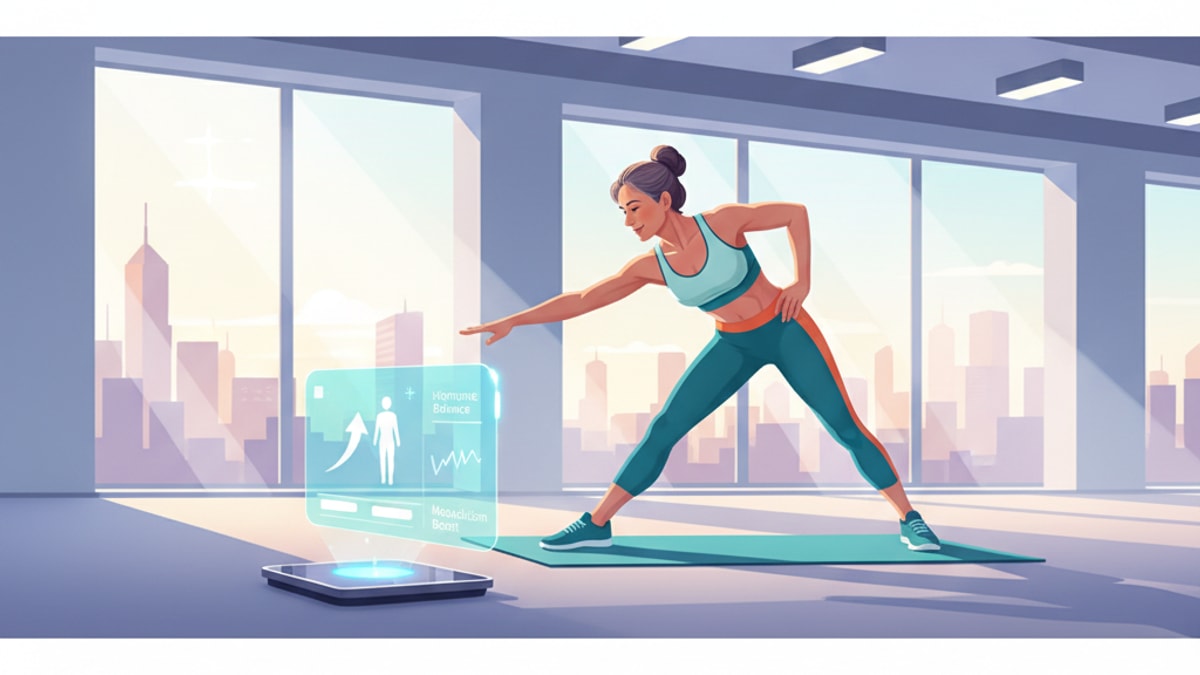
It feels like an unfair fight, doesn't it? You're doing all the same things that used to work—eating well, staying active—but the scale is relentlessly creeping up. The weight, especially around your midsection, feels stubborn. It’s a frustrating, often demoralizing experience that countless women face during perimenopause and menopause. And in the search for answers, one question comes up more than any other: will HRT help with weight loss?
It’s a simple question with a surprisingly complex answer. We’ve seen hundreds of clients walk through our doors with this exact concern. They feel betrayed by their own bodies, and they’re looking for a solution that acknowledges the profound biological shifts they’re undergoing. The conversation isn’t just about numbers on a scale; it’s about reclaiming energy, confidence, and a sense of control. So let's get into it, unflinchingly. We're going to break down what Hormone Replacement Therapy (HRT) actually does, what it doesn't do, and how it fits into a modern, effective weight loss strategy.
The Hormone-Weight Connection: Why Does This Even Happen?
Before we can talk about a solution, we have to respect the problem. The weight gain that accompanies the menopausal transition isn't a failure of willpower. Let's be absolutely clear on that. It's a physiological response to a seismic hormonal shift. Your body isn't broken; it's adapting, and that adaptation often involves changes in your metabolism and where you store fat. Three key players are driving this change: estrogen, progesterone, and testosterone.
Estrogen is the headliner. As estrogen levels decline, your body's sensitivity to insulin can decrease, a condition known as insulin resistance. When your cells are resistant to insulin, your body has to produce more of it to manage blood sugar. Higher insulin levels are a powerful signal to your body to store fat, particularly in the abdominal area. This is why many women notice a shift from a 'pear' shape (fat on hips and thighs) to an 'apple' shape (fat around the belly). This isn't just a cosmetic concern; this type of fat, called visceral fat, is metabolically active and wraps around your internal organs, increasing the risk for cardiovascular disease and type 2 diabetes.
It gets more complicated. The drop in estrogen also impacts how your body regulates appetite and energy expenditure. Studies suggest it can disrupt the delicate balance of hunger hormones like ghrelin and leptin, making you feel hungrier and less satisfied after eating. Your resting metabolic rate—the number of calories you burn just by being alive—can also take a hit. Your body is essentially becoming more efficient at storing energy and less efficient at burning it.
Then there’s progesterone. While its role is less direct than estrogen's, falling progesterone levels can lead to symptoms like bloating and water retention, which can certainly make you feel heavier and contribute to discomfort. And we can't forget testosterone. Though often considered a 'male' hormone, women have it too, and it plays a critical role in maintaining lean muscle mass. As testosterone levels wane during menopause, it becomes significantly harder to build and preserve muscle. Why does that matter for weight? Muscle is your metabolic engine. The more muscle you have, the more calories you burn at rest. Losing it means your engine is shrinking, making weight management a difficult, often moving-target objective.
So, Will HRT Help with Weight Loss Directly?
Here’s the honest, direct answer our team gives: HRT is not a weight loss drug. Its primary purpose is to alleviate the often debilitating symptoms of menopause—hot flashes, night sweats, mood swings, brain fog, and vaginal dryness, among others. If you start HRT expecting the pounds to simply melt away without any other changes, you're likely going to be disappointed.
That’s the reality.
However, that is absolutely not the end of the story. While it may not directly cause weight loss, our experience shows that HRT can be a powerful enabler of weight loss by tackling the root hormonal imbalances that make losing weight so incredibly difficult in the first place. Think of it less as the vehicle and more as the key that gets the engine started. It creates a more favorable internal environment, making your efforts with diet and exercise far more effective.
By restoring estrogen levels, HRT can help improve insulin sensitivity. This is a game-changer. It helps your body manage blood sugar more effectively, reducing the hormonal signal to store fat around your middle. In fact, numerous studies have shown that women on HRT tend to have less visceral fat than those who are not, even if their total body weight is similar. It fundamentally changes where your body puts weight, shifting it away from that dangerous abdominal area. This is a critical, non-negotiable element of long-term health.
How HRT Can Indirectly Support a Healthier Weight
The benefits don't stop at insulin sensitivity. The ripple effect of hormonal balance is sprawling and can dramatically influence your ability to manage your weight. We've seen it work time and time again.
First, there's sleep. Menopausal night sweats and anxiety can be catastrophic for sleep quality. Chronic sleep deprivation elevates cortisol, the body's primary stress hormone. High cortisol levels are directly linked to increased appetite, cravings for high-sugar foods, and, you guessed it, more abdominal fat storage. By alleviating night sweats and improving sleep, HRT helps normalize cortisol levels, breaking a vicious cycle that sabotages weight loss efforts.
Then comes energy and mood. It’s tough to feel motivated to hit the gym or prep a healthy meal when you’re battling relentless fatigue and a low mood. It's just plain hard. HRT can be transformative for energy levels and emotional well-being. By lifting the fog of fatigue and stabilizing mood, it gives you back the mental and physical resources needed to engage in healthy habits. You're not just more able to exercise; you actually want to. That's a significant shift.
And let's circle back to muscle mass. By including a testosterone component where clinically appropriate, HRT can help women preserve, and even build, precious lean muscle. This is a cornerstone of metabolic health. More muscle means a higher metabolism, which means your body is better equipped to burn calories throughout the day. It helps you fight back against the natural metabolic slowdown of aging.
So, while it's not a magic pill for shedding pounds, HRT systematically dismantles the major hormonal roadblocks that stand in your way. It levels the playing field, allowing your lifestyle choices to finally have the impact they're supposed to.
The Limitations: HRT Isn't the Whole Story
We can't stress this enough: HRT works best as part of a comprehensive strategy. It creates the opportunity for change, but you still have to walk through the door. Nutrition and physical activity remain the foundational pillars of any successful weight management plan. You can't out-hormone a poor diet or a sedentary lifestyle. That’s just the truth.
For many women, even with the support of HRT, the metabolic challenges are formidable. The insulin resistance may have become entrenched, or the lifetime habits around food and appetite might be too difficult to overcome with hormonal support alone. This is a scenario our team at TrimrX sees frequently. A woman starts HRT, she feels better, her hot flashes are gone, but the stubborn weight remains. It’s incredibly frustrating.
This is where a more direct, targeted approach to metabolic health becomes necessary. This is where modern medicine offers new, incredibly effective tools that work in concert with hormonal balance to deliver real, sustainable results.
A Modern, Medically-Supervised Approach: Beyond HRT
For those who need more powerful support, the landscape of medical weight loss has been revolutionized by a class of medications known as GLP-1 receptor agonists, like Semaglutide and Tirzepatide. Here at TrimrX, these are the tools we specialize in, providing them within a medically-supervised framework to ensure safety and efficacy.
Unlike HRT, which addresses the broad hormonal environment, GLP-1s work directly on the key pathways of metabolism and appetite regulation. They are not hormones in the traditional sense; they mimic a gut hormone that your body naturally produces. This is how they work:
- They Target the Brain: GLP-1s act on the appetite centers in your brain, significantly reducing hunger and quieting the 'food noise' that so many people struggle with. This makes it instinctively easier to eat smaller portions and make healthier choices without feeling deprived.
- They Slow Digestion: These medications slow the rate at which your stomach empties. This has a powerful effect, making you feel fuller for much longer after a meal, which naturally reduces your overall calorie intake.
- They Improve Insulin Response: GLP-1s enhance your body's own insulin secretion in response to food, helping to lower blood sugar and directly combat the insulin resistance that is so common in menopause.
For a woman on HRT who is still struggling with weight, adding a GLP-1 medication can be the missing piece of the puzzle. The HRT is managing her menopausal symptoms and improving her underlying hormonal profile, while the GLP-1 is providing the potent, targeted support needed to reset her metabolism and relationship with food. The combination can be incredibly powerful. If this sounds like the kind of comprehensive support you've been looking for, you can Take Quiz to see if you're a candidate.
Comparing Approaches: HRT vs. GLP-1s vs. Lifestyle Alone
Understanding your options is key. Let's lay them out side-by-side to see how they stack up. This approach (which we've refined over years) helps clarify the distinct role each strategy plays.
| Feature | Lifestyle Alone (Diet & Exercise) | Hormone Replacement Therapy (HRT) | GLP-1 Medications (e.g., Semaglutide) |
|---|---|---|---|
| Primary Mechanism | Calorie deficit and increased energy expenditure. | Restores hormonal balance (estrogen, progesterone, etc.) to baseline levels. | Mimics gut hormones to regulate appetite, slow digestion, and improve insulin function. |
| Direct Impact on Weight | High. Directly influences energy balance. | Low to Moderate. Primarily indirect by improving metabolic environment. | Very High. Directly targets key weight regulation pathways. |
| Addresses Menopause Symptoms | No. Does not alleviate hot flashes, night sweats, etc. | High. This is its primary indication and area of expertise. | No. Does not address core menopausal symptoms. |
| Best For | Individuals with strong willpower and minor metabolic dysfunction. | Women seeking relief from menopausal symptoms who may also benefit from metabolic support. | Individuals whose primary goal is significant weight loss and metabolic reset. |
| Our Team's Observation | Essential foundation for all, but often insufficient alone during major hormonal shifts. | A powerful 'enabler' that makes lifestyle changes more effective but isn't a dedicated weight loss tool. | The most effective medical tool available today for directly intervening in weight and metabolic health. |
Creating Your Comprehensive Strategy
Looking at that table, it becomes clear that the 'best' approach isn't about choosing one over the other. It’s about building an intelligent, personalized strategy that leverages the right tools for the right job. For many women navigating menopause, the most successful and sustainable plan is a synergistic one.
Imagine this: HRT is managing your sleep, energy, and mood, making you feel like yourself again. It's also protecting your bone density and shifting fat storage away from your abdomen. Layered on top, a GLP-1 medication from a program like ours at TrimrX is actively reducing your hunger, controlling cravings, and resetting your body's response to food. This powerful combination makes it exponentially easier to implement and stick with the third, crucial layer: a nutritious diet and regular physical activity.
This isn't about finding a shortcut. It's about using advanced medical science to finally make your hard work count. It’s about acknowledging that your body has changed and requires a new, more sophisticated set of tools. When you’re ready to build a plan that works for your unique biology, you can Start Your Treatment with our medical team.
We recommend finding a provider who listens intently to your full range of symptoms—not just your weight. A comprehensive plan should be based on thorough bloodwork and a deep understanding of your personal health history. Don't settle. Your health during this transition is too important. The goal is to move from feeling like you're fighting your body to feeling like you're finally working with it again. When you're ready to make that shift, you can Start Your Treatment Now.
The journey through menopause can feel isolating, but you aren't alone, and you aren't out of options. The question, “will HRT help with weight loss?” opens the door to a much bigger, more empowering conversation. It’s a conversation about understanding your body's new needs and leveraging the best of modern medicine to meet them. It's not about finding a single magic bullet, but about assembling the right arsenal of tools to help you reclaim your health, your vitality, and your confidence for good.
Frequently Asked Questions
Does HRT cause weight gain instead of weight loss?
▼
This is a common fear, but large-scale studies have not shown that HRT causes significant weight gain. Some women may experience initial bloating or water retention, but it typically resolves. In fact, by preventing the shift to abdominal fat, HRT is associated with a healthier body composition.
What type of HRT is best for weight management?
▼
The ‘best’ type is highly individual. However, transdermal estrogen (patches or gels) is often preferred as it may have a more favorable impact on metabolic markers compared to oral tablets. The inclusion of testosterone can also be beneficial for preserving muscle mass, which supports a healthy metabolism.
How quickly can I expect to see weight-related changes with HRT?
▼
HRT is not a weight loss drug, so changes are indirect and gradual. You might notice improvements in energy and sleep within weeks, which can support healthier habits. Changes in body composition, like reduced belly fat, may take several months to become apparent.
Can I take Semaglutide or Tirzepatide at the same time as HRT?
▼
Yes, many women use these treatments concurrently under medical supervision. HRT addresses menopausal symptoms while GLP-1 medications like Semaglutide target weight loss directly. Our medical team at TrimrX can help determine if this combination is appropriate for your health profile.
If HRT helps with insulin resistance, will it cure my sugar cravings?
▼
HRT can improve insulin sensitivity, which may help stabilize blood sugar and reduce some cravings. However, for powerful, direct control over cravings and appetite, GLP-1 medications are significantly more effective as they work on the appetite centers in your brain.
Will I regain the weight if I stop taking HRT?
▼
If you stop HRT, your body will return to a menopausal hormonal state, and the metabolic challenges associated with it may return. This could make weight maintenance more difficult if you don’t have solid lifestyle habits and potentially other medical support in place.
Is bioidentical HRT better for weight loss than synthetic HRT?
▼
The term ‘bioidentical’ means the molecular structure is identical to the hormones your body produces. While many women prefer them, there’s no strong scientific evidence that they are inherently superior to standard HRT specifically for weight loss. The delivery method (e.g., patch vs. pill) is often a more important factor.
Do I need to change my diet and exercise routine if I start HRT?
▼
Absolutely. Our team always emphasizes that HRT is a tool to make your lifestyle efforts more effective, not replace them. A diet rich in protein and fiber, combined with strength training to build muscle, is a critical component of success during and after menopause.
What’s more important for menopausal weight gain: hormones or calories?
▼
They are deeply interconnected. Hormonal changes (like decreased estrogen) make your body more prone to storing calories as fat, especially in the abdomen, and can slow your metabolism. While calorie balance still matters, fixing the underlying hormonal environment makes managing the calorie side of the equation much more achievable.
Can HRT help with the ‘menopause belly’ specifically?
▼
Yes, this is one of its most significant benefits regarding body composition. Studies consistently show that women on estrogen therapy tend to have a lower proportion of visceral (abdominal) fat compared to women who are not on HRT. It helps counteract that ‘apple shape’ shift.
What blood tests should I get before considering HRT for weight management?
▼
A comprehensive panel is crucial. Our team recommends checking hormone levels (FSH, estradiol, testosterone), thyroid function (TSH, Free T3, Free T4), and metabolic markers like fasting glucose, insulin, and HbA1c. This gives a complete picture of your health.

Transforming Lives, One Step at a Time
Keep reading

Obesity and Low Testosterone
**Can obesity cause low testosterone?** Yes. Obesity can lower testosterone, and the relationship often runs in both directions.

Top 6 Best Weight Loss Medications in 2026
Prescription weight loss medication has gone mainstream. What was once a quiet corner of obesity medicine is now one of the most talked-about categories…

Top 8 Best Telehealth for Weight Loss in 2026
Finding the best telehealth for weight loss used to be a time-consuming process that involved hours of research, murky pricing pages, and a fair…


