Are Carrots Good for Weight Loss? Our Team Weighs In.
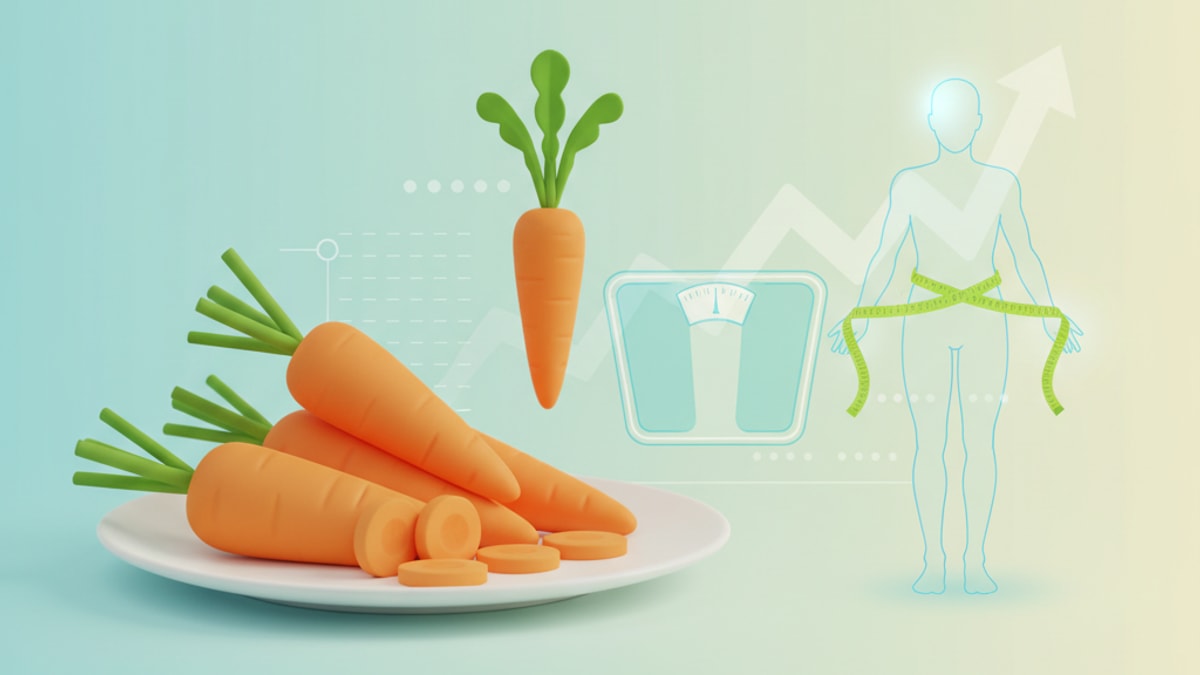
It’s a question we hear all the time, both from patients in our programs and from people just starting to rethink their relationship with food: are carrots good for weight loss? On the surface, it seems like a simple yes or no. But our team has learned that the most effective, sustainable health strategies are built on a much deeper understanding. The real answer is more nuanced, and frankly, far more empowering.
Let’s be honest, the world of diet advice can be a sprawling, confusing landscape of conflicting claims. One day a food is a superfood; the next it’s secretly packed with sugar. At TrimrX, our entire approach is built on cutting through that noise with medical science and real-world data. We don’t just look at a single food. We look at its role within the complex biological system that is your body. So, when we talk about carrots, we're not just talking about a vegetable. We’re talking about a tool—a fantastic one—that can be leveraged within a comprehensive, medically-guided strategy for lasting change.
The Nutritional Breakdown: Why Carrots Pack a Punch
First, let's look at the hard numbers, because they tell a compelling story. A medium-sized carrot has only about 25 calories. Right away, that’s a huge win. But it gets better. A whole cup of chopped carrots comes in at just over 50 calories. That’s an incredibly low caloric density for the volume of food you’re getting. Think about that for a second. You could eat two full cups of carrots for the same caloric price as a small handful of potato chips or a few crackers. It's a simple, sometimes dramatic shift in volume that can make a real difference in your daily energy balance.
This low-calorie, high-volume profile is a critical, non-negotiable element of successful weight management. It's about satiety. Feeling full and satisfied is arguably the biggest battle when you're trying to create a calorie deficit. Foods that take up a lot of space in your stomach without overloading your system with calories are your best allies. Carrots are champions in this arena. Much of their weight is water, which helps with hydration and contributes to that feeling of fullness. We’ve seen it work time and time again with our patients: when you replace calorie-dense, nutrient-poor snacks with options like carrots, you're not just cutting calories. You're fundamentally changing the signals your stomach sends to your brain.
Simple, right?
But the calorie count is only the beginning of the story. The real magic lies in their composition, particularly their fiber content.
Fiber: The Unsung Hero for Fullness
If calories are the headline, fiber is the feature story. And it’s a story that directly impacts hunger, digestion, and even your metabolic health. Carrots are a great source of dietary fiber, containing both soluble and insoluble types. Why does this matter so much? Because fiber is a formidable force for appetite control.
Soluble fiber, which dissolves in water to form a gel-like substance in your digestive tract, dramatically slows down how quickly your stomach empties. This means you feel fuller for much, much longer after eating. That snack of carrots and hummus at 3 p.m. isn't just a placeholder; it's a strategic move to prevent the ravenous hunger that might otherwise lead to poor choices before dinner. This prolonged satiety is something we can't stress enough. It helps quiet the 'food noise'—that relentless internal chatter about your next meal—that so many people struggle with.
Then there's the insoluble fiber, which doesn't dissolve. It adds bulk to stool and helps keep your digestive system running smoothly. A healthy, regular digestive system is foundational to overall wellness and can influence everything from nutrient absorption to inflammation. Our experience shows a clear link between improved gut health and more successful, less stressful weight loss journeys. The microbes in your gut play a surprisingly large role in regulating your metabolism, and feeding them well with fiber-rich foods like carrots is a powerful step in the right direction.
The Sugar Myth We Need to Settle Now
Here’s where we often see people get tripped up. "But aren't carrots full of sugar?" It’s a persistent myth, born from a misunderstanding of how our bodies process carbohydrates. Yes, carrots have a sweet taste, which comes from natural sugars. But the way they impact your blood sugar is completely different from, say, a candy bar or a soda.
This is where we need to talk about the glycemic index (GI) and glycemic load (GL). The GI ranks foods based on how quickly they raise blood sugar levels. Raw carrots have a low GI, around 16 (out of 100). Cooked carrots are a bit higher, but still in the low-to-moderate range. More importantly, we have the glycemic load, which accounts for the amount of carbohydrates in a typical serving. The GL of carrots is incredibly low—around 3. This means that despite their natural sweetness, eating carrots causes a very slow, small, and manageable rise in blood sugar.
This is absolutely crucial for weight loss. Big spikes in blood sugar trigger a large release of insulin, the hormone that tells your body to store fat. These spikes are often followed by a rapid crash, which leaves you feeling tired, irritable, and craving more sugary foods. It's a vicious cycle. By choosing low-GL foods like carrots, you promote stable blood sugar, which helps control cravings, maintain steady energy levels, and keep your body in a fat-burning state for longer. This principle of blood sugar regulation is a cornerstone of modern weight management science and directly aligns with how advanced treatments, including the GLP-1 medications we use at TrimrX, help restore metabolic balance.
Carrots in a Modern, Medically-Supervised Plan
Now, this is where it gets interesting. Carrots are fantastic. They are a nutritional powerhouse and a brilliant tool for anyone looking to manage their weight. But we have to be unflinchingly honest: for many people facing significant weight challenges or deep-seated metabolic resistance, simply eating more carrots won't be enough to move the needle in a meaningful way. That's the reality.
Weight loss isn't a matter of willpower; it's a matter of biology. Hormones, genetics, and metabolic function play a massive role. Our team works with individuals who have tried everything—every diet, every workout plan—and still find themselves stuck. This is where a modern, scientific approach becomes a game-changer. At TrimrX, we use FDA-registered GLP-1 medications like Semaglutide and Tirzepatide to address the underlying biological factors that drive hunger and weight gain. These treatments help regulate appetite and blood sugar on a physiological level, creating a state where new, healthier habits can finally take root and flourish.
So, where do carrots fit in? They are a critical part of the 'new habits' equation. When our patients start a medically-supervised program, the 'food noise' quiets down. The constant, overwhelming cravings begin to fade. This creates the perfect opportunity to build a new relationship with food. We guide them in incorporating whole, nutrient-dense foods like carrots into their daily routine. Carrots become the easy, satisfying, go-to snack that replaces the processed junk they once craved. They are part of the lifestyle architecture that makes the results of the medical treatment sustainable for the long term. If you're curious about how this holistic approach could work for you, you can Take Quiz to see if you're a candidate.
Snack Smart: A Quick Comparison
To put this into perspective, let's look at how carrots stack up against other common snacks. The difference is stark.
| Snack (1 Cup Serving) | Calories (Approx.) | Fiber (g) | Sugar (g) | Satiety Score (1-10) | Weight Loss Friendliness |
|---|---|---|---|---|---|
| Chopped Carrots | 52 | 3.6 | 6 | 8 | Excellent |
| Pretzels | 220 | 2.2 | <1 | 3 | Poor |
| Granola | 480 | 9 | 24 | 5 | Deceptive (High Calorie) |
| Potato Chips | 320 | 2.4 | <1 | 2 | Very Poor |
| Apple Slices | 65 | 3 | 13 | 7 | Very Good |
As you can see, carrots offer an impeccable balance of low calories, decent fiber, and high satiety. While an apple is also a great choice, carrots have less than half the sugar and provide that satisfying crunch many people crave.
Beyond the Nutrition Label: The Psychological Edge
We can't overlook the behavioral aspect of eating. A huge part of unhealthy snacking is driven by factors other than pure hunger. Boredom, stress, and habit all play a role. And for many, there's a deep-seated need for oral fixation—the simple act of chewing and crunching.
This is another area where carrots shine. The loud, satisfying crunch of a raw carrot can fulfill that sensory need in a way that yogurt or a smoothie simply can't. It mimics the experience of eating chips or crackers without any of the nutritional downsides. It’s an act that feels substantial. We've found that providing our patients with these kinds of healthy 'sensory swaps' is a powerful technique for breaking old patterns. It's not about deprivation; it's about substitution.
Furthermore, there's the vibrant color. Eating a variety of colorful foods isn't just a catchy phrase; it ensures you're getting a wide range of vitamins, minerals, and antioxidants. Carrots are packed with beta-carotene, which the body converts to Vitamin A, essential for vision, immune function, and skin health. Building a plate that is visually appealing can make healthy eating more enjoyable and sustainable. It transforms it from a chore into a positive act of self-care.
How to Make Carrots a Delicious Part of Your Routine
Let’s be real, eating plain carrot sticks every day can get old. The key to long-term success is variety. Luckily, carrots are incredibly versatile.
- Roast Them: Tossing carrots with a tiny bit of olive oil, salt, and pepper and roasting them until tender brings out their natural sweetness. They become a delicious side dish that feels indulgent.
- Shred Them: Add shredded carrots to everything. Toss them in salads for crunch and color, mix them into ground turkey for leaner meatballs, or add them to pasta sauces for a hidden veggie boost.
- Soup Them: A creamy (without the cream) carrot ginger soup is comforting, low-calorie, and incredibly flavorful. Blending cooked carrots creates a velvety texture that is deeply satisfying.
- Pair Them Wisely: Don't just eat carrots alone. Pair them with a source of protein and healthy fat to create a balanced mini-meal that will keep you full for hours. Think carrot sticks with hummus, a hard-boiled egg, or a small handful of almonds. This combination is the gold standard for a satiating, blood-sugar-stabilizing snack.
These simple strategies help integrate carrots into your life in a way that feels natural and enjoyable, not restrictive.
The TrimrX Perspective: It's All Connected
So, what's our final verdict? Are carrots good for weight loss? Absolutely, yes. They are a low-calorie, high-fiber, nutrient-dense food that can significantly aid in appetite control and support overall health. They are an A+ tool in your nutritional toolkit.
But our experience in this field has taught us that lasting success comes from a more holistic view. It's about using excellent tools like carrots within a larger, more powerful framework. For those who have been on the diet rollercoaster for years, it's often a sign that the underlying biology needs to be addressed before tools like diet and exercise can be truly effective. It's about fixing the foundation so the house you build on top of it is strong and stable.
That's our mission at TrimrX. We provide the medical foundation that quiets the biological drivers of weight gain, and then we guide you in building the lifestyle—filled with smart choices like carrots—that leads to lasting health. It’s a partnership between cutting-edge science and timeless nutritional wisdom. If you feel like you've been fighting an uphill battle with your weight, it might not be you—it might be your biology. We're here to help you change the fight. It's time to Start Your Treatment Now and discover a different path forward.
Ultimately, the journey to a healthy weight is about making a series of smart, sustainable choices, day after day. Incorporating carrots is one of the easiest and most effective choices you can make. They're accessible, affordable, and powerful. When you combine simple, positive habits with a medical approach that finally gets to the root of the problem, you don't just lose weight. You build a new, healthier life.
Frequently Asked Questions
Can you eat too many carrots for weight loss?
▼
While it’s difficult to overeat carrots to the point of weight gain due to their low-calorie and high-fiber nature, moderation is always key. A very excessive intake could theoretically lead to a calorie surplus or even carotenemia, a harmless condition where skin turns slightly orange.
Are raw or cooked carrots better for dieting?
▼
Both are excellent choices. Raw carrots may have a slight edge in satiety due to their crunch and higher fiber integrity, while cooking can make some nutrients, like beta-carotene, more bioavailable. We recommend including both for variety.
Do baby carrots have the same weight loss benefits?
▼
Yes, baby carrots are nutritionally very similar to regular carrots. They are just regular carrots that have been cut and shaped for convenience, making them a fantastic, ready-to-eat snack for a weight management plan.
Will carrot juice help me lose weight?
▼
We generally advise against juicing for weight loss. Juicing removes the beneficial fiber, which is critical for satiety and blood sugar control. You’re left with concentrated sugar and calories, making whole carrots a far superior choice.
Can I eat carrots on a low-carb or keto diet?
▼
Carrots do contain carbohydrates, so they need to be consumed in moderation on a strict ketogenic diet. However, on a more general low-carb plan, their high fiber content means their net carb count is relatively low, making them a viable option.
What’s the best way to pair carrots for maximum fullness?
▼
Our team recommends pairing carrots with a source of protein and healthy fat. Great options include hummus, Greek yogurt dip, a handful of nuts, or a hard-boiled egg. This combination slows digestion even further and keeps you full for hours.
Are organic carrots better for weight loss?
▼
Nutritionally, organic and conventionally grown carrots are very similar in terms of calories, fiber, and vitamins. The choice is a personal one based on budget and preference regarding pesticides; either option is a great addition to a weight loss diet.
Do carrots help reduce belly fat specifically?
▼
No single food can target fat loss in a specific area of the body. Carrots contribute to overall weight loss by helping you maintain a calorie deficit, which will lead to fat reduction throughout the body, including the belly.
How do carrots fit into a medically-supervised plan like TrimrX offers?
▼
In our programs, carrots are a perfect ‘lifestyle’ food. While our medical treatments address the underlying biology of hunger, carrots serve as a healthy, satisfying food choice that helps patients build new, sustainable eating habits.
Can the sugar in carrots stall my weight loss?
▼
It’s extremely unlikely. The natural sugar in carrots is bundled with a lot of fiber and water, leading to a very low glycemic load. This means they don’t spike blood sugar and won’t interfere with weight loss when eaten as part of a balanced diet.
Are purple or yellow carrots healthier than orange ones?
▼
Different colored carrots contain different types of antioxidants. Orange carrots are rich in beta-carotene, while purple ones have anthocyanins. All are healthy and great for weight loss, so we suggest eating a variety for the broadest range of nutrients.

Transforming Lives, One Step at a Time
Keep reading

Obesity and Low Testosterone
**Can obesity cause low testosterone?** Yes. Obesity can lower testosterone, and the relationship often runs in both directions.

Top 6 Best Weight Loss Medications in 2026
Prescription weight loss medication has gone mainstream. What was once a quiet corner of obesity medicine is now one of the most talked-about categories…

Top 8 Best Telehealth for Weight Loss in 2026
Finding the best telehealth for weight loss used to be a time-consuming process that involved hours of research, murky pricing pages, and a fair…


